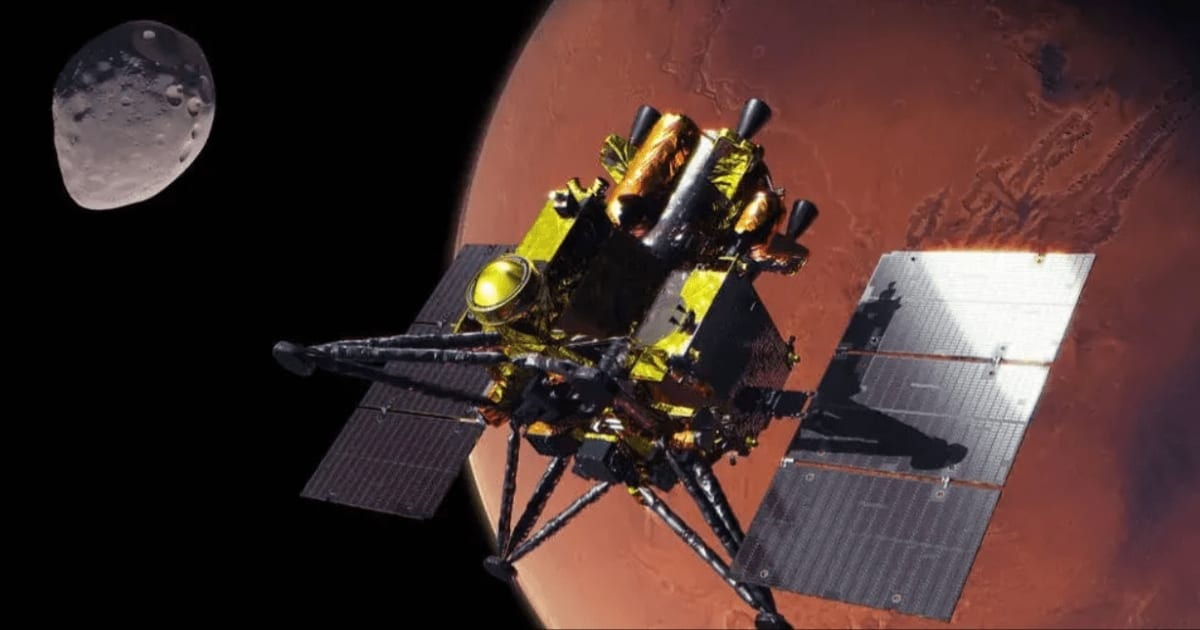
Earth’s radio signals highlight regions where extraterrestrial life could find us

A new study suggests that to increase the odds of discovering alien life, humans should focus their search efforts on planets that are aligned with their own stars. By analyzing decades of Earth’s own radio transmissions, researchers have pinpointed the most likely locations where an alien civilization could have already detected signals from humanity. The research was published in The Astrophysical Journal Letters, according to the Pennsylvania State University.
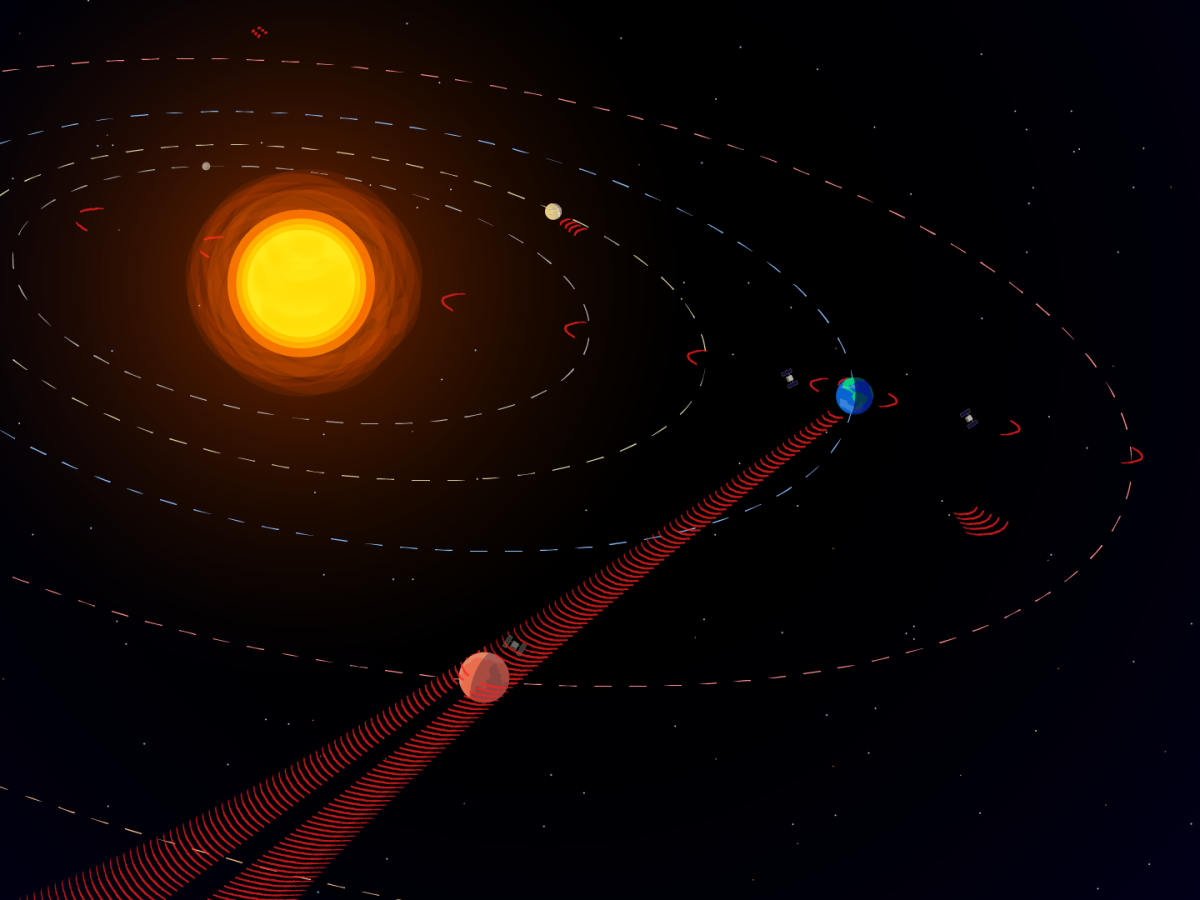
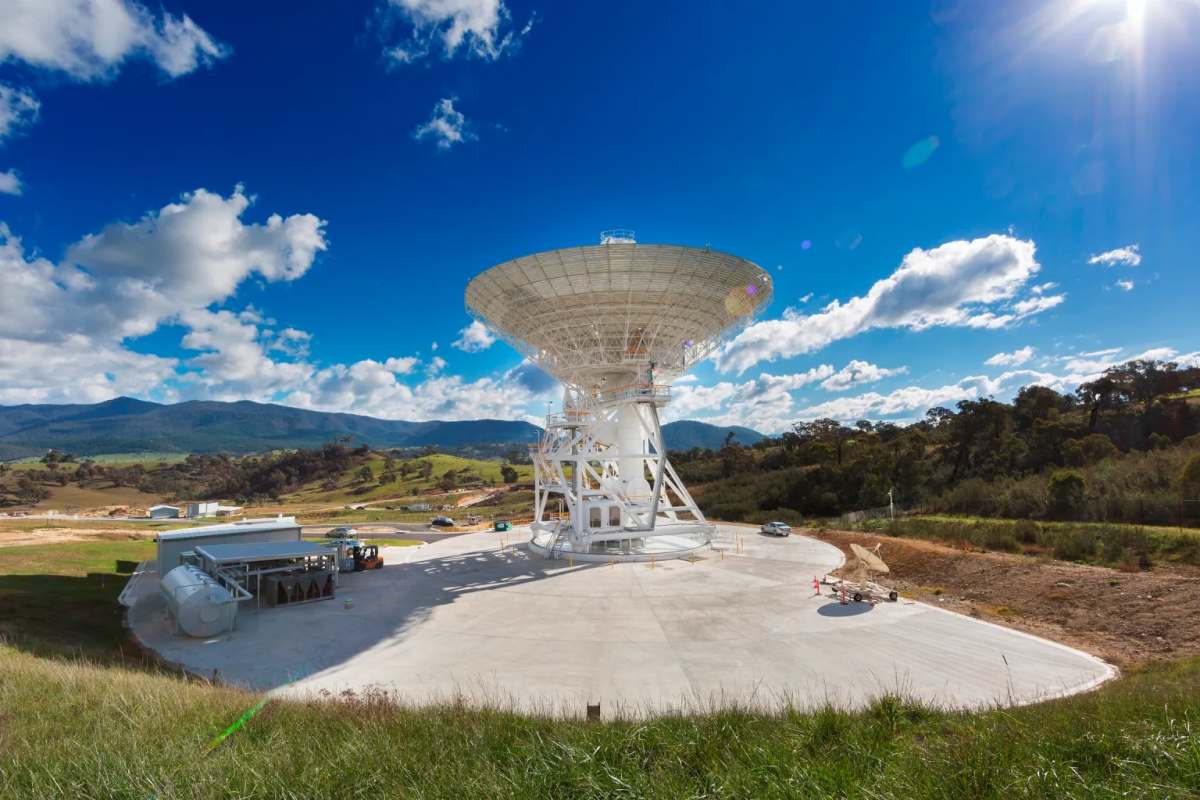
The study, led by Pinchen Fan, a graduate student at Penn State, and researchers from NASA’s Jet Propulsion Laboratory, is the first to analyze decades of transmission data from NASA’s Deep Space Network (DSN) to identify patterns in humanity's most powerful radio signals. The DSN is a global network of large antennas that facilitates communication with distant spacecraft. By analyzing the network’s logs, the research team found that Earth's most common and powerful radio transmissions are not random. Instead, they are primarily directed at our own interplanetary missions, particularly those orbiting Mars.
”Based on data from the last 20 years, we found that if an extraterrestrial intelligence were in a location that could observe the alignment of Earth and Mars, there’s a 77% chance that they would be in the path of one of our transmissions," Fan stated. According to him, this is "orders of magnitude more likely than being in a random position at a random time." The study also notes that when observing an alignment with other planets in our solar system, the chances of intercepting a signal from Earth are 12%. When there is no planetary alignment, the chances are "minuscule."

The findings, presented at the 2025 Penn State SETI Symposium, suggest that this planetary alignment technique could be used in reverse. “Using our own deep space communications as a baseline, we quantified how future searchers for extraterrestrial intelligence could be improved." He further added that by focusing on solar systems with a similar orientation to our own and during periods of planetary alignment, we can greatly enhance our chances of detecting alien transmissions.
According to the study's co-author Joseph Lazio, a project scientist at JPL, “NASA's Deep Space Network provides the crucial link between Earth and its interplanetary missions. It sends some of humanity's strongest and most persistent radio signals into space, and the public logs of its transmissions allowed our team to establish the temporal and spatial patterns of those transmissions for the past 20 years.” The researchers also found that Earth’s radio transmissions are mostly concentrated along a single plane, consistent with the relatively flat, disk-like structure of our solar system. This means that alien civilizations within 23 light-years, whose solar systems are similarly oriented, would be the most likely to have already received our signals.
Future research will identify these specific star systems to determine how often they may have been exposed to transmissions from Earth. The team also plans to explore how the increasing use of laser communications for space missions could be applied to this research, as many extraterrestrial civilizations may also opt for this technology. The study concludes that as humanity expands its reach into the solar system, our radio transmissions will only increase, providing a more robust signal for any potential alien intelligence to find.