Black holes send ripples through space-time when disturbed — scientists have now found a way to understand these signals
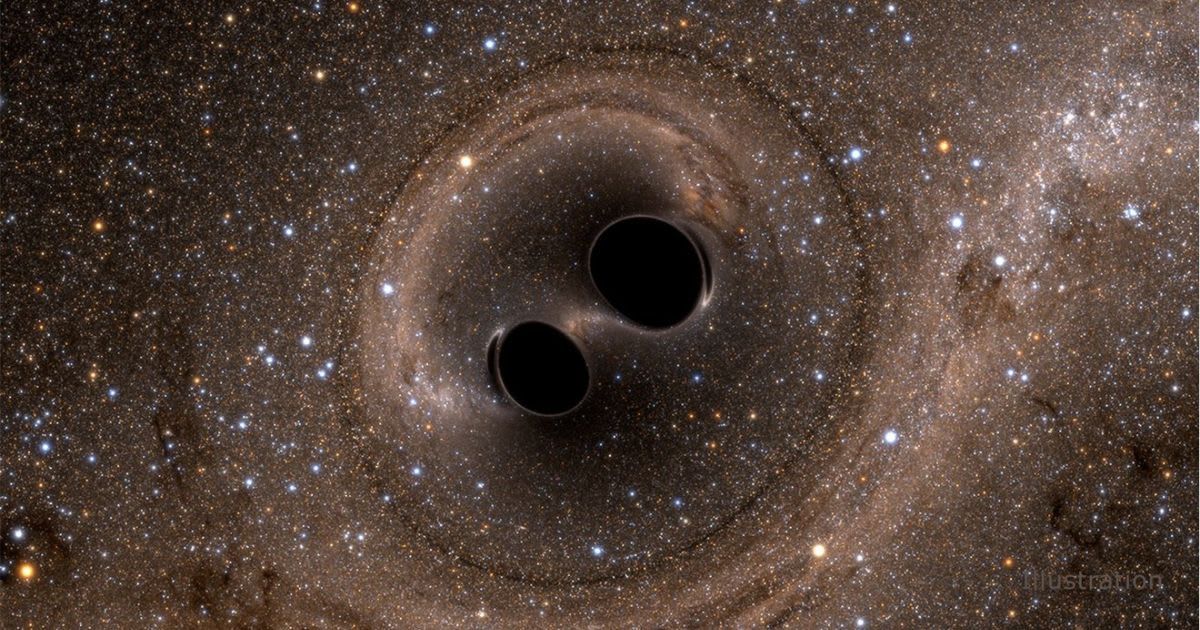
A team of researchers at Kyoto University has developed a groundbreaking method for calculating the "ringing" of black holes, a phenomenon known a quasinormal modes. This innovative approach, published in the journal Physical Review D, could significantly enhance our ability to analyze gravitational wave data and deepen our understanding of the universe, as per Kyoto University.
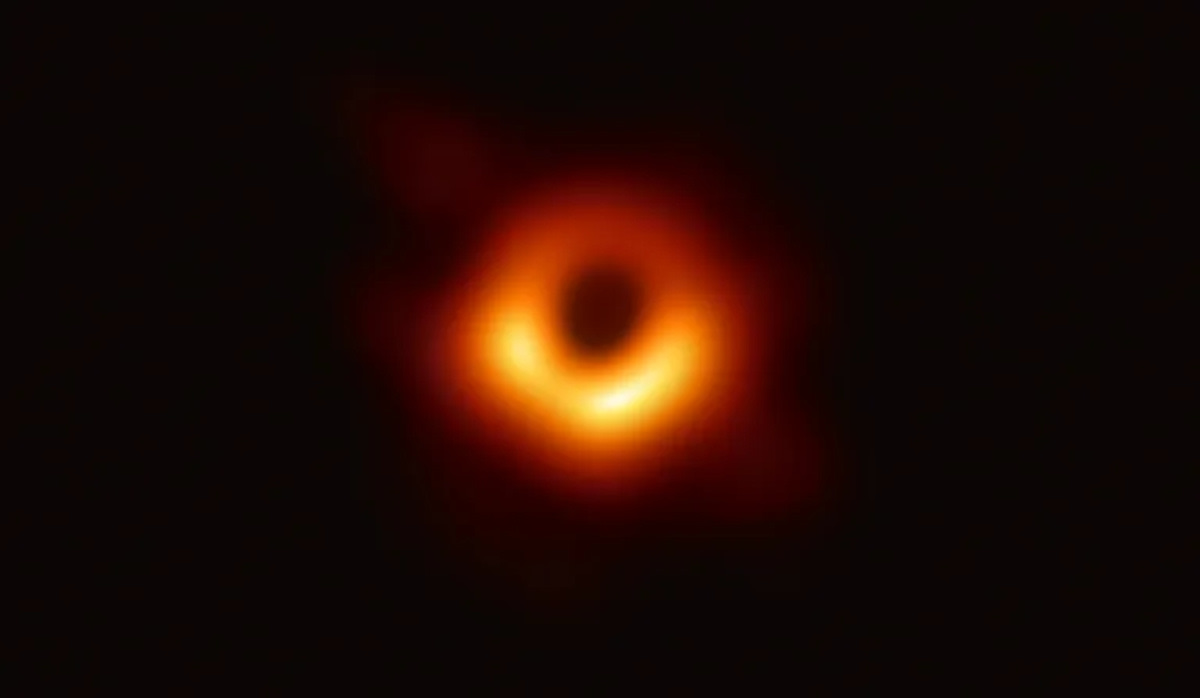
Black holes are the universe's most powerful gravitational sources, and when they are disturbed, for example, during a merger, they emit gravitational waves. These waves carry information about the black hole's mass and shape. However, accurately calculating these vibrations has posed a major challenge for scientists, especially for waves that weaken quickly.
The research team, led by corresponding author Taiga Miyachi, addressed this problem by applying a mathematical technique called the exact Wentzel-Kramers-Brillouin (exact WKB) analysis. While the method has a long history in mathematics, its application to physics, particularly in the study of black holes, is a relatively new area of study. The team extended their analysis of space near a black hole into the complex number domain, revealing a complex mathematical structure that had been previously overlooked. By incorporating features such as Stokes curves, a mathematical phenomena that indicate where a wave's nature changes, the researchers were able to trace the behaviour of waves in unprecedented detail.
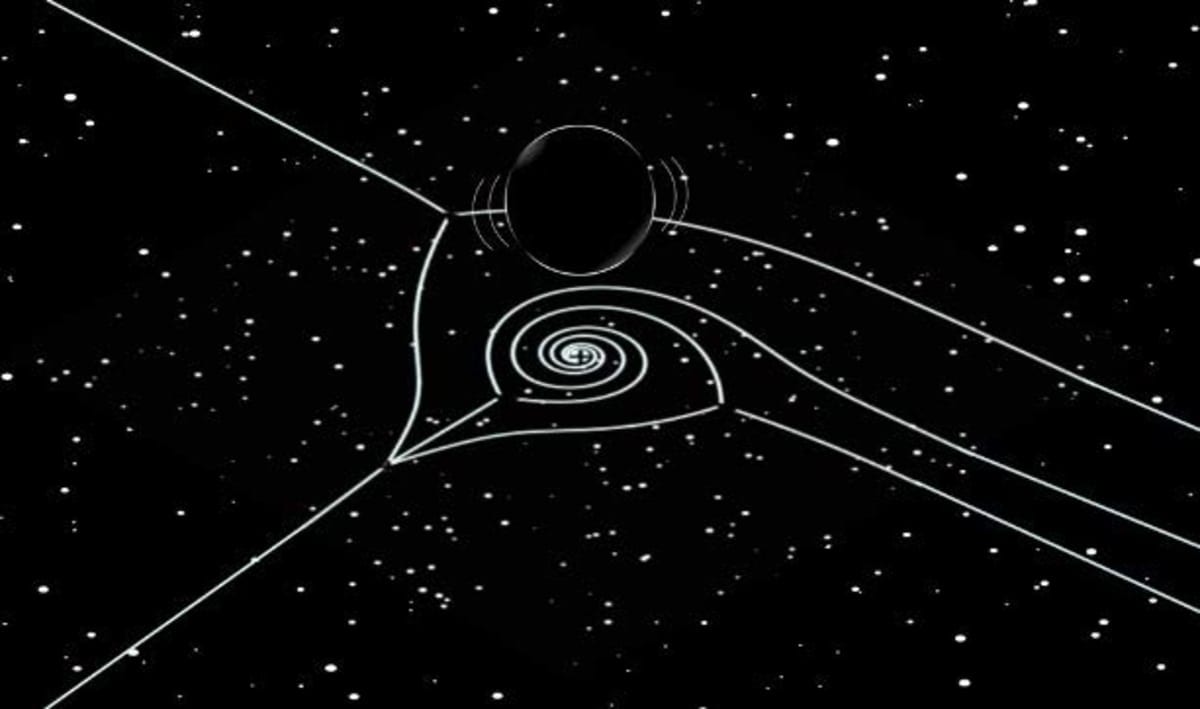
This new method systematically and precisely captures the frequency structure of rapidly weakening vibrations. The findings demonstrate the power of the exact WKB method as a practical tool for bridging theoretical predictions with observational data from events like black hole mergers. "We were surprised at how complex and beautiful the underlying structure of these vibrations turned out to be," said Miyachi. "We found spiraling patterns in our mathematical analysis that had been missed before, and these turned out to be key in understanding the full picture of quasinormal modes."
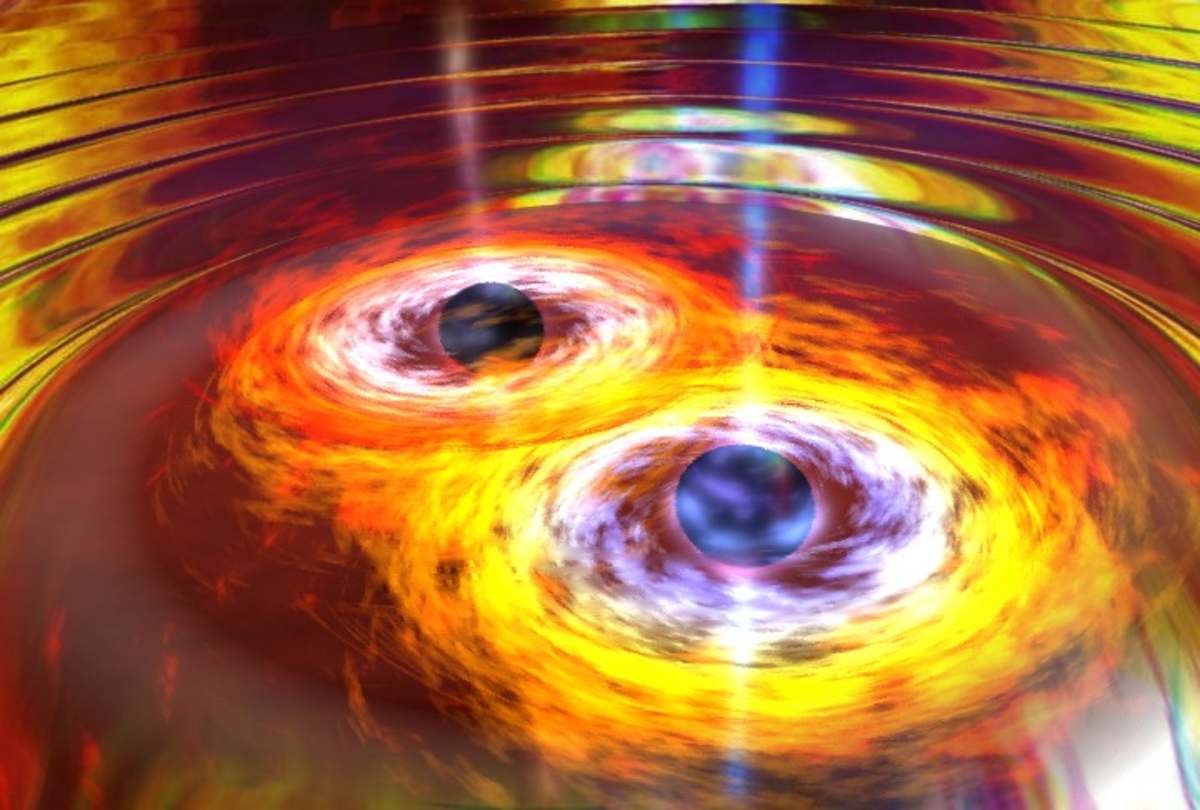
This new approach allows scientists to analyze the vibrations of black holes across a wide range of theoretical models. This could improve the precision of future gravitational wave observations and provide a more reliable understanding of the nature of our universe and its geometry. The team plans to extend their research to rotating black holes and explore the application of exact WKB analysis in quantum gravity studies.
Complementing this theoretical work, a different group of researchers has created a method to more accurately analyze the gravitational-wave data itself. This new technique, published in Nature Astronomy, was developed by researchers from the University of Portsmouth, the University of Southampton, and the University College Dublin, according to the University of Portsmouth.
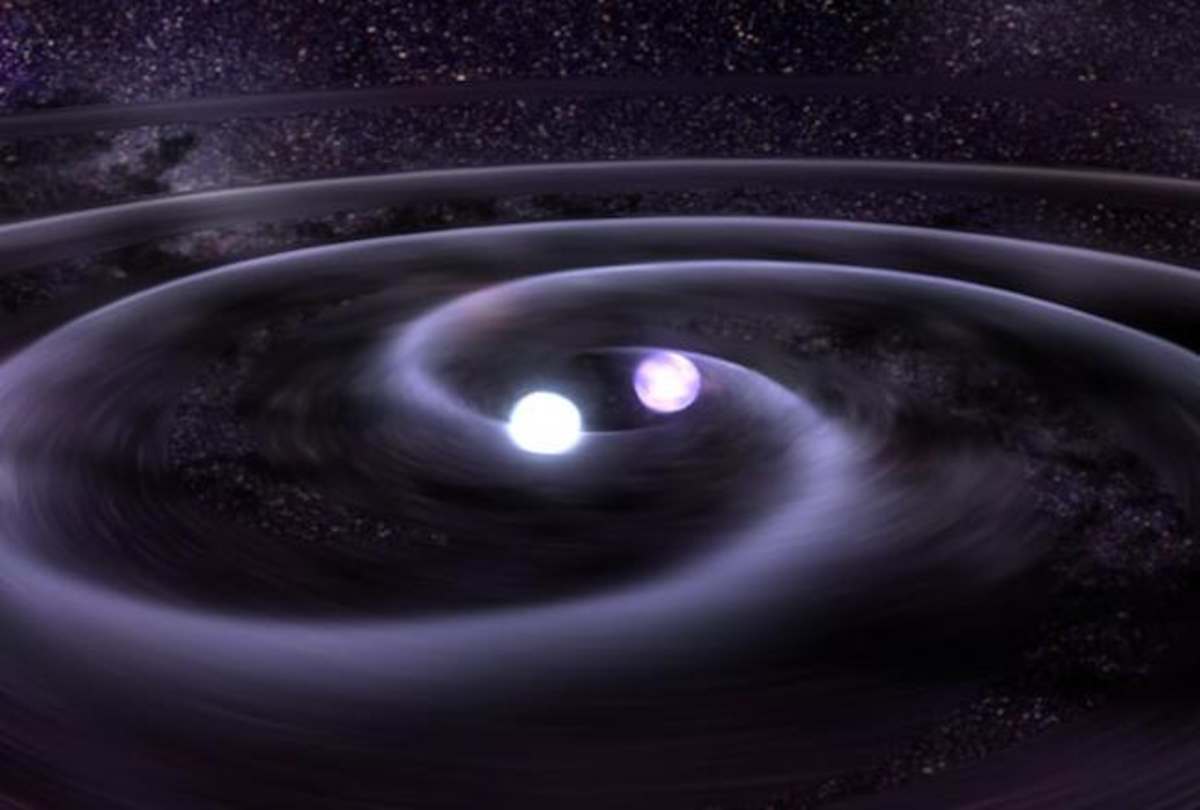
Ever since the Nobel-prize winning detection of gravitational waves in 2015, the study of these ripples has revolutionized our understanding og the universe. To identify the source of a gravitational wave signal, scientists typically use a technique known as Bayesian inference to compare the observation against millions of possible theoretical signals. However, as Dr. Charlie Hoy, a lead author on the study, explained, the issue with existing methods is that they can overlook how faithfully each model adheres to Einstein's theory of general relativity, risking misleading conclusions. The team's new approach addresses this, laying important groundwork for future breakthroughs by ensuring a more accurate analysis of the data.