Meet NASA's NEO Surveyor: A 'one-of-a-kind mission' designed to find the most dangerous asteroids
“By identifying objects that ground telescopes can miss, this mission will provide the critical data we need to safeguard our planet for years to come.”
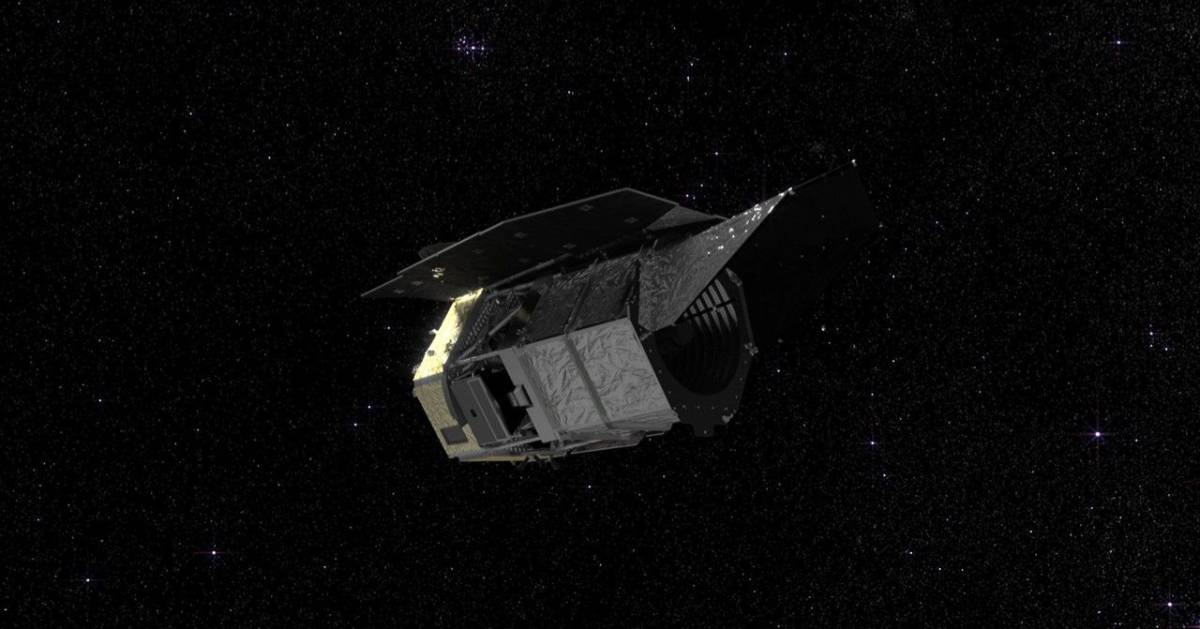
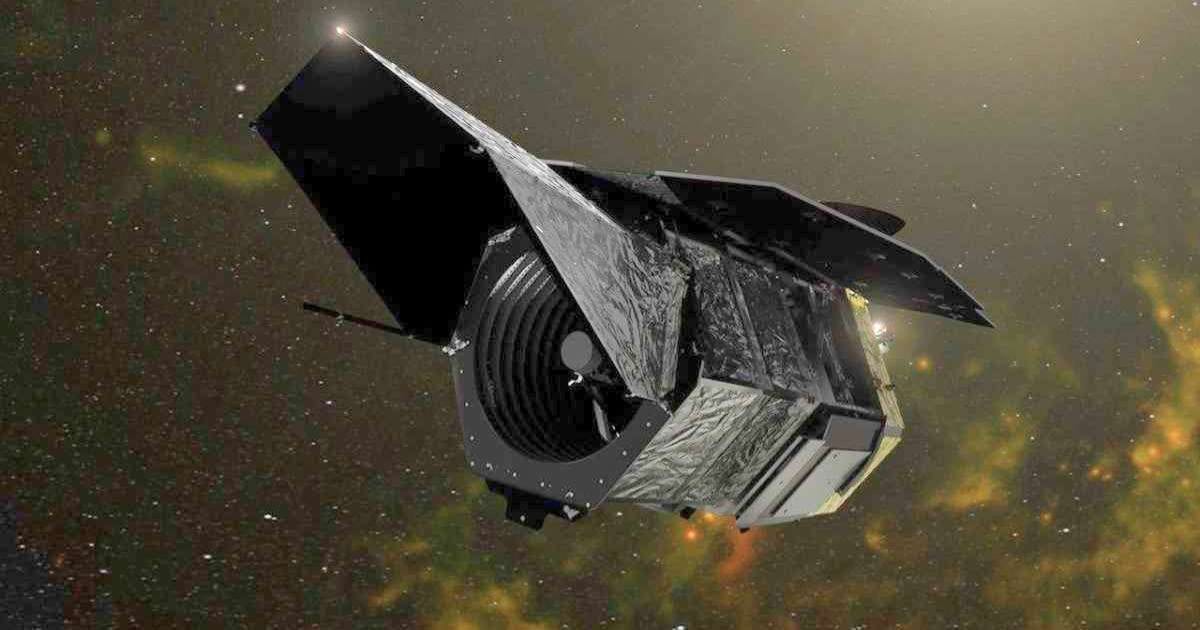
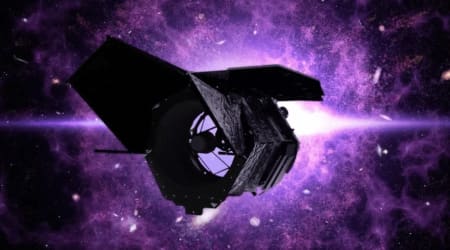
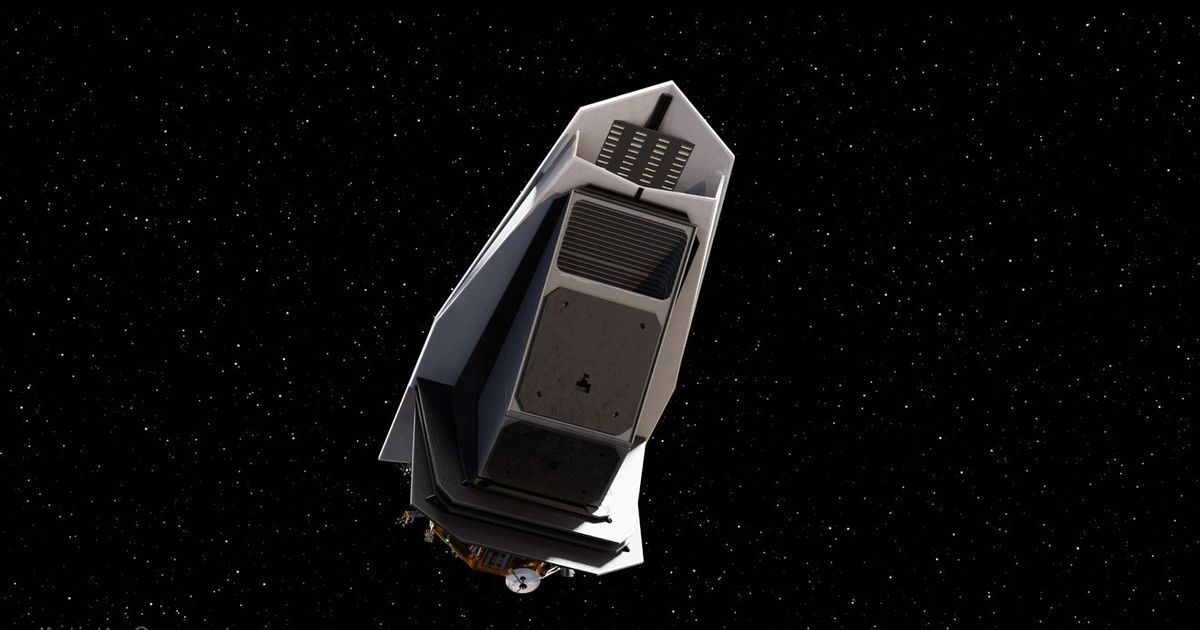
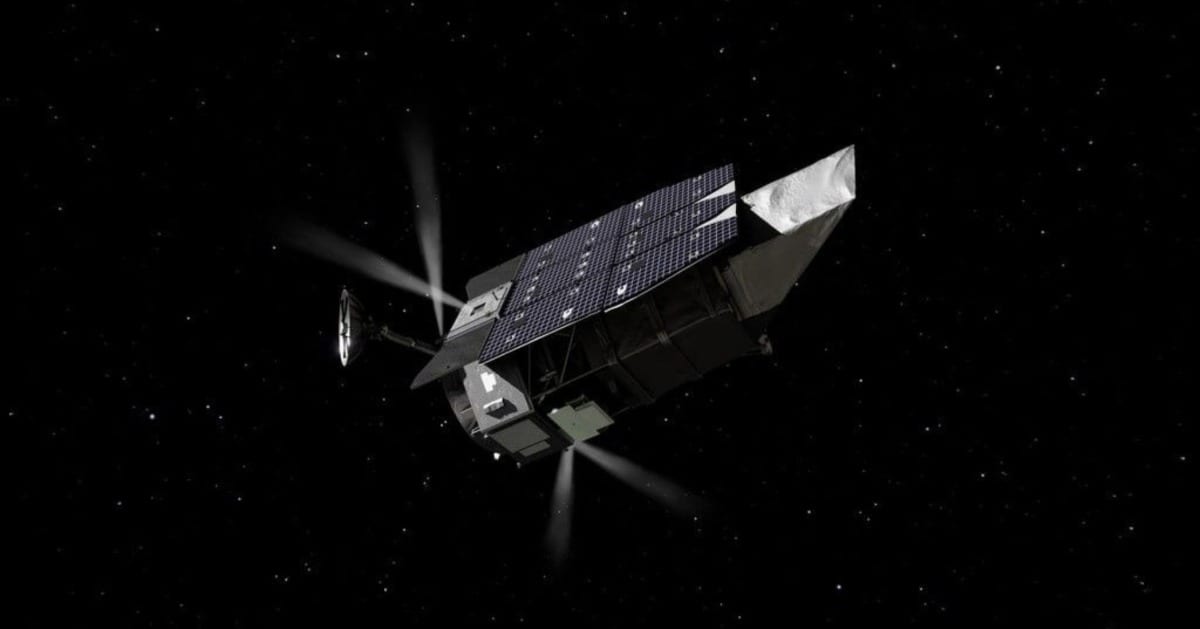
This artist’s concept depicts NASA’s NEO Surveyor in deep space. — NASA/JPL-Caltech

Many near-Earth objects (NEO) are too dark to observe in visible light. Some of them even spend much of their time lurking in the Sun’s blinding glare, making it difficult for ground-based observatories to detect them. However, NASA is now working on the NEO Surveyor, which, set for launch no earlier than September 2027, is going to address this observation gap.
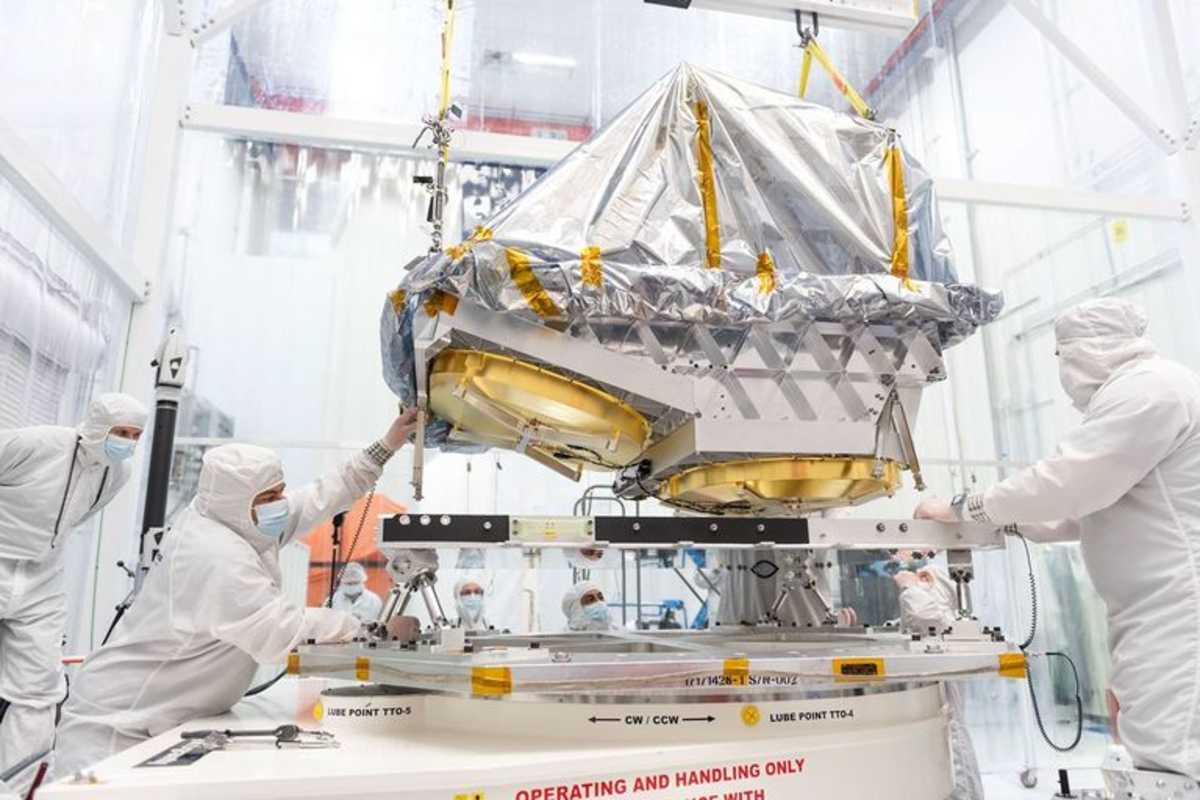
Engineers attach the aluminum telescope for NASA’s NEO Surveyor to the flight base frame at Space Dynamics Laboratory in Logan, Utah, in September 2025.  (Cover Image Source: Space Dynamics Laboratory/Allison Bills/via NASA)
Engineers attach the aluminum telescope for NASA’s NEO Surveyor to the flight base frame at Space Dynamics Laboratory in Logan, Utah, in September 2025. (Image Source: Space Dynamics Laboratory/Allison Bills/via NASA)

While ground-based surveys detect asteroids by analyzing sunlight they reflect, the NEO Surveyor will detect the glow of these objects in the infrared as they are warmed by the Sun and provide us enough advance warning of a possible impact to allow us to do something about it.
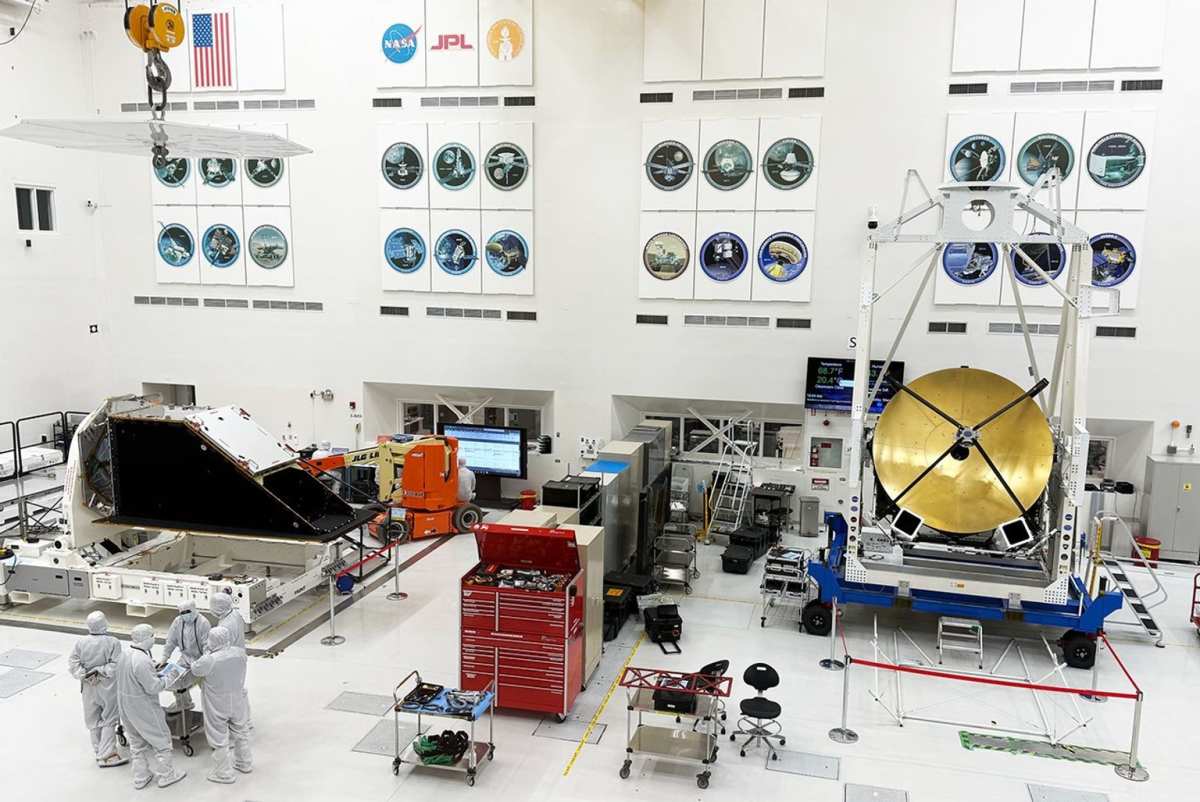
In March, components for NASA’s NEO Surveyor, left, and the agency’s ASTHROS mission are seen sharing the same clean room at NASA’s Jet Propulsion Laboratory while work continues on both missions. (Image Source: NASA/JPL-Caltech)

After launch, the spacecraft will traverse roughly one million miles (1.5 million kilometers) toward the Sun to the Sun-Earth L1 Lagrange point—a region of gravitational stability between Earth and the Sun. From this vantage point, the spacecraft will continuously scan vast areas of the sky for at least five years, searching for asteroids and comets that have so far escaped detection. The observatory's 20-inch aperture camera has two detector arrays, each of which will create a 16-megapixel mosaic of the sky and generate detailed images of asteroids and comets in two infrared bands. This will allow scientists to measure the temperature of an asteroid or comet and provide insights into its size.
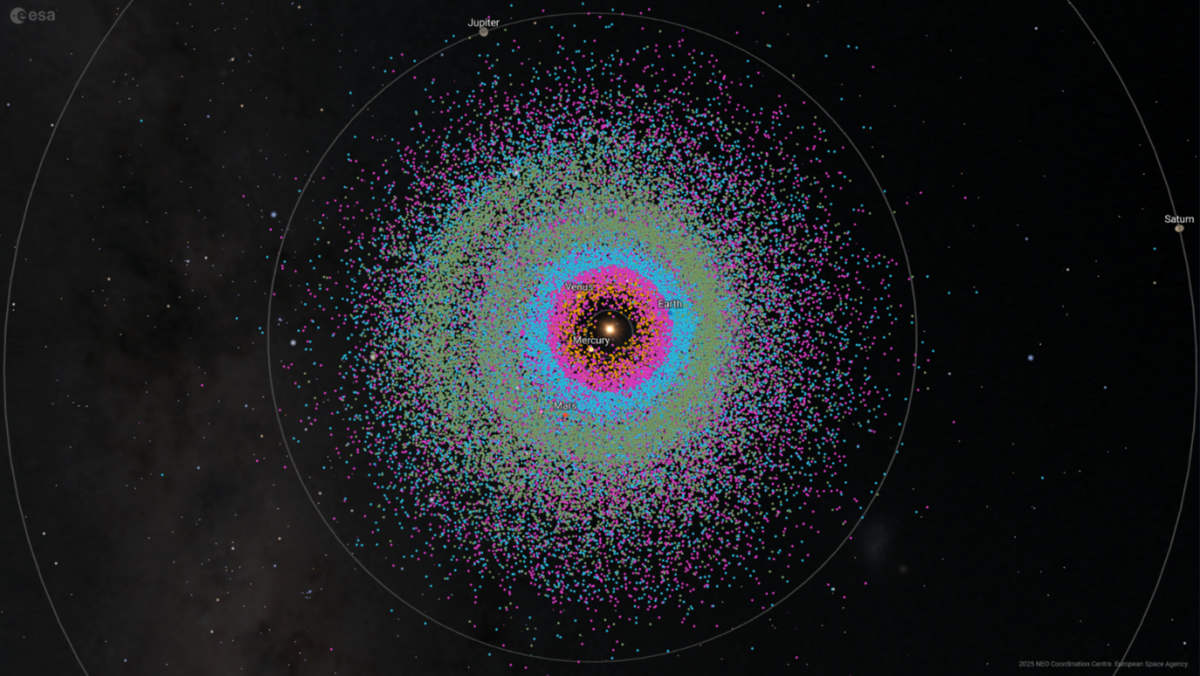
An illustration of ESA's orbit visualization tool Orbit Visualisation Tool, which can display collections of asteroids and the Keplerian and perturbed orbits of NEOs in a 3D environment of the Solar System. (Image Credit: ESA)
An illustration of ESA's Orbit Visualisation Tool, which can display collections of asteroids and the Keplerian and perturbed orbits of NEOs in a 3D environment of the Solar System. (Image Source: ESA)

The largest feature of the observatory is its 6-meter-long sunshade that will block the Sun's glare from entering the telescope’s aperture. It also has solar panels on its Sun-facing side that will generate the electricity needed to power the mission throughout its journey.
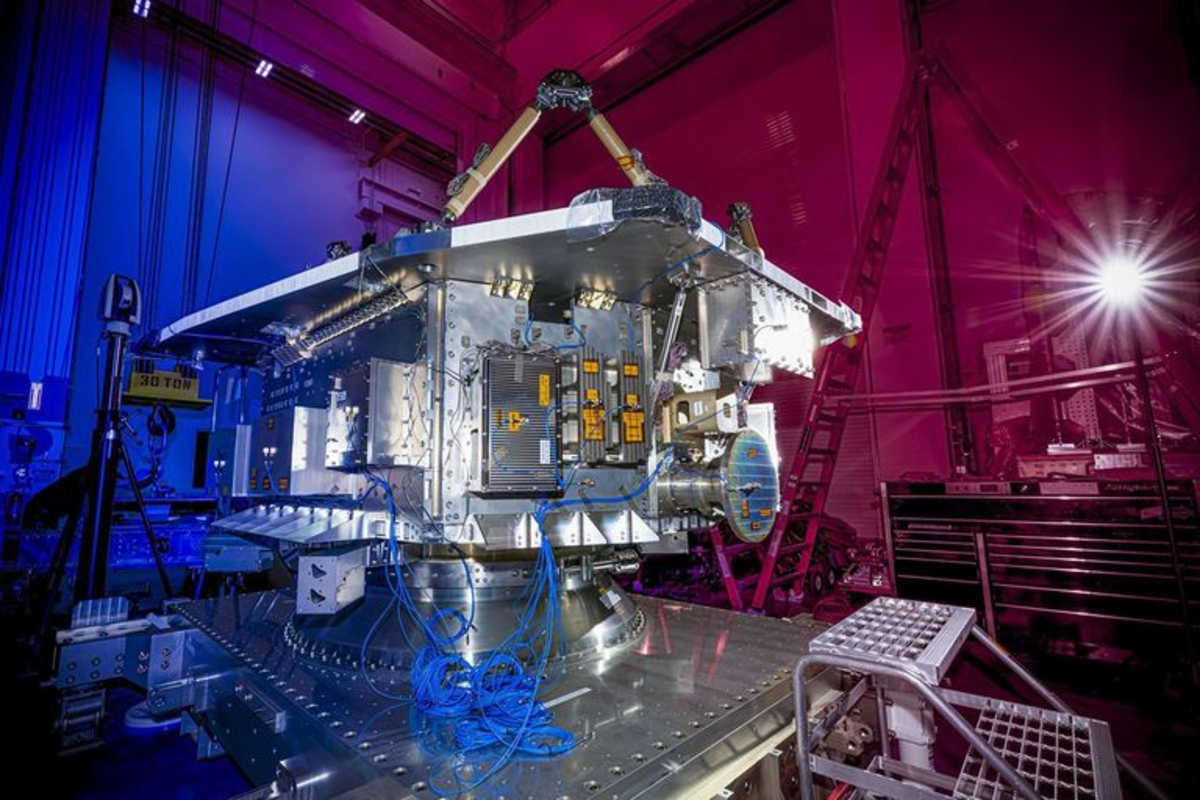
The bus structure of NASA’s NEO Surveyor, shown here, underwent a round of testing at BAE Systems Space & Mission Systems in Boulder, Colorado, in August 2025. (Image Source: BAE Systems Space & Mission Systems/ via NASA)

“NEO Surveyor is a one-of-a-kind mission designed to solve a specific challenge: finding asteroids and comets that pose the greatest risk to Earth,” said Jim Fanson, the mission’s project manager at NASA’s Jet Propulsion Laboratory in Southern California, per a NASA press release posted in May that said the observatory had entered the integration and testing phase. “By identifying objects that ground telescopes can miss, this mission will provide the critical data we need to safeguard our planet for years to come.” Both the spacecraft's sunshade and its bus, which contains power, propulsion, avionics, and communication subsystems, had been undergoing testing at the time at BAE Systems in Boulder, Colorado. 
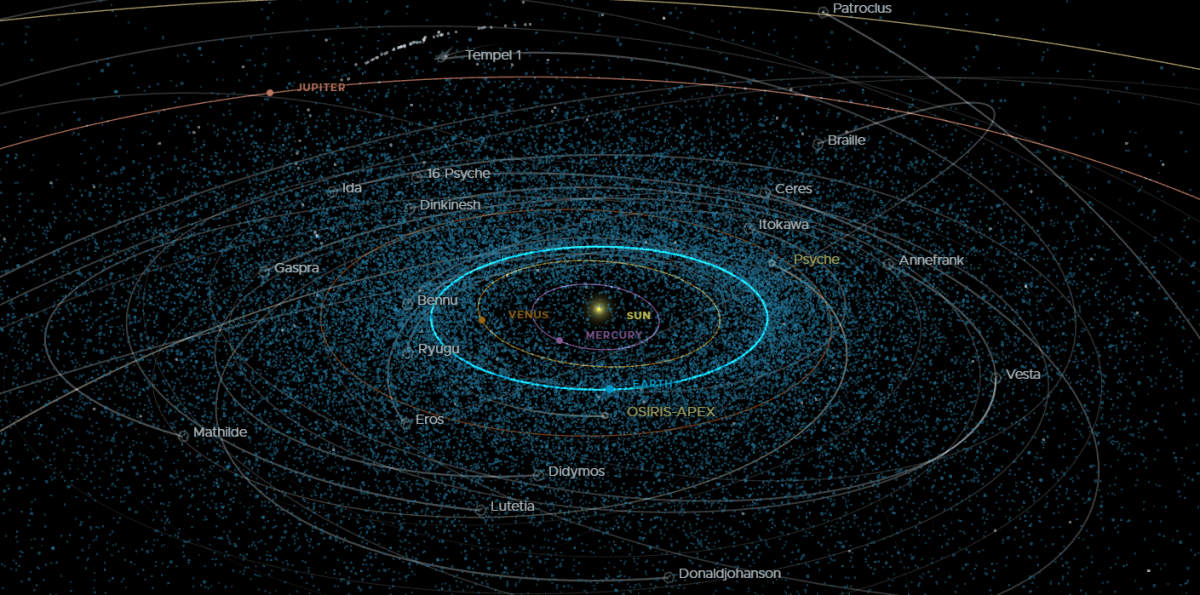
Visualization of every known asteroid or comet classified as a Near-Earth Object. (Representative Image Source: NASA's Eyes on Asteroids)

All the data collected by NEO Surveyor will reach Earth via NASA's Deep Space Network before going to Caltech's IPAC in Pasadena, California. IPAC will process and calibrate the data and produce images and catalogs for archiving at the NASA/IPAC Infrared Science Archive. Potential new discoveries will then be conveyed to the Minor Planet Center (MPC), the international organization responsible for cataloging small bodies throughout the solar system. Organizations like the Jet Propulsion Laboratory's Center for Near Earth Object Studies (CNEOS) can then use this data to calculate impact risks for hazardous objects years into the future.

More on Starlust 

Newly detected 40-meter asteroid close to Venus orbit could strike Earth with city-level impact 

What would really happen if an asteroid hit Earth today—and is NASA ready?
MORE STORIES

The proposal involves an inspector satellite with a neutron detector that could identify nukes.
3 days ago
The satellite, called BOHR, was built by the Florida-based company City Labs.
5 days ago
The coating could be applied on future spacecraft designed to block light from distant stars hosting exoplanets.
5 days ago
The proposed semiconductor-based design uses magnetic fields to catch dark matter particles.
Jul 3, 2026
The mission is still in the early stages of its conception, with contracts given recently to firms.
Jul 1, 2026
The world's most powerful particle accelerator will undergo some major upgrades during the 4-year hiatus.
Jun 29, 2026
By the time its initial survey comes to an end, the telescope will have discovered about 1 billion new radio sources.
Jun 23, 2026
The mission, if confirmed, will include two identical spacecraft, which will scan the thermosphere for neutral winds, temperature, and composition.
Jun 23, 2026
The rover can travel much faster and can overcome obstacles that could stop current Mars rovers.
Jun 19, 2026
For the test, the rover hunted for organic molecules in rock samples from the Murchison meteorite.
Jun 19, 2026