6 planets will align in the sky in a rare celestial event on August 10—here's how to watch it
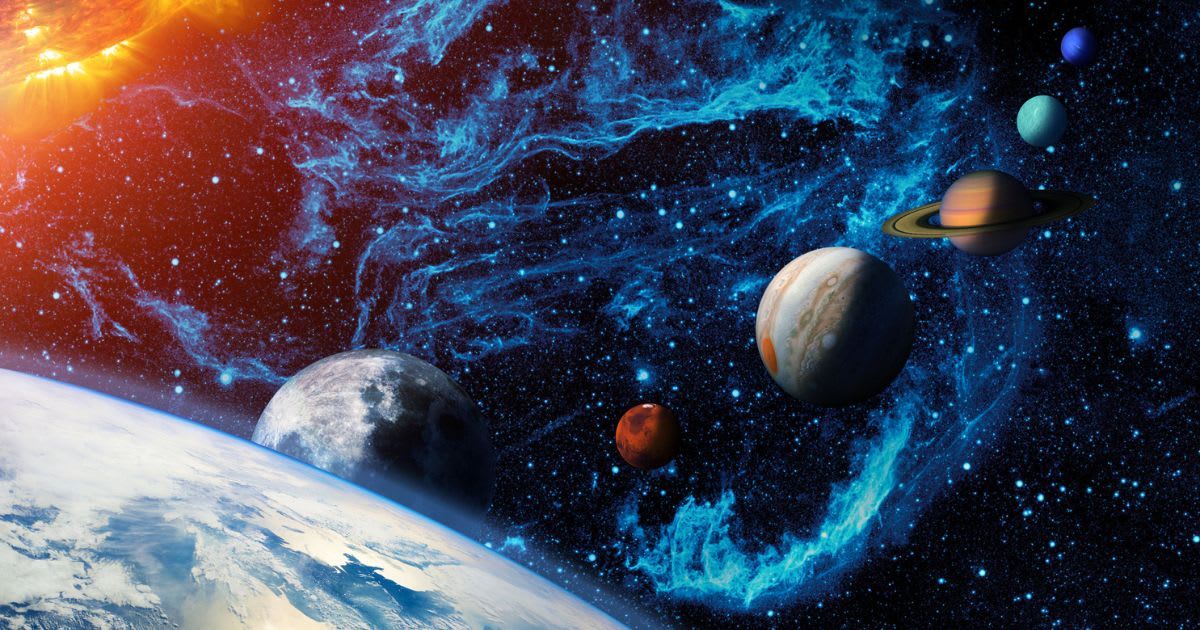
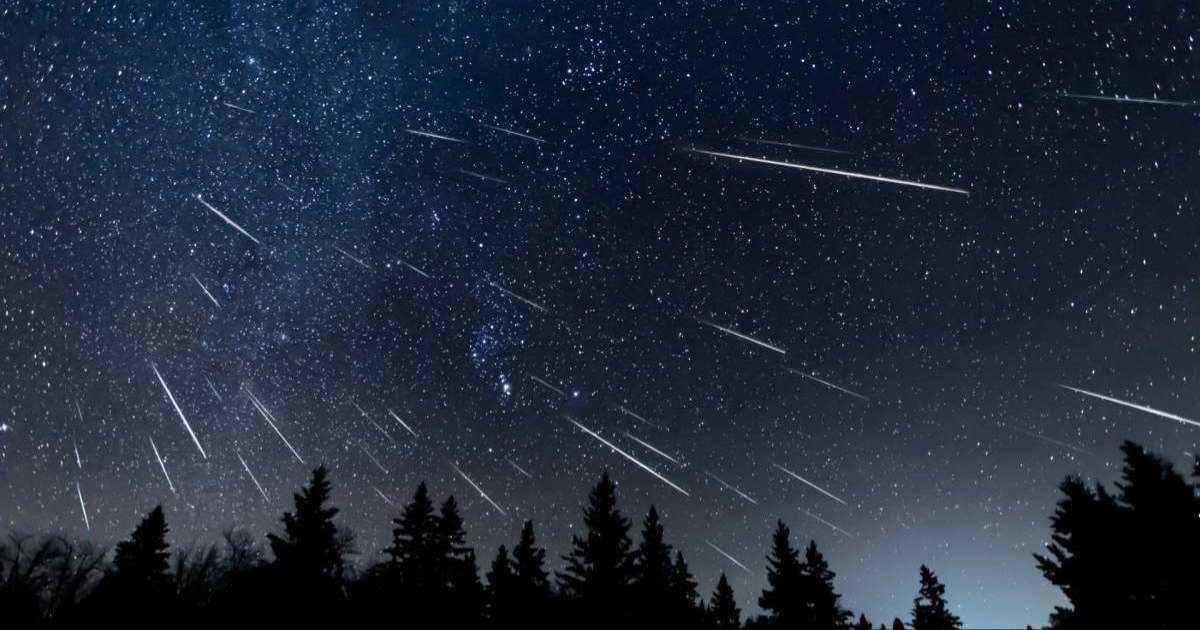
A rare celestial event is set to unfold in the early morning sky, offering a stunning alignment of six planets. Beginning around August 10, skygazers will have the opportunity to see Mercury, Venus, Jupiter, Saturn, Uranus, and Neptune all at once in a planetary parade that will span a significant portion of the month, according to National Geographic.

While the event officially kicks off on August 10, the best viewing conditions are expected in the nights leading up to August 23. This period promises minimal moonlight and positions Mercury at its farthest point from the Sun, making it easier to spot, as per Wired. Astronomers say this alignment is a must-see, as the next time these six planets will be visible together won't be until February 2026. To get the best view, observers should seek out a location away from artificial light and moonlight, which can obscure dimmer objects. If a flashlight is necessary, a red-light option is recommended to protect night vision.
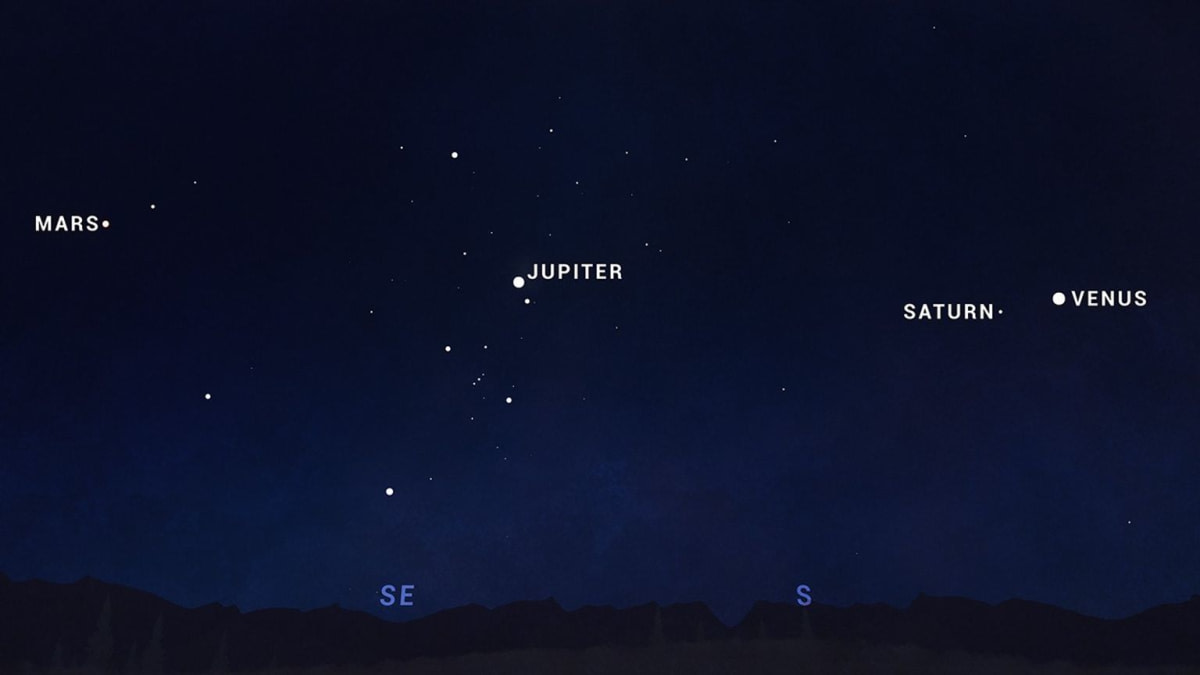
The planets will appear in a specific sequence across the sky. From the Northern hemisphere, viewers should look to the southwest to find Neptune and Saturn, followed by Uranus in the southeast. Venus and Jupiter will then be visible in the east, with Mercury completing the lineup as it rises just above the eastern horizon. Southern Hemisphere observers will see a similar arrangement but should look toward the north. Neptune and Saturn will be in the northwest, Uranus will be in the north, and Venus, Jupiter, and Mercury will be visible in the northeast, positioned slightly lower on the horizon.
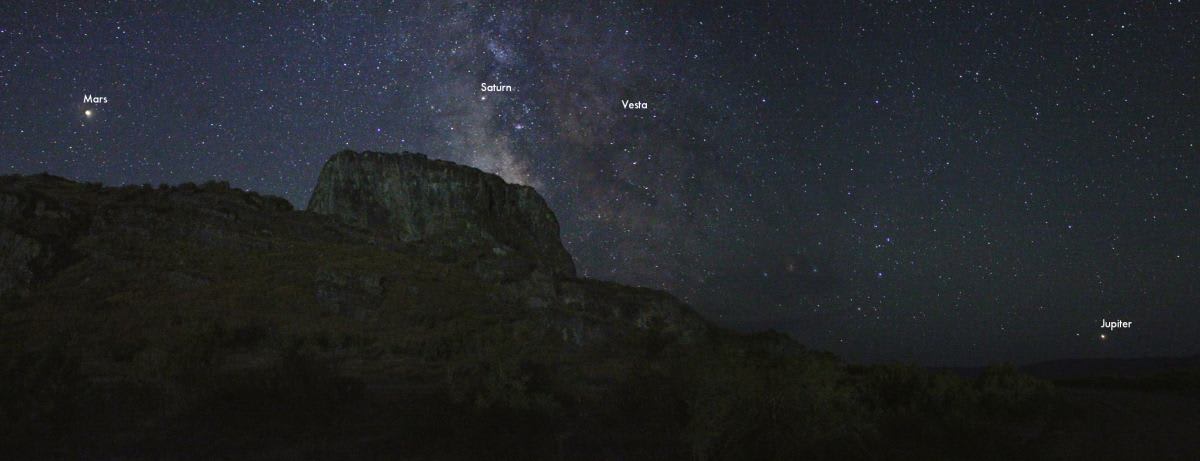
The planetary parade begins with Neptune and Saturn, which will rise between 8:30 p.m. and 10 p.m. local time, depending on your location. Saturn, easily visible with the naked eye, will be especially rewarding to view with binoculars or a telescope, which can reveal its famous rings and largest moon, Titan. Neptune, however, is much dimmer and requires a powerful telescope, with the best viewing conditions on or around August 23, when moonlight won't interfere, as mentioned on Wired.
Next up is Uranus, which rises between 11:45 p.m. and 12:45 a.m. for most locations. This faint, pale-blue disc will also require binoculars or a telescope to be seen and will be best viewed around the moonless night of August 23. You can find it just below the beautiful Pleiades star cluster, a great backup target if you can't spot Uranus. Finally, the brightest planets, Jupiter and Venus, will rise together between 2:30 a.m. and 3:30 a.m. These two will be almost in conjunction, appearing less than one degree apart, and are easily visible with the naked eye. Through a telescope or binoculars, you can spot Jupiter's four largest moons, along with its swirling cloud bands and iconic Great Red Spot. You can also observe Venus's phases, which are not visible to the naked eye.
The last planet to rise is Mercury, appearing between 4:30 a.m. and 5:30 a.m. for most observers. The best window to see Mercury is from August 18-23, when it will be at its greatest distance from the Sun, offering a wider viewing window before sunrise. It is important to note that Mercury is very close to the Sun, so you should never use binoculars or a telescope to view it to avoid serious eye damage. Once Mercury sets for good in late August, the other planets will remain visible for a while, offering plenty of additional opportunities for stargazing.