SpaceX's Falcon 9 launches world's first commercially built nuclear-powered satellite
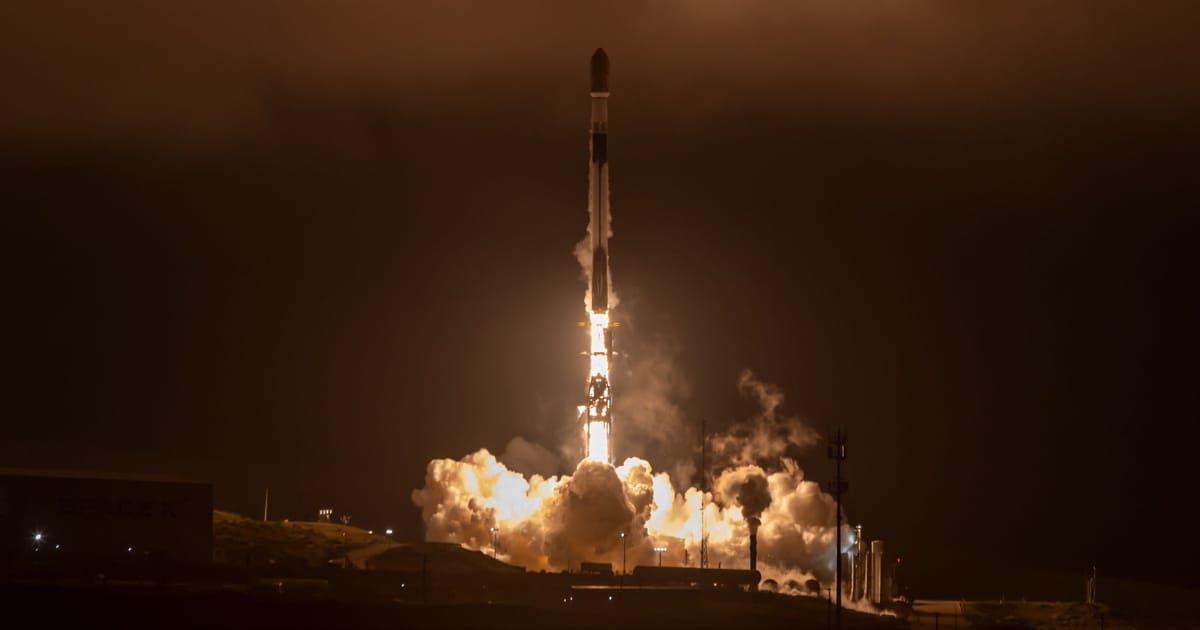
A SpaceX Falcon 9 rocket launched the world's first commercially built nuclear-powered satellite into orbit at 12:12 a.m. PT (3:12 a.m. EDT) on Tuesday, July 7. The BOHR (Betavoltaic Orbital High-Reliability) satellite, built by the Florida-based company City Labs, launched from Space Launch Complex 4E at the Vandenberg Space Force Base in California as part of SpaceX's Transporter-17 rideshare mission that carried a total of 81 payloads.
Falcon 9 launches the 17th Transporter rideshare mission and delivers 81 payloads to orbit pic.twitter.com/ApixoSmFHv
— SpaceX (@SpaceX) July 7, 2026
The primary objective of BOHR, which is also the world's first nuclear CubeSat, is to demonstrate the company's proprietary NanoTritium betavoltaic technology in orbit. During its flight, the BOHR spacecraft will still rely on conventional solar power to run its standard satellite bus operations, while the NanoTritium system will be used as a dedicated power source specifically to run and validate the satellite's payload demonstration so as to prove that it can supply electrical power for a long duration continuously, independent of the availability of solar energy.
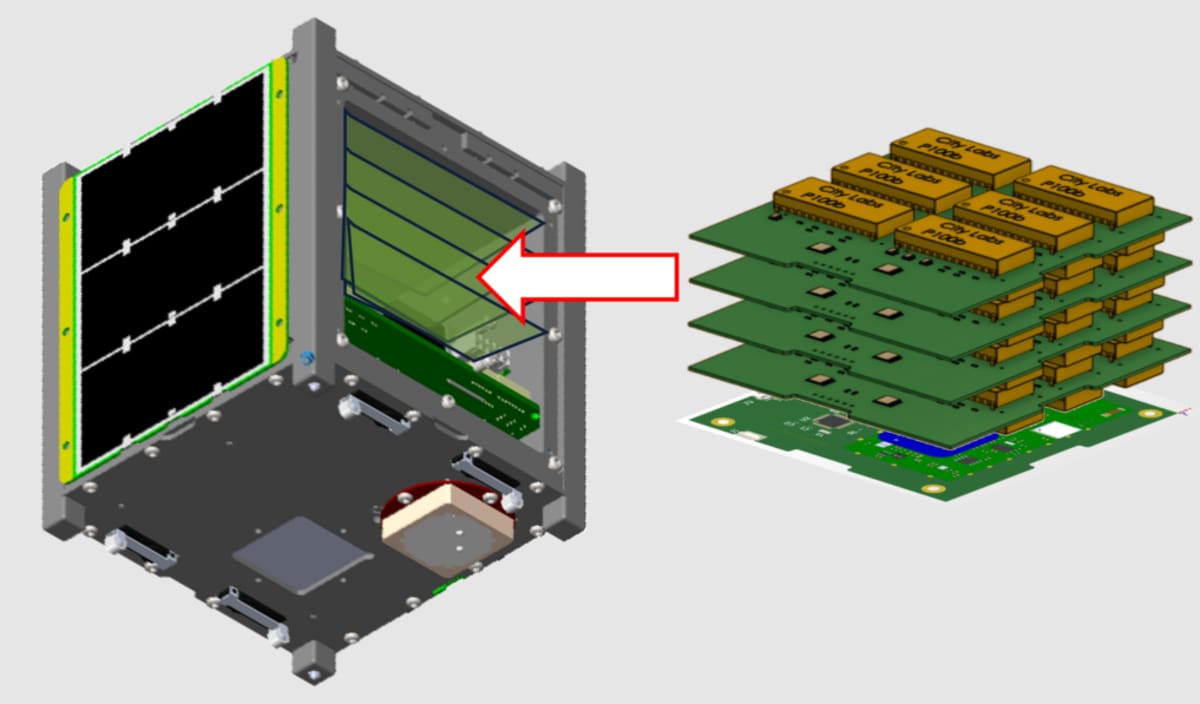
"This is a historic step for commercial nuclear power in space," said Peter Cabauy, CEO of City Labs, in a statement. "BOHR demonstrates that safe, compact, and regulatory-approved nuclear power systems are ready for routine commercial deployment. This capability enables persistent, always-on payload operations that are not constrained by sunlight or battery life."
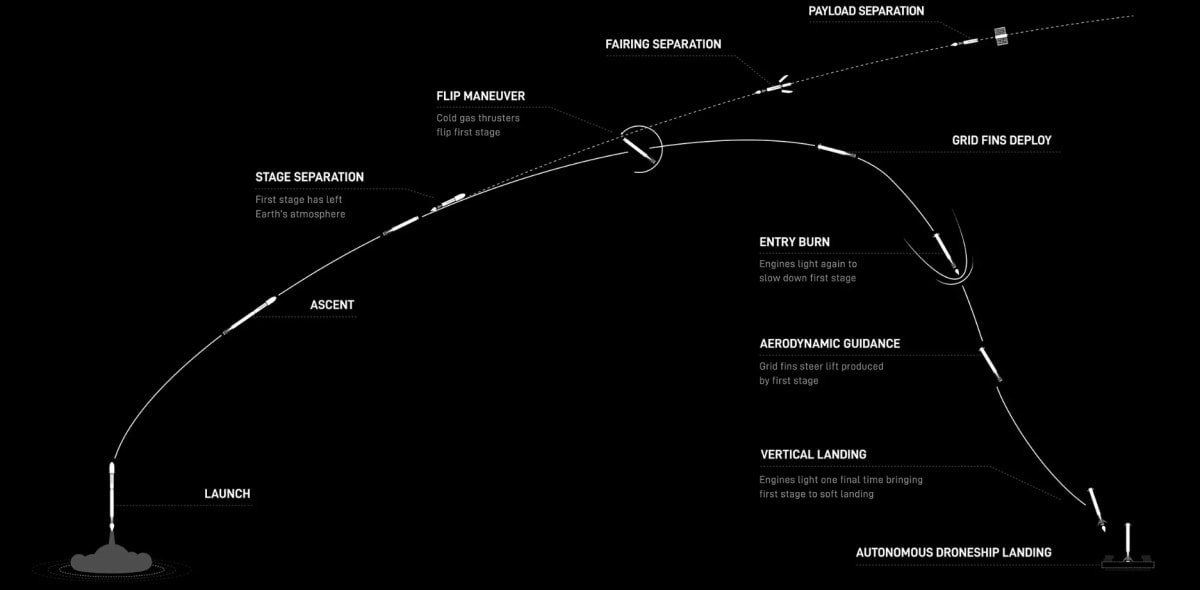
From the standpoint of safety, this is also the first nuclear-powered mission to be given the go-ahead by the Federal Aviation Administration under National Security Presidential Memorandum-20, which was issued in 2019. City Labs' tritium-based power systems operate at extremely low radiation levels and are engineered for safe handling, transportation, and integration within standard commercial launch environments like the SpaceX Falcon 9 rocket. For context, tritium is a radioactive isotope of hydrogen.
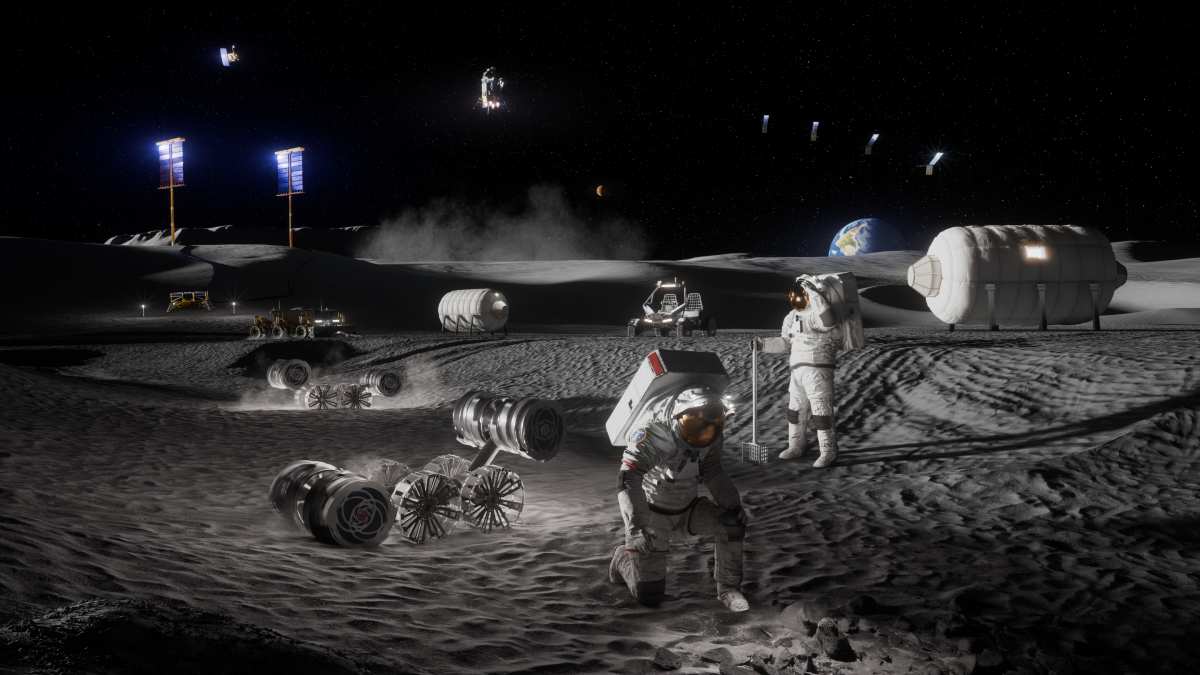
City Labs has positioned BOHR as the "first commercial answer" to the challenge of designing sunlight-independent, long-duration missions beyond low-Earth orbit. In this context, the company also mentioned NASA's Artemis program, which is supposed to pave the way for the establishment of a Moon Base near the lunar South Pole. Some of the areas of interest in the region are either permanently shadowed or experience long periods of darkness, and so the base cannot rely on sunlight alone for power. There is no fossil fuel, wind, or flowing water on the Moon either. As a result, NASA is actively funding the development of nuclear reactor technology to ensure it doesn't give up on the Moon again.
More on Starlust
NASA unveils updated Moon Base plans featuring landers, rover and drones—here's all you need to know
NASA and Department of Energy announce collaboration to develop lunar nuclear reactor