Can we use the Moon to deploy gravitational wave detectors? Chinese astronomers have proposed a plan
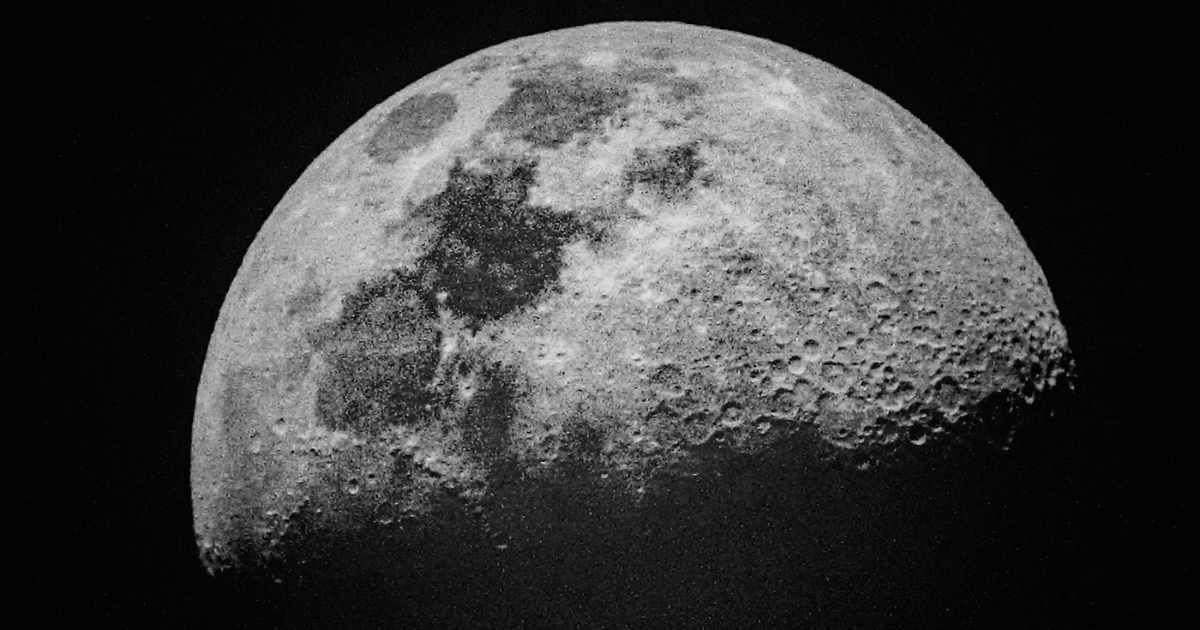
A research team at the Chinese Academy of Sciences and Peking University has conceived of a model that suggests that the Moon could be used to detect gravitational waves, tiny ripples in space-time that emanate from colliding black holes and neutron stars lying billions of light-years away. While passing through the Moon, the waves cause the Moon to expand and contract by an unimaginably tiny amount. These tiny deformations create faint seismic vibrations that can be detected. The researchers proposed such a possibility in a paper published in Physical Review Letters.
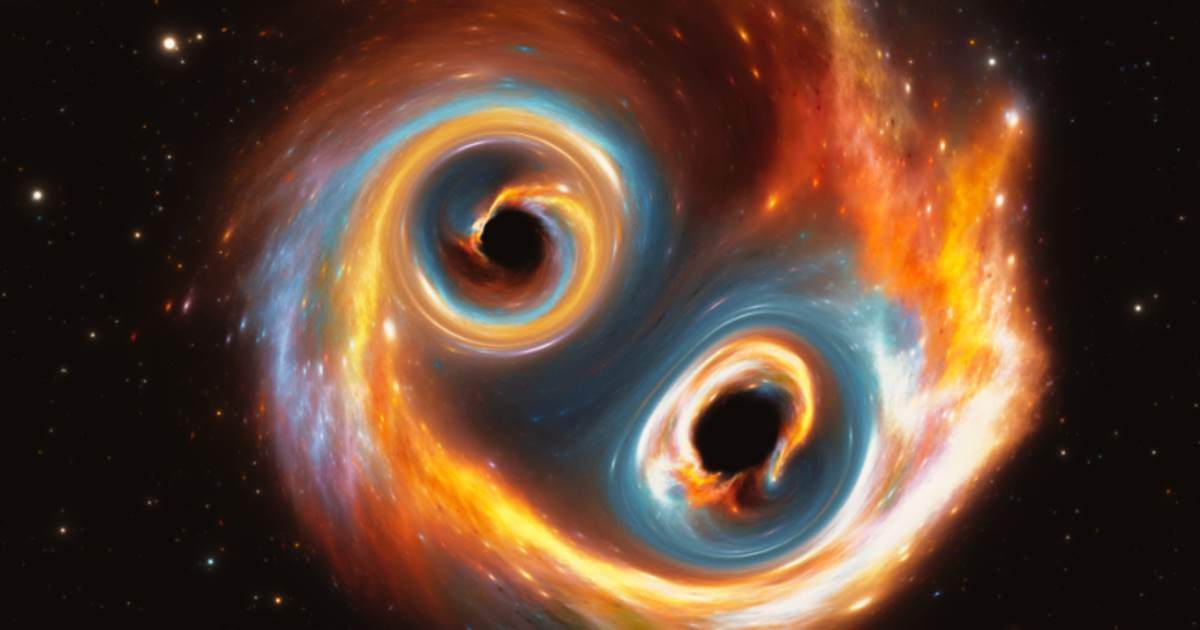
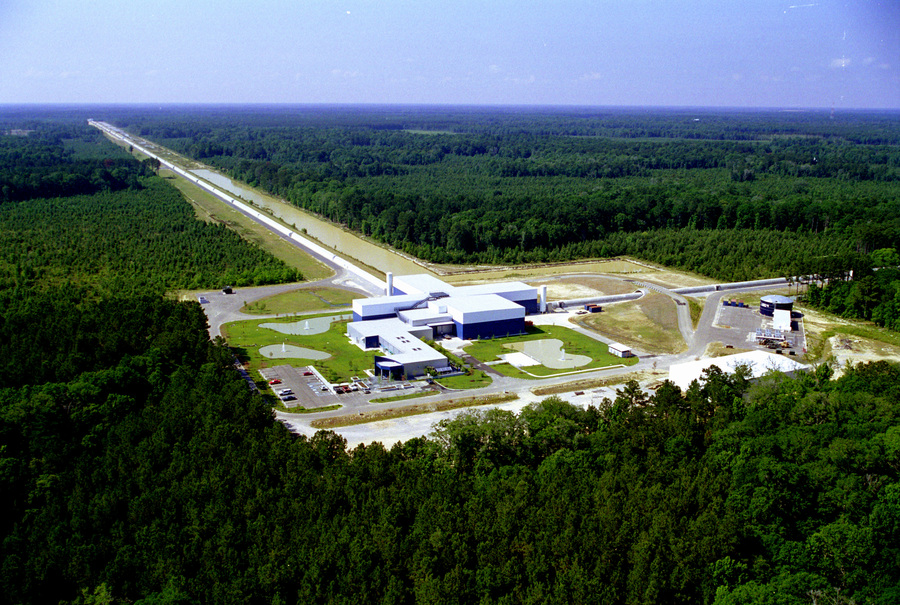
Earth has several gravitational wave observatories that are highly sensitive to tiny changes that could signal the passing of gravitational waves. But they cannot detect all frequency ranges. To fill this gap, the Chinese team wants to use the Moon to amplify the waves with frequencies between 0.01 and 1 hertz (Hz), a range that is beyond the reach of existing gravitational wave detectors such as LIGO. The researchers have proposed treating the Moon like a gigantic version of a Weber bar, an early type of gravitational wave detector invented by physicist Joseph Weber. Instead of a metal cylinder vibrating, the entire Moon becomes the detector.
To exploit the Earth’s natural satellite this way, the researchers needed to create a realistic model of its interior. Previous lunar models indicated that the Moon is smooth and a perfect sphere. But growing evidence shows that the lunar surface is rugged, pockmarked with craters, small mountains, and uneven crust. "During our early discussions, I realized that all existing analyses of the seismic response to gravitational waves are based on ideal lunar models, without considering the effects of topographic variations and the strong lateral heterogeneity of the Moon," Jinhai Zhang, co-author of the paper, told Phys.org.
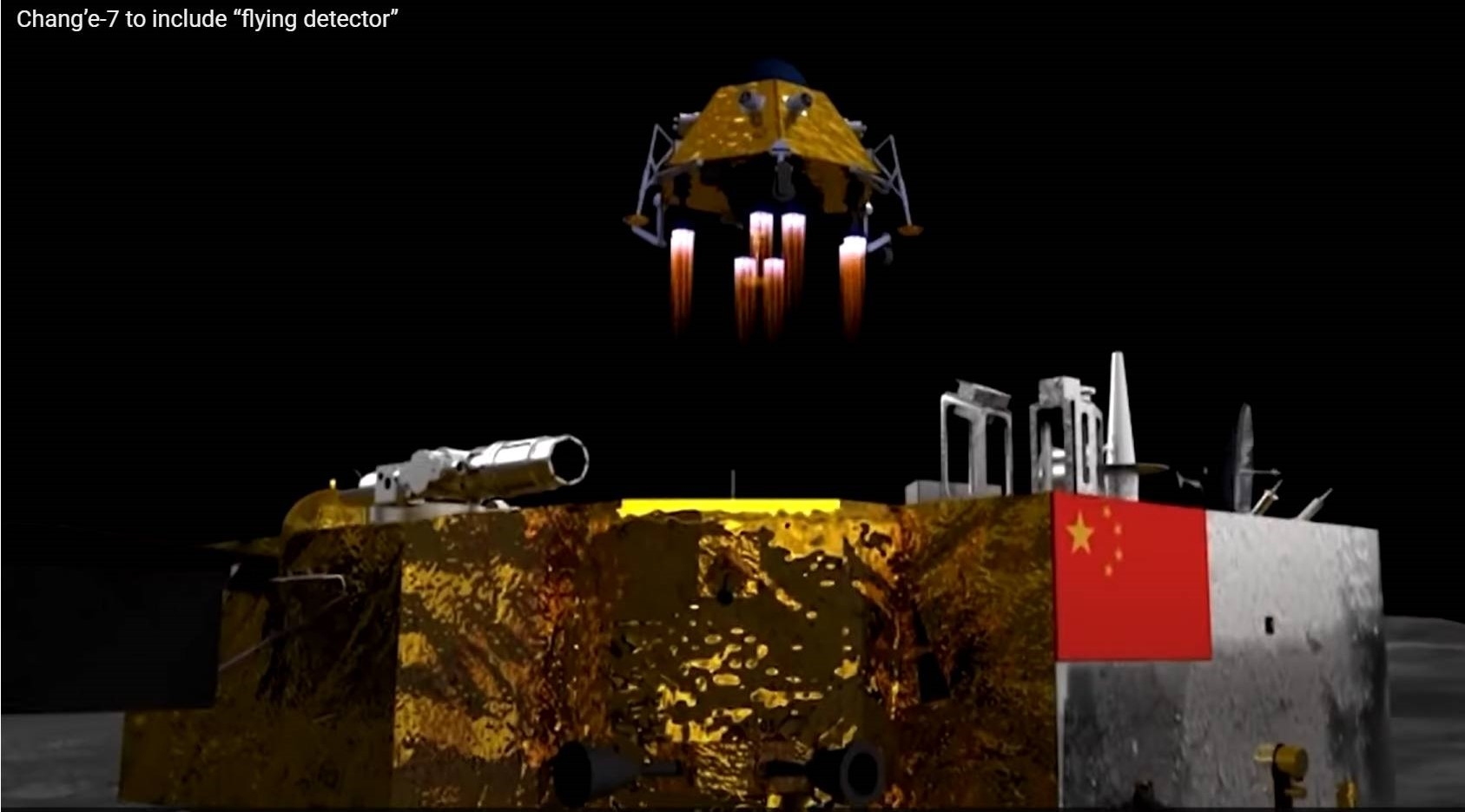
To use the Moon as a Weber bar, Zhang and his colleagues developed the most realistic lunar model, which can be used to predict the response of gravitational waves. “Specifically, our model includes the moon's rugged surface topography and, most importantly, the strong variations in crustal thickness across the lunar surface," said Zhang. The model helped them identify the specific locations on the Moon that would respond to gravitational waves. This, in turn, could help them select a landing site for the Chang'e-7 mission that would install the first broadband lunar seismometer near the lunar south pole in the fall of 2026.
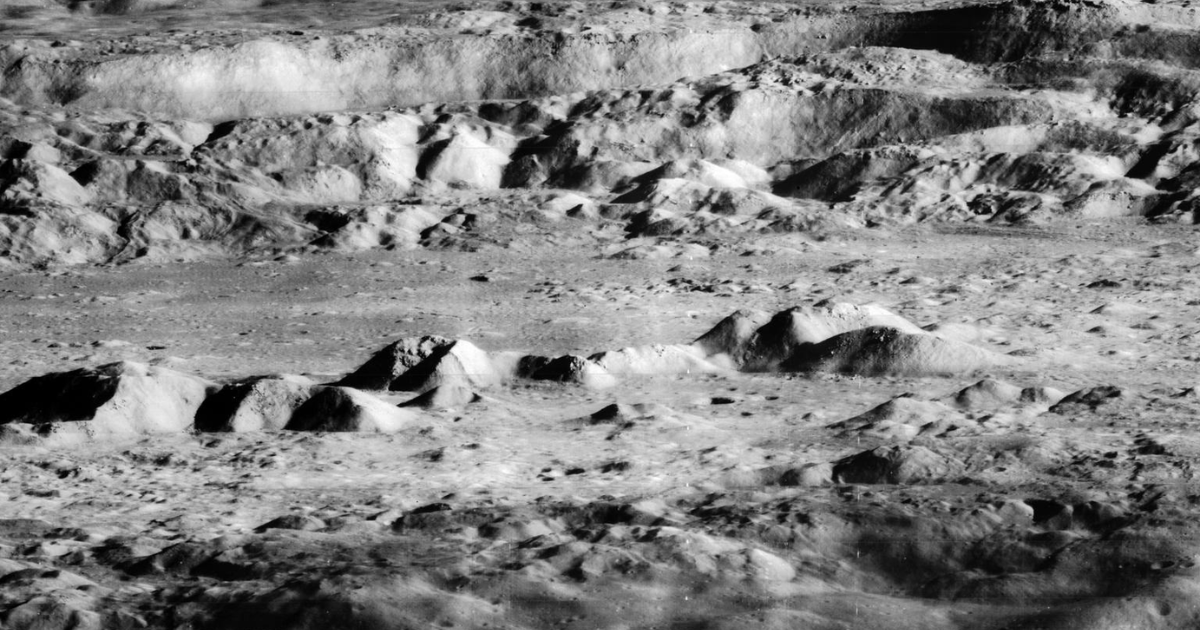
Based on the model, the researchers carried out further analyses that reveal that the lunar regions with a thicker outermost layer will amplify gravitational wave signals by as much as 10%. At these places, signals with frequencies of around 0.1Hz could be amplified by a factor of 10, which could be detected using specially designed instruments. The work by Zhang and his peers could be helpful in guiding the future missions of designing and deploying gravitational wave detectors on the Moon. The researchers think that if those detectors are placed at specific spots on a thicker crust, they could pick up signals that have not been detected yet, unravelling mysteries of many cosmological events.
More on Starlust:
Gravitational waves may finally reveal how fast the universe is expanding
Scientists have found a new method to detect elusive supermassive black hole binaries