ESA’s Plato, set to hunt Earth-like exoplanets, is now ready for launch after acing final tests
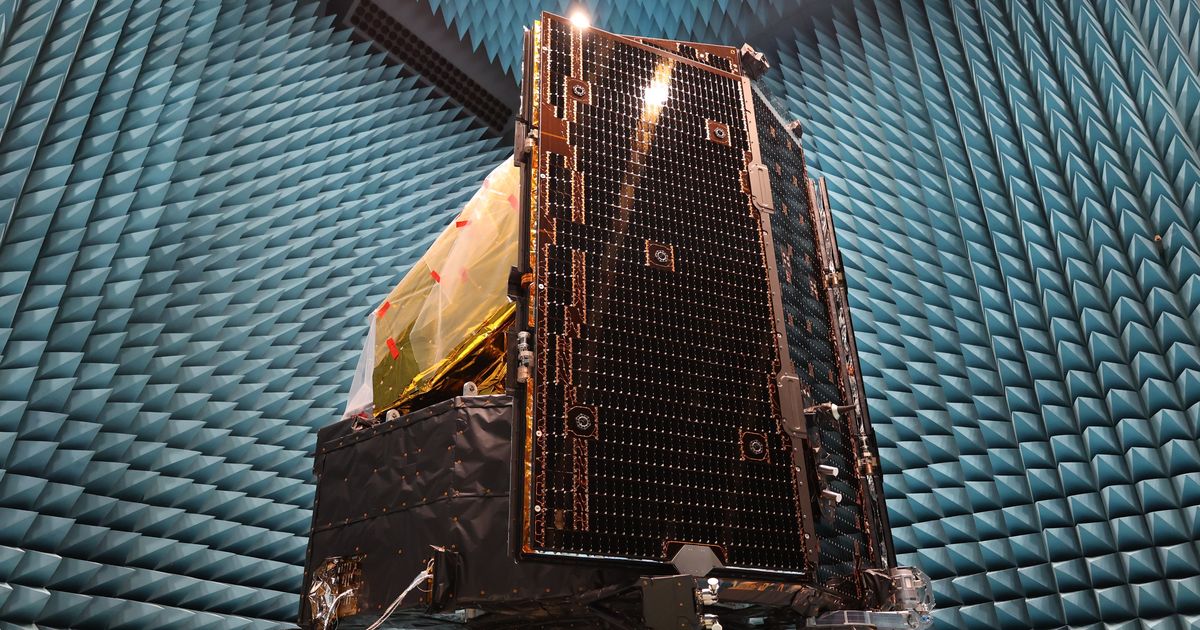
The European Space Agency (ESA) announced Wednesday that its exoplanet-hunting Plato telescope has passed its last major test and is now ready for launch next year. The spacecraft underwent the final leg of testing in the Maxwell Test Chamber at the European Space Research and Technology Centre (ESTEC) in Noordwijk, the Netherlands, to validate that its electronic systems were electromagnetically compatible. Malfunctioning instruments in space could jeopardize the entire mission, so engineers ensure that they work properly in simulated space environments before launching them aboard a spacecraft.
Ready for launch. ✅
— European Space Agency (@esa) July 22, 2026
Our exoplanet hunter Plato has just passed its final major spacecraft test. Launching on Ariane 6 in 2027, it will search for Earth-like worlds around Sun-like stars and help us understand how common potentially habitable planets are in our Galaxy.… pic.twitter.com/sSGqIo3Nyk
The Maxwell test chamber is lined with foam spikes that absorb electrical signals and sounds to mimic the vacuum of space. "Once the chamber was sealed closed, engineers remotely switched on and commanded Plato’s electronic equipment. They ran a series of tests to ensure that the spacecraft’s complex instruments and modules did not interfere with each other or with the communication systems, creating unwanted 'crosstalk,'" ESA said in a statement.
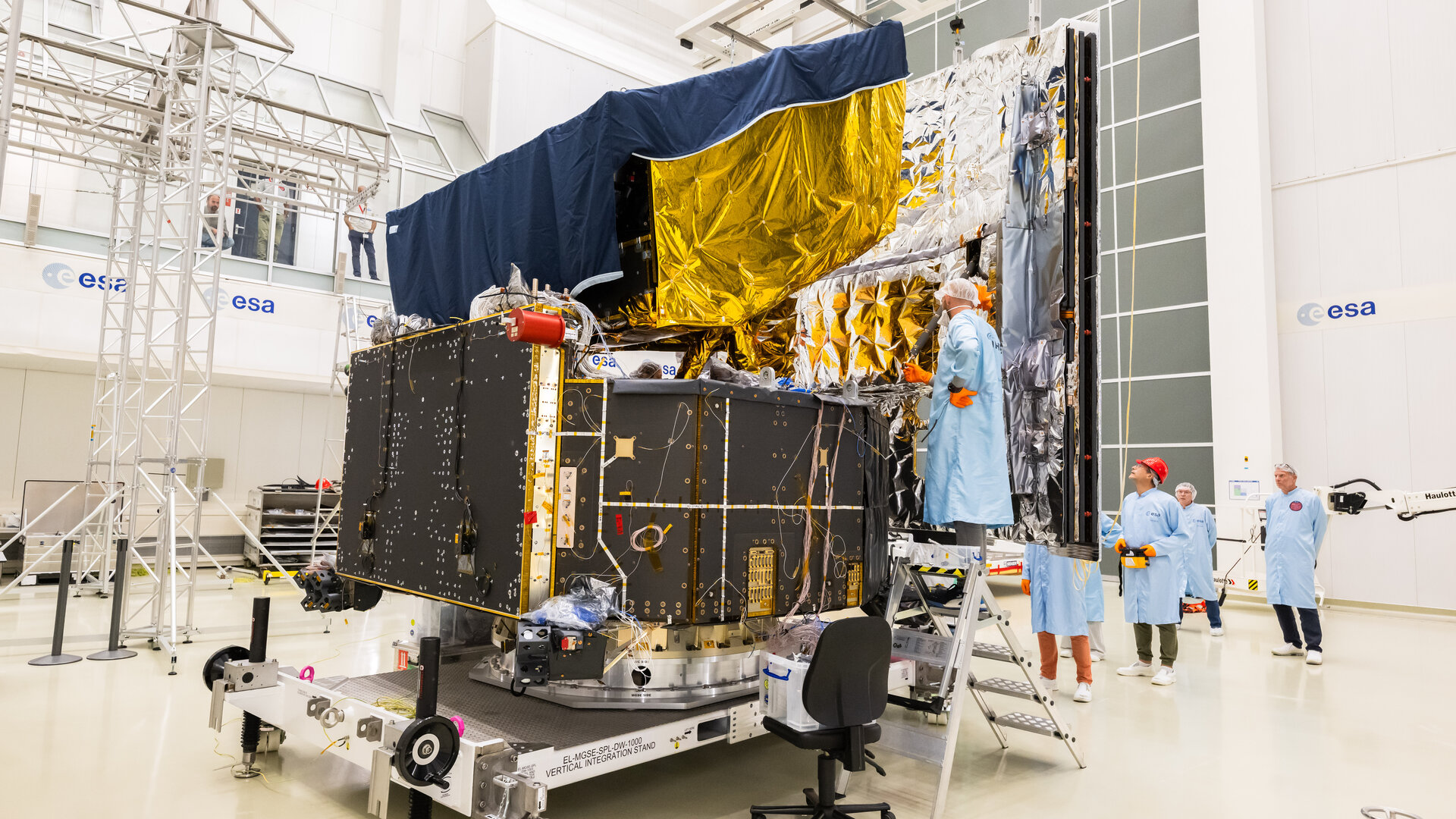
It further said that the compatibility box is checked and Plato has passed all major hurdles, including vibration and acoustic tests, to make it durable enough to withstand a rocket launch. The spacecraft will launch atop an Ariane 6 rocket, and liftoff is targeted in March 2027.
What will Plato do in space?
The mission Plato stands for PLAnetary Transits and Oscillations of stars, and it is designed to study Earth-like exoplanets in the habitable zone—the location where liquid water could exist on the surface—around their Sun-like stars. ESA says it will also measure the sizes of exoplanets and discover exomoons and rings around them, along with characterizing the Sun-like stars by studying tiny light variations in the starlight that their planets receive.

Besides studying Earth-like rocky exoplanets, Plato will be tasked with cataloging hundreds of icy or giant planets as well by providing exquisite measurements of their radii, masses, and ages that could help astronomers better understand the formation and evolution of planetary systems, as well as the potential habitability of these worlds. Scientists also hope to study ‘starquakes’ in the imaged stars to gain more insight into their characteristics and evolution.
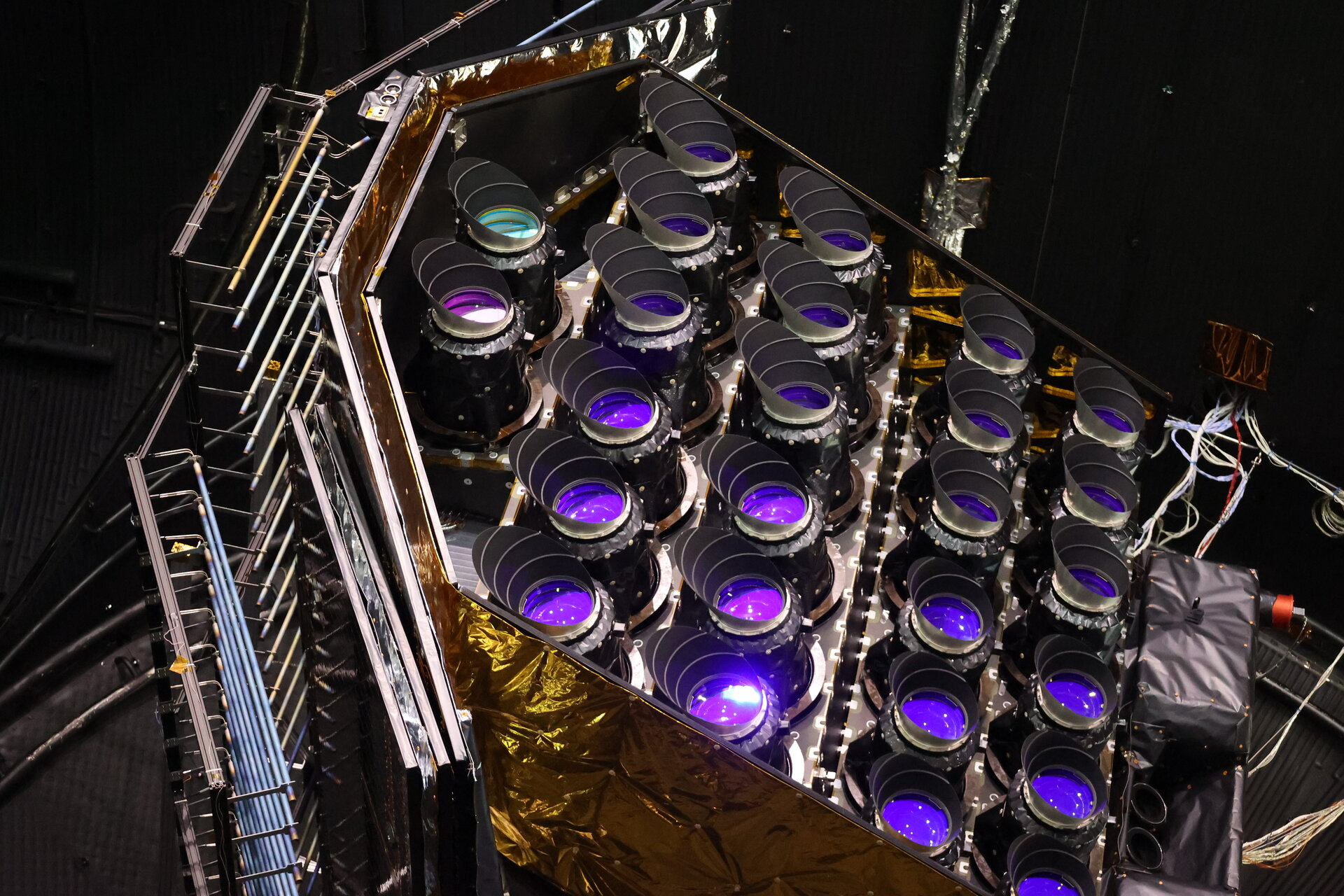
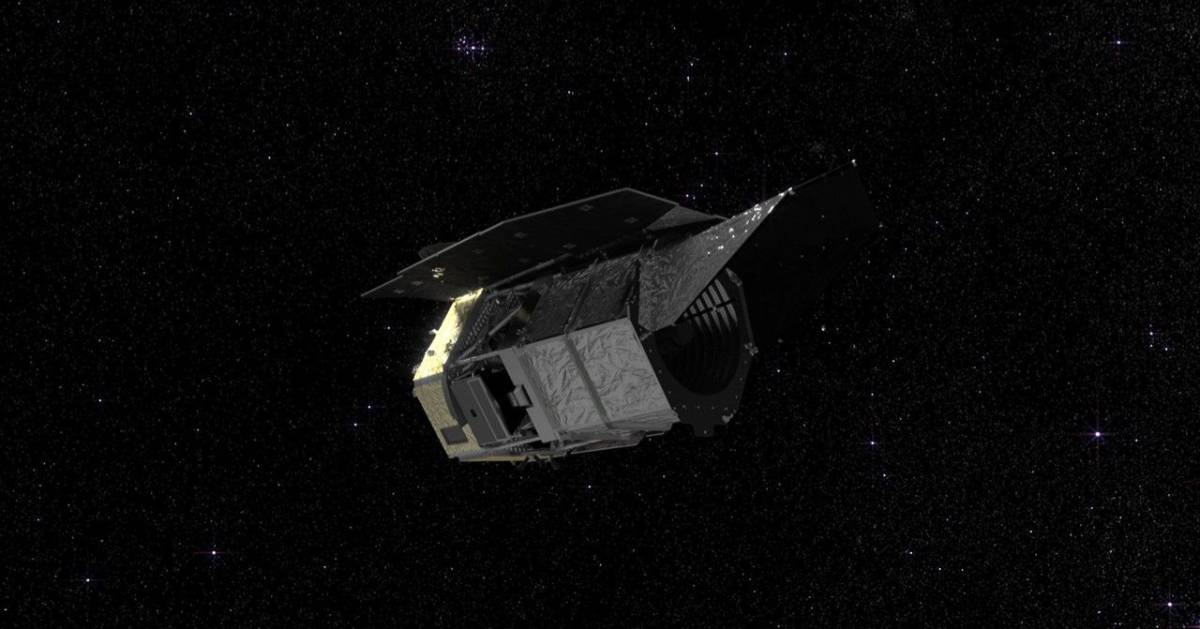
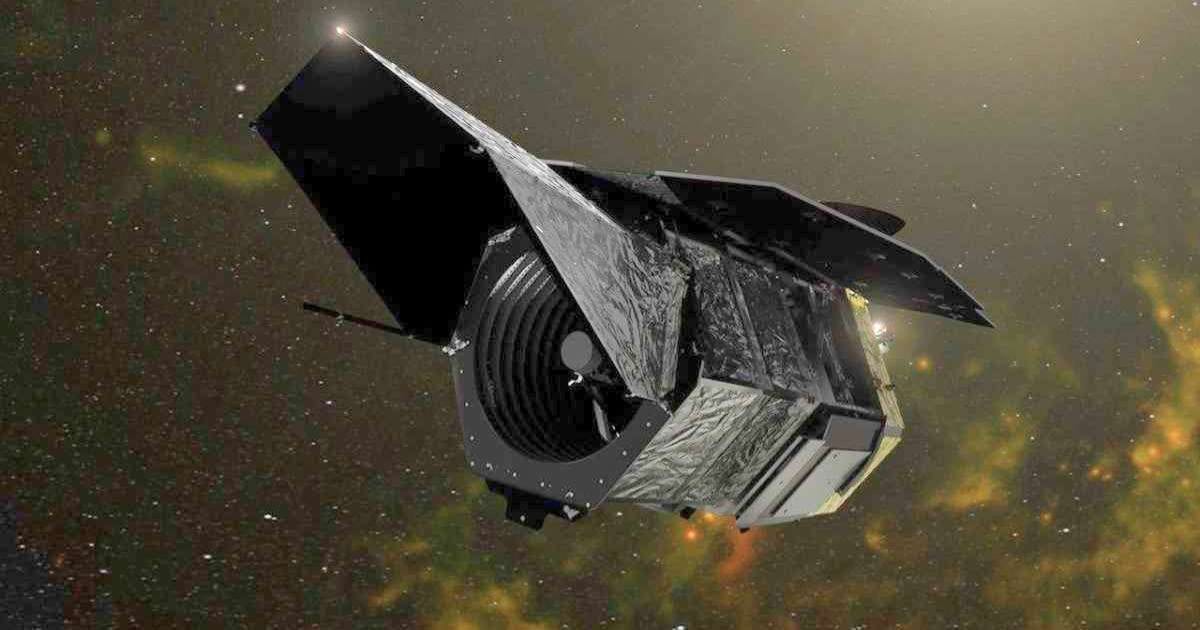
The Plato spacecraft has two main parts—the payload module, which hosts 26 cameras for astronomy, and a service module, which consists of a sunshield, propulsion system, communication system, thermal control system, attitude control system, and control and data management system. With a lifespan of four years, Plato will be deployed at the second Earth-Sun Lagrange point, or L2 (1.5 million km from Earth), in the direction opposite the Sun. The James Webb Space Telescope is also installed at the same location. Identifying targets for further investigation by the Webb telescope is also one of Plato’s objectives. When Plato’s observations begin, they will be complemented by data from the Gaia telescope and the Nancy Grace Roman Telescope, which is targeted for launch in August.
More on Starlust
Meet NASA's NEO Surveyor: A 'one-of-a-kind mission' designed to find the most dangerous asteroids
NASA's Habitable Worlds Observatory: 5 key features of the upcoming mission to search for alien life