NASA testing 'regenerative' battery that could help Artemis astronauts survive long nights on the Moon
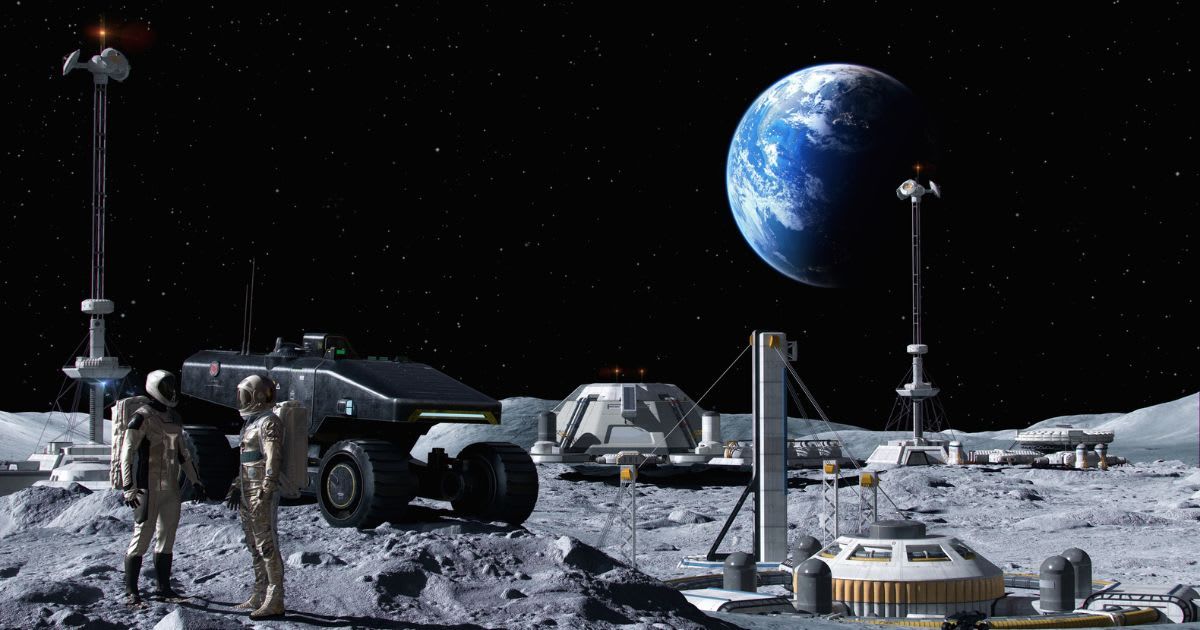
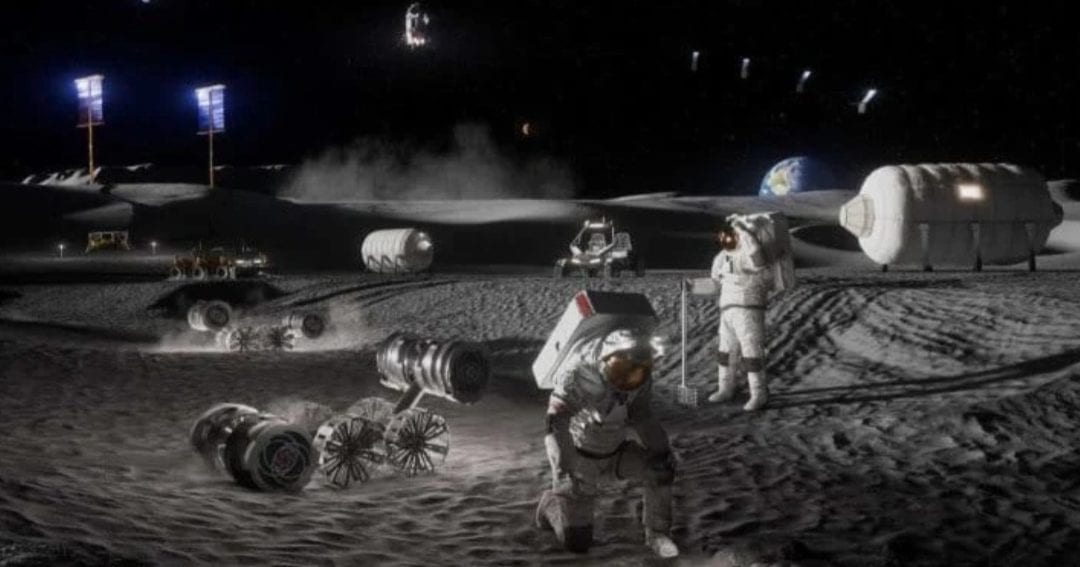
NASA engineers in Cleveland have taken a significant step toward solving one of the most basic problems of living on the Moon: keeping the power on during the two-week-long lunar nights. For the last five years, researchers at NASA's Glenn Research Center have been designing and building a technology called a regenerative fuel cell system. Now, for the first time, they are running the entire system together as one integrated unit as part of the Artemis program's push to return astronauts to the Moon and build a lasting human presence there.
This is how the system works: when power is needed, the system combines hydrogen and oxygen gas to produce water, heat, and electricity. During the recharge phase, using excess power generated by solar panels during the 'day time' on the Moon, the system splits the water back into hydrogen and oxygen, which get stored and fed back into the next cycle. Water, thus, is at the core of the entire process, cycling back and forth between the two states depending on whether the system is generating power or recharging.
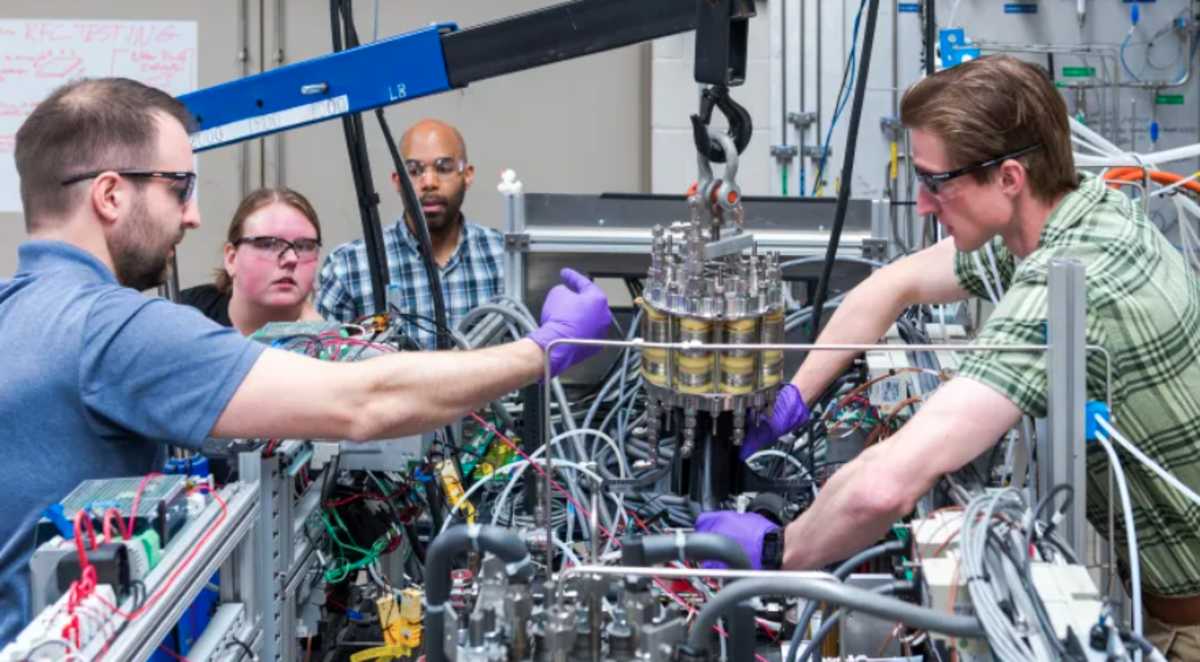
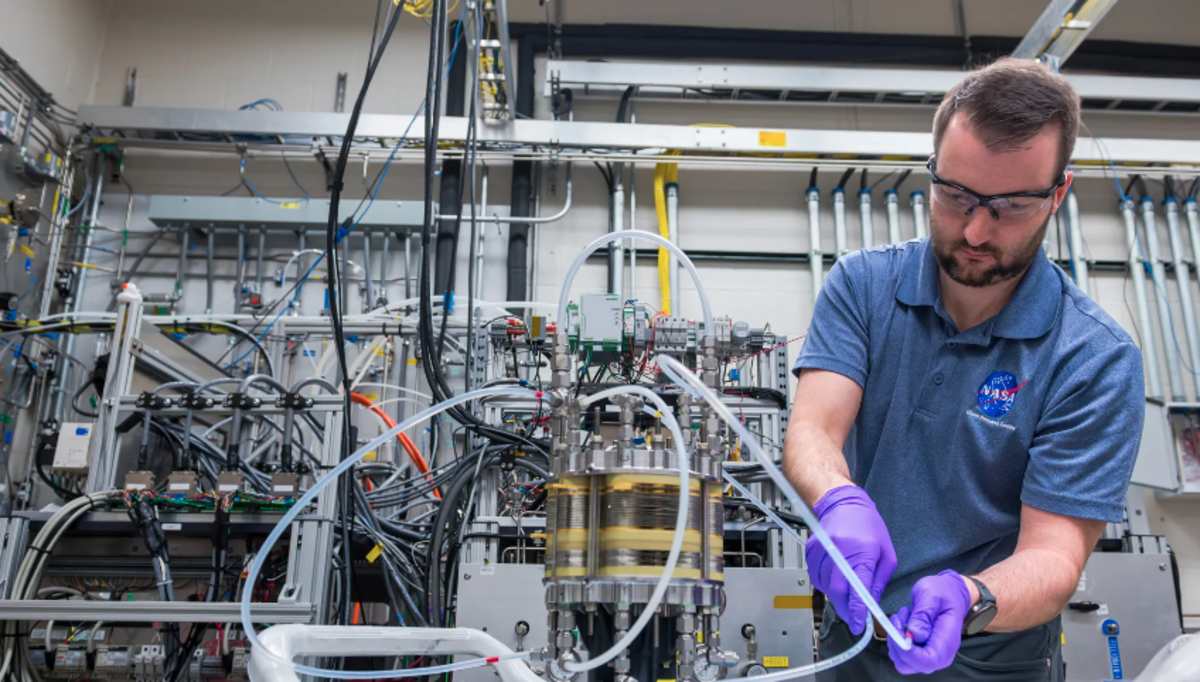
"It is an ideal technology for habitats, exploration with rovers, and many of the systems that are envisioned under Artemis," said Dr. Kerrigan Cain, lead engineer for the team at NASA’s Glenn Research Center. "Developing a sustainable, long-term human presence on the Moon requires power and energy storage solutions that fit those needs. Regenerative fuel cells fit into that puzzle perfectly," he added. As for its dimensions, the system is roughly the size of a sedan in length and width, and as tall as a person. Given its rather large size, getting it into place, required four researchers and a small crane to hoist the fuel cell into a wheeled cart. Despite its size and complexity—the cell contains nearly 270 sensors and 1,000 components—the system still looks primitive, like a stack of soda cans surrounded by a tangle of wires and tubes. Yet, the researchers stand impressed. "It's a behemoth; it's a researcher's dream," Dr. Cain proudly said.
Why this works better
On Earth, nighttime lasts about 12 hours. However, on the Moon, a night stretches nearly two full Earth weeks. During these 14 days of freezing darkness, solar panels are of no use. Although space agencies, including NASA, have planned for and are actively developing nuclear reactors suited to functioning on the lunar surface for future bases, deploying these heavy systems is a logistically complex affair. While standard batteries can also work, they are bulky for the amount of power they store, and eventually run out if not supplemented by backup power.
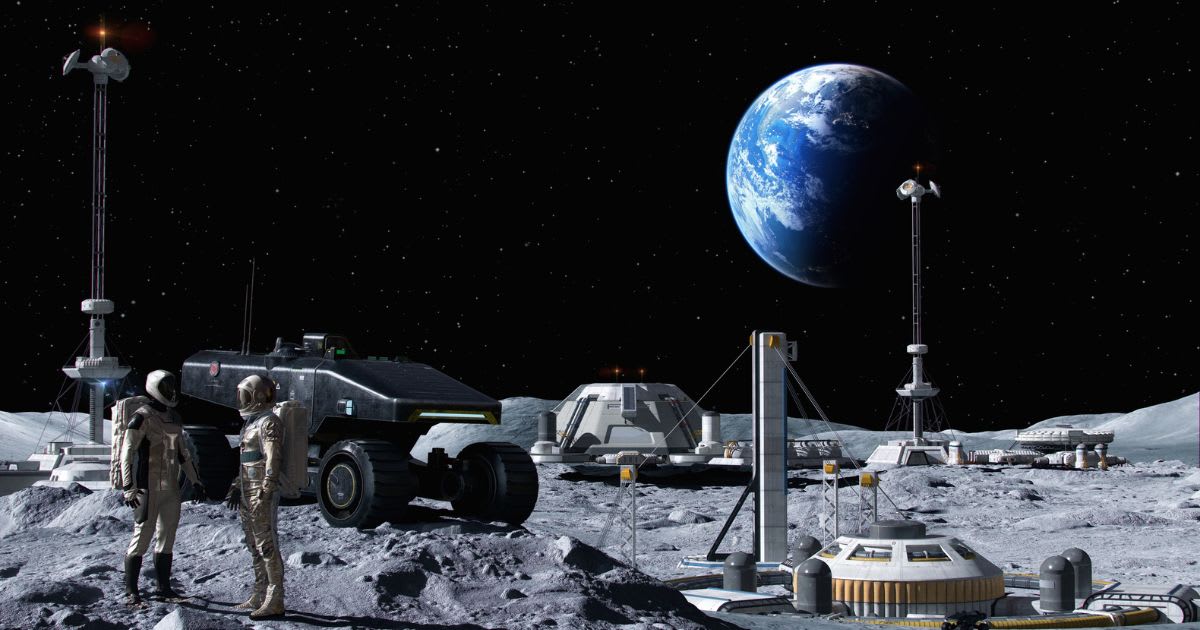
In comparison, a regenerative fuel cell weighs less than comparable battery systems while storing the same amount of energy. Additionally, it can keep running through the lunar night because it replenishes itself rather than drawing down a fixed reserve. This means no supply deliveries are needed from Earth to keep it going. It is also flexible enough to serve more than one purpose on a Moon mission, whether that is powering a habitat or running any number of other systems astronauts would depend on.
Where the testing stands
In 2025, the research team carried out initial tests to understand the basics of how the system behaves and made necessary modifications. Currently, they are operating the full system and, for the first time, storing the hydrogen and oxygen gas that the recharge process generates. During this process, researchers seal the heavy double doors to the test cell inside Glenn's Fuel Cell Testing Laboratory, move to a nearby control room, and start the system remotely. Once it is running, the system can work on its own without human intervention.
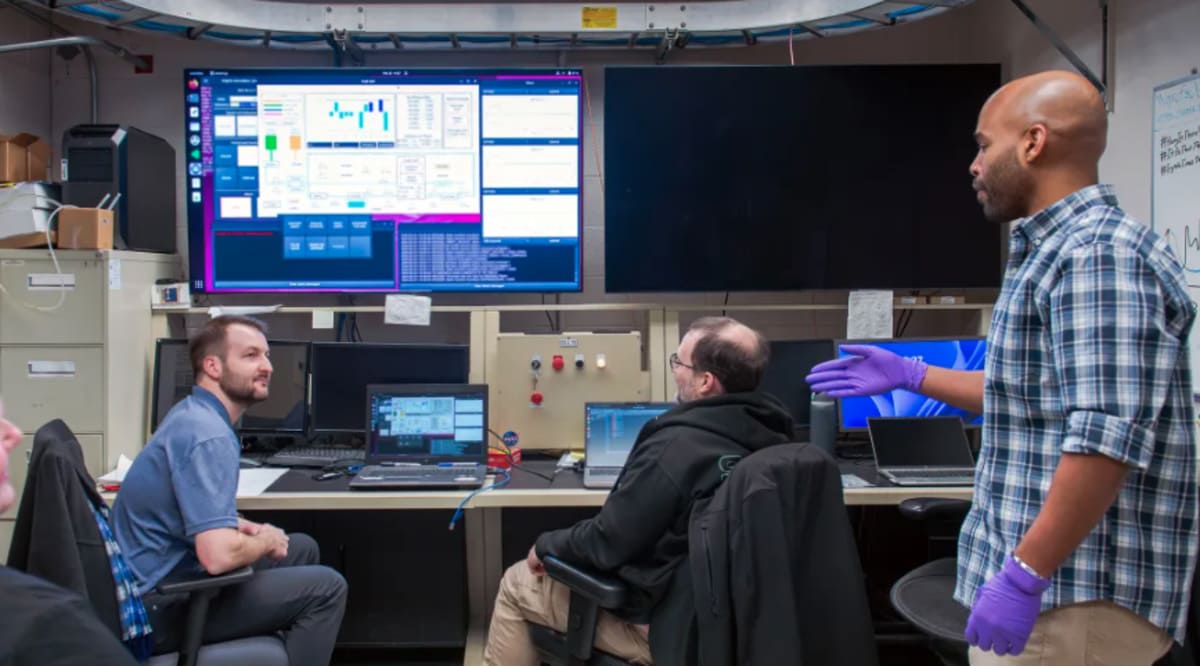
"This testing is going to generate crucial data, so every day is exciting," Dr Cain said, adding, "This effort was made possible by countless hours of work. The desire for fuel cell technology is so high, it makes it very easy to get up every morning and go, 'All right, we have to keep moving forward so that we can be ready for Artemis.'"
What comes after the lab
Once current testing wraps up, the team plans to take the system outside of controlled conditions and test it under circumstances that more closely match the actual lunar surface. This includes harsher temperatures and different pressures that a lab cannot fully recreate. As Cain noted, "We want to simulate being on the lunar surface and prove the system can work under much harsher conditions compared to a controlled laboratory environment.”
The project is funded through NASA's Space Technology Mission Directorate under the Game Changing Development Program, managed at Langley Research Center in Virginia. If the technology proves out, it could shape how future Artemis missions and eventually crewed Mars missions handle energy storage far from Earth, where there is no option to simply send more supplies. "Creating a sustainable presence on the Moon is a team effort requiring a lot of collaboration between NASA and industry," Cain added.
More on Starlust
How does a Moon Base help NASA’s future missions to Mars?
NASA unveils updated Moon Base plans featuring landers, rover and drones—here's all you need to know
Social interactions in deep space: How the human factor could affect success of NASA's Moon Base