Healthcare on the Moon and beyond—how NASA is preparing for medical emergencies in deep space
NASA is currently targeting early 2028 for its first Artemis mission to land astronauts on the Moon. But some scientists are raising questions about whether we're truly ready for sustained lunar missions. Dr. Farhan M. Asrar, Associate Dean of Clinical Faculty Relations at Toronto Metropolitan University's School of Medicine, is one of the researchers examining these challenges. His research focuses on space medicine and what extended spaceflight does to the human body. In his recent writing, he raised a specific concern: "Is a confined living environment psychologically sustainable if future missions last several months?" Asrar further shared that the physical and psychological toll of extended spaceflight poses risks we haven't fully solved.
The challenge
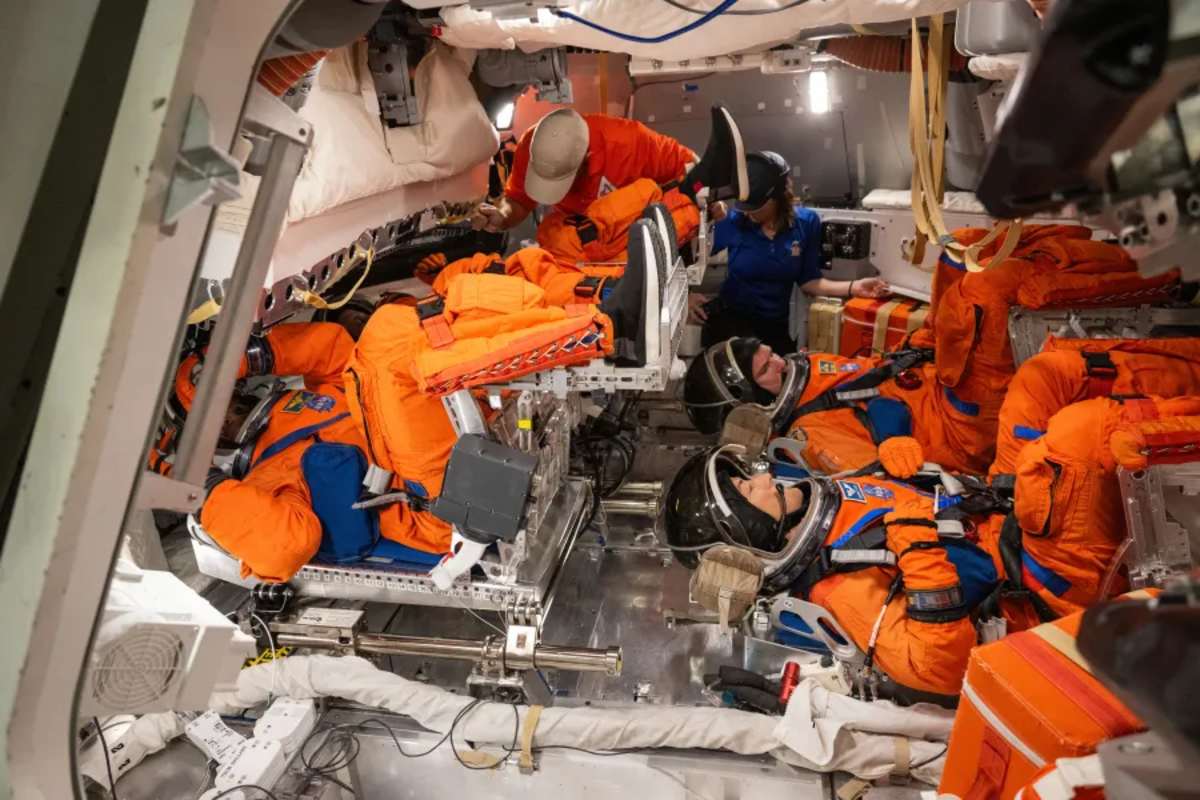
NASA's Artemis II mission concluded in early April 2026, after four astronauts spent approximately 10 days aboard the Orion spacecraft flying around the Moon before returning to Earth. But at one point during the flight, Orion passed behind the Moon, which cut communication with Earth entirely. For about 40 minutes, mission controllers could not contact the crew, and the crew could not reach anyone on the ground. The loss of signal was expected. But for Dr. Farhan M. Asrar, it raised a critical question: “What if there is a medical emergency during the 40-minute communications blackout when Orion passes behind the far side of the moon?”
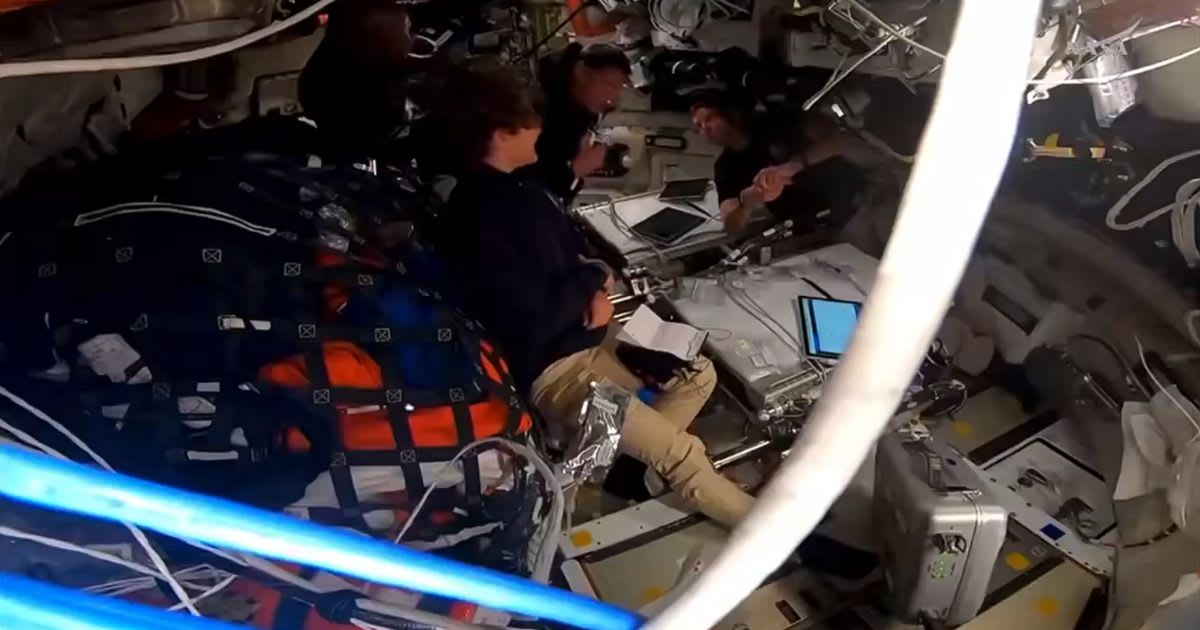
Adding to this, he said, "My previous research has highlighted how the environment of space itself can be disabling, and virtually every system within the human body is affected by the extremes of space flight." In space, astronauts can face several health issues, including bone density loss, immune system failures, and muscle atrophy. Add the months of isolation in a confined spacecraft during longer lunar missions, and they can face psychological stress too. Further, in situations of communication delays with Earth, the crew has to manage medical emergencies completely alone, as ground doctors cannot provide real-time guidance.
What NASA is building
Through its Exploration Medical Capability (ExMC) Element, part of the Human Research Program, the agency is working on addressing these challenges. The US space agency is developing Earth-Independent Medical Operations (EIMO), a new operational framework designed to allow crews in deep space to function autonomously. Future astronauts may need the skills and tools to handle everything from diagnosis to treatment on their own. This is important for deep space missions where real-time communication with Mission Control is not possible. According to NASA's official documentation, "Deep space exploration will require a paradigm shift in astronaut medical support toward progressively Earth-Independent Medical Operations. Currently, astronauts rely on real-time communication with ground-based medical providers. However, as the distance from Earth increases, so do communication delays and disruptions."
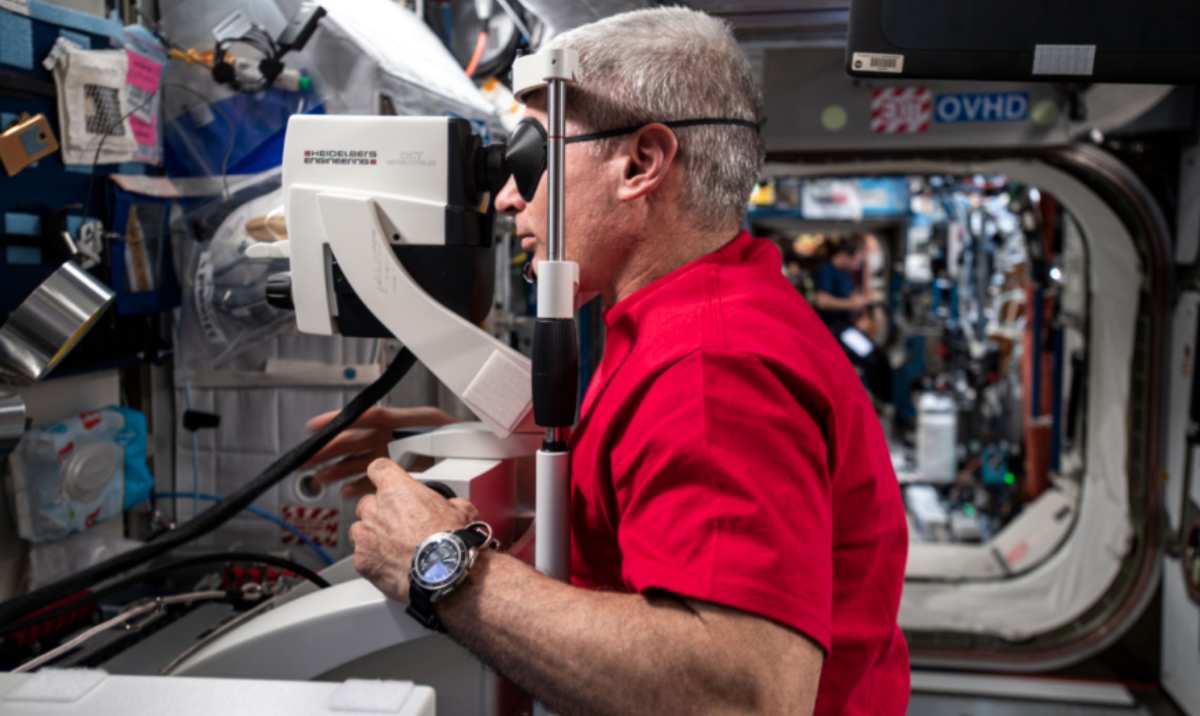
Part of EIMO framework is an AI-powered Clinical Decision Support System (CDSS). If successful, the system could give astronauts support when dealing with medical emergencies. However, researchers say some issues cannot be solved by software alone. Certain medical supplies, including IV fluids, may not last long enough for a trip to Mars. For this, NASA has already developed and launched a system called IVGEN Mini to the ISS, which produces medical-grade IV fluid from spacecraft water on demand. Researchers are also investigating ways to cultivate fresh, nutritionally dense foods in space environments. There are also open questions about kidney health during prolonged deep-space travel, a serious concern that NASA's medical teams are actively researching.
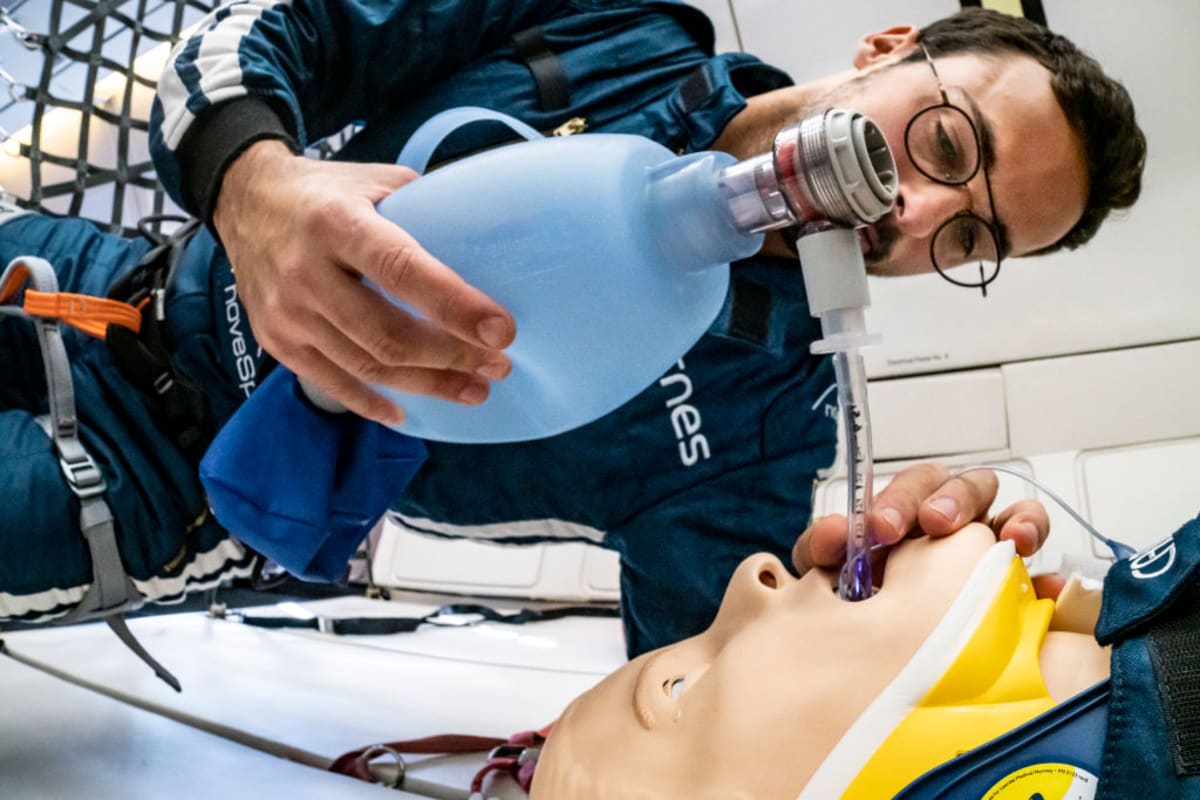
Dr. Asrar emphasized that humanity will need deep space medical systems that are self-sustaining, robust, and functional with minimal maintenance. "As humanity prepares for its next mission to the Moon and eventually onward to Mars, we need to consider how to evolve healthcare delivery beyond Earth," Dr. Asrar said. EIMO is an early step in that direction. But the path to self-sufficient medical care in deep space is still long, and the honest answer to whether we're ready right now is: not quite yet.
More on Starlust
Scientist have found a new cheap route to the Moon—and it could have solved a major Artemis II issue
NASA releases over 12,000 images taken during Artemis II mission—here's all you need to know