Artemis III mission revised outline: NASA takes its call on ICPS, major questions still unanswered
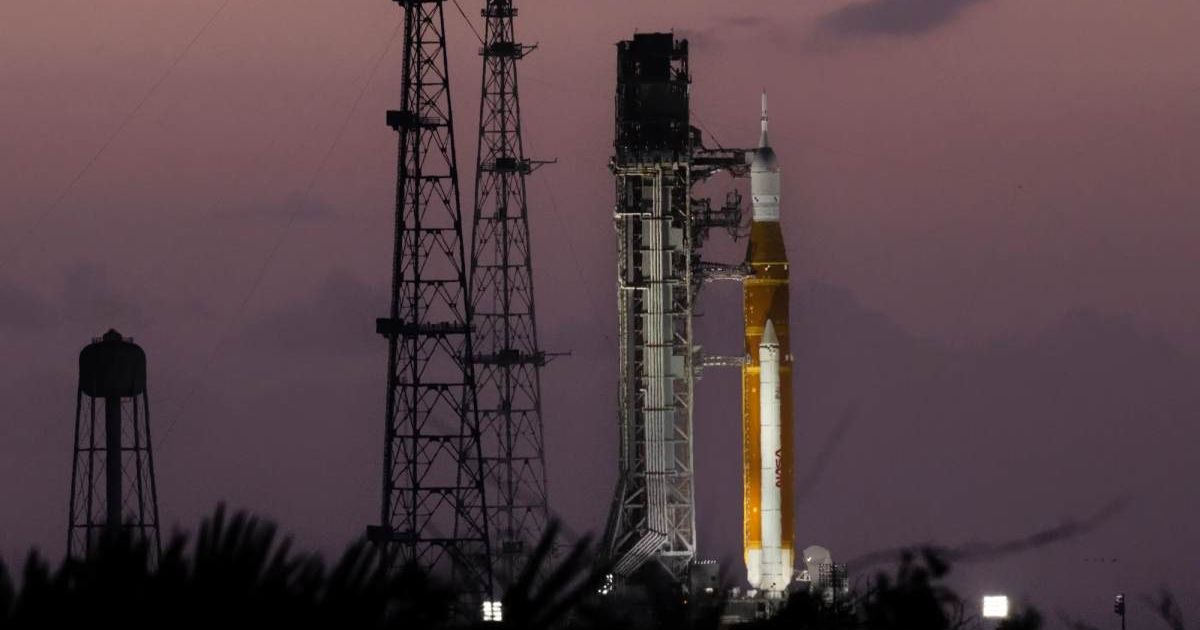
NASA has finally released an update on the Artemis III mission profile. And while it is not the most detailed, given that engineers are still trying to evaluate and refine their plans, it does provide a rough outline of what the mission could look like.
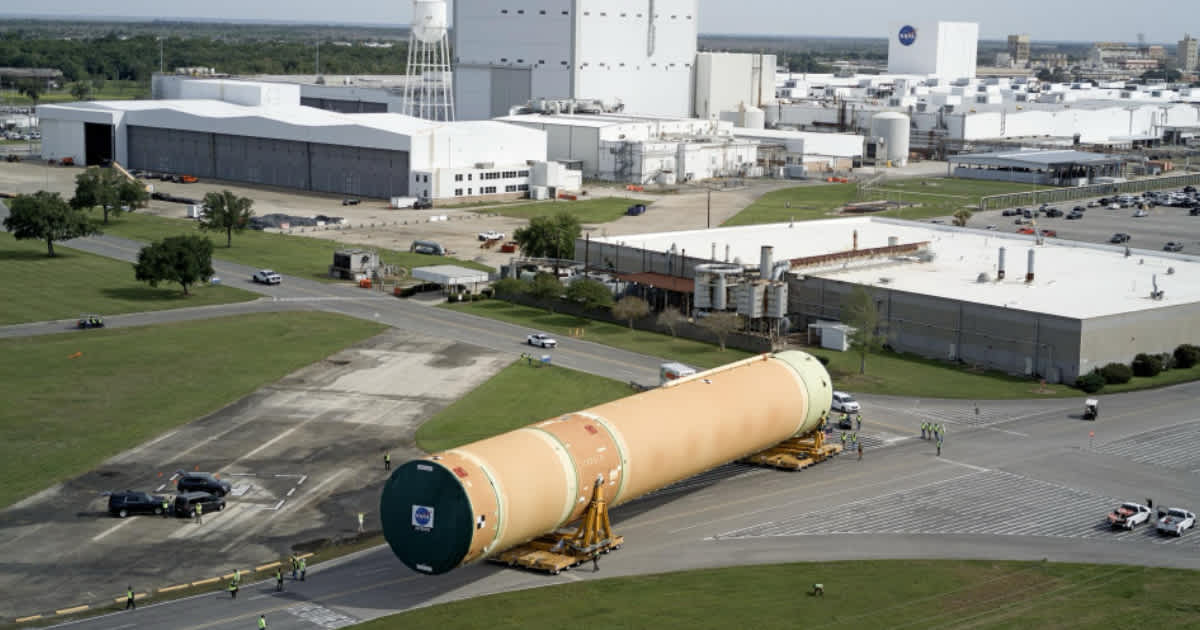
NASA announced back in February that it was overhauling the entire Artemis program. While the mission profile for Artemis II, which hadn't lifted off yet, remained unaltered, Artemis III was repackaged as a low-Earth orbit enterprise that would test integrated operations between Orion and one or both of the commercial lunar landers. But that doesn't necessarily mean that it is going to be a walk in the park. "While this is a mission to Earth orbit, it is an important stepping stone to successfully landing on the Moon with Artemis IV. Artemis III is one of the most highly complex missions NASA has undertaken," stated Jeremy Parsons, Moon to Mars acting assistant deputy administrator, NASA’s Exploration Systems Development Mission Directorate in Washington. "For the first time, NASA will coordinate a launch campaign involving multiple spacecraft integrating new capabilities into Artemis operations."
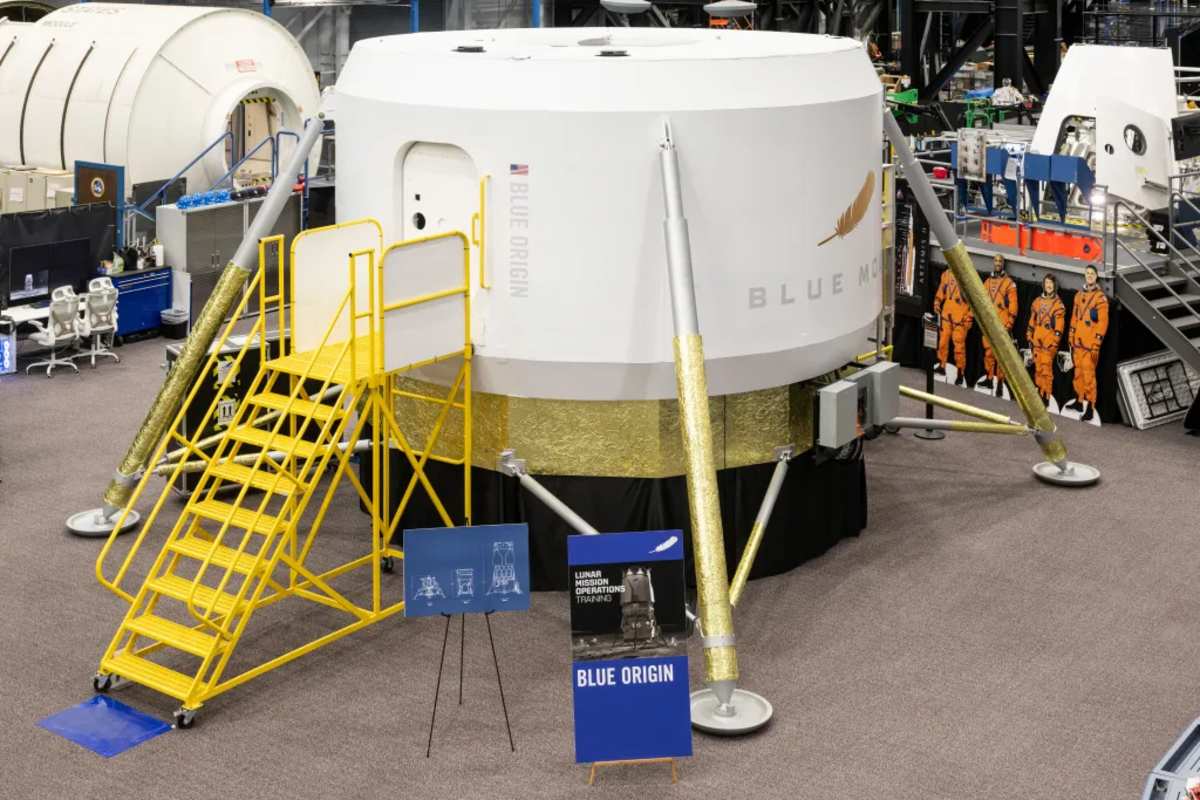
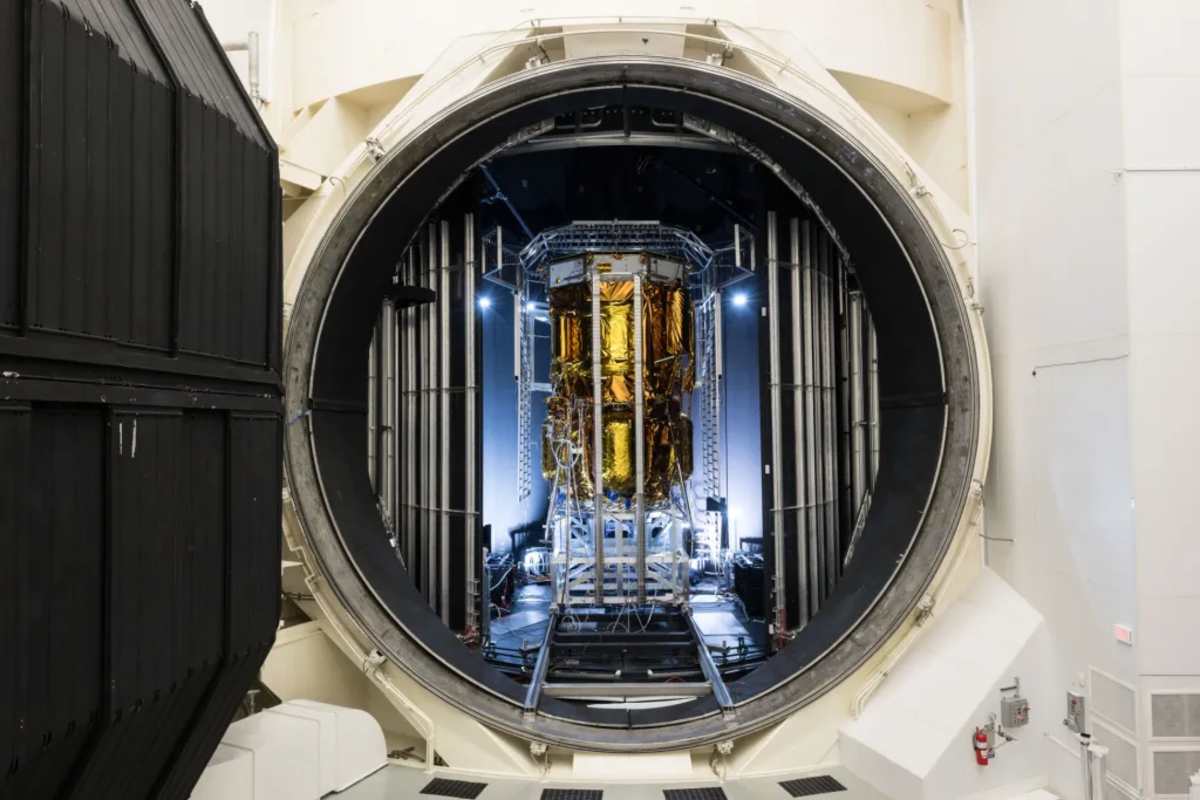
While a full-scale mock-up of the crew cabin of Blue Origin's lunar lander now sits inside NASA's Johnson Space Center for training and testing, the actual Blue Moon Mark 2 lander is still in development. In fact, it was only earlier this month that NASA announced that its predecessor, the uncrewed MK1, had completed environmental testing. SpaceX's HLS (Human Landing System) is also yet to go through a long-duration flight test and the in-space propellant refueling test. When these take place will depend on how the debut launch of the Starship V3 goes on May 19.
NASA, however, is still hoping for Orion to dock with both landers during the mission. "We’re integrating more partners and interrelated operations into this mission by design, which will help us learn how Orion, the crew, and ground teams all interact together with hardware and teams from both lander providers before we send astronauts to the Moon’s surface and build a Moon Base there," explained Parsons. That being said, whether the version of the landers that will fly during the mission will have life support capabilities is another question. "Informed by Blue Origin and SpaceX capabilities, NASA also is defining the concept of operations for the mission," the press release said. "While some decisions are yet to be determined, astronauts could potentially enter at least one lander test article."
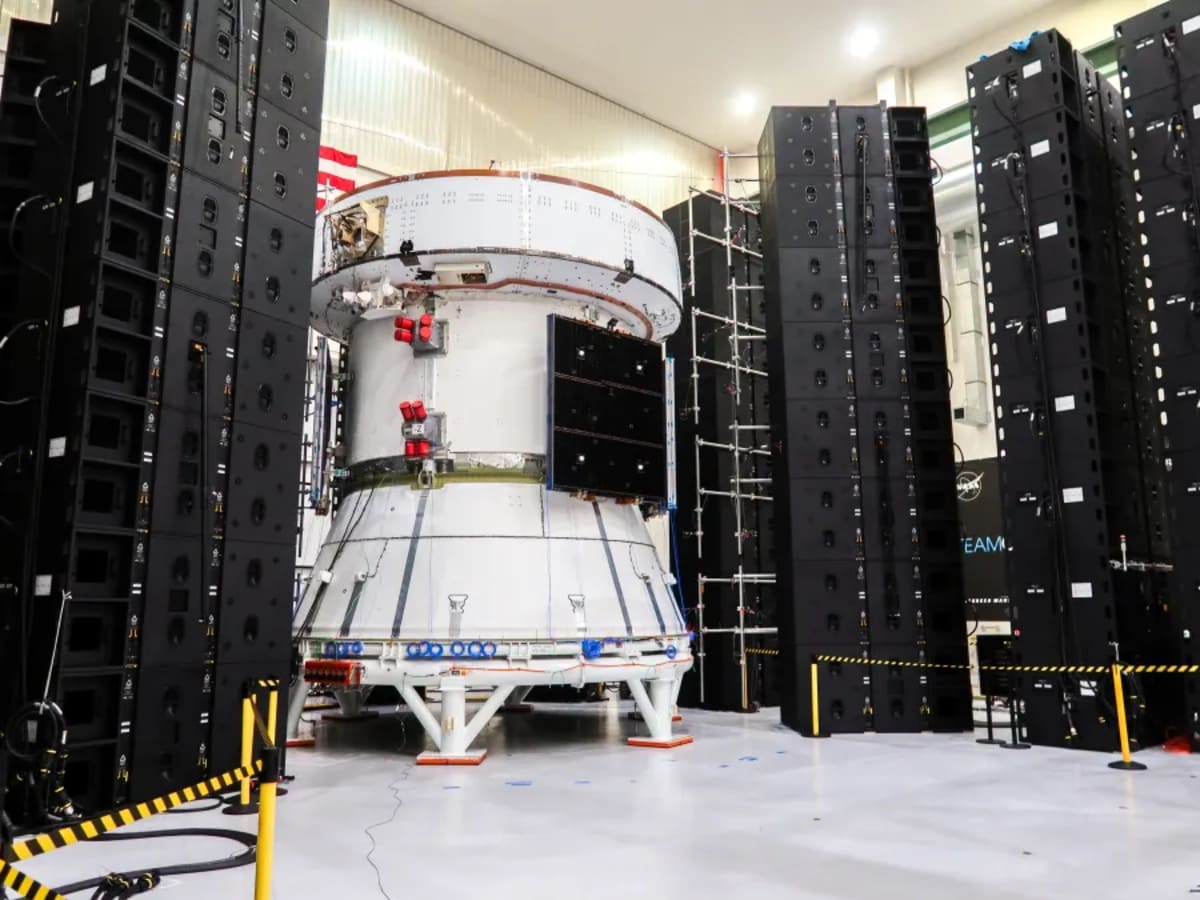
Either way, to allow more launch opportunities for the various elements of the mission, including the landers, the European service module will provide propulsion to circularize Orion’s orbit around the planet in low Earth orbit once the Space Launch System (SLS) rocket has done its job in delivering the spacecraft to the desired altitude. The yet-to-be-announced flight crew will, in fact, be spending more time in Orion than the Artemis II astronauts. The spacecraft may also come equipped with an upgraded heat shield for the mission so as to enable what NASA referred to as "more flexible and robust reentry profiles for future missions."

As far as the SLS rocket is concerned, NASA is ditching the interim cryogenic propulsion stage (ICPS) for the mission. In its place, the agency will use a "spacer," a sort of dummy upper stage with the same mass and dimensions of an actual one but without propulsive capabilities. The spacer is currently being designed at NASA's Marshall Space Flight Center in Huntsville, Alabama. As for the final ICPS, it could be used for the Artemis IV mission currently scheduled for early 2028.
The #AxEMU provides mobility never seen before. Building on the legacy of the Apollo-era spacesuits, the AxEMU is built to equip the Artemis III astronauts with better flexibility and increased safety, allowing further discovery on the lunar surface and exploration of the Moon’s… pic.twitter.com/TTGwt7Lfet
— Axiom Space (@Axiom_Space) January 22, 2026
NASA said that it is going to continue refining its plans for the flight. This includes a timeline for identifying the four-person flight crew, options to check out Axiom's AxEMU spacesuit lander interfaces, mission duration, and science objectives. Communications will need to be improved as well given that the mission will not be using the Deep Space Network. For this, the agency is seeking inputs from industry experts. Additionally, NASA has also expressed its intention to fly CubeSats to be deployed in Earth orbit, should international and domestic entities be interested. More updates are likely to come in the coming weeks.
More on Starlust
Artemis III SLS core stage arrives at Kennedy Space Center as Artemis II spacecraft undergoes study
NASA has adopted a 3-phase approach to establish a Moon Base: Here's what it looks like