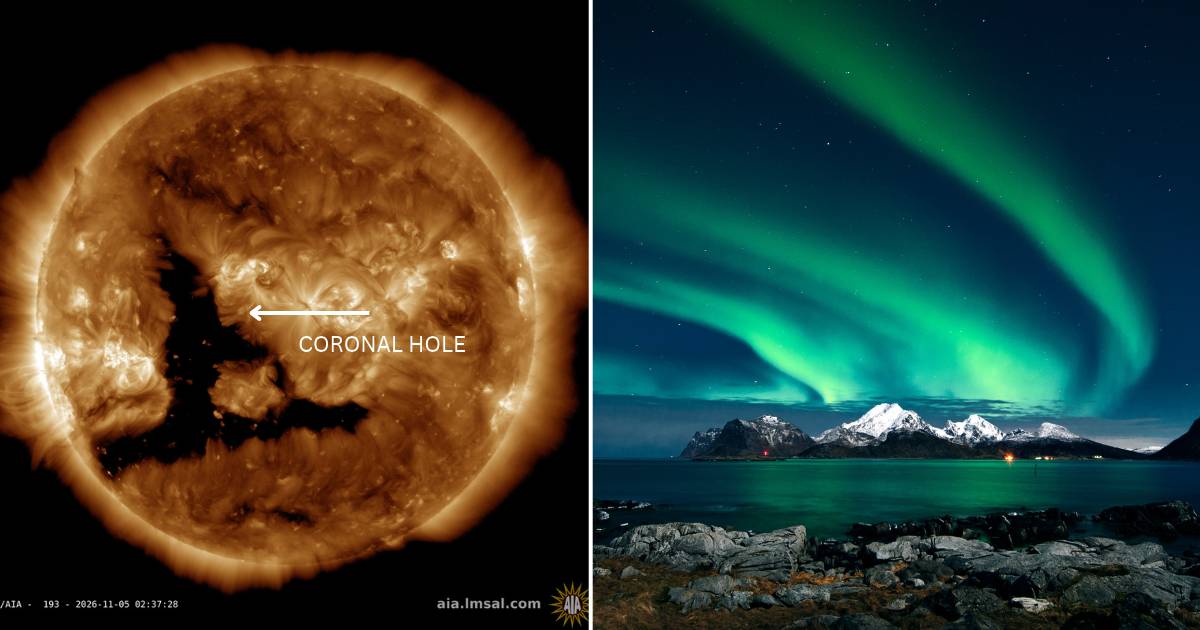
A close encounter between the Moon and Mars awaits skywatchers on November 30

After a bevy of events to engage stargazers, November is coming to an end with a celestial conjunction. On November 30, 2026, the Moon and Mars will appear close together during the pre-dawn hours, marking the last event skywatching event of the month. Alongside them, Jupiter and Regulus, the brightest star in the Leo constellation, will also be visible. However, the date will vary across regions, and some locations will be able to witness it on December 1, 2026. Below are the key details to help you plan your observations.
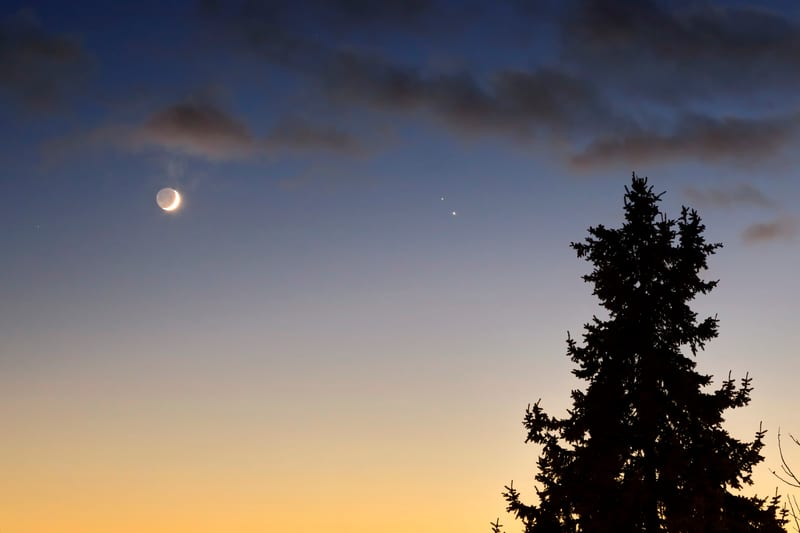
The Moon and Mars conjunction
The Moon and Mars appear close together in the sky almost once a month, and in November, this conjuction takes place at the end of the month. A conjunction refers to the phenomenon of two or more celestial objects appearing close to each other from the perspective of viewers on Earth, despite being separated by vast distances in space.
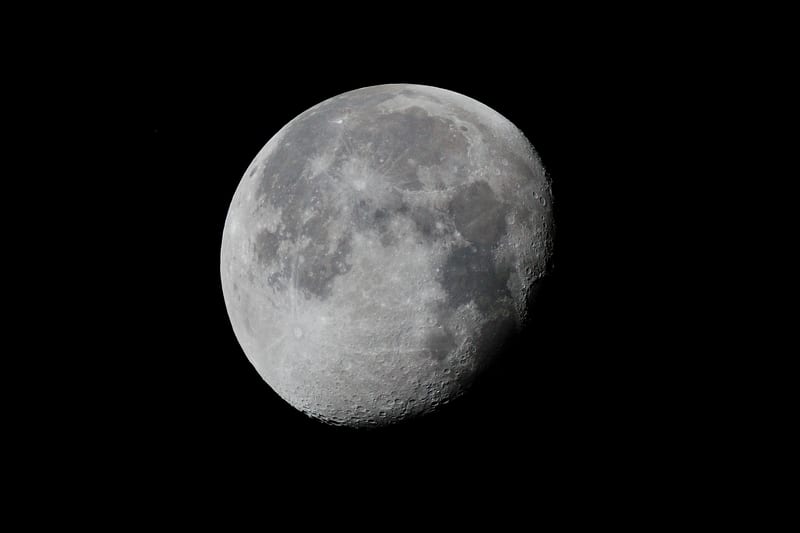
During the November 30 conjunction, the Moon and Mars will appear in the Leo constellation, while the brightest star in Leo—Regulus—will also be visible nearby. Jupiter, the largest planet in solar system, will be visible near the trio as well. During this time, the Moon will be in its waning gibbous phase, with approximately 61% illumination, which may affect visibility. Mars, with its reddish-orange appearance, will have an apparent magnitude of around +0.4, making it bright enough to see without a telescope. Jupiter, meanwhile, will shine with an apparent magnitude of around -2.2, making it the brightest planet in this grouping. On the apparent magnitude scale, lower or more negative values indicate brighter objects.
When and where to watch the conjunction
The Moon and Mars will be visible together across North America on November 30, 2026, in the southern sky before sunrise. Observers in New York, for instance, can witness this event at around 6:00 a.m. EST. In western Europe, including London, the best time to watch this event is in the pre-dawn hours of December 1, 2026. Meanwhile, observers in parts of East Asia and Australia will be able to see the Moon and Mars conjunction on December 1, due to the differences in the time zones.
Tips for observing the Moon and Mars conjunction
Skywatchers looking forward to witnessing this celestial event can use the tips provided below to plan their observations and ensure they get the best viewing experience:
To spot celestial objects in the sky, the easiest way is to identify the Moon first and look around it to find other objects.
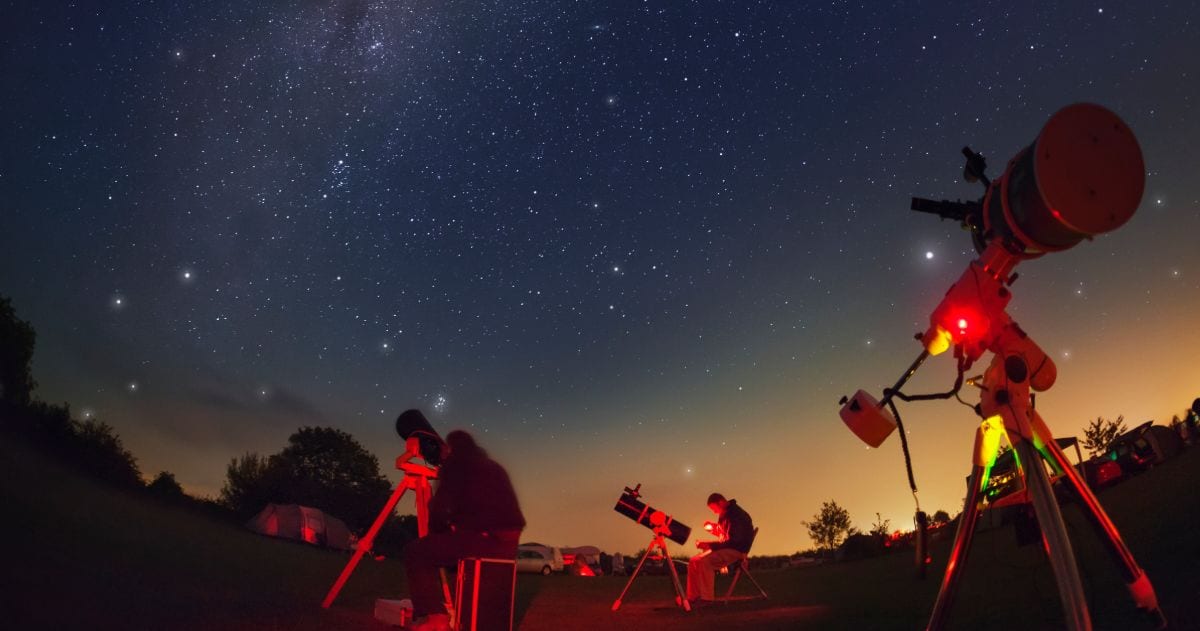
Try to find an open area with an unobstructed view of the night sky, with clear, dark skies, away from city lights and streetlights.
As already mentioned above, the celestial objects will be bright enough to be visible to the naked eye. You do not need any special instruments, such as a telescope or binoculars.
Take note of the weather before heading out.
Try not to use your cell phone during your observations and let your eyes adjust to the darkness for 20-30 minutes to get the best view.
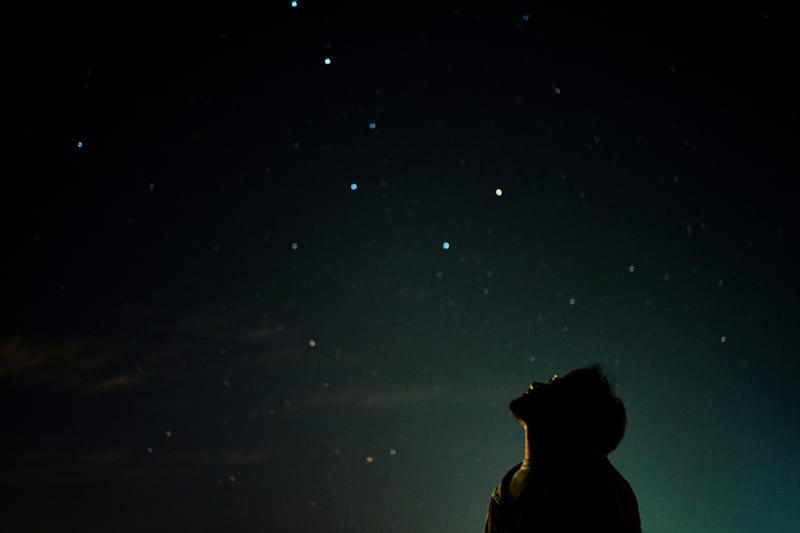
A man looking up at night sky watching stars. (Image Source: Getty Images| MAREVGENNA)
More on Starlust
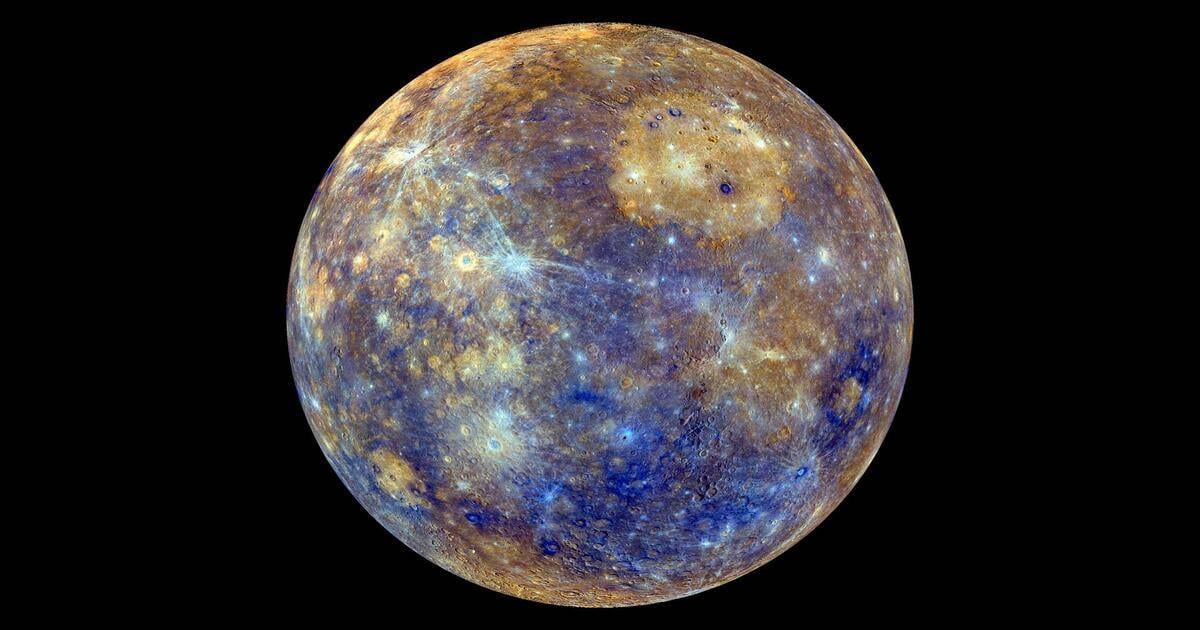
Mercury’s greatest western elongation in November 2026: When and how to spot the planet
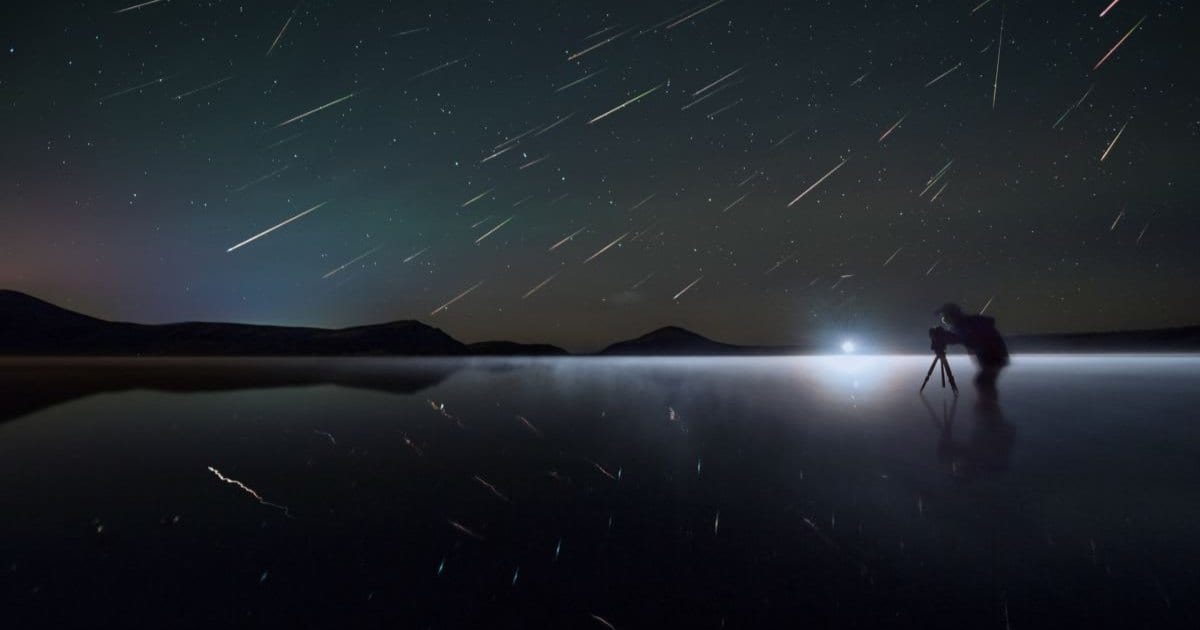
Leonid meteor shower 2026 peaks on November 17-18: Here's how you can photograph it