Uranus to reach opposition in November, offering best viewing opportunity of 2026

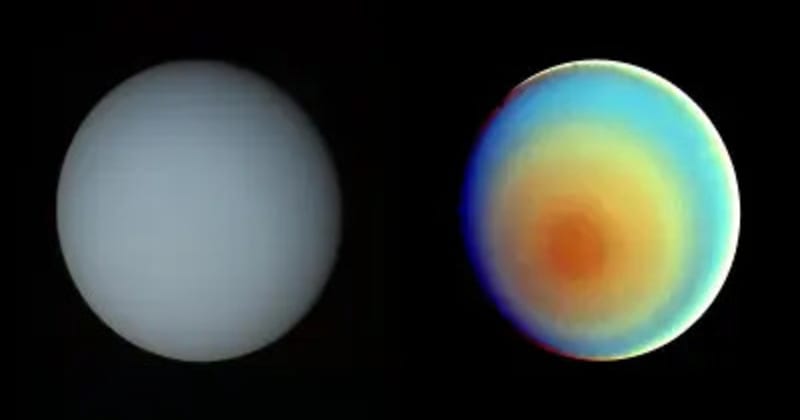
Spotting Uranus in the dark sky is not an easy task - it appears as a faint blue dot to the naked eye and is best observed with binoculars or a telescope. But the ice giant, which is the seventh planet from the Sun, offers a breathtaking view when it reaches opposition. And no, you have not missed it yet; in fact, the event is just around the corner. On November 25, 2026, Uranus will reach opposition. However, in some parts of the world, due to differences in time zones, the event may fall on November 26. If you are planning to catch a glimpse of the planet, here's everything you need to know about when and where to observe it.

Uranus at opposition
Uranus reaches its opposition, once every year, but the dates and timings slightly differ. This year, the opposition will take place on Wednesday or Thursday in the coming week. However, skywatchers can enjoy viewing the planet throughout November.
Opposition takes place when Earth comes between the Sun and the outer planet, which in this case is Uranus. During this time, the three celestial bodies, which are Earth, Uranus and the Sun, almost appear in a straight line, with the Sun and Uranus appearing in opposite directions when observed from Earth. So, astronomers call this event opposition. This alignment happens as planets orbit around the Sun at different speeds. Earth takes about 365 days to complete one orbit; on the other hand, Uranus takes approximately 84 Earth years. Since Earth is closer to the Sun, it orbits faster than Uranus and as it moves around the Sun, it periodically comes between the Sun and Uranus, which brings the distant planet to opposition.
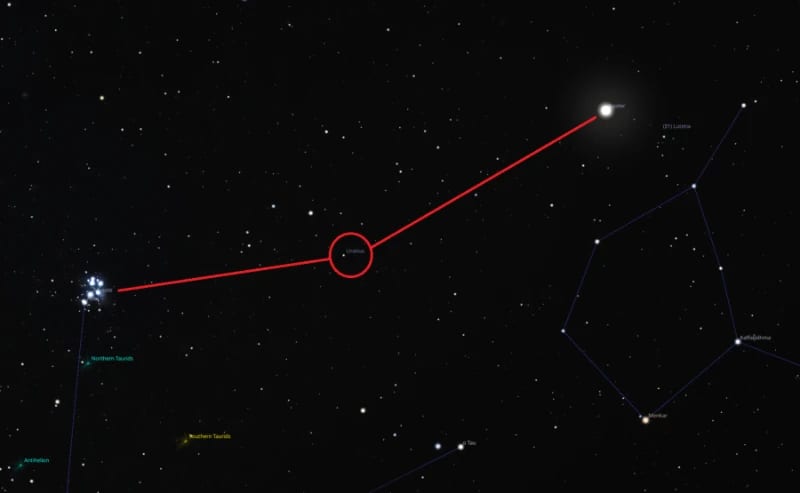
During the time of opposition, Uranus reaches its closest point to Earth in that year, at approximately 18.44 AU (astronomical units)—1 AU is approximately 93 million miles. This year, Uranus will be in the Taurus constellation, near the Pleiades star cluster and Aldebaran. It will shine at an apparent magnitude of about +5.6, which places it near the edge of what the human eye can see without a telescope, per EarthSky.
When and where to watch Uranus?
According to BBC Sky at Night Magazine, November 22, a few days before the peak opposition date, will be the best time to observe Uranus, as the Moon will be farther from the planet, so its moonlight will not interfere as much with observations. On November 25, the Moon will be nearly full, with around 95% illumination. This means Uranus may not be easy to observe in the night sky that day. Uranus will be visible in both the Northern and Southern Hemispheres.

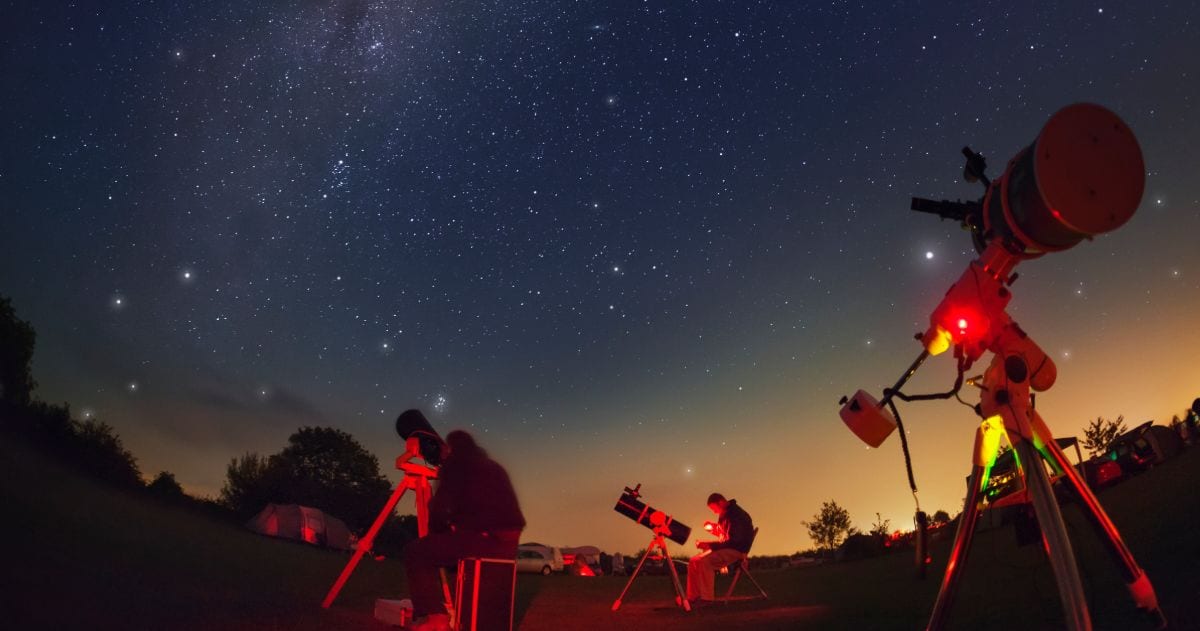
Skywatchers looking forward to enjoy the event can try to find a spot with less light pollution, preferably a location with clear, dark skies. They can use telescopes or binoculars if they have one to observe the planet. When setting up the telescope, ensure that the place is clear and open to get the unobstructed view of the planet.
More on Starlust
Mercury’s greatest western elongation in November 2026: When and how to spot the planet