The Beaver Moon visits the Pleiades star cluster on November 24—how to watch it from the U.S.
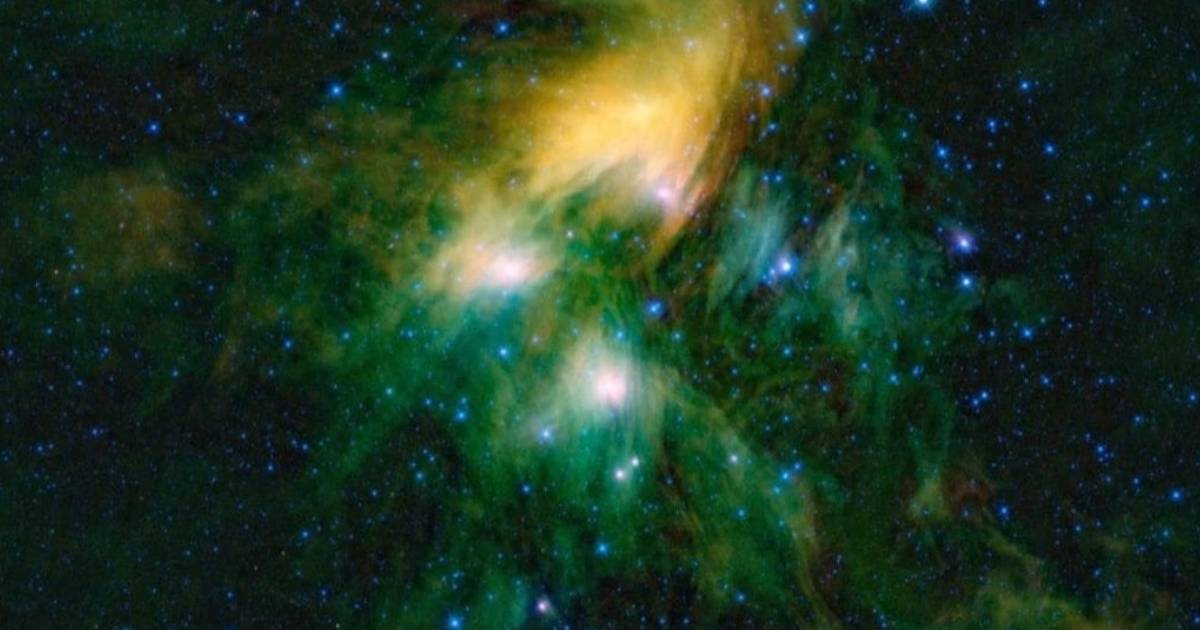
Skywatchers are in for a treat tomorrow, as the Full Moon of November 2026, also a Supermoon and known as the Beaver Moon, will be lighting up the night sky. However, that's not the only celestial show to look out for. Early Tuesday morning, the Beaver Moon will be sharing the sky with the Pleiades star cluster (M45), also known as the Seven Sisters, located in the Taurus constellation.
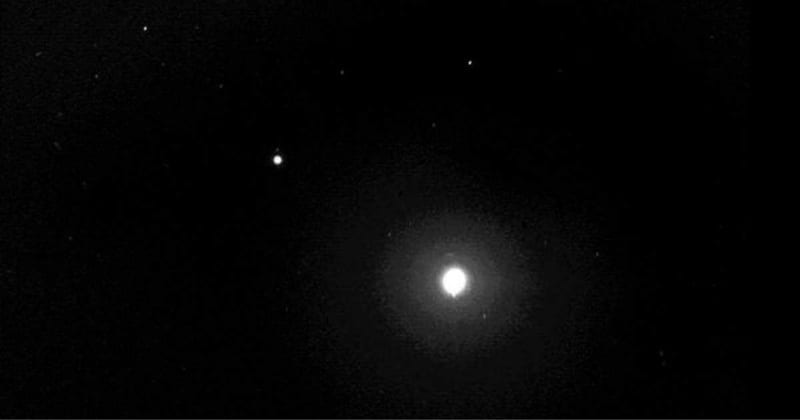
The Supermoon on November 24 will be the first in a series of three back-to-back Supermoons, with the other two Supermoons being the Cold Moon on December 23, 2026, at 8:28 p.m. EST (1:28 UTC on December 24) and the Wolf Moon on January 22, 2027, at 7:17 a.m. EST (12:17 UTC). For context, a Supermoon occurs when the full phase of the Moon coincides with its nearest approach to Earth (perigee). Hence, at this time, the Moon seems larger than it usually is. While the full phase of the Moon will occur on November 24, it will be the nearest to our home planet on the following day, at a distance of 223,374 miles (359,486 kilometers). This is opposed to its usual distance of approximately 238,855 miles (384,400 kilometers) from Earth.

Where, when, and how to watch the Beaver Moon and Pleiades meetup 2026 in the U.S.
The Moon will attain its peak full phase at 9:53 a.m. EST on Tuesday (November 24), according to the Farmers' Almanac, when the lunar disk will be positioned beneath the horizon for U.S. viewers—before rising in the eastern sky at dusk that evening. You can spot the closest Beaver Moon–Pleiades meetup earlier that morning, a few hours prior to dawn, when the lunar disk will move just 0.9 degrees from the Seven Sisters in the western sky. The Moon, while gliding through the Pleiades cluster, will conceal several of the cluster's bright stars from parts of North America.
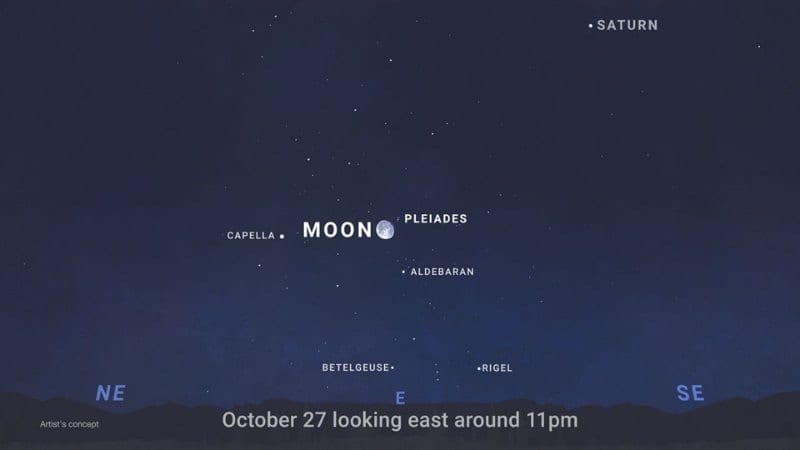
To trace the Seven Sisters, first try to spot the three stars located in Orion's belt. Trace an imaginary line through the belt from left to right, and proceed through Orion's bow, which will take you to Taurus's most brilliant star, Aldebaran. You can spot the Pleiades beyond Aldebaran on the same path. The stars from the Pleiades cluster that can normally be viewed with the unaided eye are Alcyone, Electra, Atlas, Maia, and Merope, with Alcyone being the brightest among these.
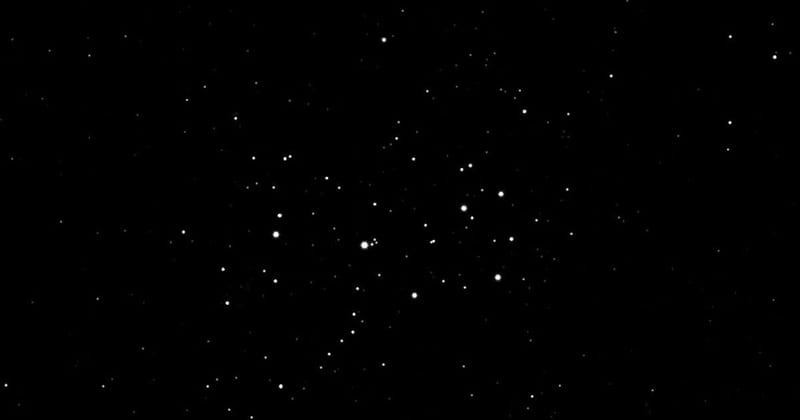
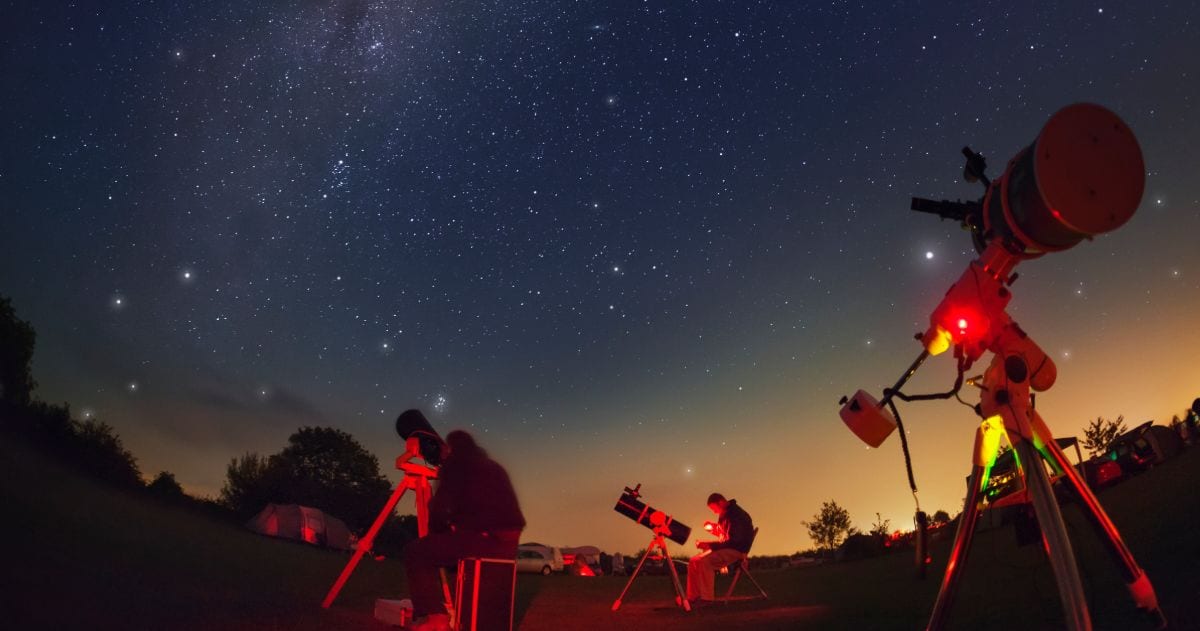
While the Moon itself can be easily observed with the naked eye, its bright glare will wash out fainter nearby stars. A more detailed view can be obtained by using binoculars or a telescope, which can help you catch an intricate view of the Moon's surface along with revealing the blue-white stars of the cluster through the moonlight. Incidentally, binoculars will also help you spot the Hyades star cluster near the lunar disk.
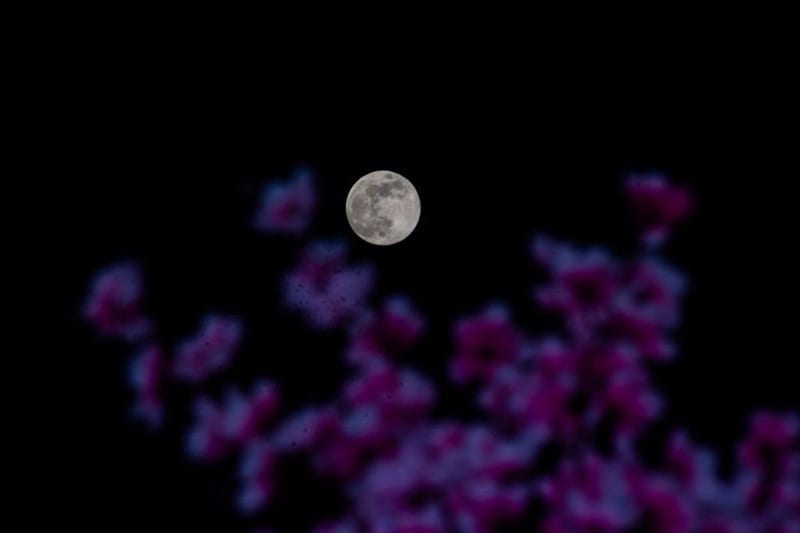
The Moon-Pleiades meetup is not the only event apart from the Beaver Moon show. This week, you can view Mars nearing the brilliant star Regulus prior to sunrise on Wednesday, November 25, and Uranus attaining opposition on that same evening. This would be followed by Venus reaching peak brightness before dawn on Friday, November 27.
More on Starlust
A close encounter between the Moon and Mars awaits skywatchers on November 30
Mercury’s greatest western elongation in November 2026: When and how to spot the planet