Coronal hole-CME combination could trigger auroras in Washington and other U.S. states on November 17-18
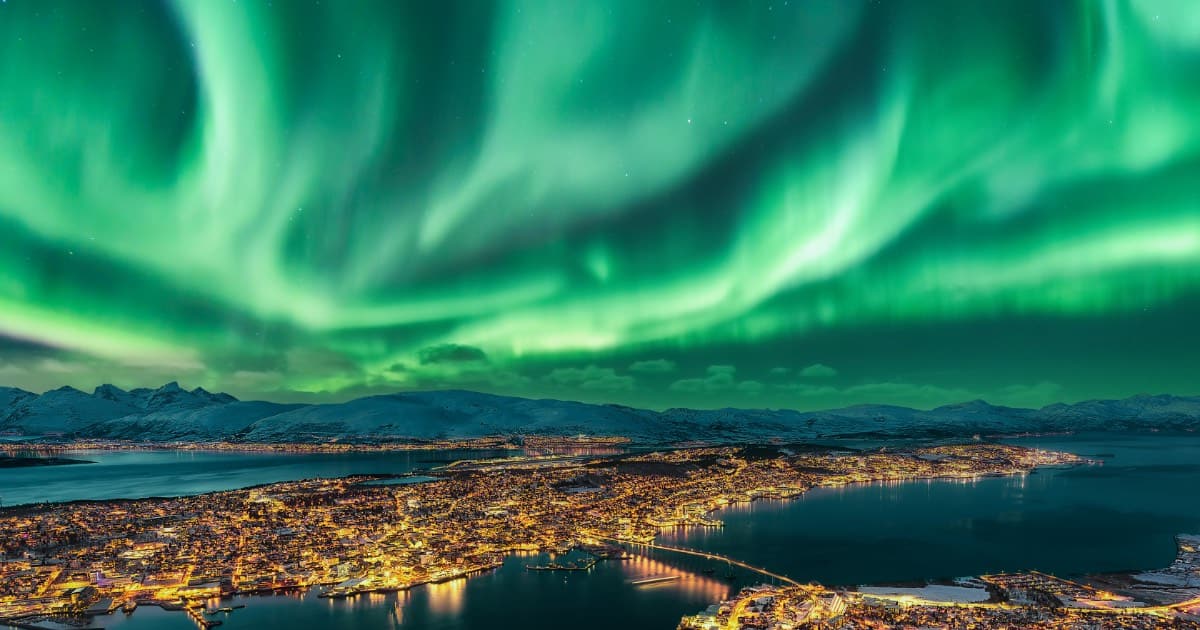
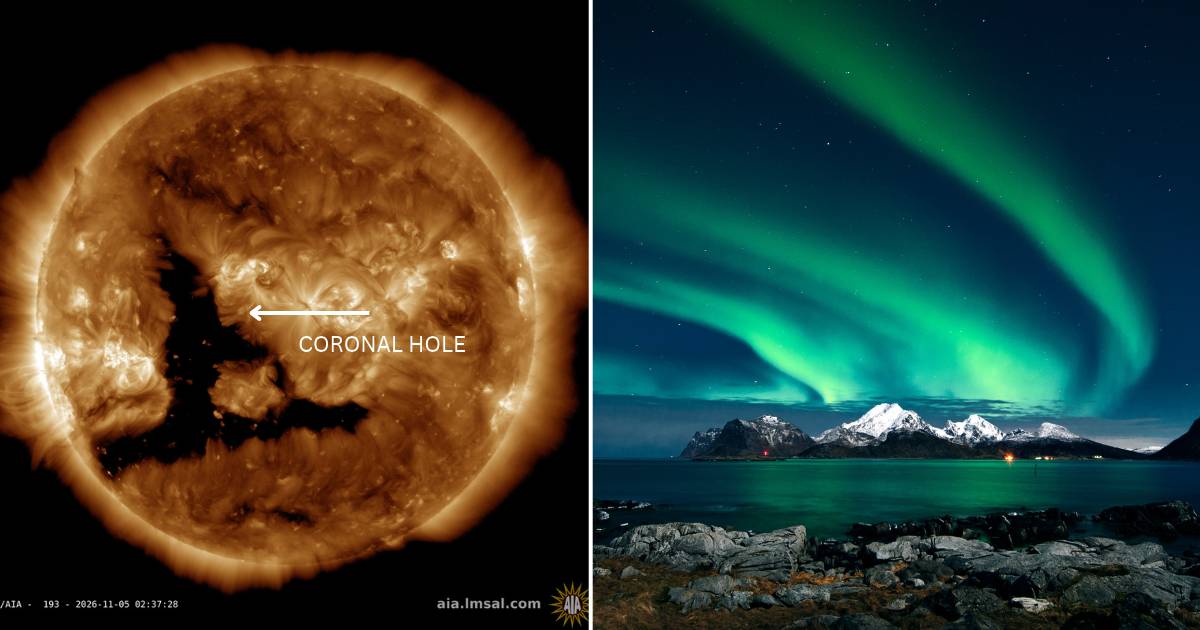
NOAA's Space Weather Prediction Center has issued a G1 (minor) geomagnetic storm alert for tomorrow, November 17, and Wednesday, November 18 (UTC day). This could result in aurora being visible in the northernmost U.S. states. The storm and the possibility of aurora visibility have been attributed to the combined effects of a coronal hole and a glancing coronal mass ejection (CME).
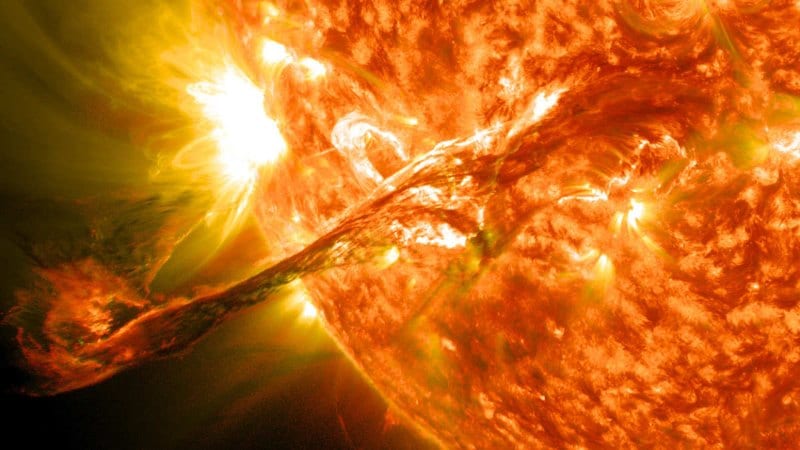
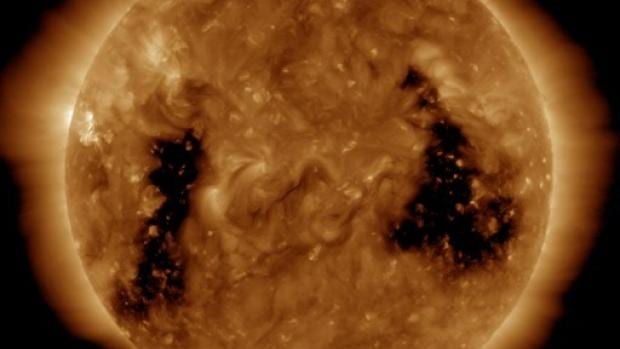
According to Spaceweather.com, the CME originated from the sunspot region 4579 on Saturday, November 14. CMEs are expulsions of massive amounts of solar plasma with embedded magnetic fields that can disturb the Earth's magnetic field if our planet happens to be in their path. Moreover, fast streams of solar wind that emanate from coronal holes on the Sun—referred to as CH HSS (coronal hole high-speed streams)—are also understood to be the reason for the aforementioned geomagnetic storms. Coronal holes are regions on the solar surface that have open magnetic fields that allow solar winds to readily escape into interplanetary space at high speeds.
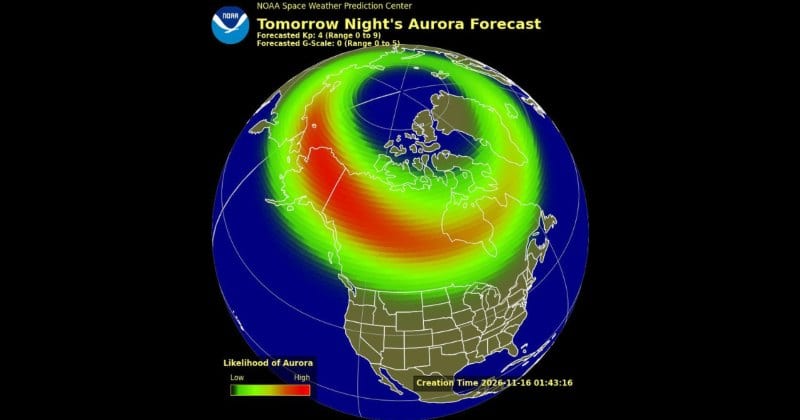
Where to see aurora on November 17 and 18
Based on the SWPC's predictions for tomorrow, aurora could be visible from all over Canada and Alaska, along with northern parts of Washington, Idaho, North Dakota, Minnesota, Wisconsin, Michigan, and Maine. These places could see aurora on Wednesday as well, although SWPC has yet to release the aurora map for the day. The intensity of geomagnetic storms is indicated by the planetary K-index, which provides three-hour global averages of the disturbances in Earth's magnetic field.
How to see: Best viewing tips
Auroras are always best observed in the hours around midnight, but visibility hinges on local viewing conditions as well, so check the weather in advance. Be mindful of the light pollution levels around your chosen vantage point too. A place higher up from its surroundings, particularly one which has no obstructions when looking in the direction of the northern horizon, should give an observer the best odds of seeing or capturing the aurora.
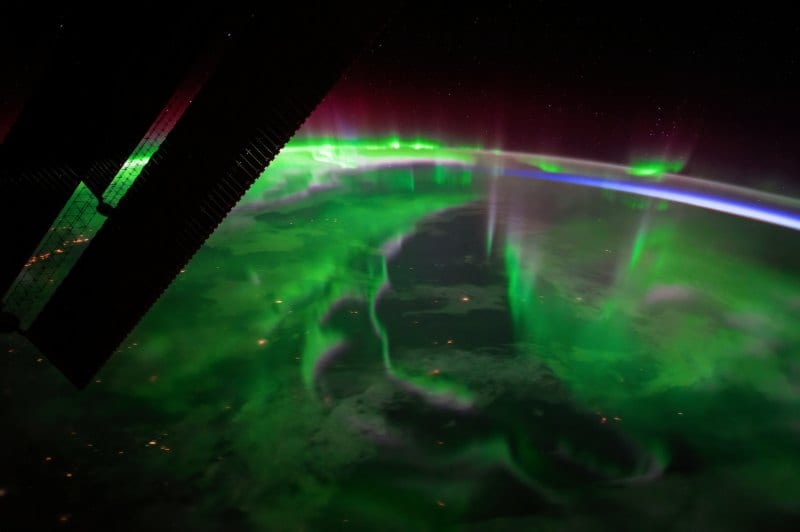
How to photograph the aurora
The first thing you should do to take good shots of the night sky is ensure the stability of your camera. So invest in a good tripod and a remote shutter release to avoid shaking the camera while taking pictures. You can also use the camera timer. Use a wide-angle lens (between 14-24mm) to take in more of the sky and set the aperture to the widest it allows (smallest f-number). This will allow you to capture faint aurora details without having to crank up the ISO too high, which can introduce noise into your photos. As far as the exposure is concerned, start by setting it to 15-30 seconds. Remember, you can always adjust these settings depending on the conditions around your vantage point. The key to arriving at the right combination of settings is to take as many test images as possible and, of course, have a lot of patience.
More on Starlust
Data from NASA's MAVEN orbiter shows Mars gets Earth-like auroras—here's how
Leonid meteor shower 2026 peaks on November 17-18: Here's how you can photograph it