Mercury’s greatest western elongation in November 2026: When and how to spot the planet
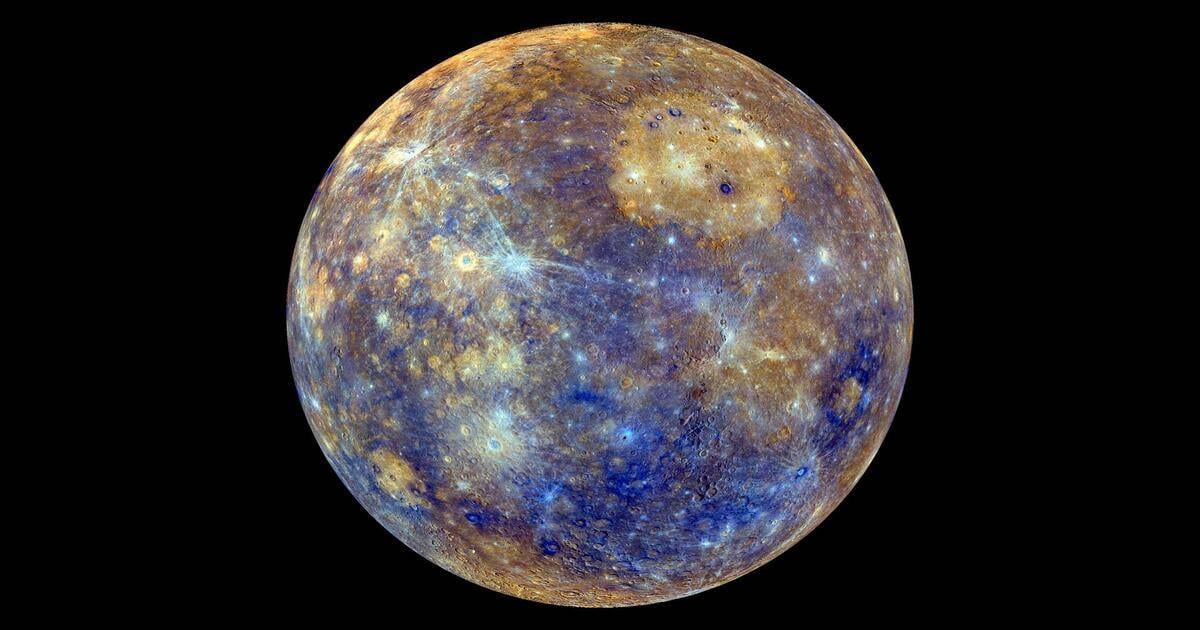
The month of November is packed with fascinating celestial events and one of them is scheduled for the upcoming weekend. The smallest planet in our solar system, Mercury, will be at its greatest western elongation of the year on November 20-21, 2026. Here are some key details about when and where to spot the planet in the night sky this month.
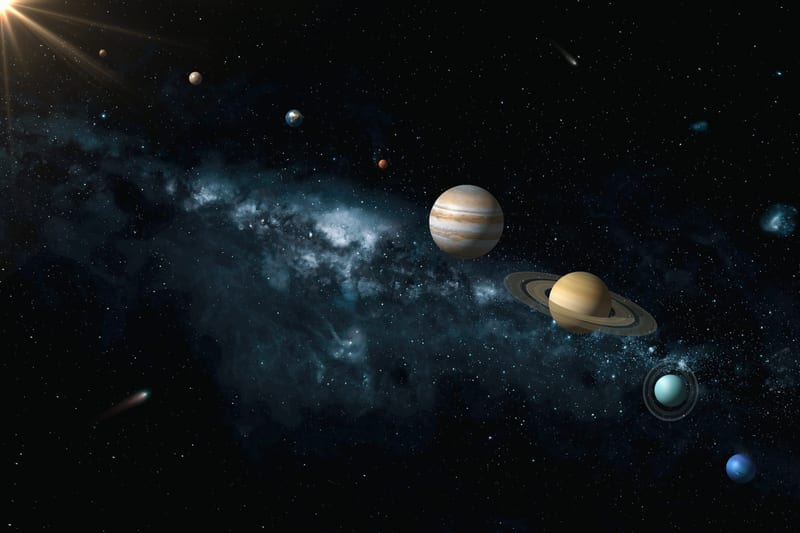
Mercury’s greatest western elongation is the time when the planet reaches its farthest apparent angular distance west of the Sun, as seen from Earth. Mercury never rises higher in the sky like the Moon or other planets because its orbit is very close to the Sun. It stays near the horizon in the eastern sky just before sunrise. This celestial event is considered a must-watch, as Mercury is most of the time not visible in the sky due to the Sun’s strong and bright glare.
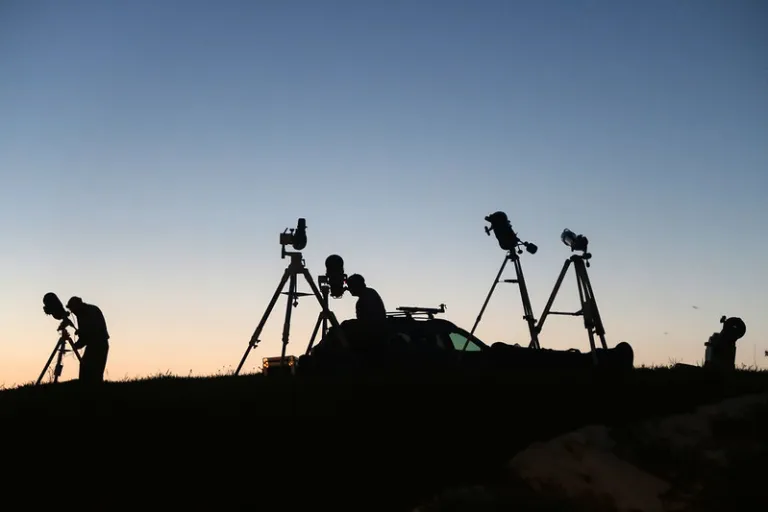
When and where to spot Mercury in the night sky in November 2026
Mercury takes approximately 88 days to complete a full orbit around the Sun, but about every 116 days, it passes between the Sun and Earth. This event, known as inferior conjunction, last occurred on November 4, 2026. During the second half of November, Mercury will be visible in the dawn hours in the eastern sky before the sunrise. The best possible window to spot Mercury is between November 18 and 24. The greatest western elongation of Mercury is around 20 degrees west of the Sun on November 20, 2026.
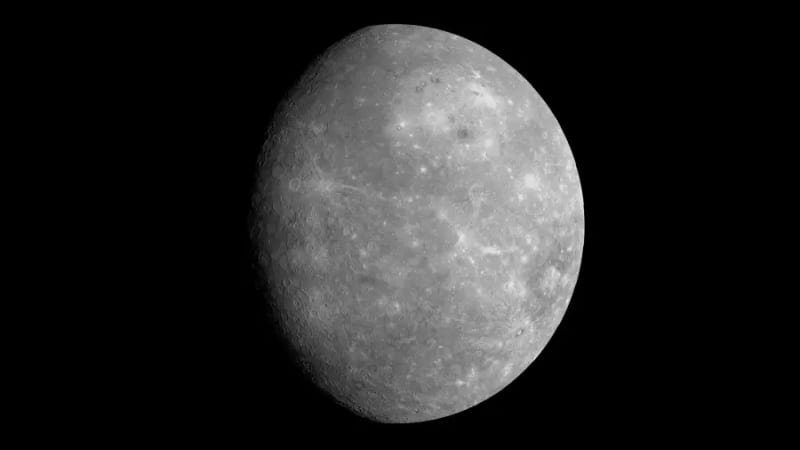
This phase of Mercury is most favourably visible in the Northern Hemisphere along with some parts of the Southern Hemisphere. For observers in the mid-northern latitudes, Mercury will rise more than 95 minutes before sunrise between November 16 and 26.
Tips to observe Mercury in the night sky
If you are planning to observe Mercury during its greatest western elongation, here are some tips to get started:
Look for it below and to the left of Venus, near the east-southeastern horizon.
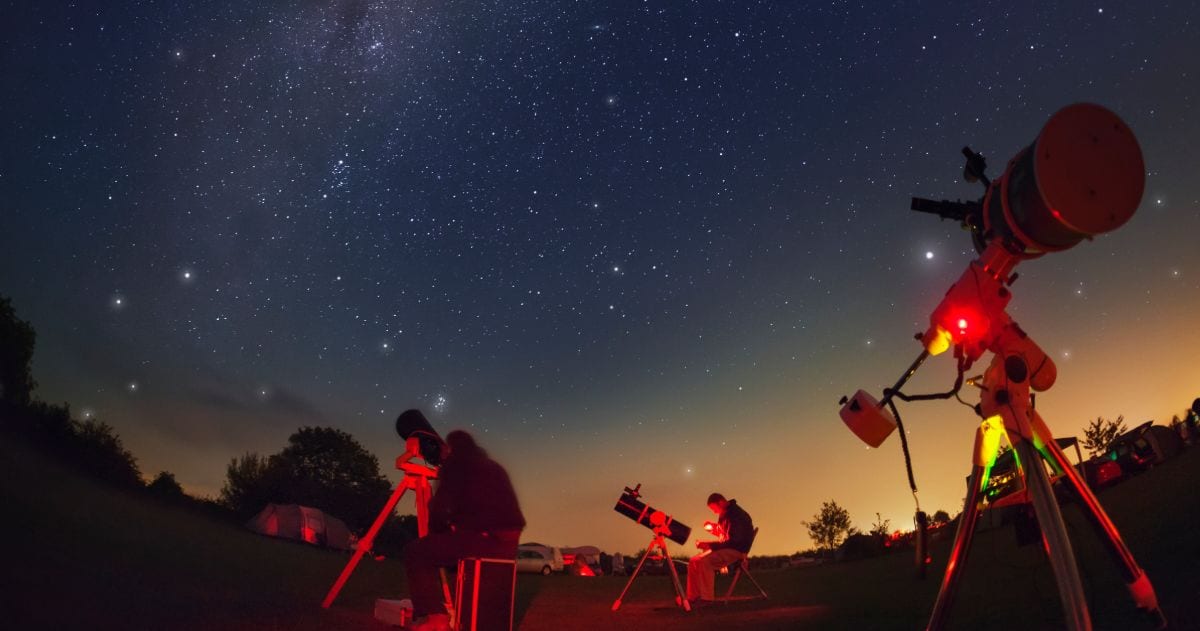
Avoid the city lights and streetlights, and find a place with dark, clear skies towards the eastern sky.
Mercury will be visible to the naked eye, so even if you don't have any instruments, you can still observe the planet.
If you have a telescope or binoculars with a magnification of 7x or higher, you can observe Mercury more closely.
More on Starlust
Northern Taurids meteor shower 2026 to bring fireballs as it peaks on November 11-12: Viewing tips
November 2026 New Moon: Spot Orion Constellation and other celestial wonders in the dark skies