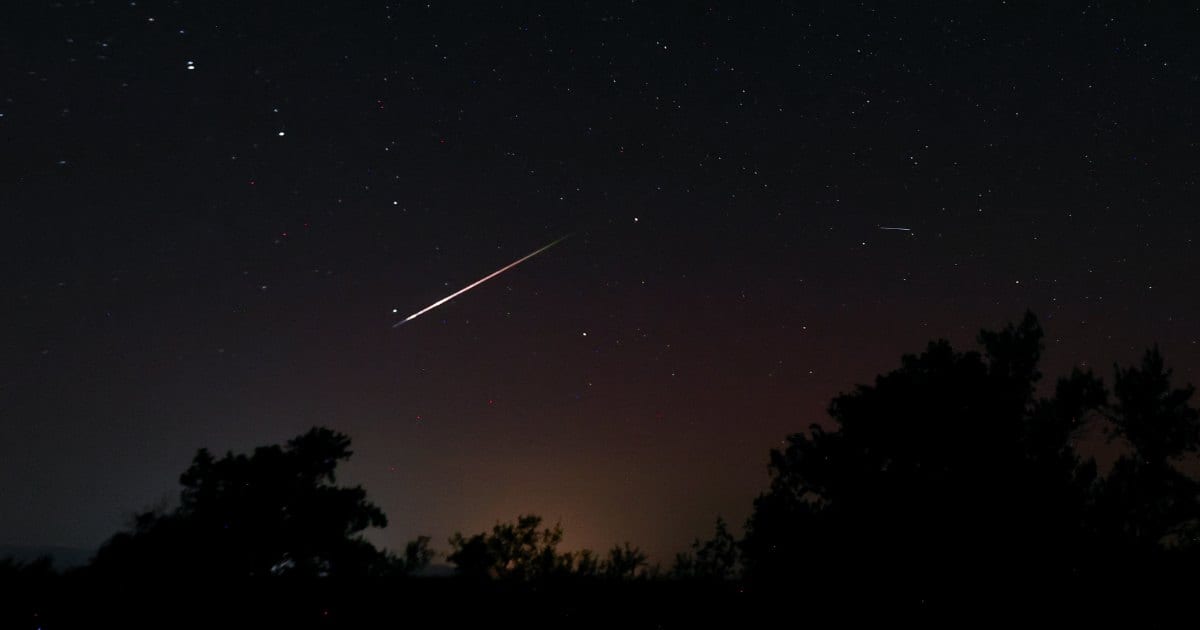
Leonid meteor shower 2026 peaks on November 17-18: Here's how you can photograph it
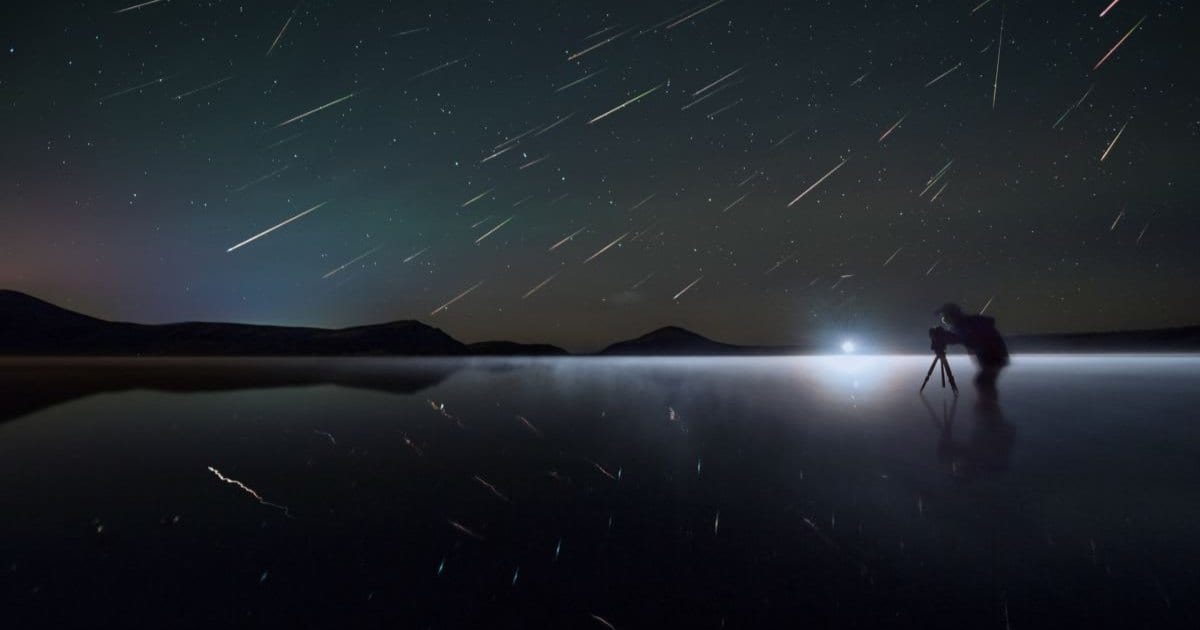
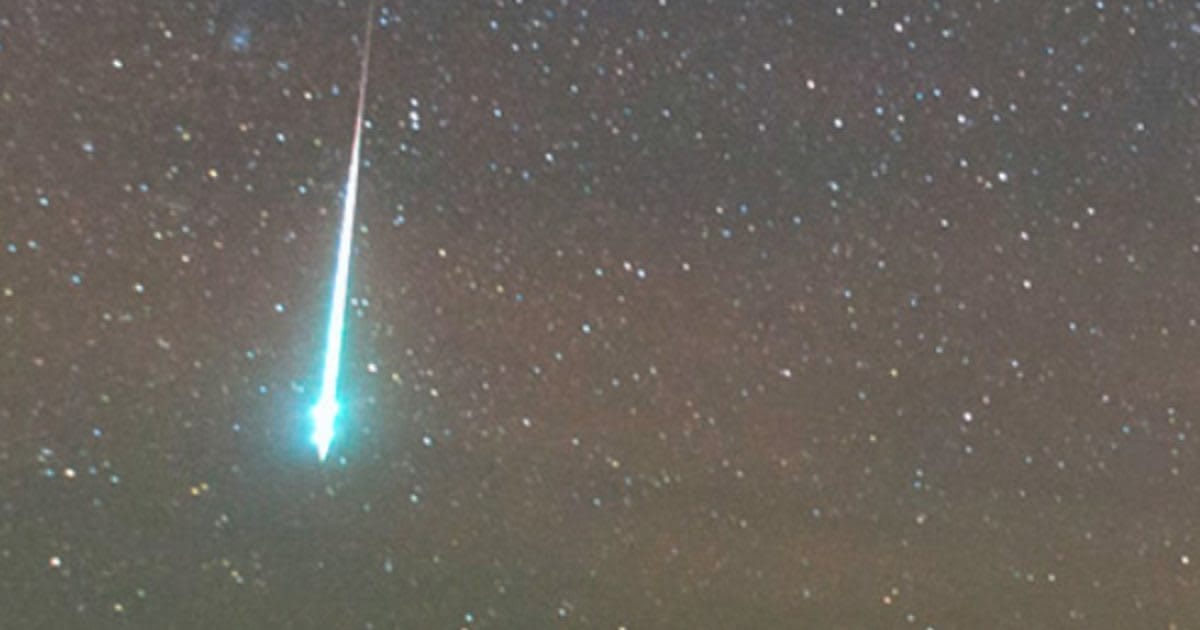
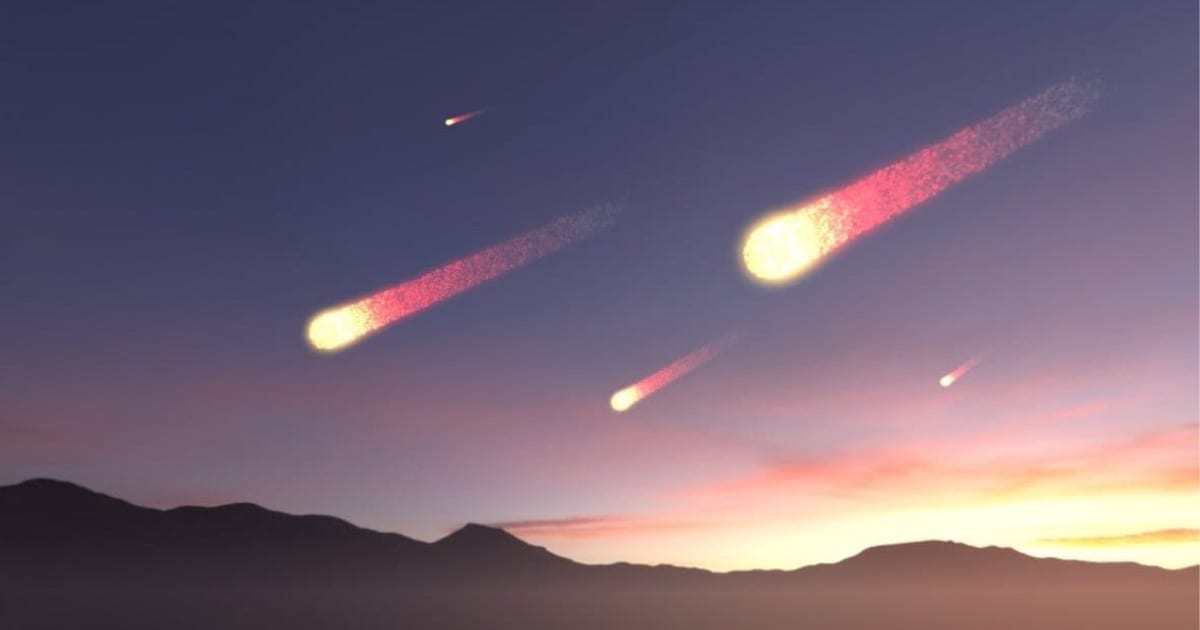
The Leonid meteor shower, which is active from November 6 to 30, will be at its peak between November 17 and 18 after the Moon has set. Under ideal conditions, the Leonids generate approximately 15 meteors every hour, but most skywatchers will see fewer. So, to make the most of the opportunity, find a dark spot outside the city, and give your eyes about an hour or so to adjust to the darkness. What's more, you may even be able to capture a few pictures of the shooting stars if you follow some simple steps.
How to photograph the Leonid meteor shower 2026
Here are some basic tips to capture quality photos of the Leonids this month with a DSLR or mirrorless camera.
Ensure a steady setting
Keeping your camera stable is an important aspect in astrophotography, particularly in cases where the light is low. Also, capturing meteor images involves long exposures, and even the most stable hands will not be able to keep the camera steady enough for a sharp image. Hence, placing your camera on a tripod minimizes any sort of shaking and ensures steadiness. You can use your camera's self-timer, which gives a short pause after the shutter is pressed, thereby minimizing the probability of camera blur. Using an intervalometer is a safer option in this case, as it helps you avoid contacting the camera and can set off the shutter automatically at regular intervals.
Use a wide-angle lens
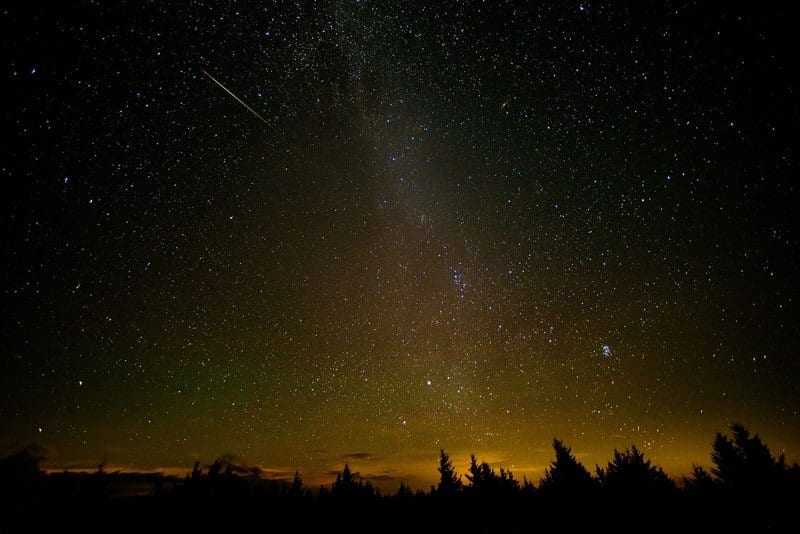
To catch a meteor in your shot, you should be able to cover a large area of the sky. So use a wide-angle lens in the range of 14-30 mm. You can also choose an ultra-wide-angle lens, but remember that while it will cover an even larger area of the sky, the meteors will appear smaller.
Shutter speed and ISO
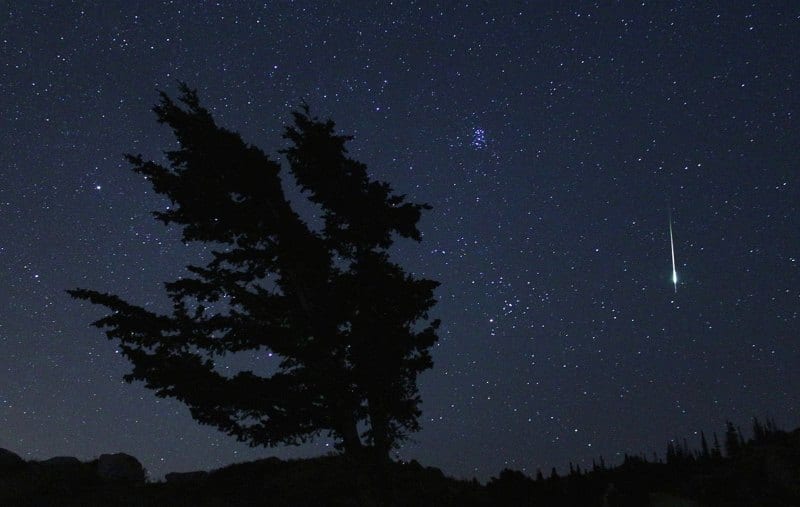
First, ensure you reduce the brightness of your camera's LCD screen, which will help your vision adapt to the darkness. Once this is done, you can move on to other settings. Set the shutter speed to between 15 and 30 seconds and the ISO to 1600-3200. You can always adjust these settings based on how your images turn out.
Aim your camera
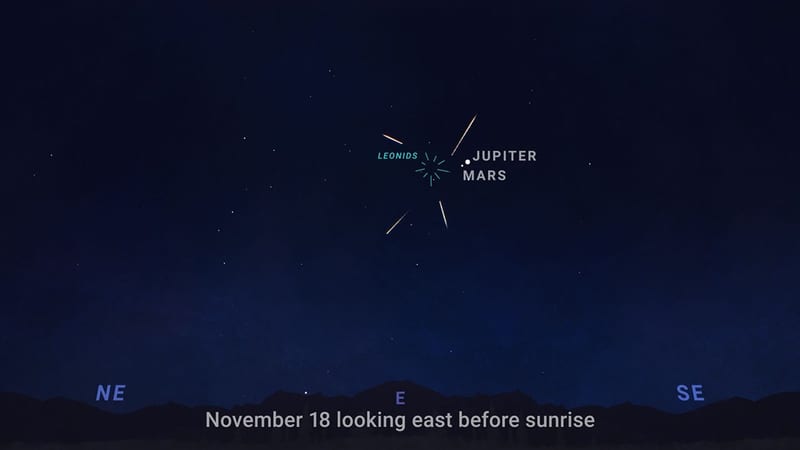
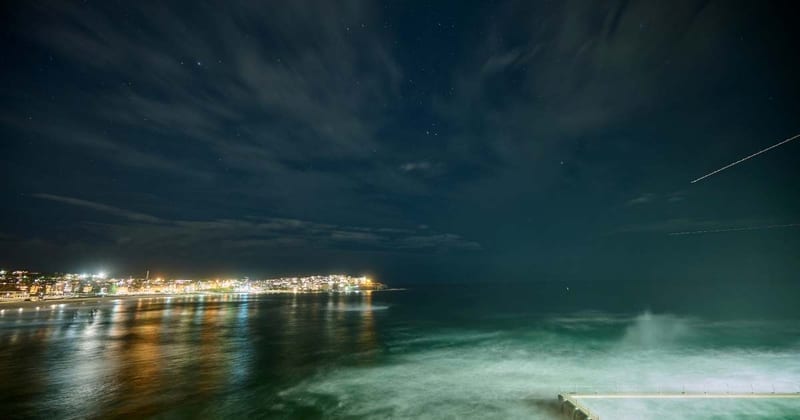
While photographing the shower, try pointing your camera toward the eastern sky, where the constellation Leo, the shower's radiant, is located. Point your camera 50° above the horizon and about 30° to 40° away from the shower's radiant, as recommended by the Society for Popular Astronomy. Aiming the camera 50° above the horizon enables you to capture the largest area of the sky through which meteors pass. Also, although meteors can streak across any region in the sky, pointing the camera about 30° to 40° away from the shower's radiant ensures that you capture long meteor trails, since the meteors located close to the radiant produce only brief trails. Remember that your fist held at arm's length equals about 10° of the night sky.
Lock focus
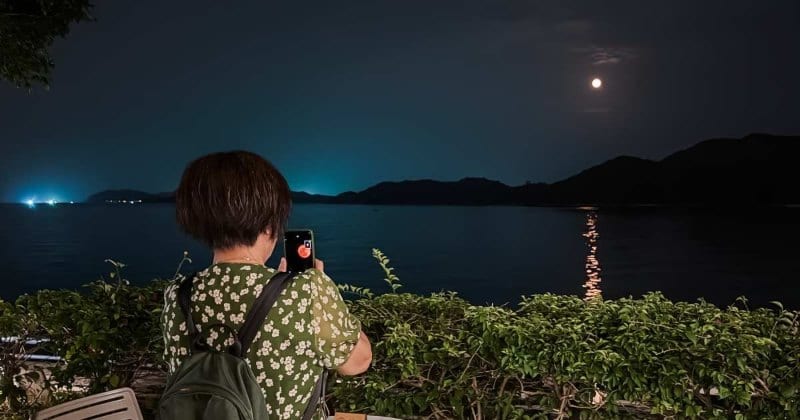
The next step is to focus the image. The autofocus option is not suitable for taking pictures in low-light conditions, and hence, avoid using it. Take a test image by focusing on a star, and then fine-tune the focus based on how sharp or fuzzy the image is. Continue this process until you manage to take a satisfactory image.
Have patience
Make sure you capture a lot of images. You need to operate your camera for an extended period of time to take the best-quality images. So there's no substitute for patience.
More on Starlust
Five of the solar system's eight planets will be visible in November: How to spot and viewing tips
Mars is cozying up to Jupiter this November: When, where and how to watch it