Venus hits peak brightness on November 29: Here's when and how to see it before sunrise
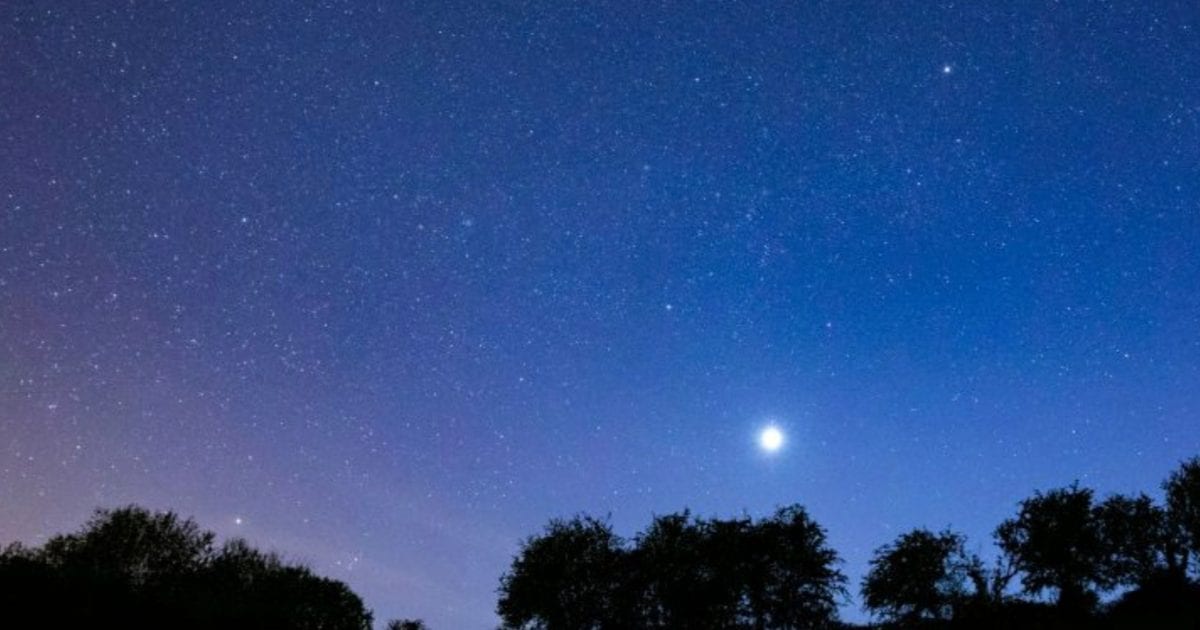
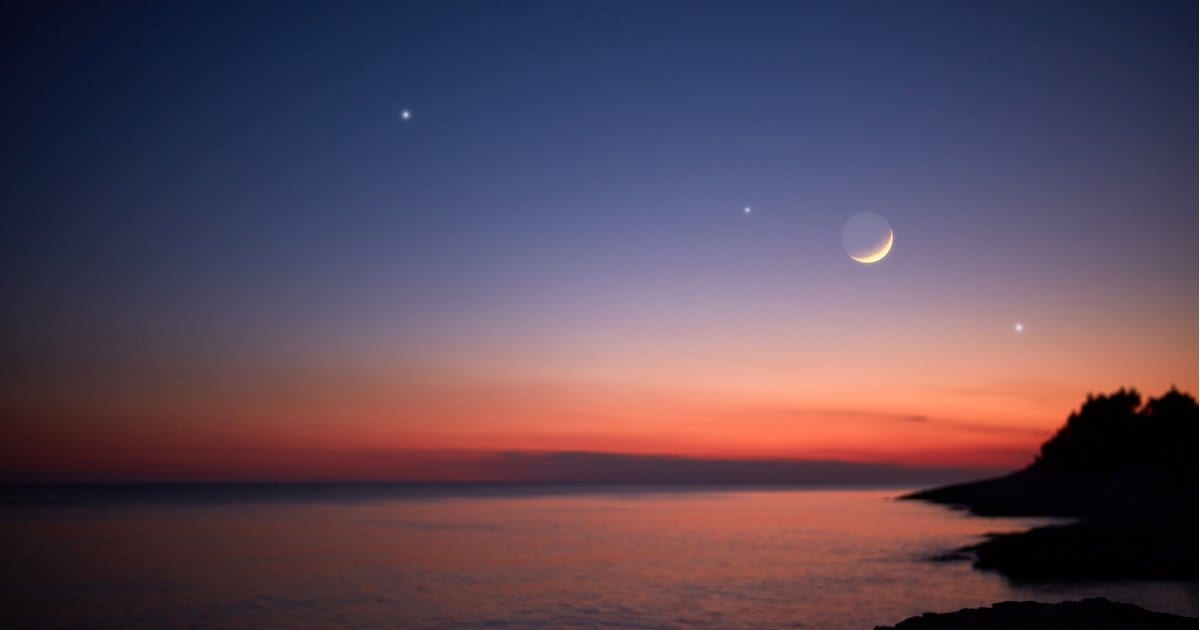
Skywatchers, get ready to witness Venus in the sky as it reaches its peak brightness at 14 UTC (9:00 AM EST) on November 29, 2026, according to EarthSky. The planet will be visible in the eastern sky before sunrise and you don’t need a telescope to spot it. Venus will not appear this bright in the evening sky again until April 2028. Additionally, it will not reach this peak brightness in the morning sky till July 2028. So mark your calendars and head outside before dawn this week to spot it in the sky.
Astronomers measure brightness on a scale called magnitude, where more negative numbers mean a brighter object. And at its peak, Venus’s brightness will sit at -4.4 magnitude. As per EarthSky, the planet will outshine all other objects in the sky (except the Moon and the Sun). Earlier, Venus peaked slightly higher on September 18, 2026, when it was in the evening sky at magnitude -4.8. So if you missed the September view, make sure to catch Venus near its best.
How to spot Venus before sunrise?
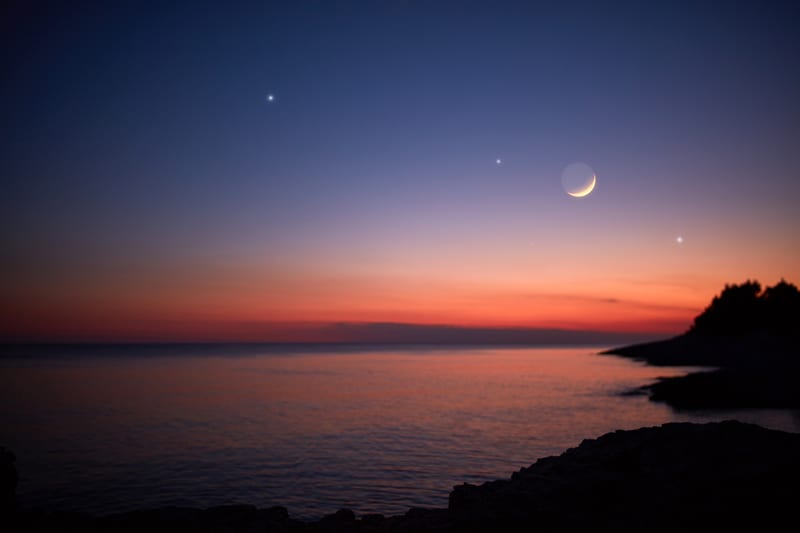
In the Northern Hemisphere, the ecliptic, which is the Sun's apparent path across the sky, rises steeply in the morning this month, so Venus will sit well above the eastern horizon. But for those looking from the Southern Hemisphere, it will be able to observe it much lower, which can give it an eerie look. Those with a telescope will see a tiny crescent, much like a miniature waxing Moon.
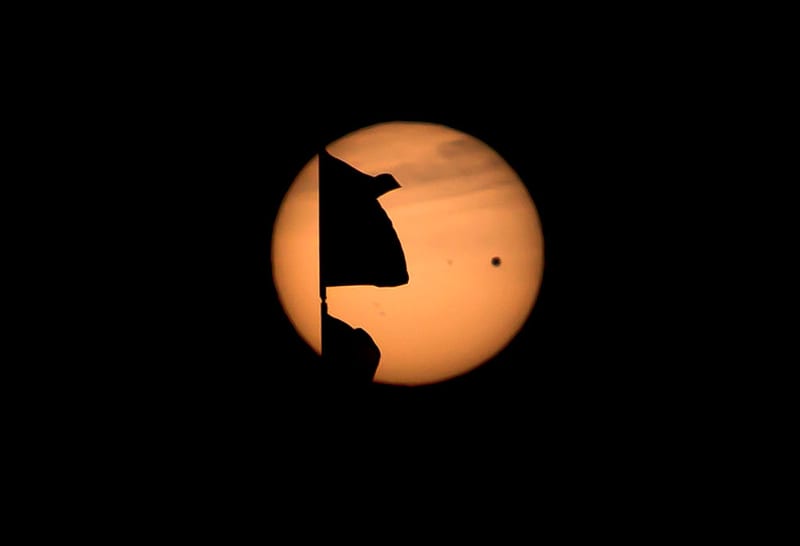
After November 29, 2026, the glow of Venus will fade slowly. This is because, as weeks pass, Venus will show more of its sunlit side, but its disk will keep shrinking, so it will slowly dim. That happens because Venus is pulling ahead of Earth in its smaller, faster orbit around the Sun, which carries it farther away.
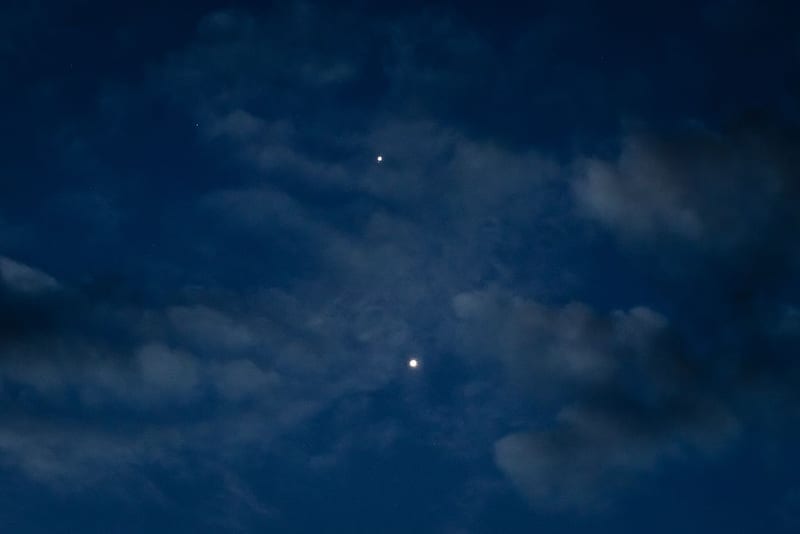
What makes Venus look brighter in our sky?
There are two things that influence how brightly Venus shines in our sky. One is its apparent size, while the other is the amount of its sunlit surface visible from Earth. On January 6, 2026, the planet was on the far side of the Sun. Due to this, skywatchers were able to see its full face, though it was so far away that it looked small. Then, on October 23 and 24, it passed between Earth and the Sun, and this put it close but left its lit side almost entirely turned away.
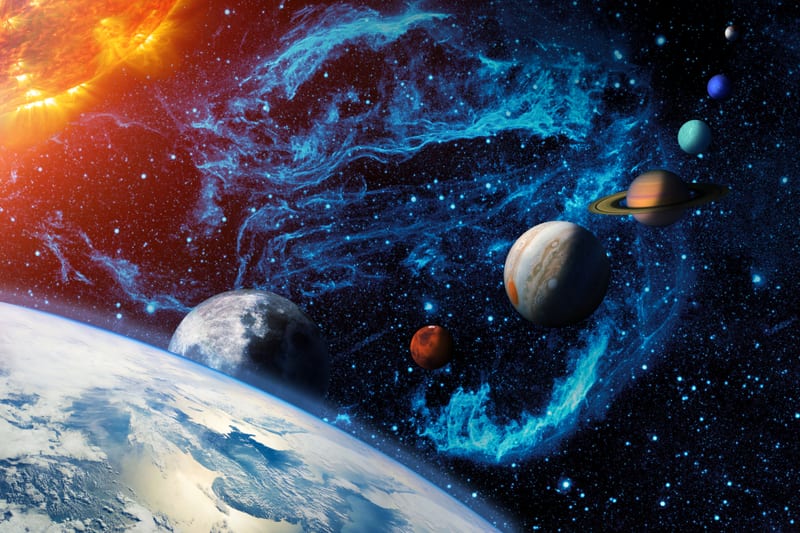
Venus has now reached a position where more of its sunlit surface is visible to us, even though it is still fairly close. Through a telescope, the planet looks roughly 40 arcseconds wide, with a distinct crescent shape. Next up, the transit, where Venus will line up exactly between Earth and the Sun, will not happen until December 10 and 11, 2117.