Vincent van Gogh's The Starry Night depicted the actual sky, study finds—what the painting shows
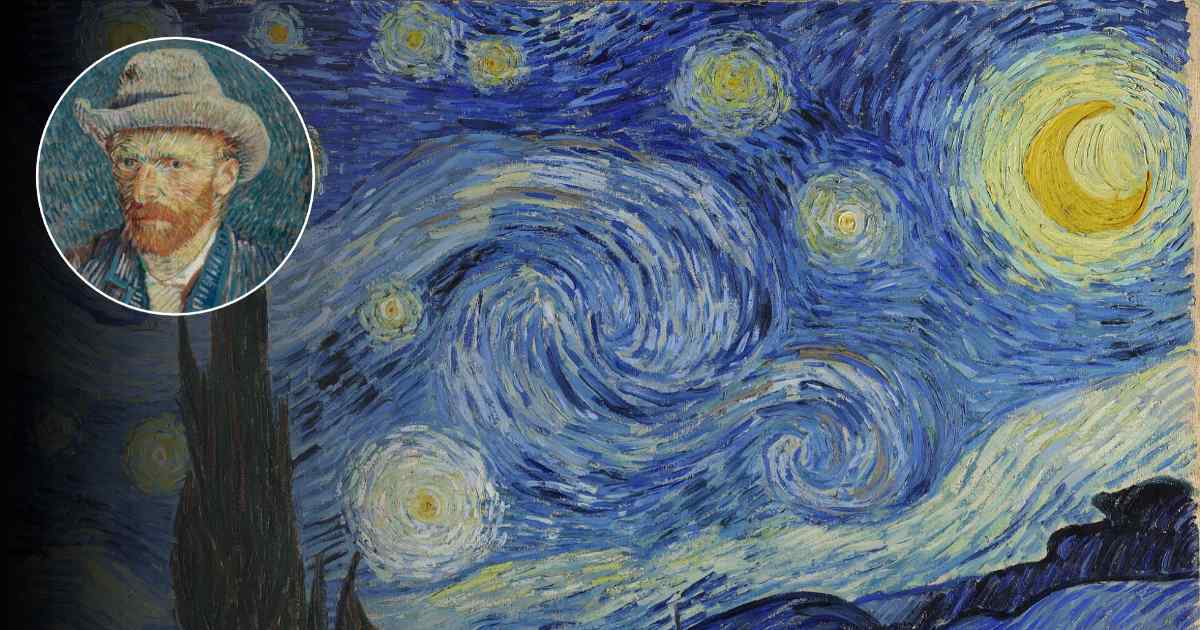
Vincent van Gogh's The Starry Night is perhaps among the most recognizable works of art in the world, and for over a century, it was thought to have been born of the Dutch Post-Impressionist painter's imagination and memories. However, a new study published in Scientific Reports suggests that the iconic artwork may have been inspired more by observation, depicting the actual sky on July 22, 1889.
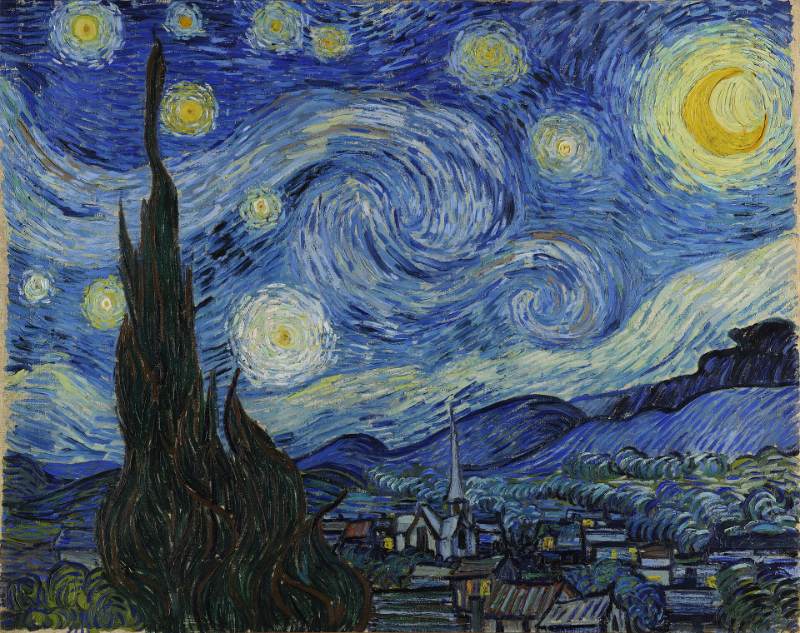
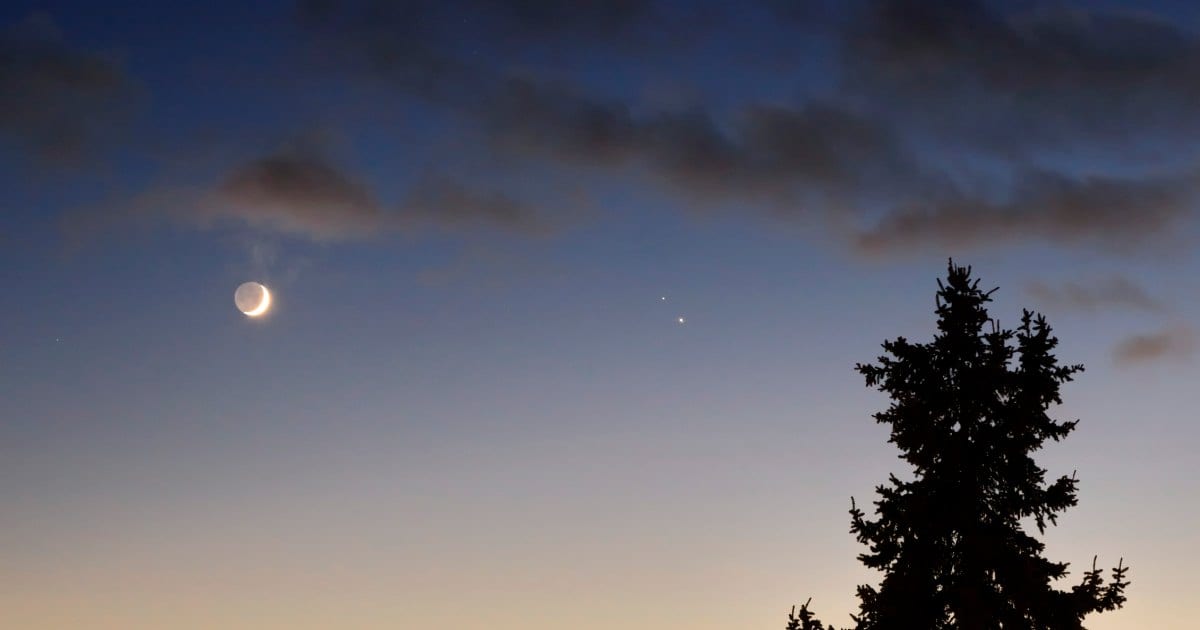
Painted in 1889, The Starry Night is conventionally thought to have been created in June. However, researchers from South Korea argue in the new study that the painting depicts a particular celestial arrangement involving a waning crescent Moon, our planetary neighbor Venus, and the Hyades open star cluster in the Taurus constellation—a view that would have been visible in the pre-dawn hours of July 22 from the quarters of van Gogh, who at the time was at the Saint-Paul-de-Mausole asylum in Saint-Rémy-de-Provence, France. Given the close resemblance of this particular celestial arrangement to the stars depicted in van Gogh's painting, the study also calls for a reconsideration of the June dating of the artwork.
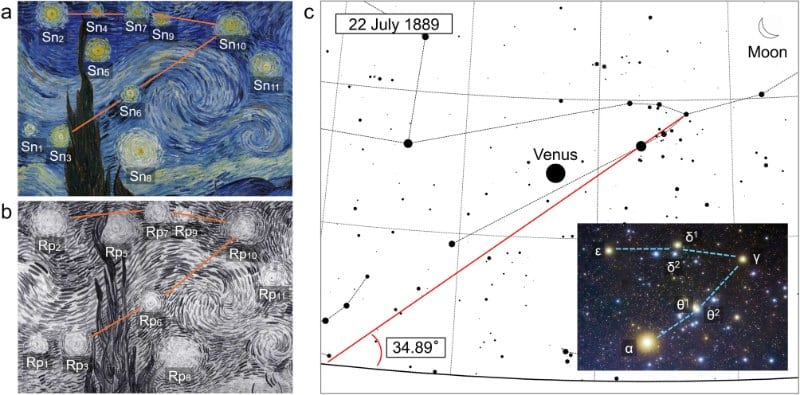
After nearly a century of being interpreted in symbolic and religious terms, there was an attempt to decipher The Starry Night in astronomical terms in the mid-1980s, but these efforts reached mutually exclusive conclusions. The new study—led by Elijah Jeong-hyun Kim, CEO of South Korean robotic telescope firm SLLAB and a Ph.D. candidate at Kyung Hee University—challenges this, using astronomical records and observational geometry.
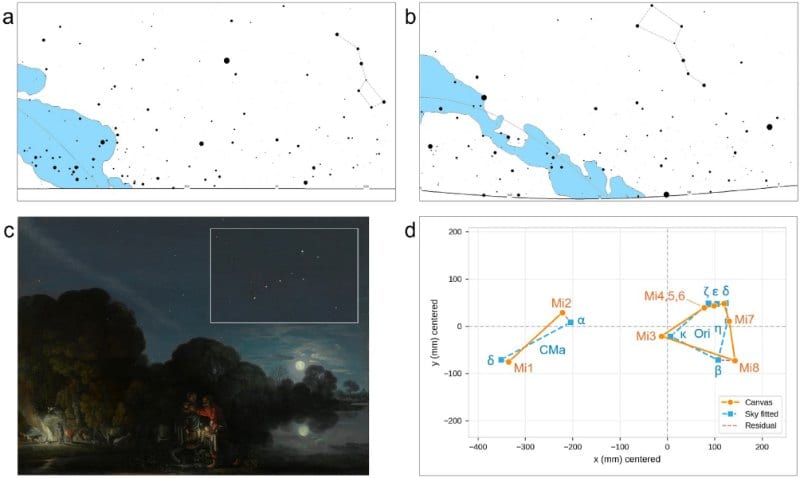
"Modern telescopes are equipped with a function called astrometry, which compares an image of the night sky with celestial coordinates stored in a computer and automatically extracts the coordinates of the image," lead author Kim told Space.com, adding that they used "Procrustes analysis, a method that compares only the 'shape' of two sets of points." Kim explained that this method was the "right fit" because, in a painting, a star cluster can be depicted as larger or smaller than it appears in reality. "It allowed us to explain, in quantitative terms, what earlier studies had described only qualitatively as 'resembling a certain constellation,'" he added. In addition, Kim and the team considered van Gogh's field of view, the positions of the Moon and Venus, and the appearance of the sky in the pre-dawn hours of July 22 to rule out mismatches. This method not only helped the researchers identify the subject of The Starry Night, but also allowed them to match the sky depicted in van Gogh's 1888 painting Café Terrace at Night to a recognizable star pattern (or asterism) known as the Summer Triangle.
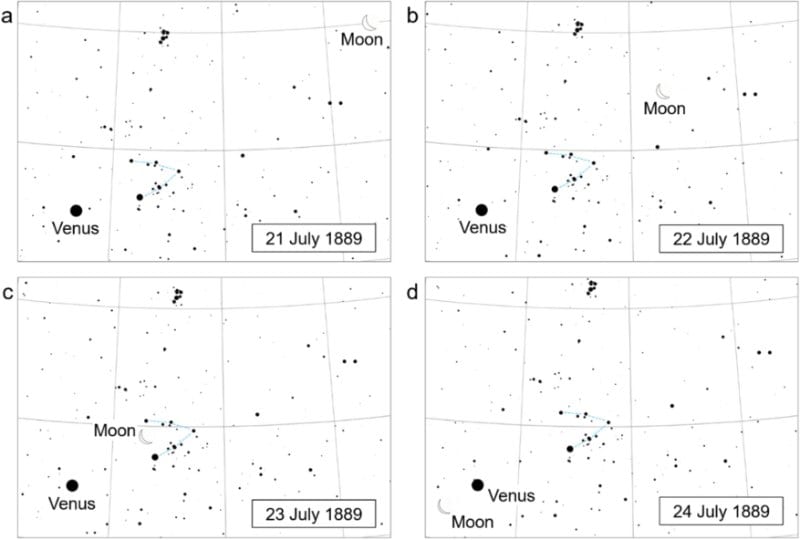
The mid-June dating of The Starry Night—widely accepted by art historians—is based on a letter written by van Gogh to his brother Theo around June 18, where the Dutch painter stated that he had "a new study of a starry sky." However, according to Kim's simulation, the sky on this date would not match the details in the painting. While van Gogh depicted a waning crescent Moon, the Moon would have been a waning gibbous around mid-June 1889. Kim further explained that the sky in mid-June would also have no noticeable star patterns on display, telling CNN, “...around June 19 is close to the summer solstice, when no impressive stars rise in the pre-dawn sky.”
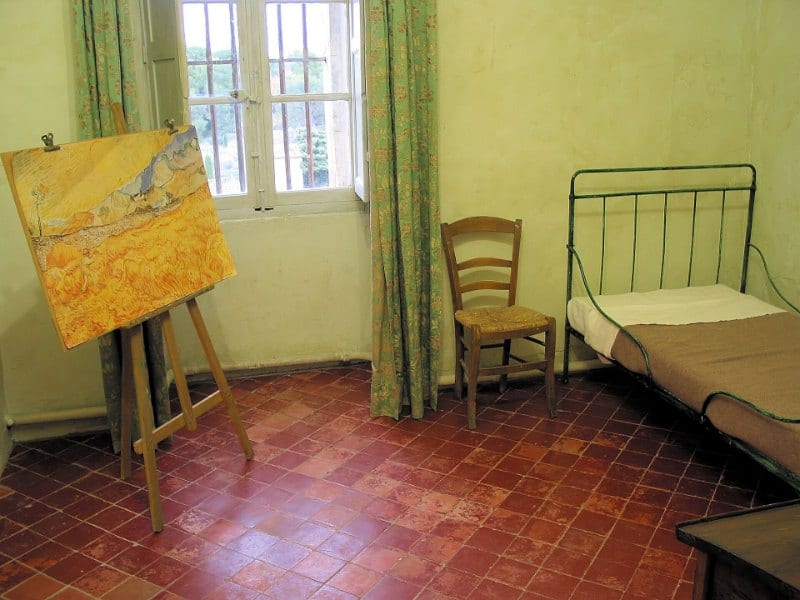
This new observational interpretation of The Starry Night is bound to stir debate, but a previous examination of van Gogh's masterpiece may actually support the proposed July time period. This analysis, cited in the study, suggests that van Gogh deliberately left places unpainted for the stars, and filled them in only after completing the painting of the blue sky. "The arrangement of the stars, in other words, was not added improvisationally as the sky was filled in but was a compositional element fixed at an early stage of execution. This therefore supports ... that the arrangement of the central asterism was deliberately planned in advance," the study asserts. However, whether a re-dating of The Starry Night—which is exhibited at the Museum of Modern Art of New York—takes place in light of the study's findings remains to be seen.
More on Starlust
The Moon will glide by Saturn this weekend: When, where and how to watch it
October's Full Moon 2026: When and how to photograph the ‘Hunter’s Moon’