Orionid meteor shower 2026 peaks tonight: How to photograph the phenomenon? Some useful tips
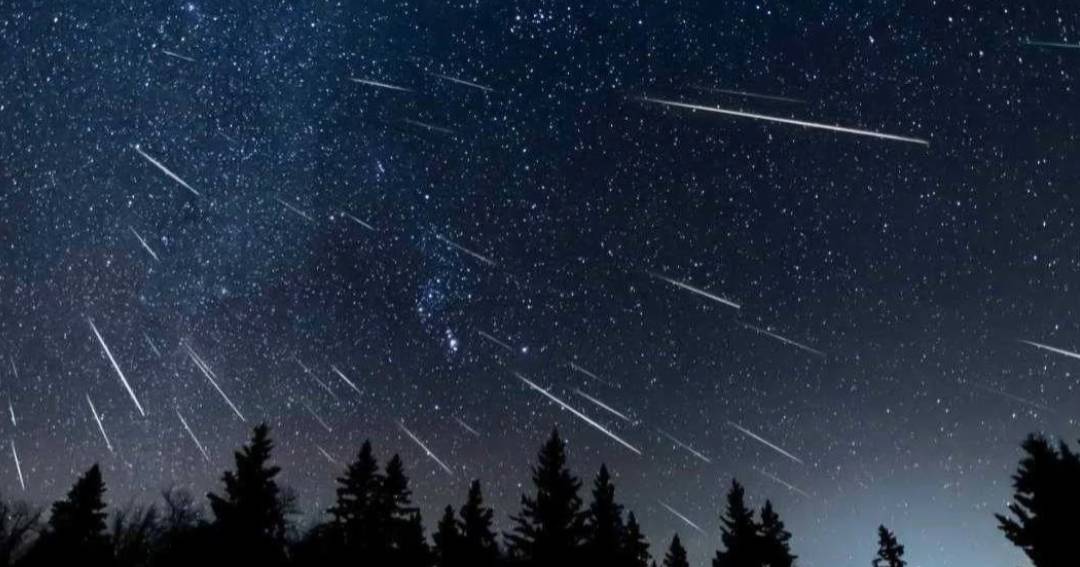
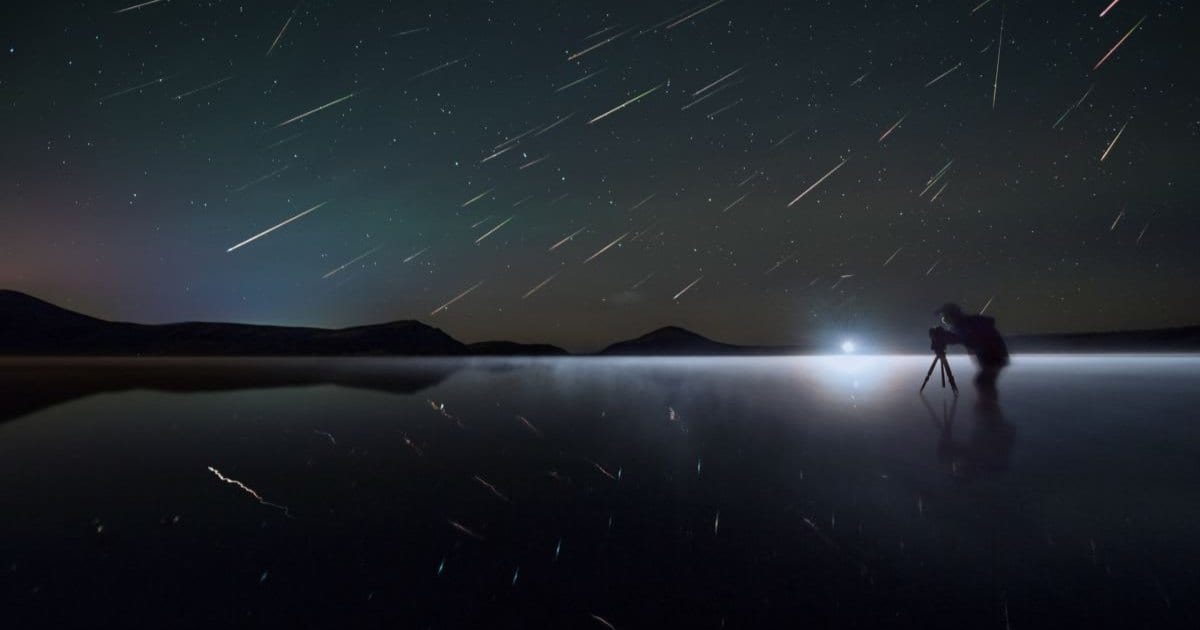
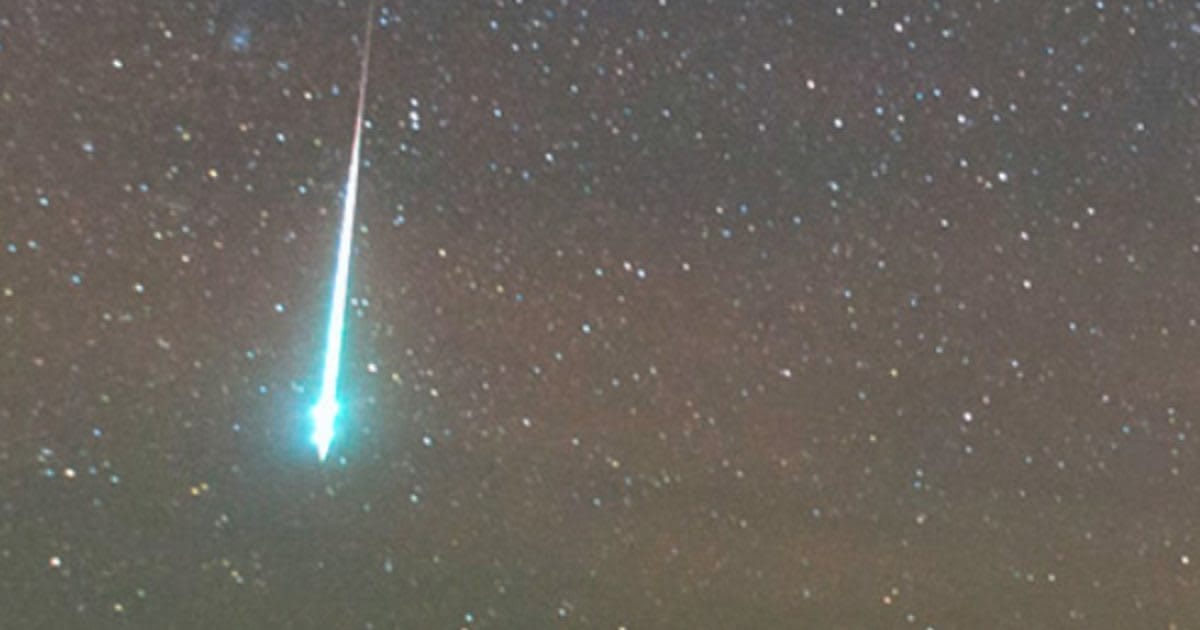
Skywatchers are in for a treat as the Orionid meteor shower will be lighting up the sky tonight. Considered among the most fascinating showers of the year, the Orionids are active from October 2 to November 7, and will peak on October 21–22. The shower originates from the debris of Halley’s Comet and gets its name from its radiant, located near the Orion constellation. Yielding roughly 10 to 20 meteors an hour, the shower offers favorable viewing conditions in the U.S., though a bright waxing gibbous Moon could hinder the visibility of some of the dimmer meteors.
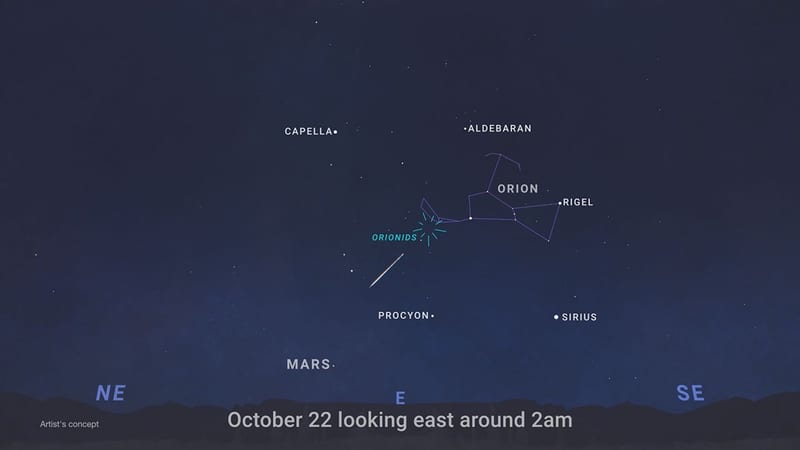
When and where to watch the Orionid meteor shower 2026
The best viewing chances are in the pre-dawn hours, after the lunar disk sets at approximately 3 a.m. local time and the shower's radiant climbs higher. The shower is visible from both hemispheres, though conditions vary by location. You can catch these shooting stars streaking anywhere in the sky, though they will appear to radiate from Orion, which you can find high in the eastern sky after midnight.
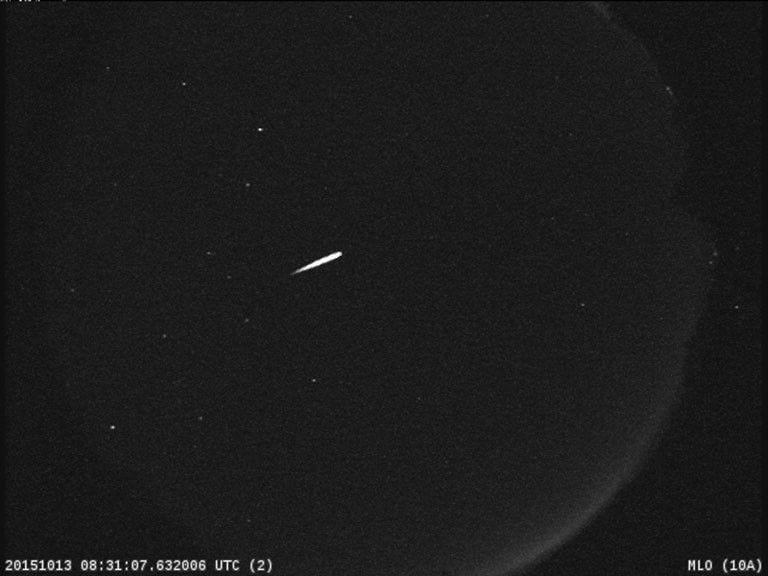
How to photograph the Orionid meteor shower 2026
Although the shower peaks tonight, it will be active until November 7, and hence, you can enjoy capturing it from different angles until then. These are the basic items needed for capturing impressive photographs of a meteor shower, according to the American Meteor Society:
DSLR Camera
Fast, wide-angle camera lens
Intervalometer
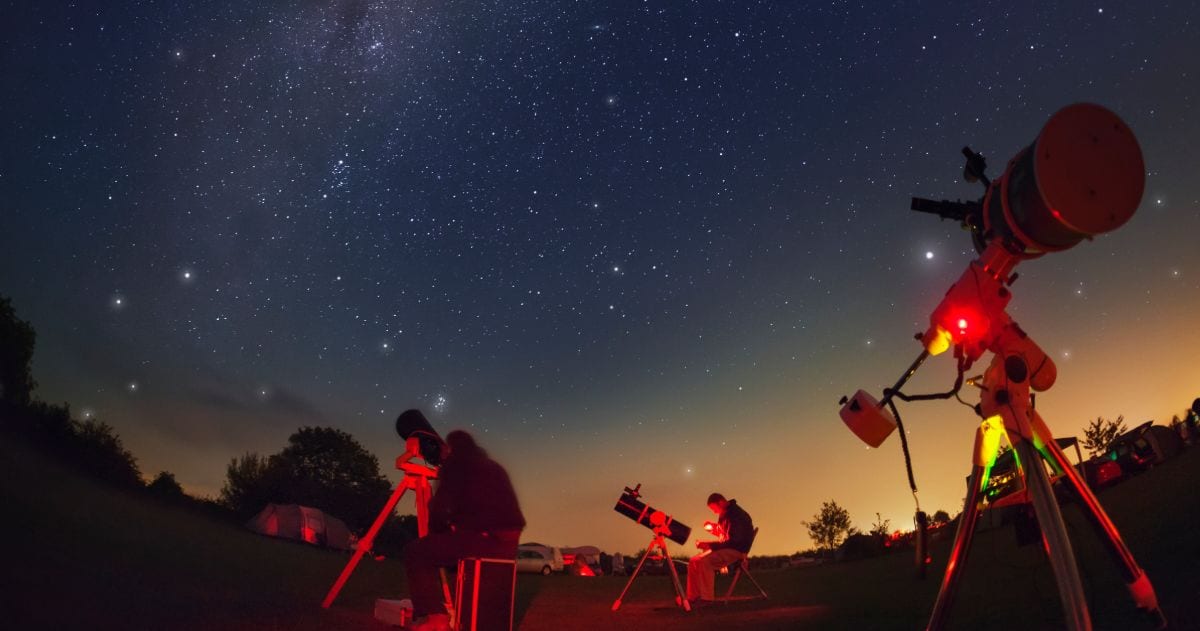
Tripod
Large-capacity memory card (16 GB or higher)
Extra Batteries, AC power supply, or DC power adapter & large battery
Dew heater
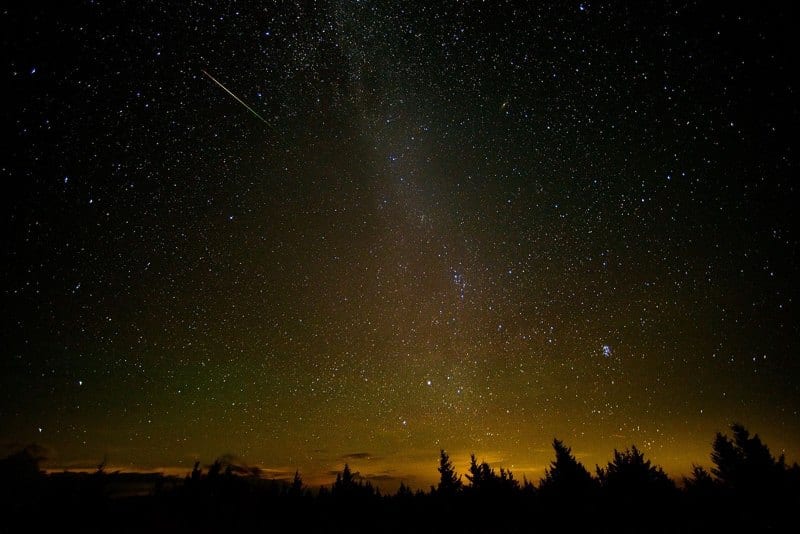
Here are some tips for photographing the shower using a DSLR or mirrorless camera. You can also use any point-and-shoot camera with manual controls.
Find a dark location far from city lights
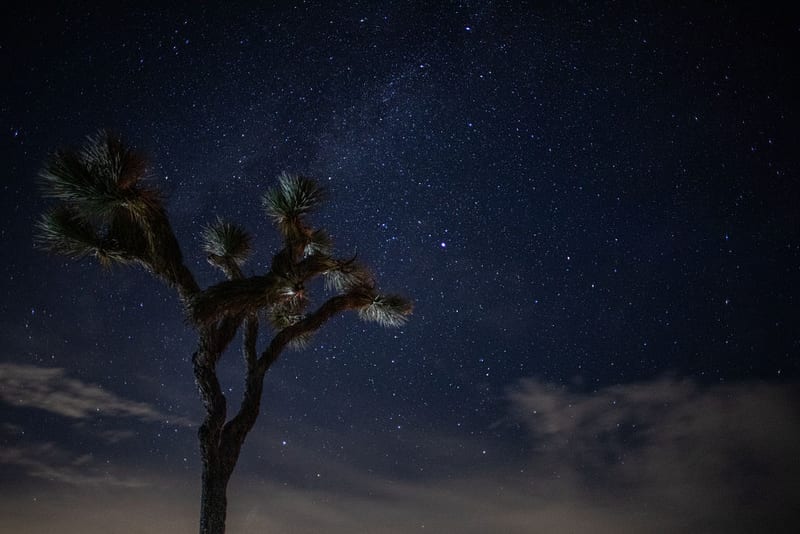
Select a dark location away from the city, preferably a certified national park in the U.S. A clear sky is crucial for photographing meteors, so find a spot offering a clear, open view of the night sky. Let your eyes slowly adapt to the darkness, which takes around 20 to 30 minutes. Lower the brightness of your camera's LCD screen to preserve your night vision. Note that the Moon, which will be in its waxing gibbous phase, will be roughly 78% illuminated on the night of October 21–22, and hence, moonlight's glare may make some of the dimmer meteors tougher to spot. Frame your shot toward a darker part of the sky to improve your chances of capturing fainter streaks.
Place the tripod, camera, and lens
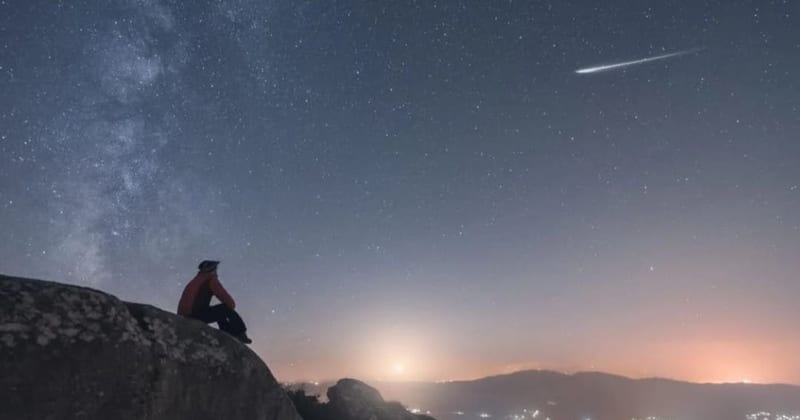
A tripod is a must, as it keeps a camera steady during long exposures. A sturdy tripod decreases the shaking generated by wind. Also note that for long exposures, pressing the shutter may create issues. Make use of your camera's self-timer, which provides a brief pause after you press the shutter, reducing the chances of camera blur. A much better option is to use an intervalometer, which lets you avoid touching the camera altogether and can automatically trigger the camera shutter at set intervals.
Use these camera and lens settings
A DSLR or mirrorless camera with manual exposure controls is ideal for meteor photography, as it gives you complete control of the aperture, shutter speed, and ISO. Photographers should use a fast lens to record fainter meteors, since a high f-ratio means missing most of them. An aperture under f/2.0 is ideal, according to the American Meteor Society. Lenses up to f/2.8 can give you effective results, but results may fall off sharply if you go beyond f/3.0.
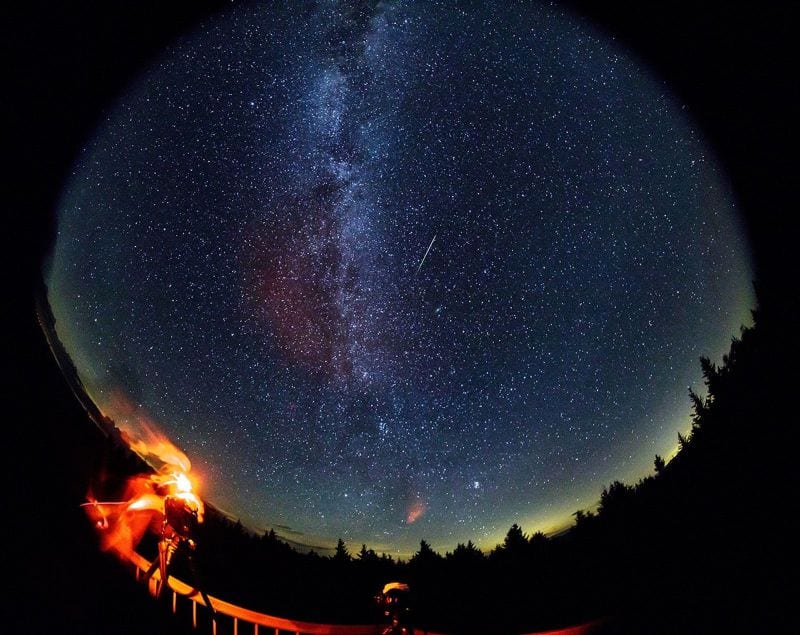
Set the camera's ISO to around 400-800 based on conditions. Set the exposure time to around 10-25 seconds. You can adjust these and the f-number according to your camera, lens, and sky conditions. Note that a higher ISO can reveal fainter meteors but may introduce more image noise. NASA recommends using the 500 rule as a rough guide to avoid star trails. The rule is to divide 500 by your lens' full-frame-equivalent focal length to estimate the maximum exposure time in seconds. For example, a 20-mm lens gives approximately 25 seconds. Review test images and adjust your exposure until stars appear sharp and the sky is not excessively bright.
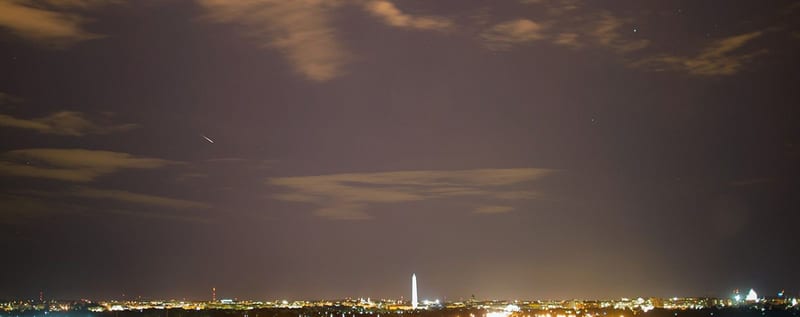
A smartphone can also work if it offers a dedicated night mode or manual controls that allow long exposures. Mount it securely on a tripod and use a remote shutter, timer, or interval-shooting function to reduce camera shake.
Focus manually and photograph continuously
Using autofocus can make you struggle in the dark, so switch to manual focus and carefully focus on a bright star. Take a test image and zoom in to check that the stars look sharp. Once satisfied, avoid accidentally moving the focus ring. Use an intervalometer, a remote shutter, or your camera's built-in interval shooting function to take consecutive exposures throughout the observing session. Since meteors appear unpredictably, capturing many frames significantly improves your chances of recording one. Carry spare batteries and memory cards, and check the lens periodically for condensation.
More on Starlust
Spot Capella, Arcturus and Sirius: 3 bright stars are dazzling the October night sky
The Moon will glide by Saturn this weekend: When, where and how to watch it