Watch the Orionid meteor shower peak this week: City-wise timings in the U.S. for best views

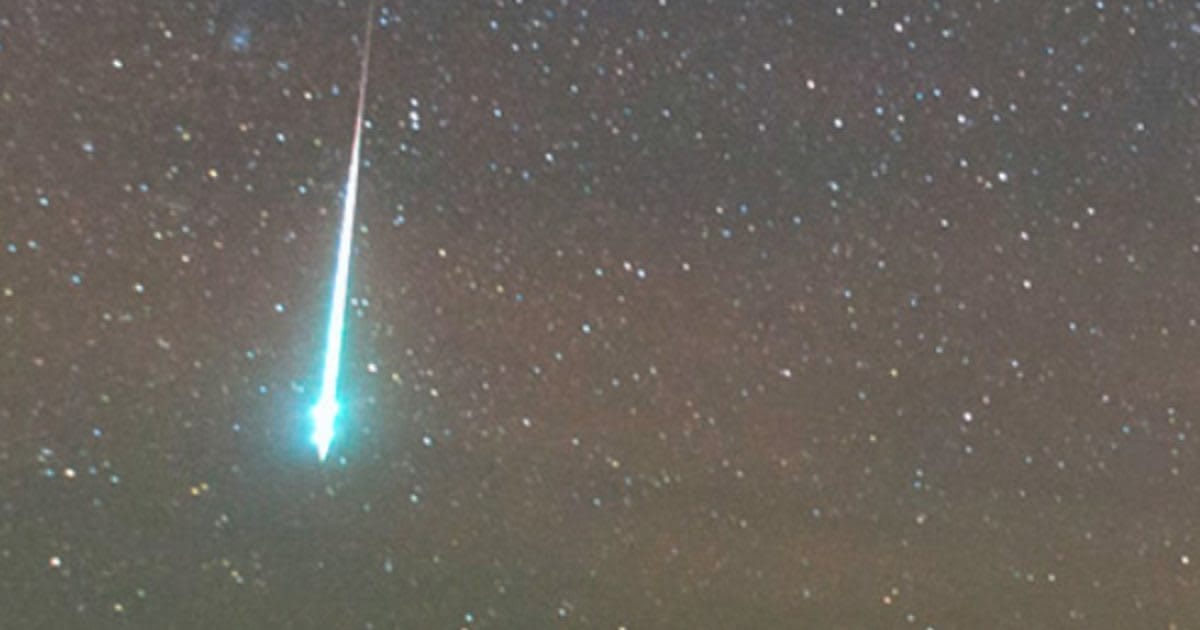
This week is quite an exciting one for stargazers. While the approaching Hunter's Moon and its close pass by Saturn are major highlights this month, the Orionid meteor shower will also be lighting up the sky. The shower, which is active from October 2 to November 7, will reach its peak on October 21–22, according to NASA. Produced by debris from Halley’s Comet, the shower is expected to produce around 10 to 20 meteors per hour. Although the shower's visibility is good in the U.S. this year, a bright waxing gibbous Moon may obscure some of the fainter streaks.
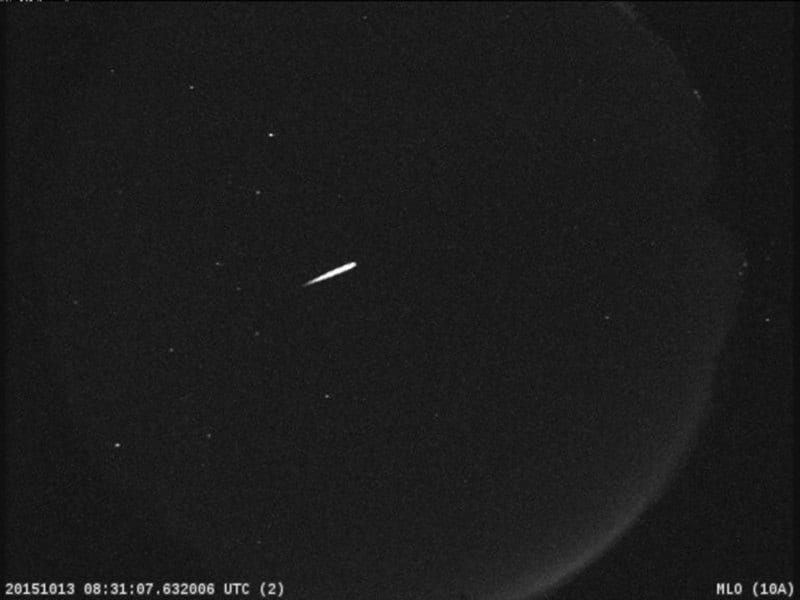
When to watch the Orionid meteor shower 2026: City-wise timings in the U.S.
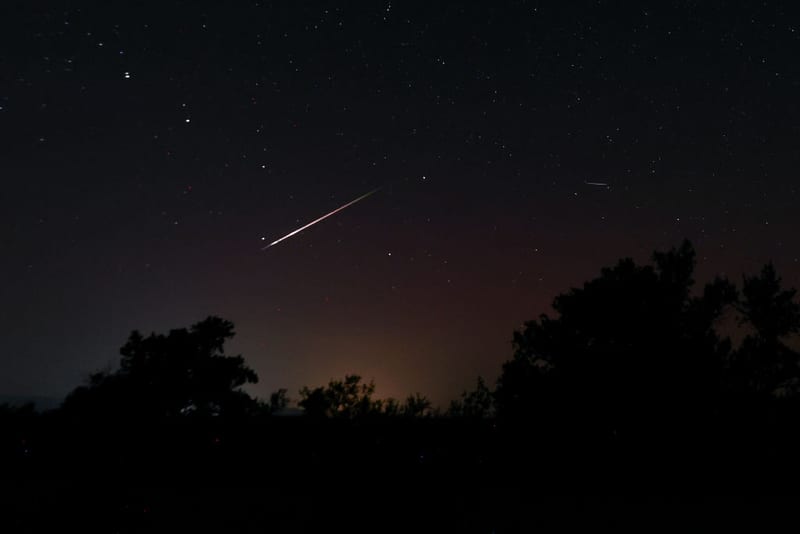
The best view of the Orionids will be during the pre-dawn hours, following the setting of the Moon. The meteors in a meteor shower seem to radiate from a particular region in the sky, called the radiant. In the case of the Orionids, the radiant is located in the Orion constellation, which is home to the star Betelgeuse. The table below depicts the rising and setting timings of the Orionid meteor shower radiant in a few prominent cities in the U.S., based on information from TimeandDate.com. However, note that the radiant's rise and set times are not the same as the shower's peak time. The shower peaks when the radiant is highest in the sky, around 3 a.m. local time.
U.S. City | Rise time of radiant (shower origin) | Set time of radiant (shower origin) |
|---|---|---|
New York | 22:16 EDT on 21 Oct 2026 | 12:17 EDT on 22 Oct 2026 |
Los Angeles | 22:25 PDT on 21 Oct 2026 | 12:01 PDT on 22 Oct 2026 |
Chicago | 22:08 CDT on 21 Oct 2026 | 12:14 CDT on 22 Oct 2026 |
San Francisco | 22:35 PDT on 21 Oct 2026 | 12:24 PDT on 22 Oct 2026 |
Boston | 22:00 EDT on 21 Oct 2026 | 12:09 EDT on 22 Oct 2026 |
Seattle | 22:12 PDT on 21 Oct 2026 | 12:47 PDT on 22 Oct 2026 |
Washington D.C. | 22:32 EDT on 21 Oct 2026 | 12:25 EDT on 22 Oct 2026 |
Houston | 23:01 CDT on 21 Oct 2026 | 12:22 CDT on 22 Oct 2026 |
Dallas | 23:02 CDT on 21 Oct 2026 | 12:33 CDT on 22 Oct 2026 |
Where to watch the Orionid meteor shower 2026
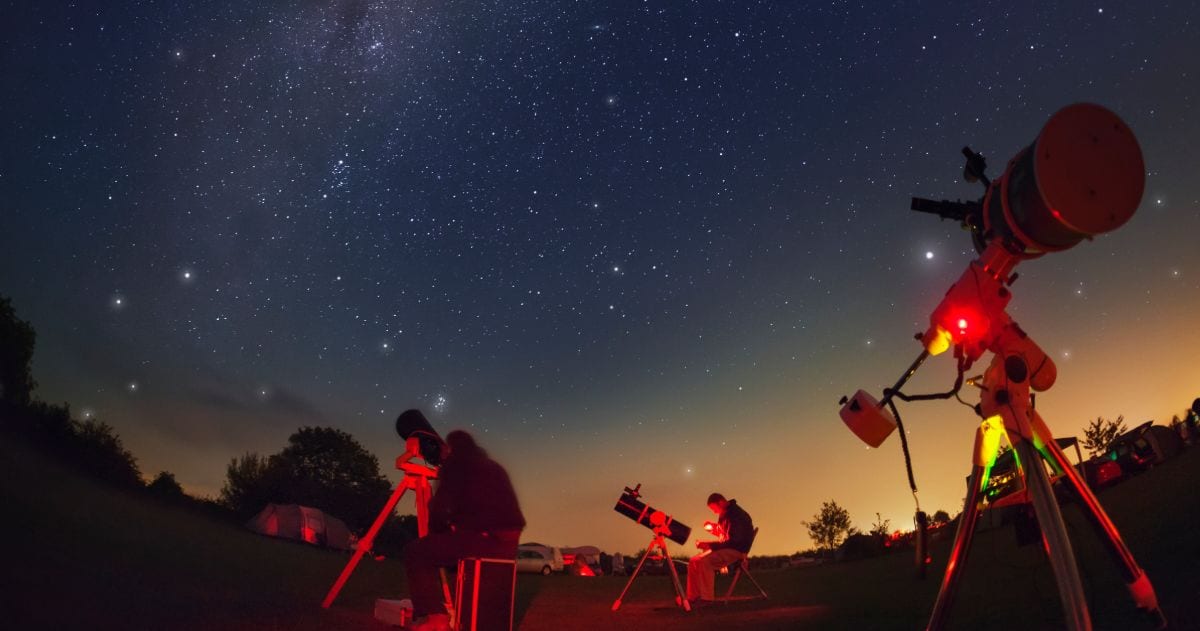
The Orionids can be observed from both the Northern and Southern Hemispheres, with viewing conditions changing based on the skywatcher's location. The meteors will seem to originate from the Orion constellation, which you can spot by looking high in the eastern sky after midnight. For the best viewing chances, find a dark location away from streetlights, buildings, and other sources of artificial illumination. Choose a spot with a wide, unobstructed view of the sky, and give your eyes about 20–30 minutes to adjust to the darkness. Generally, a telescope or binoculars is not required. In fact, the naked eye is better suited for meteor watching because it lets you see a wider area of the sky.
More on Starlust
Spot Capella, Arcturus and Sirius: 3 bright stars are dazzling the October night sky
October's Full Moon 2026: When and how to photograph the ‘Hunter’s Moon’