The Moon will glide by Saturn this weekend: When, where and how to watch it
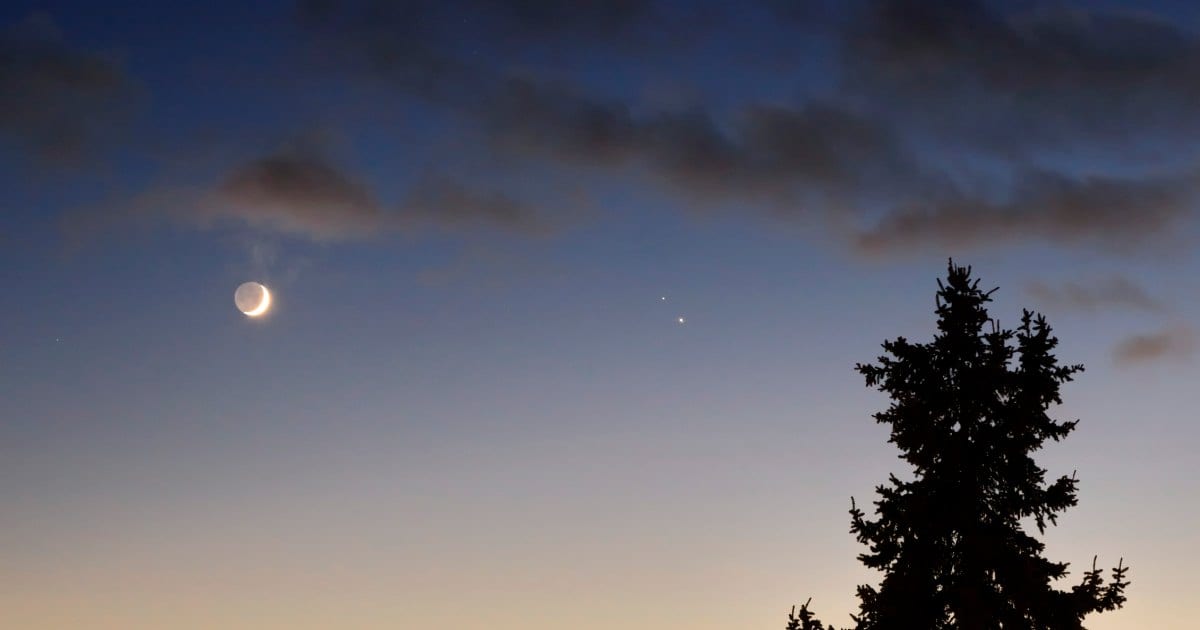
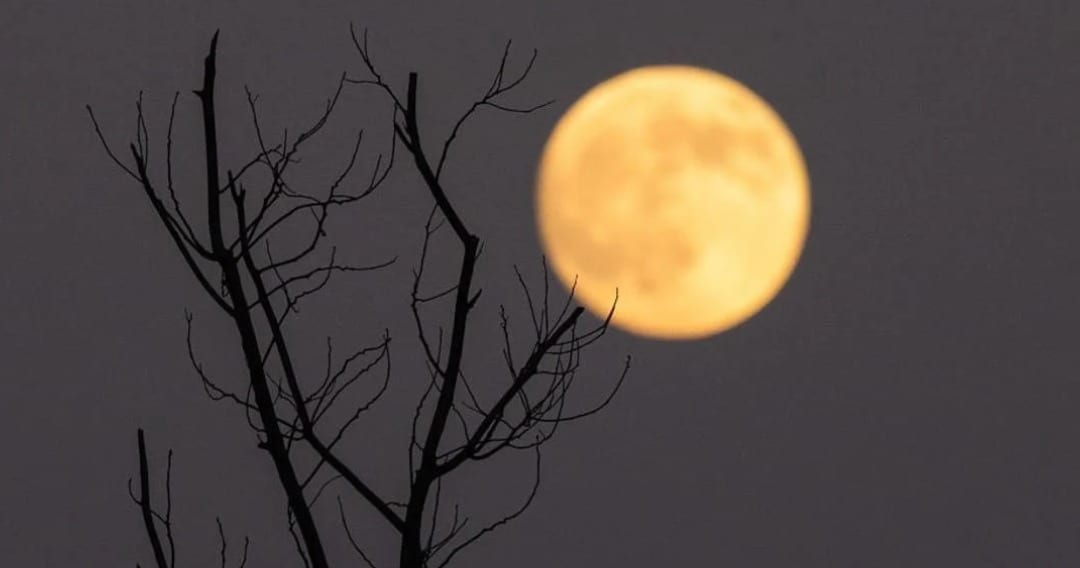
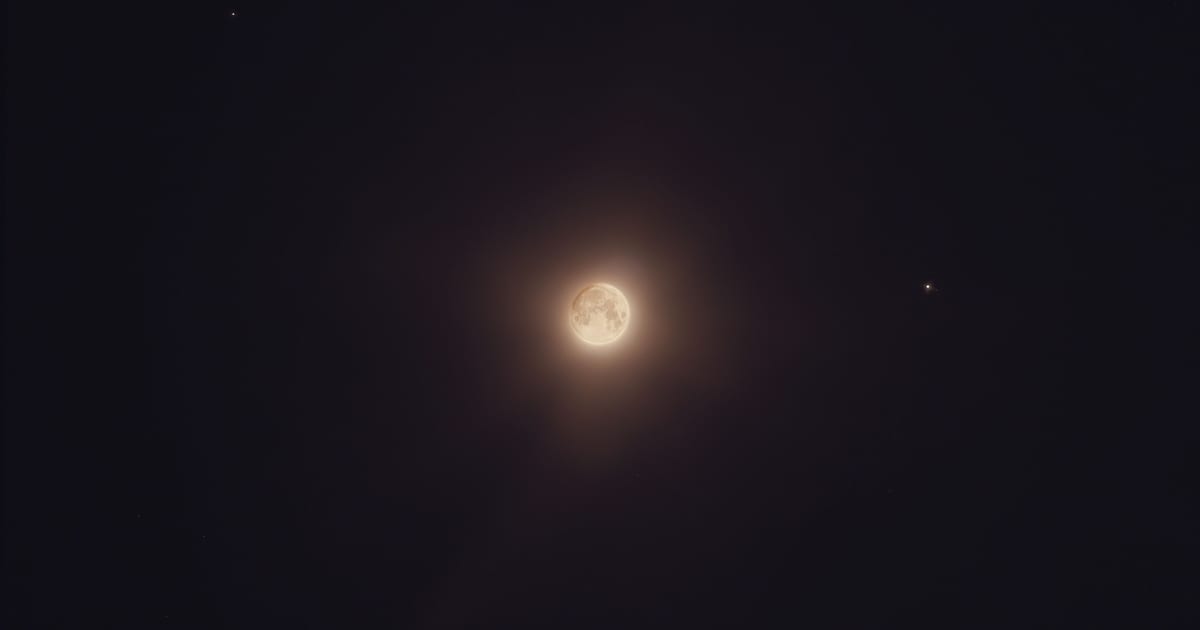
Moonlight will be stealing the show in the coming days, as the Moon will be bright all week, from October 23-29. What's more, an almost-Full Moon will be gliding past a yellowish Saturn around October 23–24, providing a reference point to spot the ringed planet. Although the bright Moon will outshine the dimly lit stars nearby, Saturn, being bright enough, can be viewed with the naked eye. Using a telescope can further reveal Saturn's famous rings.
The Moon, which reached first quarter on Sunday, October 18, is currently in its waxing gibbous phase and will attain its Full Moon phase on Monday, October 26 (October 25 in certain time zones).
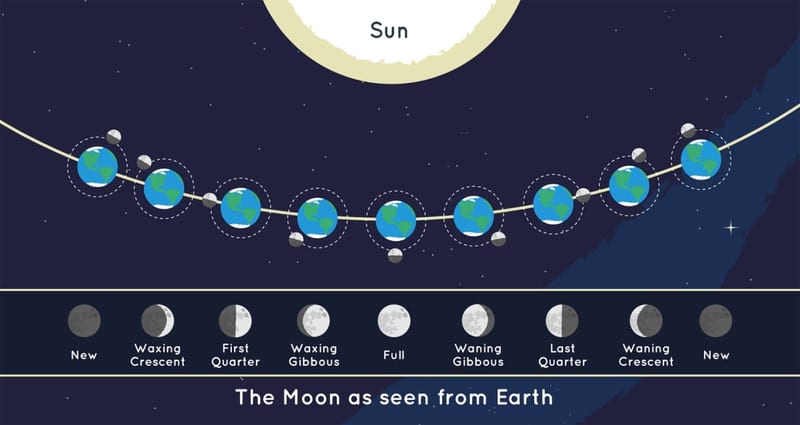
For stargazers, the month of October is Saturn time, as the ringed planet is displaying a fine celestial show this time of the year. The planet attained opposition earlier this month on October 4, when Earth was positioned between the Sun and Saturn, signaling the peak of its visibility this year, according to NASA.
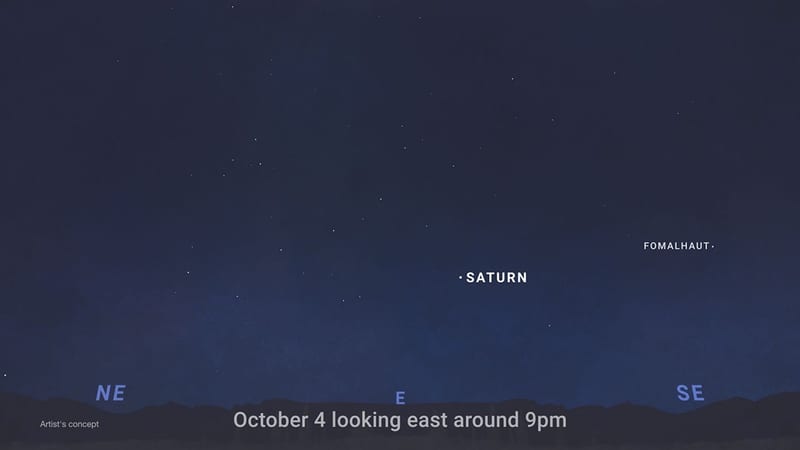
When and Where to watch it
During the evening hours of October, you can spot Saturn as a steady golden light in the eastern sky, which can be seen throughout the night. After rising in the eastern sky around sunset, it reaches its highest point in the south at midnight, and sinks low in the western sky prior to sunrise, according to the Farmers' Almanac. It outshines everything in that part of the sky, except the Moon drifting by.
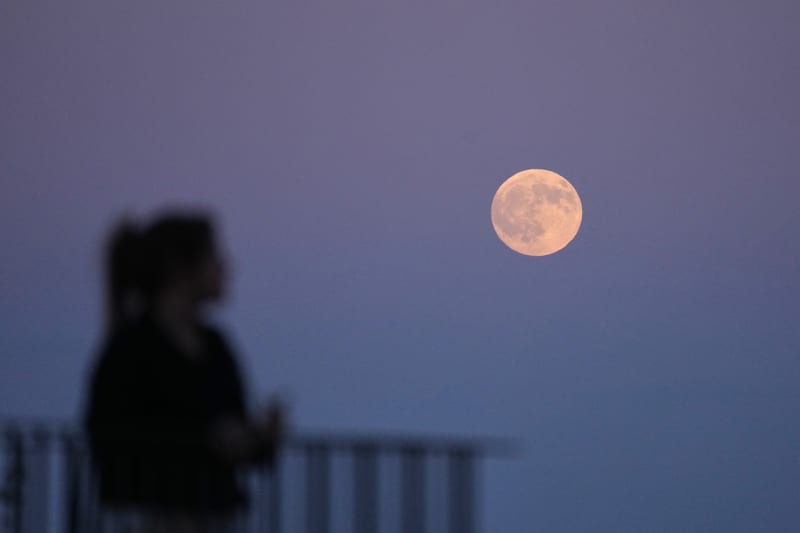
You can view the celestial meetup on October 23, when Saturn will appear to the lower left of the waxing gibbous Moon around dusk, according to the McDonald Observatory. As the night progresses, the planet will appear farther to the left of the Moon. On October 24, Saturn will appear to the right of the nearly full Moon as darkness falls. Their apparent positions will change throughout the night as both objects move across the sky. At this time, Saturn will be a few weeks past its opposition, but it still would be easily visible with the unaided eye. The Moon will be seen moving farther eastward with every passing night from October 21–24 as the bright gibbous Moon waxes, according to a blog post by astronomy educator Dr. Jeffrey L. Hunt. Around the middle of October, you’ll notice Saturn missing from the pre-dawn sky. Earth’s movement around the Sun is the reason: Saturn climbs higher in the east at dusk as the weeks go by, and will be setting before sunrise.
How to watch it
Saturn can be spotted with the naked eye in October. A telescope can further reveal the famous rings of the planet along with Saturn's moon Titan near the planet. Interestingly, Saturn's famous rings are now opening again. Through a telescope, Saturn appears as a disk about 20 arcseconds across. Magnifications of 150x to 200x generally provide the sharpest views, while higher powers can make the planet appear blurry. Saturn's rings will be tilted by 7.4°, revealing the entirety of the southern hemisphere and most of the northern hemisphere, according to Astronomy.com.
This intriguing celestial alignment will be followed by the most awaited event of the month, namely, the Full Moon phase on October 26, which is also referred to as the Hunter's Moon. The Moon will reach peak illumination at 12:11 a.m. EDT. At this time too, Saturn will be visible near the Full Moon in the sky as a steady, golden light. After this, the Moon will pass near the Pleiades star cluster, also known as the Seven Sisters, on October 27–28.
You can also spot other planets visible at this time of the year, namely Mars and Jupiter in the eastern sky before dawn, with Jupiter outshining the former. They will approach each other as the weeks pass by. Also, Neptune and Uranus are visible through binoculars or a telescope on October evenings. Meanwhile, Venus will attain inferior conjunction on October 23–24, according to Time and Date, with the planet traversing between the Sun and Earth, signaling its end as the "Evening Star." It will temporarily disappear in the Sun's glare before transitioning into the "Morning Star," emerging in the eastern sky after some weeks.
More on Starlust
October's Full Moon 2026: Peak date, city-wise timings and viewing tips for Hunter's Moon
Spot Capella, Arcturus and Sirius: 3 bright stars are dazzling the October night sky