Southern Taurid meteor shower will hit 2nd peak next week: When and where to watch the shooting stars
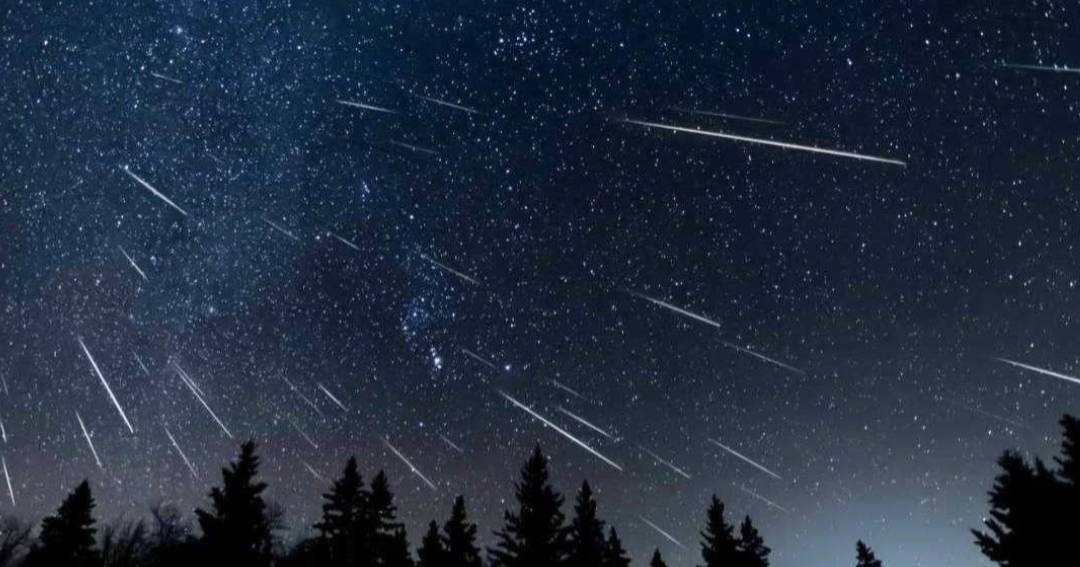
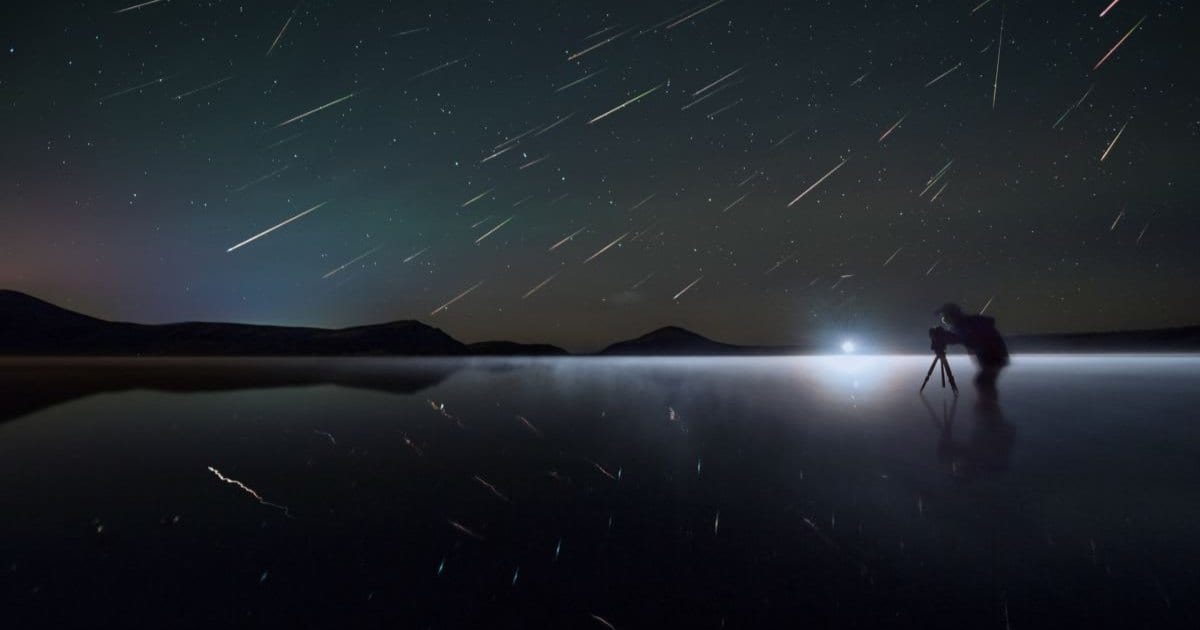
The coming months would be a great time to enjoy some stunning meteor shower shows, with the Leonids peaking in mid-November and the Geminids and Ursids peaking in December. But before these events, you can witness a show of slow-moving meteors and occasional spectacular fireballs in the form of the Southern Taurid meteor shower. This meteor shower will hit its second peak this year on the night of November 4–5.
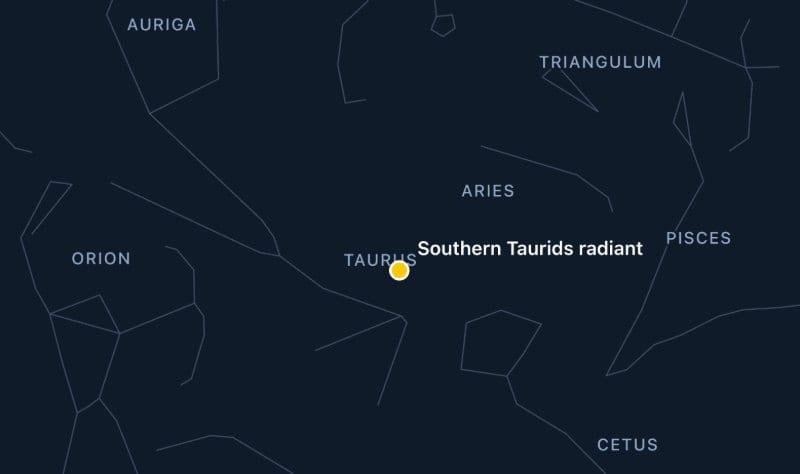
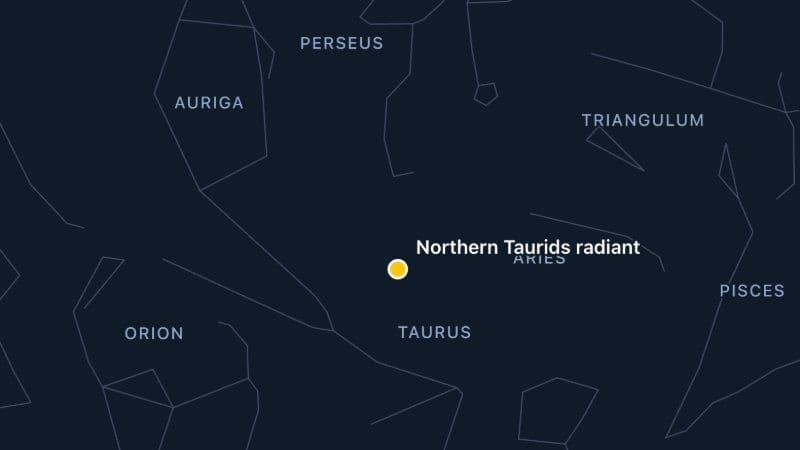
The two streams of the Taurid meteors, namely the Southern and Northern Taurids, have origins in the constellation Taurus the Bull. Both these streams run through late autumn, with overlapping active windows. The Southern Taurids are somewhat complex and comprise two key elements: the annual one, which peaked on October 14, and the fireball-swarm one, which will peak on the night of November 4–5. The Northern Taurids, meanwhile, will peak a little later on the night of November 11-12.
When and where to watch the Southern Taurid meteor shower?
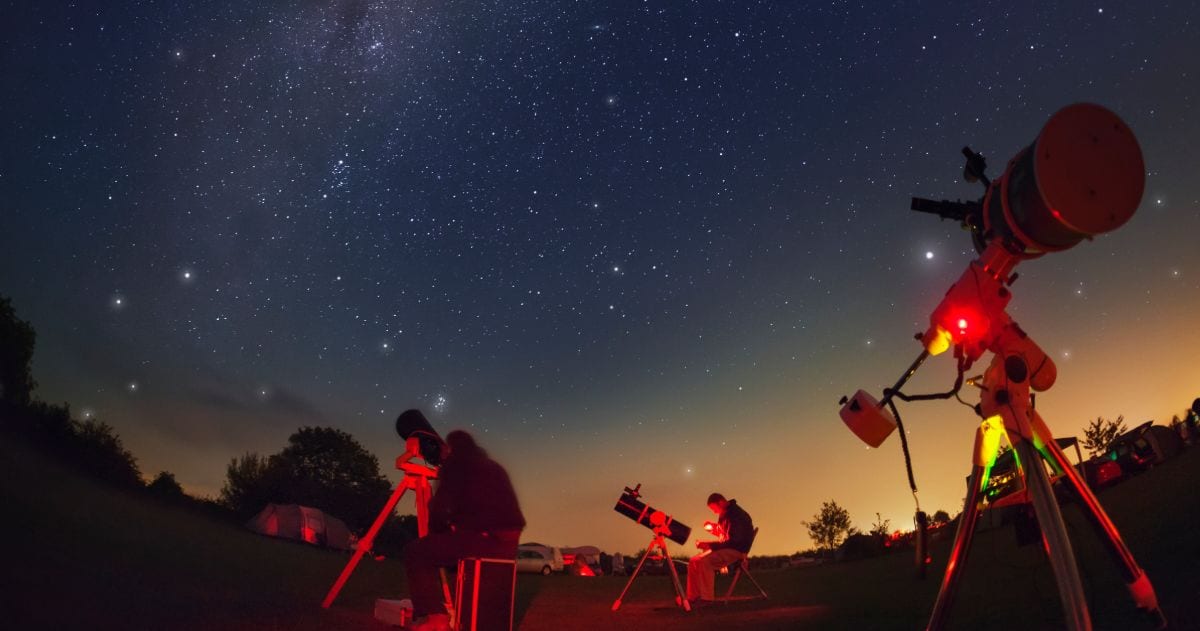
Excluding the South Pole region, the Taurid showers can be observed from any location on Earth. Skywatchers should aim for midnight, when the shower’s radiant, that is, the Taurus constellation, is high up in the sky. Try to observe the shooting stars from locations with clear skies and limited artificial lighting. If you can, head to a designated dark-sky site well away from the city, where the glow of streetlights won’t wash out the sky. That said, you do not need to look directly at the constellation to enjoy the shower. You can take in a wide stretch of sky, since meteors can be caught in any direction and the longest, most noticeable trails are easier to catch that way.
What to expect from the Southern Taurid meteor shower?
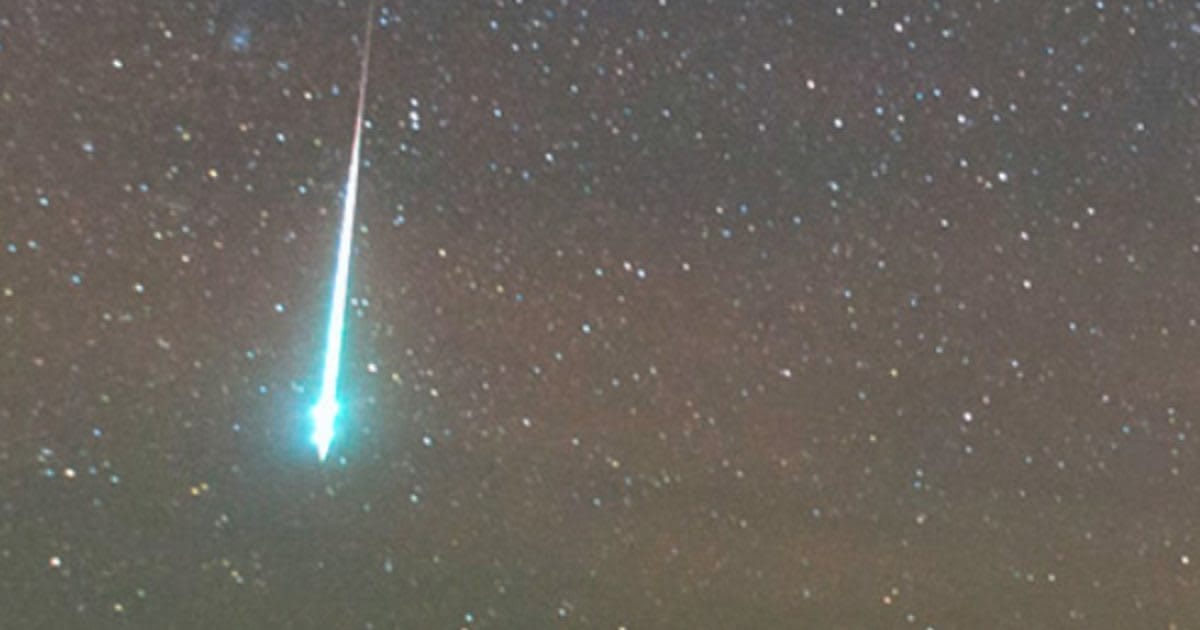
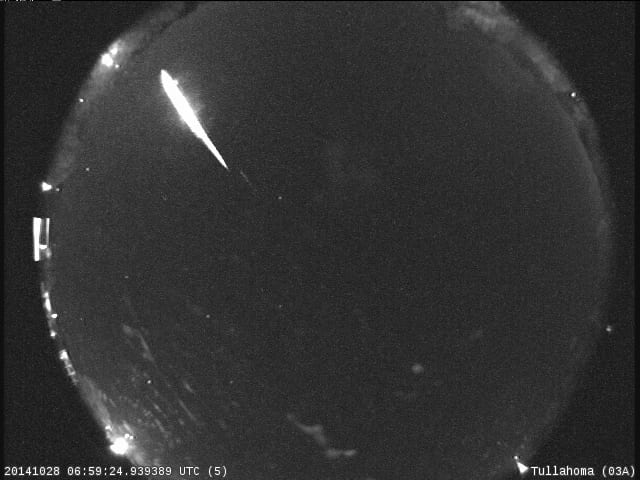
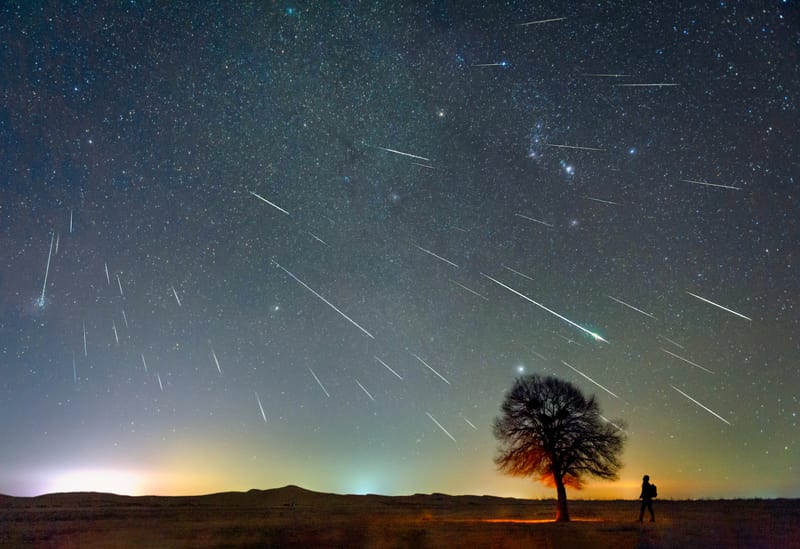
According to the American Meteor Society, the Moon will be in its waning crescent phase on the night of the peak and will have 26% of its visible side lit by the Sun. That said, even in ideal moonless conditions, the Taurids offer modest displays of roughly five meteors per hour. However, what makes Taurids stand out is their ability to generate more fireballs than any other meteor shower. These fireballs, which are known to shine with yellow, orange, green, red, and blue lights, can outshine ordinary meteors and sometimes remain visible for longer as they cross the sky. And because Taurid fireballs can be quite large, some scientists have put forward the “Taurid Resonant Swarm” hypothesis—implying that a bigger debris sits within the stream, producing periodic surges in fireball activity.
The origin of Taurids
The Taurids are traced back to Comet 2P/Encke, which was spotted for the first time by Pierre F. A. Mechain in 1786 and whose orbit was later calculated by Johann Franz Encke (after whom the comet got named). NASA reports that it spans almost three miles and completes an orbit in just 3.3 years, the briefest of any designated comet in the solar system. The “P” in its designation identifies it as a periodic comet with an orbital period of less than 200 years.
More on Starlust
Japan’s H3 rocket spotted in space after launching MMX mission to Martian Moon Phobos; watch video
Spot Capella, Arcturus and Sirius: 3 bright stars are dazzling the October night sky