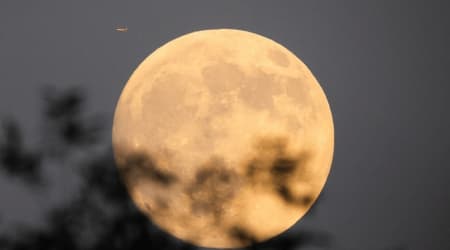
October's Full Moon 2026: When and how to photograph the ‘Hunter’s Moon’
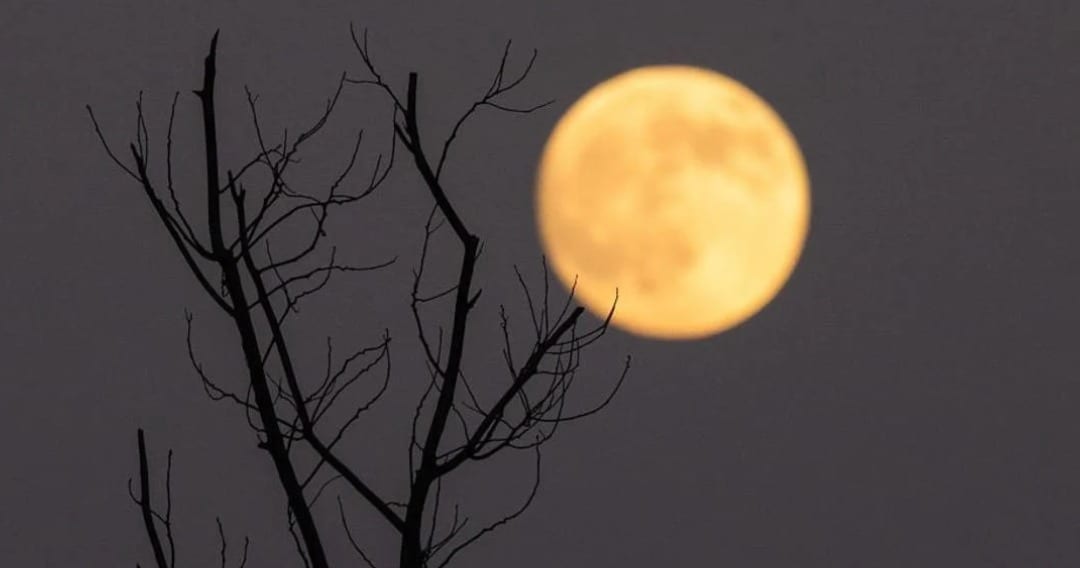
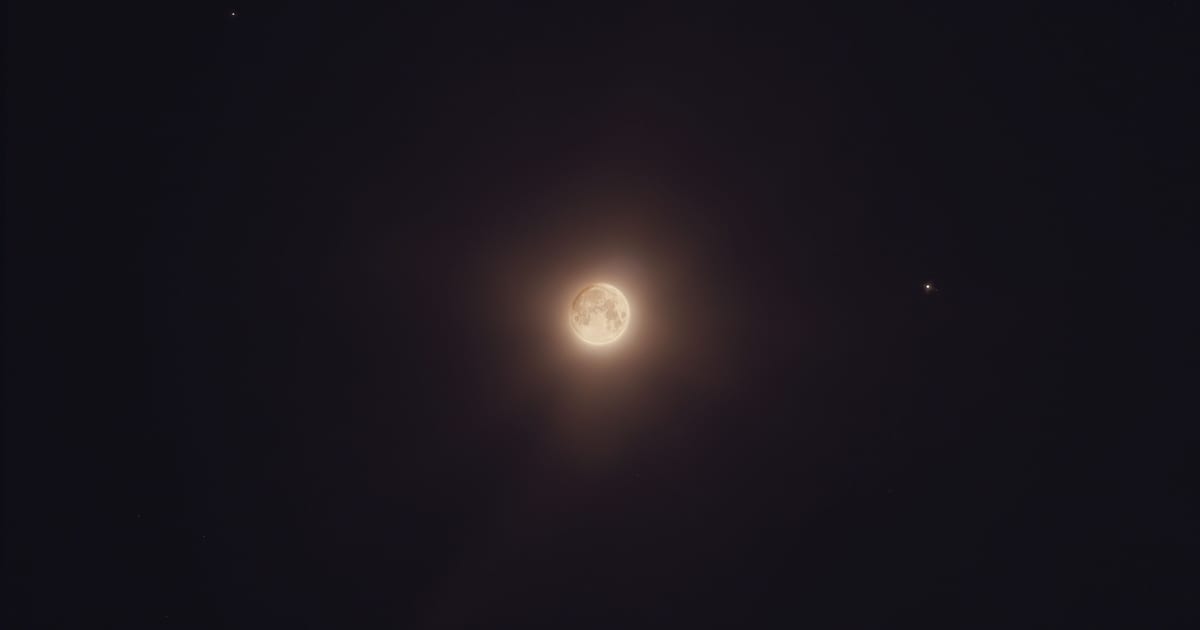
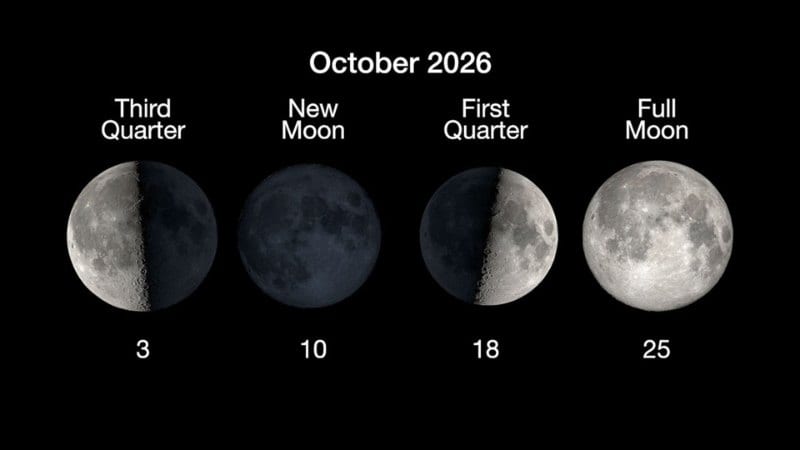
On October 26, the Moon will attain full illumination, giving skywatchers an opportunity to photograph a bright lunar disk, capture its surface features, and experiment with astrophotography using equipment ranging from smartphones to telescopes. This Full Moon is traditionally called the Hunter's Moon—a name that refers to the seasonal shift from harvesting crops to hunting for food.
When to watch the ‘Hunter’s Moon’
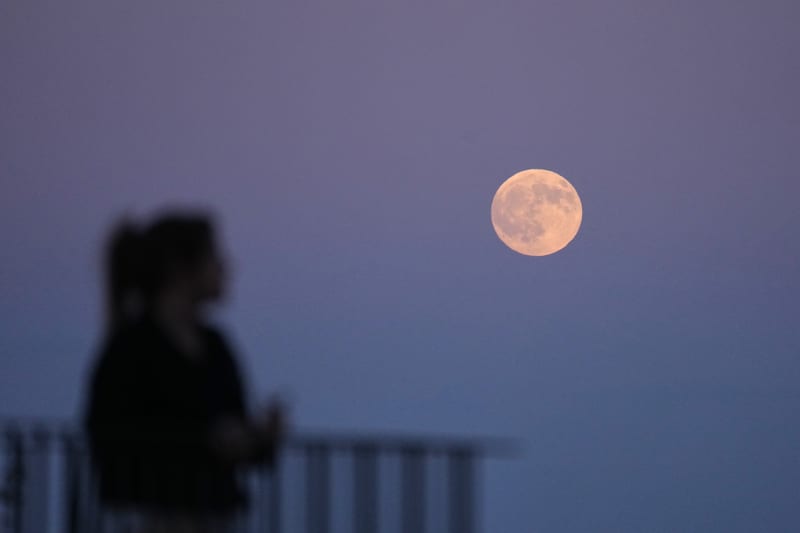
The Hunter's Moon will be reaching peak illumination shortly after midnight, at around 12:11 a.m. EDT, on October 26. However, according to Farmer's Almanac, the optimal time to view the Moon rise will be on the evening of October 25. For photographing the Moon, select a wide, open space where you can get a clear view of the eastern horizon, and start observing the lunar disk at sunset.
How to photograph the October 2026 Full Moon with a smartphone
A smartphone is sufficient to snap breathtaking images of the Moon, particularly when the goal is to include the surrounding landscape rather than reveal tiny craters. NASA's Lunar Photography Guide recommends stabilizing the phone, focusing directly on the Moon rather than the sky, and lowering the brightness to prevent the lunar disk from becoming a featureless white blob.
Step-by-step guide:
Stabilize the phone: Use a small tripod or rest the phone on a steady surface.
Set the scene: Include a tree, building, mountain, or other foreground features to add some context to the photograph.
Focus on the Moon: Switch off the flash and set focus on the lunar disk by tapping it on the phone's screen, if your camera app supports it.
Lower the exposure: Reduce the brightness slider until the Moon’s surface is no longer washed out and it appears gray instead of white.
Zoom in for a better view: Zooming in is necessary so that the Moon is not captured as a tiny white dot. Use a phone’s optical telephoto lens, if available. Note that digital zoom enlarges the image but may reduce detail.
Use a timer. A two- or three-second timer can help you avoid touching the phone while snapping the picture, thereby preventing camera shake.
For better results, try photographing the Moon during twilight or dawn, when the sky is not very dark relative to the bright lunar disk, so that your phone’s camera will have less contrast to handle.
How to photograph the October 2026 Full Moon with a camera
A DSLR or mirrorless camera gives you more control over exposure, focus, and image quality. According to Adobe, a 200mm or bigger telephoto lens makes it easier to capture surface details such as craters, mountains, and dark lunar plains. Additionally, a zoom lens (70–300 mm) offers flexibility for capturing the Moon and landscape.
Step-by-step guide:
Mount the camera on a tripod. This helps keep the composition steady, particularly when using a long lens.
Switch to manual mode. This allows you to control the aperture, shutter speed, and ISO independently.
Start with a low ISO: An ISO of 100 or 200 is ideal, as it can reduce image noise and preserve detail, according to B&C Camera.
Choose a suitable aperture: An aperture from f/8 to f/11 usually provides sharpness across the lunar surface.
Set a fast shutter speed: NASA explains that moonlight is reflected sunlight and recommends using a fast shutter speed and a smaller aperture to prevent motion blur and capture the Moon's surface features clearly. Canon recommends using a shutter speed of a minimum of 1/125th of a second with a telephoto lens.
Focus precisely. Use live view and manual mode to achieve desired focus on the Moon.
Review and adjust. If the Moon looks too bright, lower the ISO. Take several images with slightly different settings.
How to photograph the October 2026 Full Moon with a telescope
A telescope reveals details that are difficult to capture with a phone or a standard camera lens, including lunar craters, mountain ranges, and darker plains known as maria. You can always try to capture photos by simply placing your phone or camera against the telescope's eyepiece, but it's better to get an adaptor that will hold the phone or the camera in place for you.
Step-by-step guide:
Set up the telescope securely: Place it on a stable mount and allow yourself time to locate and center the Moon.
Adjust exposure and focus: Lower the phone’s brightness to preserve lunar detail. If using a dedicated camera attached to the telescope, focus using the telescope’s focusing mechanism.
Capture multiple images: Take several photographs and keep the sharpest ones. Note that atmospheric turbulence and small movements can affect clarity.
Try a close-up: Focus on a cratered region or on the terminator, the line separating the Moon’s illuminated side from its dark side, where long shadows can make the surface features easier to see.
More on Starlust
Spot Capella, Arcturus and Sirius: 3 bright stars are dazzling the October night sky
Mars, Jupiter and Regulus to form striking line in October 16 morning sky: Here's how to watch them