The Moon will be near the Seven Sisters tomorrow: When, where and how to watch the celestial pairing
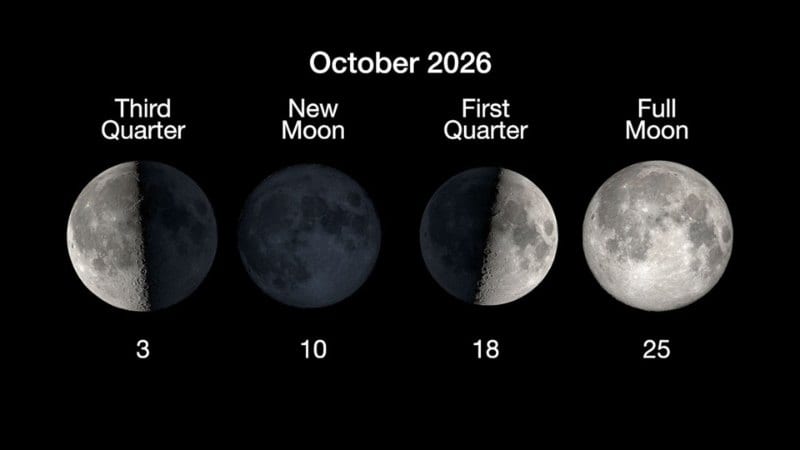
Skywatchers will enjoy chasing the Moon this week. After passing through its full phase today, October 26, the Moon will be meeting the famed Pleiades star cluster tomorrow, October 27, offering stargazers a striking celestial show.
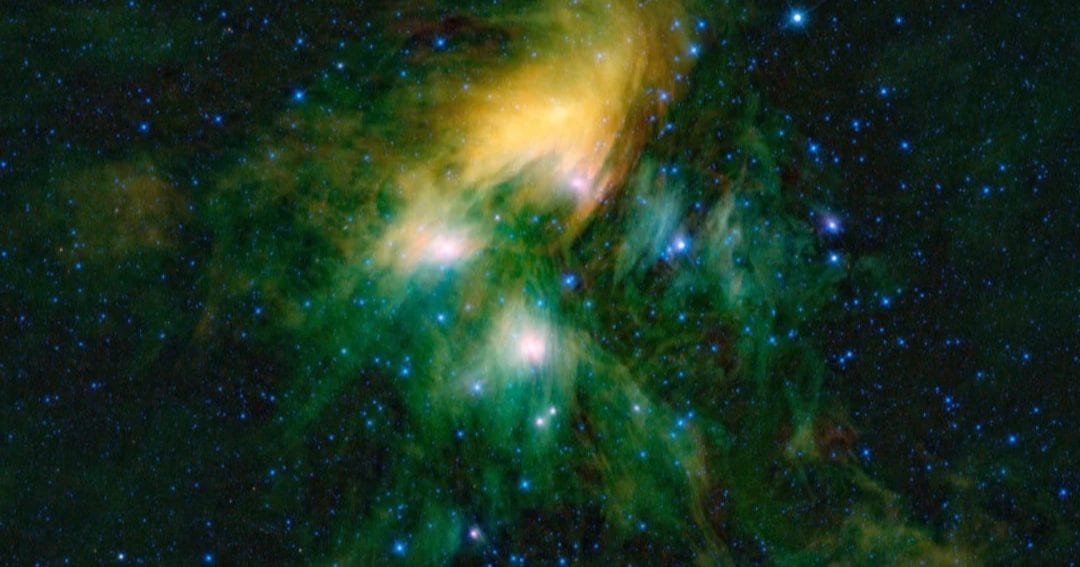
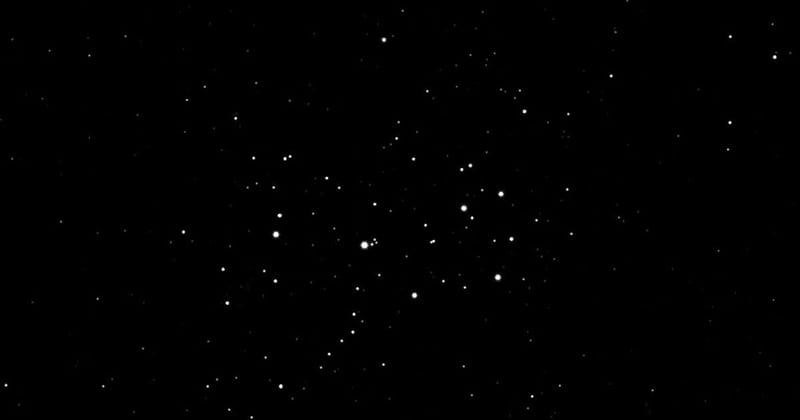
Also referred to as the Seven Sisters, the Pleiades is catalogued as Messier 45 (M45)—an open star cluster in the constellation Taurus. The stars in this cluster are known for their striking blue glow and are located approximately 440 light-years from Earth. The Pleiades also happens to be among the most identifiable star clusters in the sky, appearing in autumn and winter in the Northern Hemisphere.
When to watch it
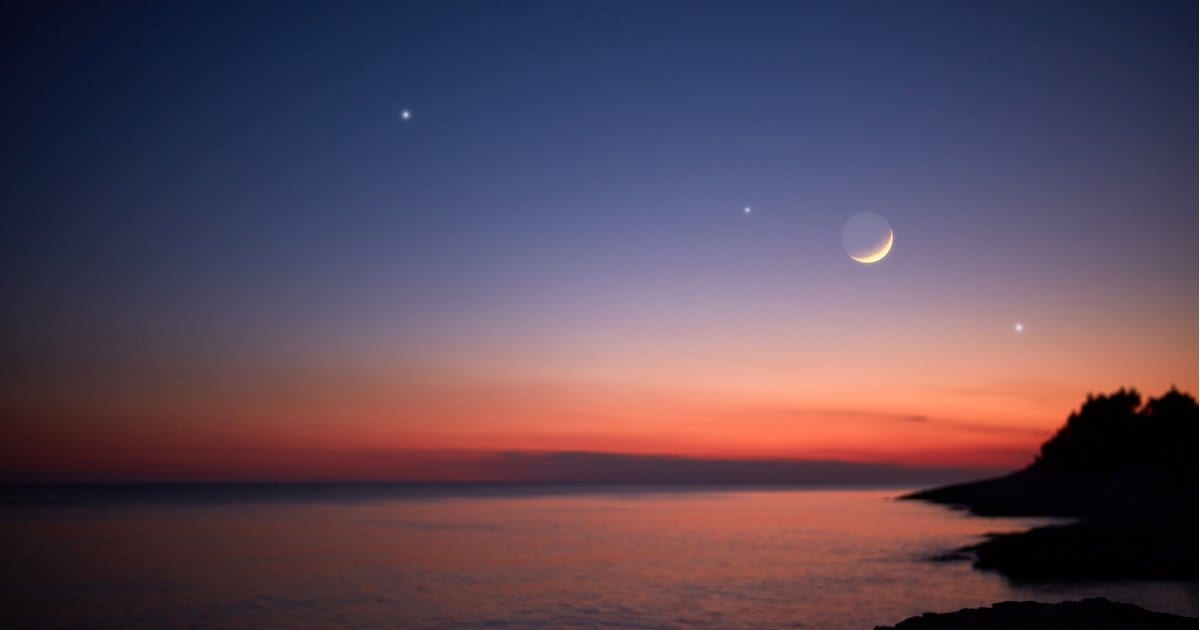
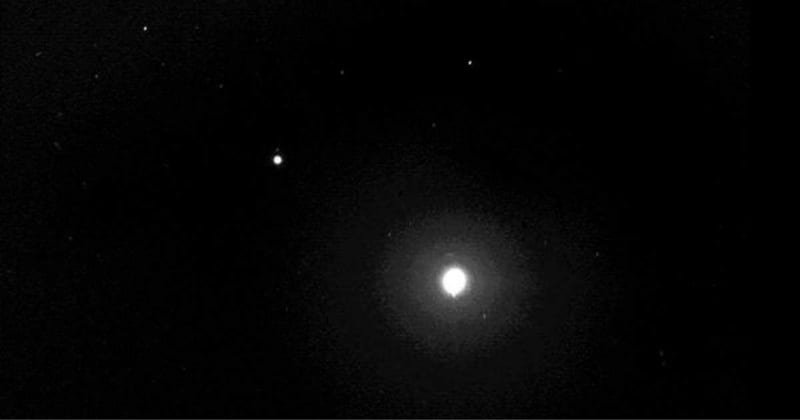
The Moon, which will be in the waning gibbous phase, would be visible near the Seven Sisters during the late evening of October 27, according to Farmers' Almanac. Particularly, around 9:30 p.m. EDT, the lunar disk and the Seven Sisters will be really close, with the actual timing and appearance varying based on the location. You will be able to view the pair until dawn the following morning.
Where to watch it
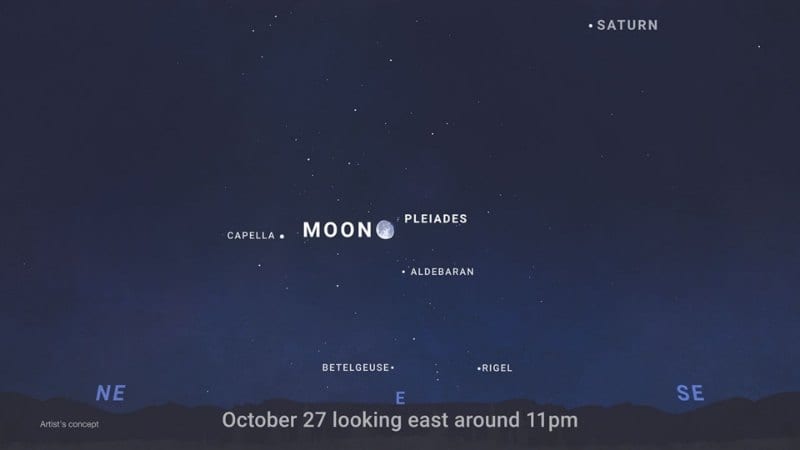
Pleiades can be viewed from anywhere in the world. Look eastward during the evening, and you can see the lunar disk and the cluster ascend upward in the night sky as the evening progresses, according to NASA. You can spot Pleiades in the form of a fuzzy grouping. From select locations, the Moon will briefly hide several stars of the Pleiades in a lunar occultation. Plus, you can spot the most brilliant star of the Taurus constellation, Aldebaran, near the Moon-Pleiades pairing.
How to watch it
Under good conditions, six or seven stars are visible to the naked eye, while binoculars or a telescope can reveal many more. For the best experience, find a spot with a clear view of the eastern horizon, away from buildings, trees, and other obstructions. Check your local weather forecast before heading out, as cloud cover could spoil the view. Another challenge will be the brightness of the Moon, which will be about 98% illuminated in its waning gibbous phase tomorrow. So, the moonlight may wash out some of the dimly lit stars.
Why the name Seven Sisters was given
Long before telescopes revealed the details of the Pleiades, people across the world observed this compact star cluster and wove it into their myths and traditions. In Greek mythology, the cluster represents seven sisters born to Atlas and Pleione: Maia, Electra, Taygete, Alcyone, Celaeno, Sterope, and Merope. Legend says they eventually became stars. Some accounts of this tale also connect the sisters to Orion, the legendary hunter whose constellation occupies an adjacent region of the sky. Other cultures came up with their own interpretations of the cluster, giving the Pleiades a rich place in folklore and tradition. Their seasonal appearances also provided an important way during the older days to mark time and guide agricultural tasks.
The cluster also has an interesting link to Halloween. Because it rides high in the autumn skies of the Northern Hemisphere, it has long been associated with Celtic festivals like Samhain. That season was a time for honoring the dead, and the Celts are said to have seen the Seven Sisters as a passage to the Otherworld.
More on Starlust
Spot Capella, Arcturus and Sirius: 3 bright stars are dazzling the October night sky
Did you miss the August 2026 lunar eclipse? Find out when you can see the next one