Artemis II in retrospect: Commander Reid Wiseman talks space toilet issue, Orion heat shield and more
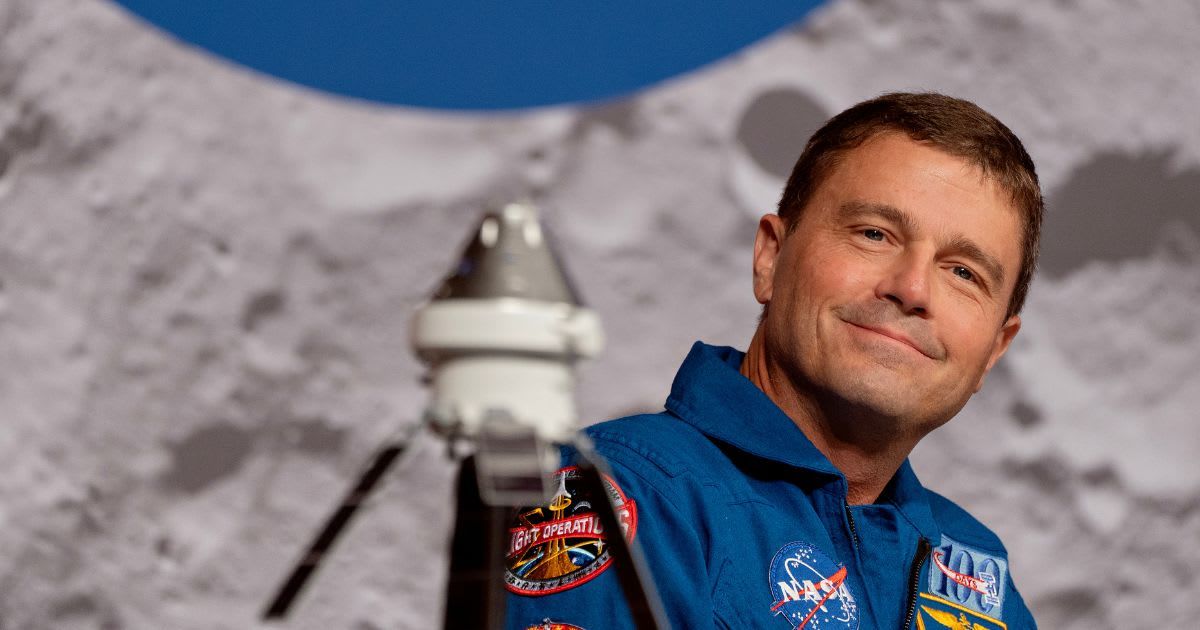
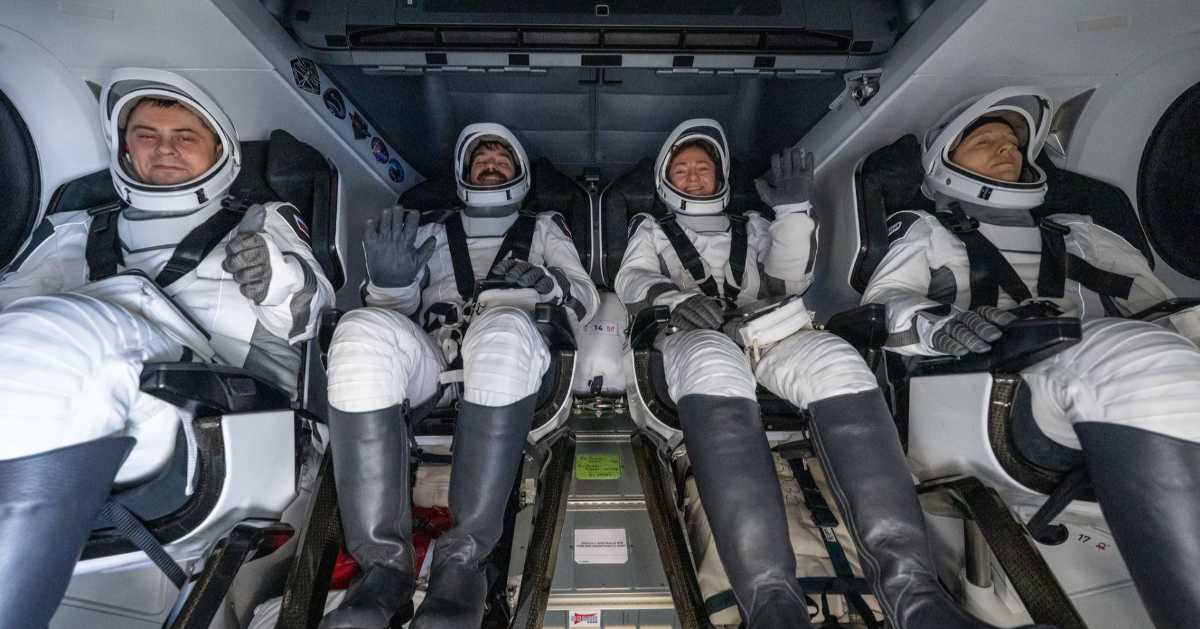
Following their historic trip around the Moon, the Artemis II crew attended a news conference live from NASA's Johnson Space Center in Houston on April 16. The astronauts opened up about their experience and shared some remarkable insights into what was going on in their minds at some critical junctures of the mission. Throughout the discussion, the crew members reiterated how much of a team effort all this was and how they became bonded together as a single unit out there in space aboard the Orion capsule. They also addressed specific technical factors from the mission that have become key talking points over the past couple of weeks.
"We launched as friends, and we came back as best friends."
— NASA Artemis (@NASAArtemis) April 16, 2026
Artemis II commander Reid Wiseman takes a moment to thank the world before today's crew news conference at @NASA_Johnson. pic.twitter.com/5Oi6FxjKBE
Artemis II's space toilet issue
“We did have some pressure leaking through our PCA assembly,” stated Artemis II commander Reid Wiseman. “We had some vent line issues on the toilet that were a little bit problematic for us on the primary vent line,” he added. Wiseman also spoke about a few cautions like smoke detectors going off that led to a tense few minutes aboard Integrity before Mission Control intervened from Houston. “Do you want to get somebody’s attention really quick? Make the fire alarm go off in your spacecraft when you’re still about 80,000 miles from home,” joked Wiseman.
The space toilet is one of the most essential pieces of equipment on board. The crew has had to troubleshoot a few issues to use the Universal Waste Management System. So what exactly is the issue? Find out in this explainer video. pic.twitter.com/cfvgyGyEUD
— NASA (@NASA) April 10, 2026
During the mission, Orion’s toilet raised concerns and led to speculation after the said primary vent line issue which is still under technical investigation. Despite this, the mission commander defended the toilet and the engineers who worked hard on it. He explained, “When you go to the bathroom, at the end of doing that you flush the toilet—the toilet flushes just fine. But then when the liquid went out the bottom of the toilet, it got clogged up in our vent line, and our tank can only hold maybe under ten urination events, and then it’s got to be dumped.”
Perfecting Orion's heat shield
Wiseman also spoke in great detail about the heat shield and how important it was to the crew’s safe return. Speaking about its post-mission analysis by NASA, he remarked, “They are going to do to this heat shield what they did to Artemis I, and we’re going to fine-tooth comb every single—not even every molecule—every atom on this heat shield.” The commander mentioned that the crew wished to do two things before leaving the USS John P. Murtha recovery ship. They wanted to go look at their spacecraft, followed by thanking Luis Saucedo, who led the extensive “char loss” investigation for Artemis I.
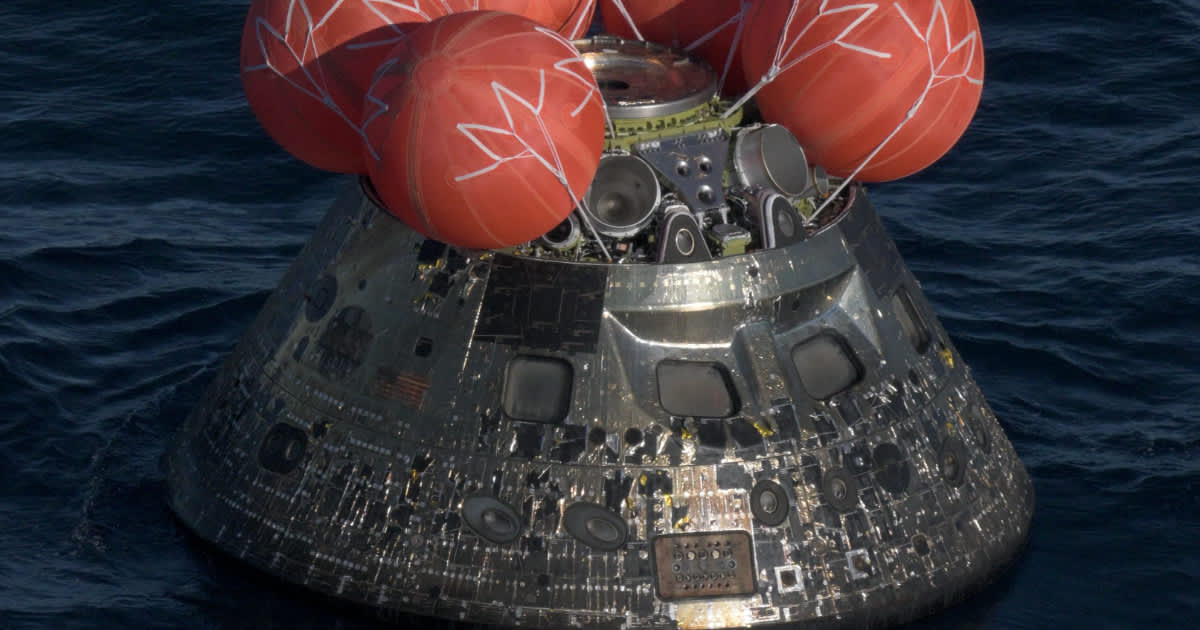
“I think Artemis I is probably the most studied heat shield in the history of spaceflight,” claimed Wiseman. He spoke about how the team determined the root cause for the initial issue, which changed their trajectory’s horizontal target line to around 1,700 nautical miles. “We originally liked it out at 2,300, and we were going to float through the atmosphere for a long time,” added the commander. “But that was where the Artemis I heat shield was seeing problems.” Thanks to this modification, the Artemis II crew had a smooth re-entry.
Inspections are underway 🔍
— NASA Artemis (@NASAArtemis) January 6, 2023
@NASAKennedy technicians are conducting inspections of @NASA_Orion’s heatshield, which experienced temperatures near 5,000 degrees Fahrenheit as the capsule faced its biggest challenge—reentering the Earth’s atmosphere. https://t.co/la1TbYT6hn pic.twitter.com/xvQCsLKqPU
Char loss refers to erosion or chipping on the Orion spacecraft’s heat shield, and Wiseman said they may have encountered two minor instances. “Certainly when we went up to the vehicle, there was a little bit of char loss on what’s called the shoulder, which is kind of where the heat shield meets the structure of the cone shape of the spacecraft,” he explained. “But the bottom—we leaned under and looked at the bottom of that thing—it looked wonderful to us.”
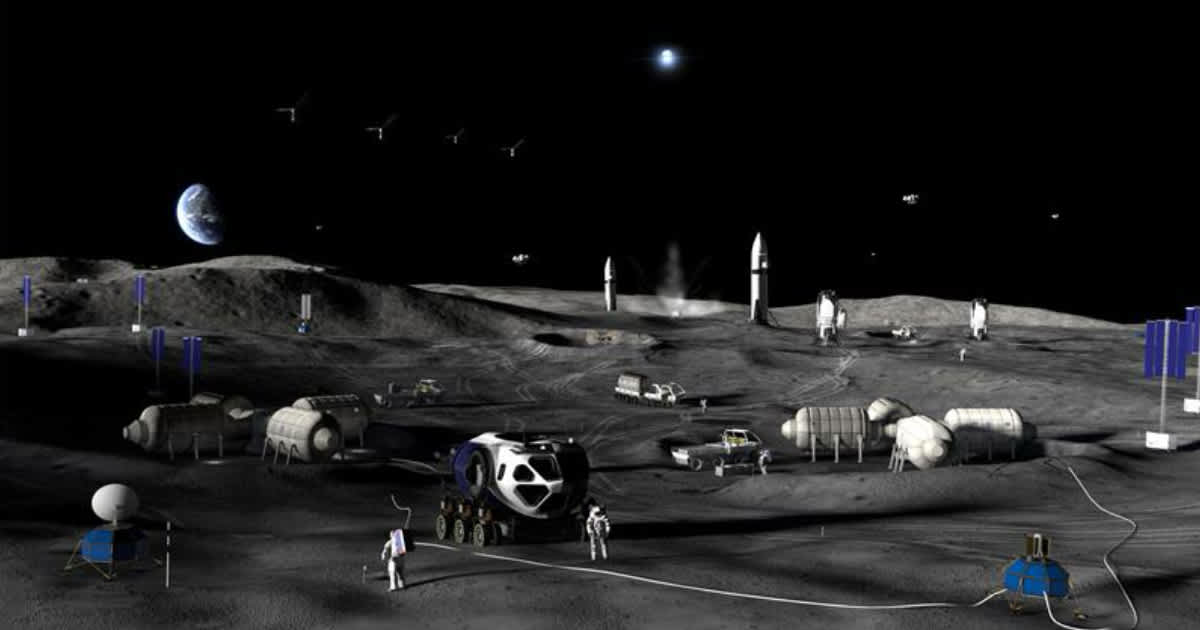
Wiseman remarked how he and his crew were tempted to land on the Moon’s surface, considering how close they had gotten to it. He talked about his conversations with retired Apollo 10 astronauts who said they would have landed on the Moon if they had enough fuel. “It’s not the leap I thought it was,” said Wiseman. “If you had given us the keys to the lander, we would have taken it down and landed on the Moon.” Within a couple of days after splashdown, the astronauts tested out spacewalk suits and performed some challenging surface geology tasks to prepare for future lunar landing missions like Artemis IV, V, and beyond.
More on Starlust
'Just the beginning': NASA leaders celebrate Artemis II crew's return, shift focus to Artemis III
Artemis II in numbers: 10 facts about NASA’s historic Moon mission