'Just the beginning': NASA leaders celebrate Artemis II crew's return, shift focus to Artemis III
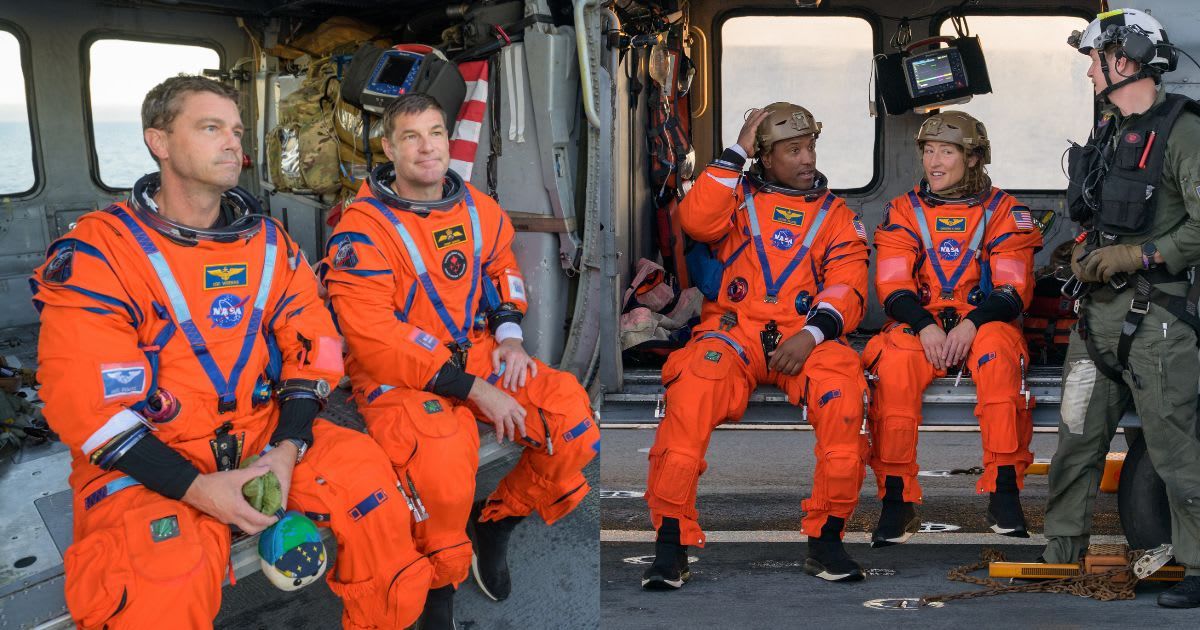
The Artemis II crew is back on Earth after their record-breaking 10-day lunar mission, and congratulations are in order from NASA leadership. Administrator Jared Isaacman greeted the returning astronauts aboard the USS John P. Murtha after their splashdown in the Pacific Ocean off the coast of San Diego at 5:07 PM PDT, Friday.
They were retrieved from the Orion capsule by a combined NASA and U.S. military team, and they now undergo preliminary medical checks before they can return to NASA’s Johnson Space Center (JSC) in Houston. Isaacman and other senior agency officials expressed their delight over the crew’s safe return, the overall success of Artemis II, and what it means for future missions.
And splashdown!
— NASA Administrator Jared Isaacman (@NASAAdmin) April 11, 2026
America is back in the business of sending astronauts to the Moon and bringing them home safely.
Reid, Victor, Christina, and Jeremy did an outstanding job. These talented astronauts inspired the world and represented their space agencies and nations as… pic.twitter.com/wOioBBvGhX
“This hasn’t just been an accomplishment for NASA, this is an accomplishment for humanity,” said Isaacman, speaking from the deck of the recovery ship. He had great praise for the Artemis II crew of four for completing “a perfect mission”: Commander Reid Wiseman, pilot Victor Glover, mission specialists Christina Koch and Jeremy Hansen (CSA). “They’re absolutely professional astronauts—wonderful communicators, almost poets,” he added. “But more than that, they were ambassadors for humanity to the stars.”
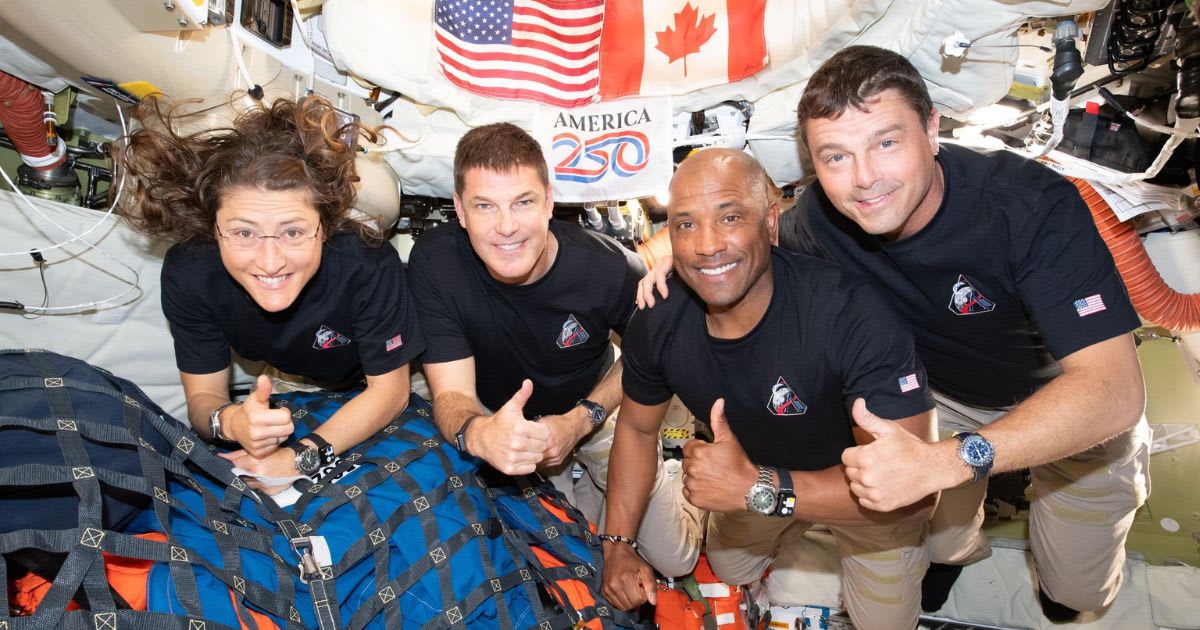
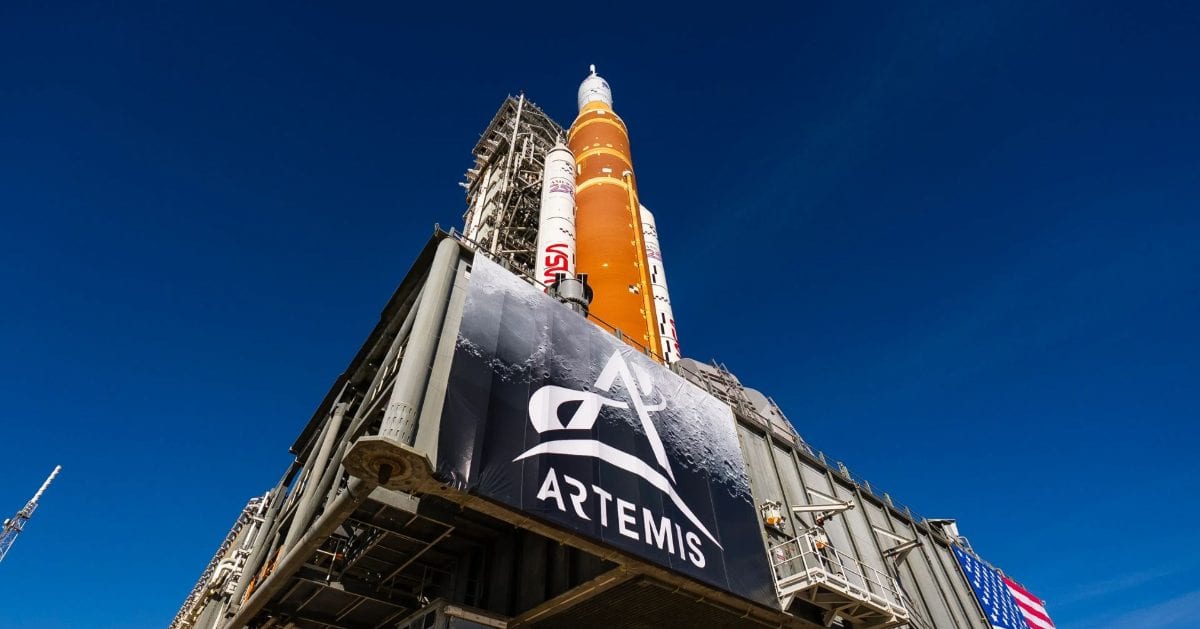
The NASA chief shifted the focus toward future Artemis missions with the goal of building a permanent lunar base. “This isn’t a once-in-a-lifetime moment, as people sometimes say. This is just the beginning,” emphasized Isaacman. “We’re going to be doing this more frequently—sending missions to the Moon, landing in 2028, and starting to build a sustained presence.” He confirmed that Artemis III progress is already underway: SRB segments are arriving at Kennedy Space Center, the core stage for Artemis III is rolling out on April 20, and Mobile Launcher 1 is returning to the Vehicle Assembly Building.
NEXT STEP: MARS! https://t.co/xtgQ506nZD pic.twitter.com/X4TJDFp67A
— The White House (@WhiteHouse) April 11, 2026
Shortly after the crew’s re-entry, NASA also held an Artemis II post-splashdown news conference at JSC. “Yesterday in this room, we told you that the crew would put their lives behind our confidence, and they did,” said NASA Associate Administrator Amit Kshatriya. ”Yesterday, Flight Director Jeff Radigan said we had less than a degree of an angle to hit, after a quarter of a million miles to the Moon. And their team did it. That is not luck. That is a thousand people doing their jobs.” In a separate statement, Kshatriya also confirmed that the mission’s entry, descent, and landing systems performed as designed and the final test was completed as intended.
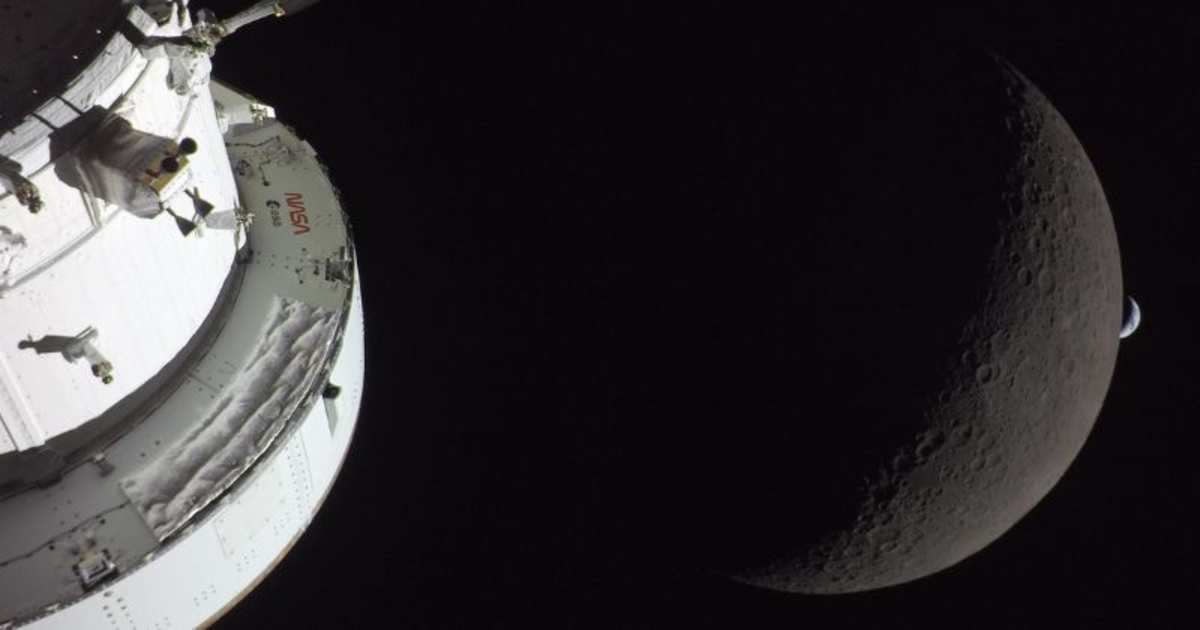
At the briefing, Artemis II Entry Flight Director Rick Henfling confirmed after hearing from surgeons that the flight crew is happy and healthy and ready to come home to Houston. He also shared some statistical data on the historic lunar mission that now holds the crewed spaceflight record for the farthest distance traveled away from Earth — 252,756 miles. “We reached a peak velocity of 24,664 miles per hour,” stated Henfling. “We hit our flight path angle target within 0.4%. We flew an entry range of 1,957 miles, and we landed within less than a mile of our target.”
We can achieve great things when we work together.
— NASA Artemis (@NASAArtemis) April 11, 2026
The Artemis II recovery team includes specialists from the U.S. military alongside engineers and technicians from NASA and Lockheed Martin. pic.twitter.com/eQSPpNTeDS
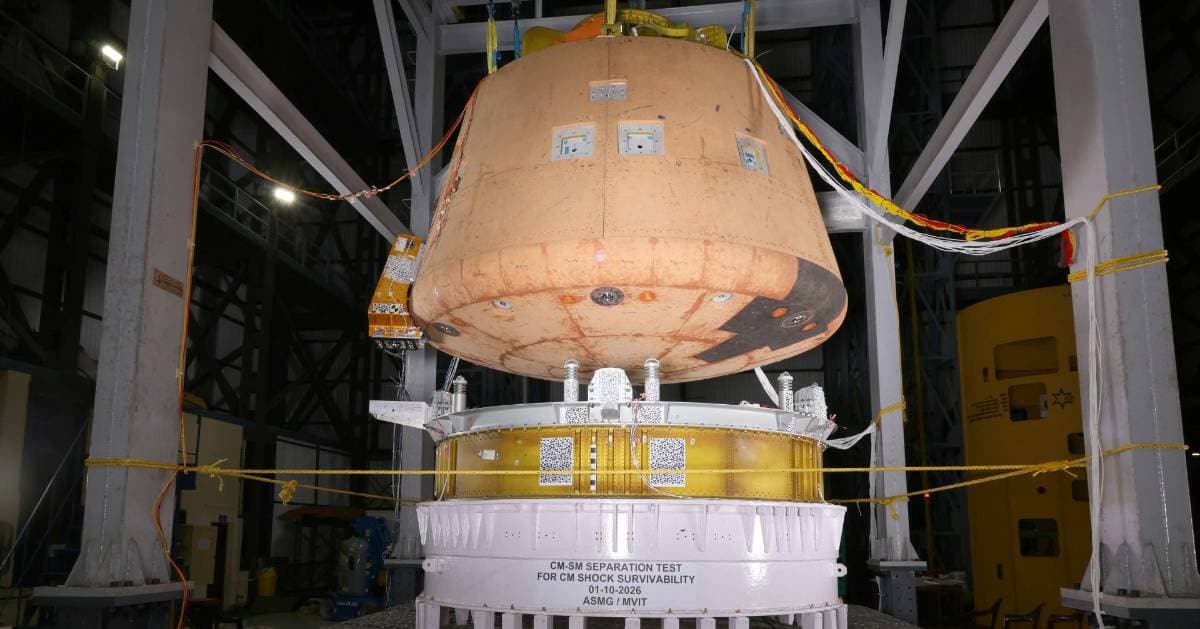
The NASA officials also addressed the need for analyzing the crew capsule, including sending underwater divers to the splashdown location to examine the heat shield. This will directly inform Artemis III, when a new Orion crew will test docking with commercial Moon landers in low Earth orbit. Orion Program Manager Howard Hu confirmed that the docking system is ready to go, and said they expect Blue Origin and SpaceX to work with them on standard procedures. He added, “We’ve already got the flight unit at Kennedy Space Center. Later this summer, we’ll integrate it on top of the crew module.” Artemis III targets a mid-2027 launch, followed by the crewed landing of Artemis IV mission in early 2028.
More on Starlust
‘There's nothing this nation cannot do’: Artemis II astronauts speak with U.S. Congress from space
First set of Artemis II lunar flyby photos shows solar eclipse, Earthset, Earthrise and more