3D-printed 'skin' could protect spacecraft from growing threat of orbital debris, suggests study
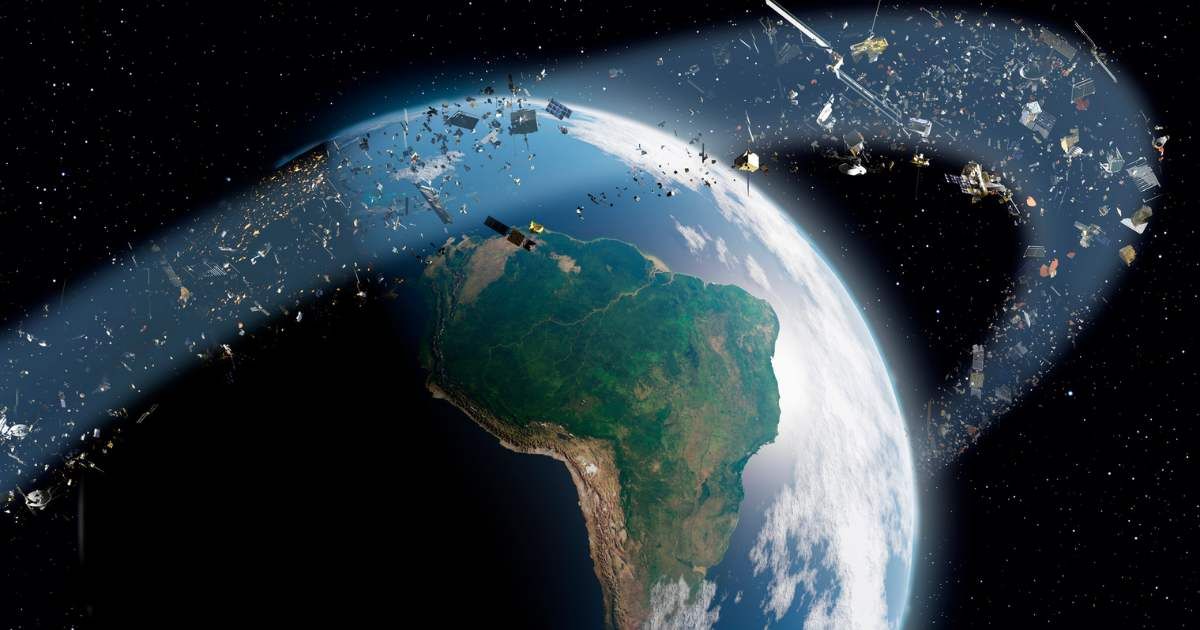
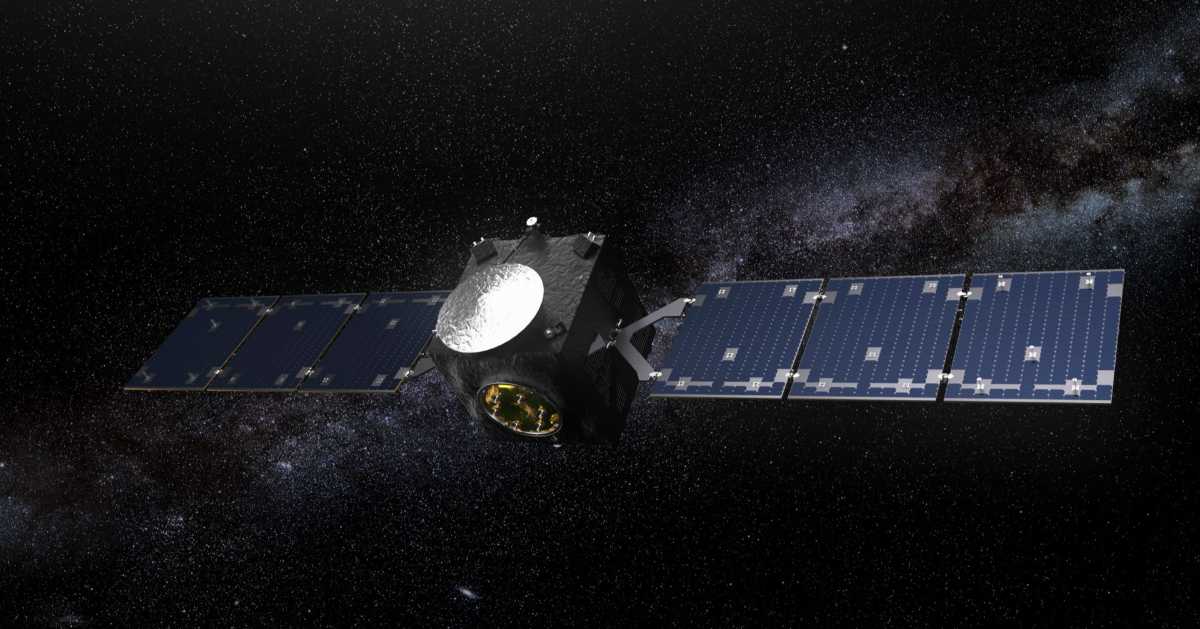
Space is usually described as a void, but that's not the case closer to Earth: space here is crowded with broken rocket parts, dead satellites, and rock fragments such as micrometeoroids. Some of them hurtle through space, while others drift, posing collision threats to Earth-leaving spacecraft and still functioning satellites. As research into mitigation strategies continues, a new paper available on the preprint arXiv server has reviewed the latest advancements and extant challenges in reducing these risks, highlighting promising new approaches. In the new study, Binkal Kumar Sharma of the University of Bremen and Harshitha Baskar, an independent researcher, explore how next-generation materials and 3D-printed structures could reshape spacecraft protection for the coming decades.
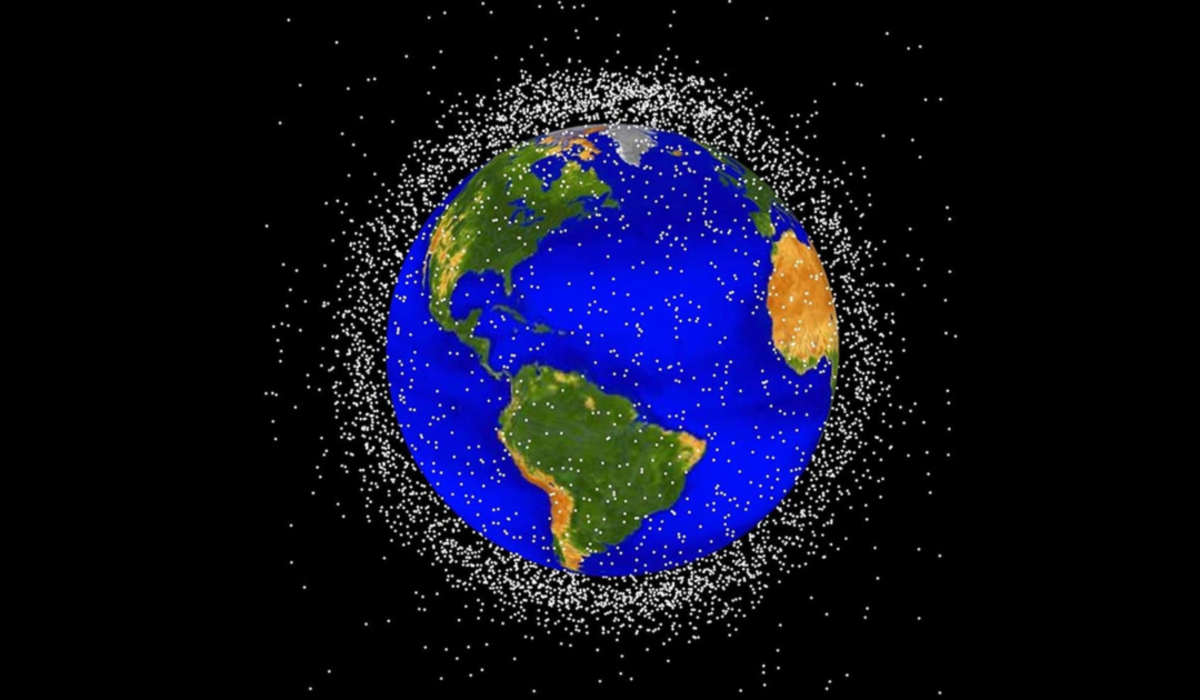
The danger comes from two distinct sources. The first is natural: micrometeoroids, tiny fragments shed by asteroids and comets. Some of these pieces of space debris attain high velocities, reaching 72 kilometers per second relative to a spacecraft. At this velocity, a speck of debris carries enough energy to melt metal, fracture electronics, or puncture pressurized systems. The second threat is created entirely by us and consists of defunct satellites, discarded rocket booster stages, exploded battery fragments, and collision remnants. This debris revolves around our planet at roughly 28,000 kilometers per hour, with average impact velocities reaching as high as 10 km per second (36,000 kilometers per hour). While larger pieces of debris are easier to track, smaller ones often avoid detection, further raising the threat of unexpected collisions.
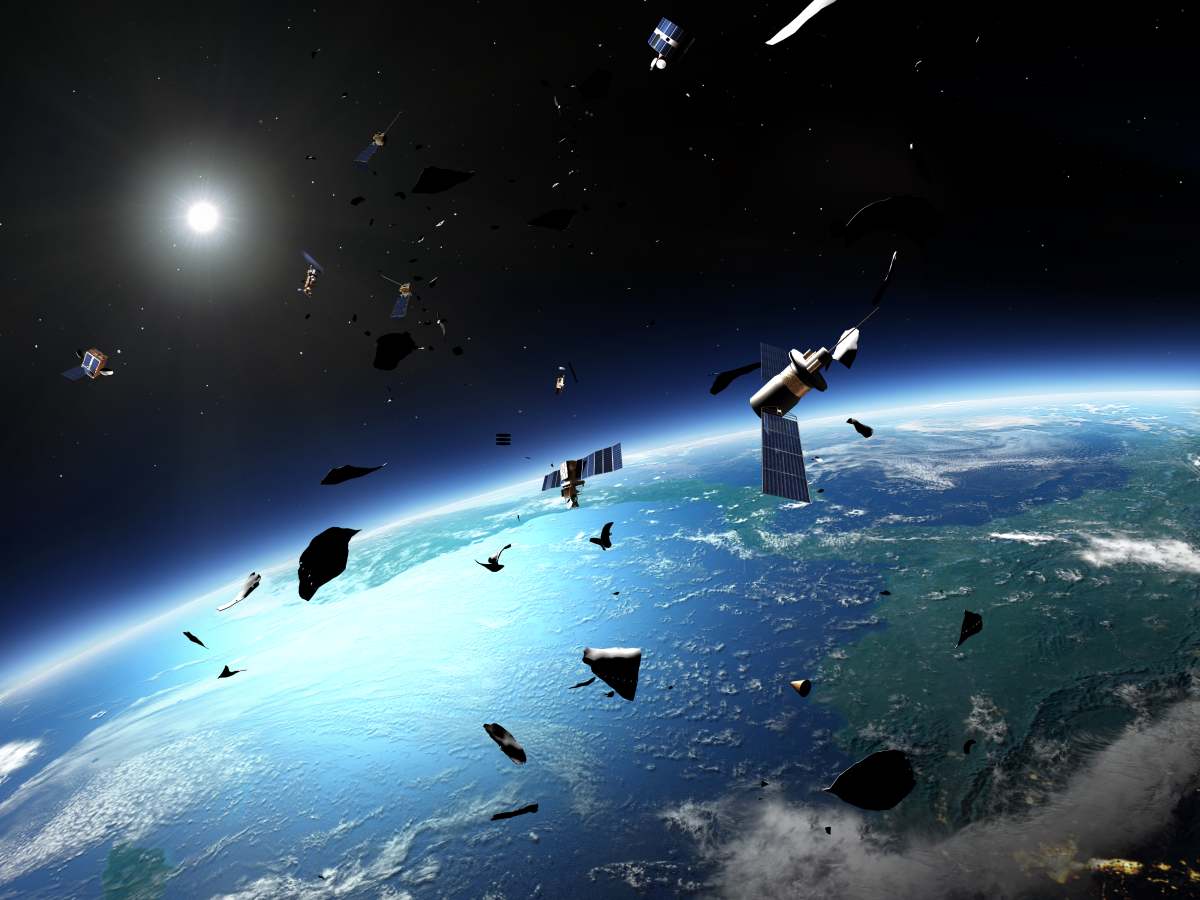
In empty space, every collision creates more debris. This runaway chain reaction has a name: Kessler Syndrome. If left unchecked, it could stall operations in some orbital regions. To navigate through a debris-strewn space, engineers have designed the Whipple shield. It remains as a thin outer bumper layer that sits away from the spacecraft’s main hull. When a particle strikes, it vaporizes or breaks down into fragments on impact, spreading its energy across a wider area before reaching critical systems. Engineers now fill the space between such layers with advanced materials like Kevlar and ceramic fabrics designed to further pulverize incoming debris.
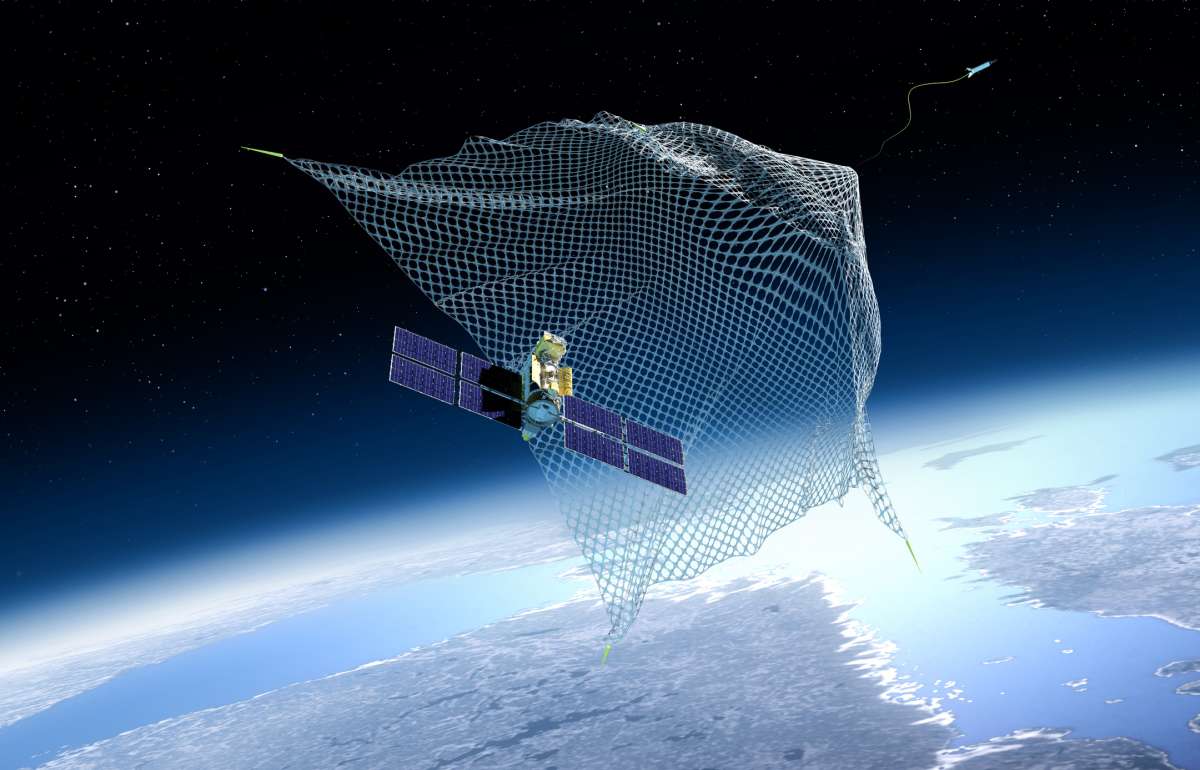
But every layer adds mass and increases cost. What looks cheap on Earth may cost millions of dollars in launch expenses and reduce the payload capacity available for science instruments, communications hardware, or fuel. To avert such drawbacks, researchers are turning to lighter and smarter shielding materials that can be made using 3D printing technology. Sharma and Baskar describe a technique called laser powder bed fusion, or LPBF, which uses lasers to fuse fine metal powders into intricate structures. Studies have shown that additive manufacturing, when combined with topology optimization, could reduce spacecraft structural mass by as much as 70 percent.

However, such lightweight materials show new problems. Many 3D-printed metals contain microscopic pores that weaken their mechanical properties. The researchers also talk about a new material called ultra-high molecular weight polyethylene, or UHMWPE—a polymer capable of acting like a kinetic sponge. First, the outer metallic lattice fractures an incoming particle, and then the polymer layer absorbs and dissipates the remaining energy before it can penetrate deeper into the spacecraft. Researchers are also working on additives such as natural graphite flakes and boron carbide that can give these shields additional thermal and radiation-protection capabilities. This will not just result in armor but also a multifunctional spacecraft skin. The future of spaceflight may depend not only on how fast we can launch spacecraft but also on how well we can protect them when they travel beyond Earth.
More on Starlust
Mega-constellations of satellites could soon interfere with astronomical observations, warns study
Scientists aim to curb space junk risks by using AI to locate debris in the Earth–Moon region