Artemis II nears splashdown as Orion approaches Earth and crew completes final re-entry steps
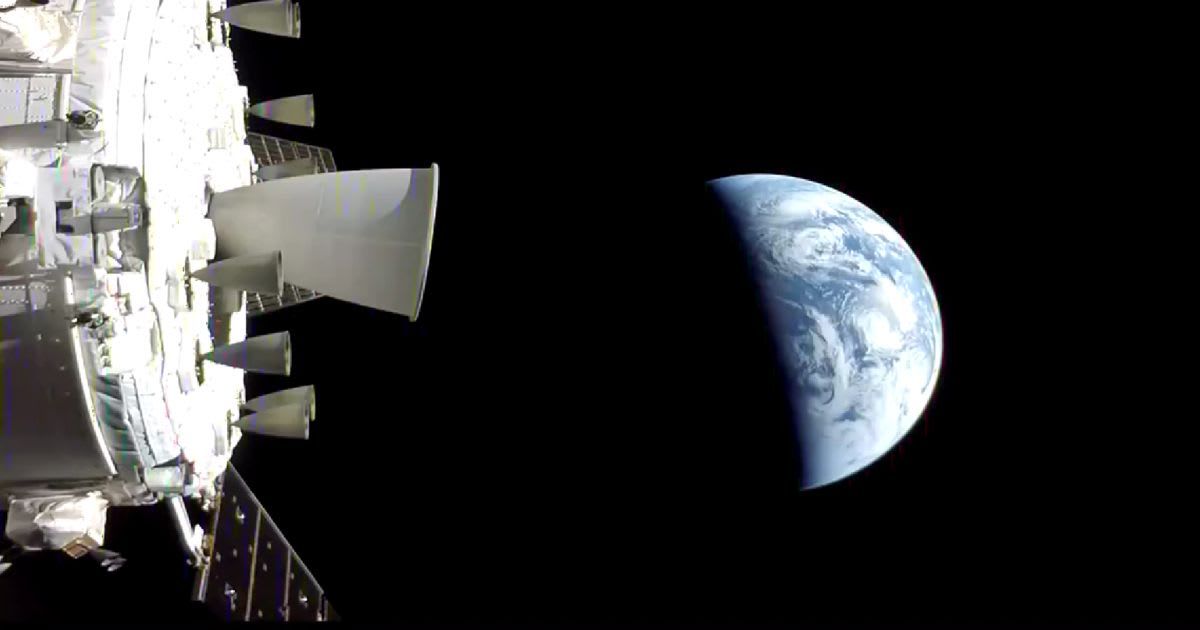
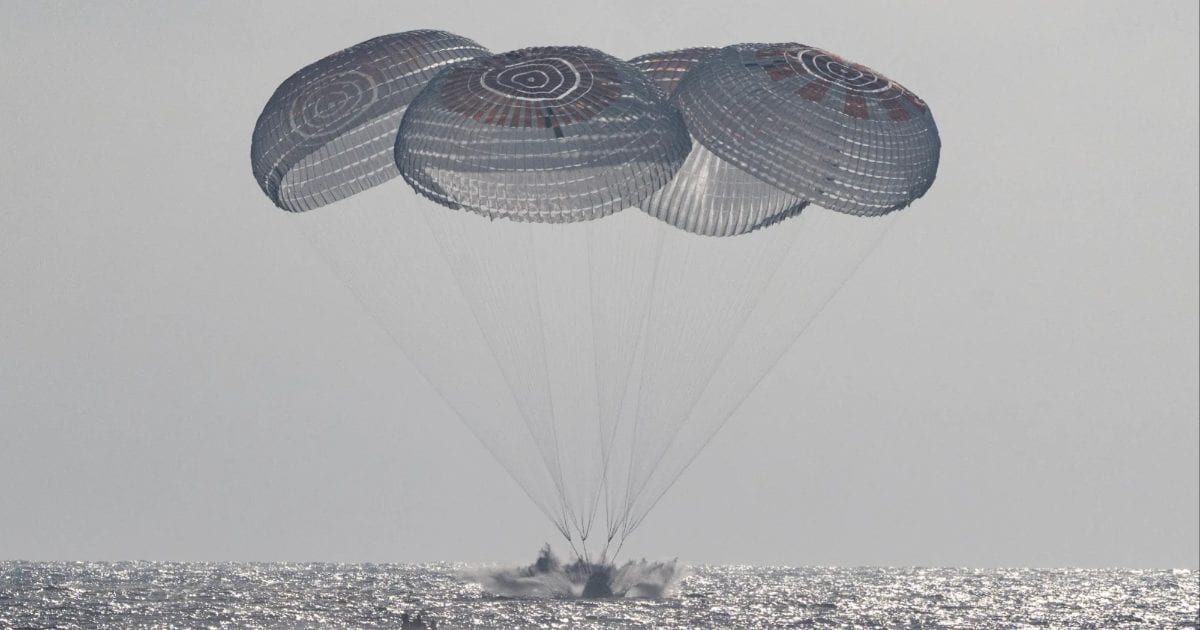
The clock ticks down to Artemis II’s re-entry, as the mission reaches its final hour before the crew closes in on Earth. The Orion spacecraft is expected to splash down in the Pacific Ocean at approximately 8:07 p.m. EDT off the coast of San Diego. The astronauts — Reid Wiseman, Victor Glover, Christina Koch, and Jeremy Hansen — are now busy completing the final procedures aboard the capsule, as the Earth’s view grows rapidly larger from Orion’s window, as seen from NASA’s live coverage. Minutes before the splashdown, the Crew Module and the Service Module separated successfully. Earlier, the crew began their final phase of the historic 10-day mission, waking up to “Run to the Water” by Live and “Free” by Zac Brown Band.
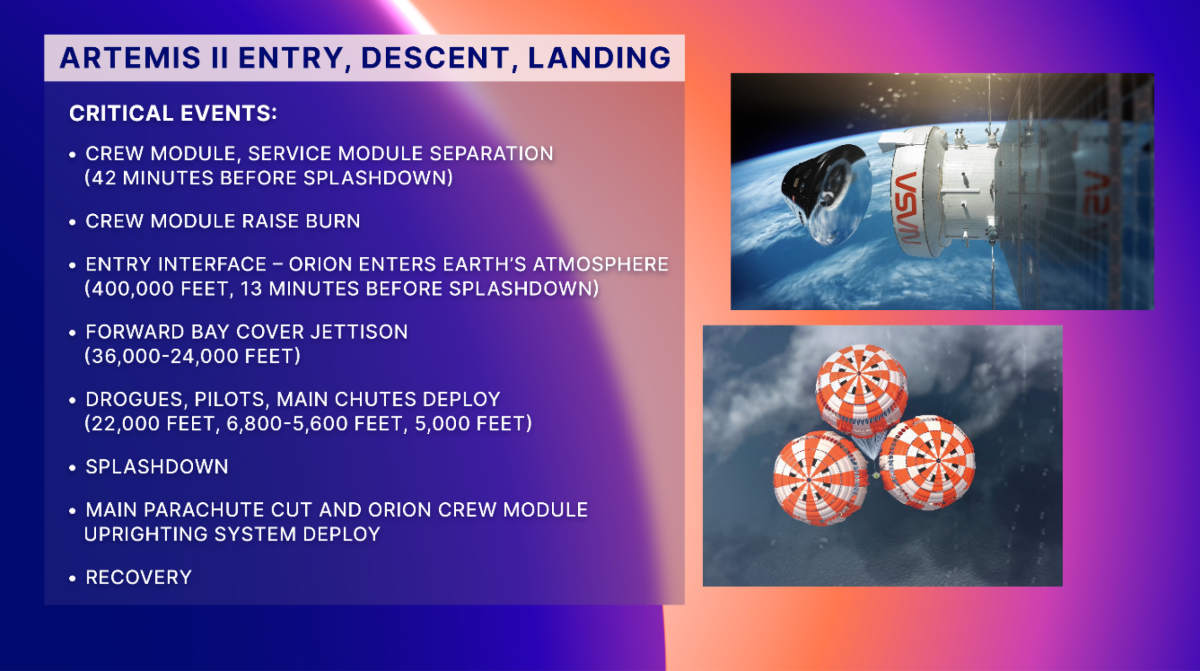
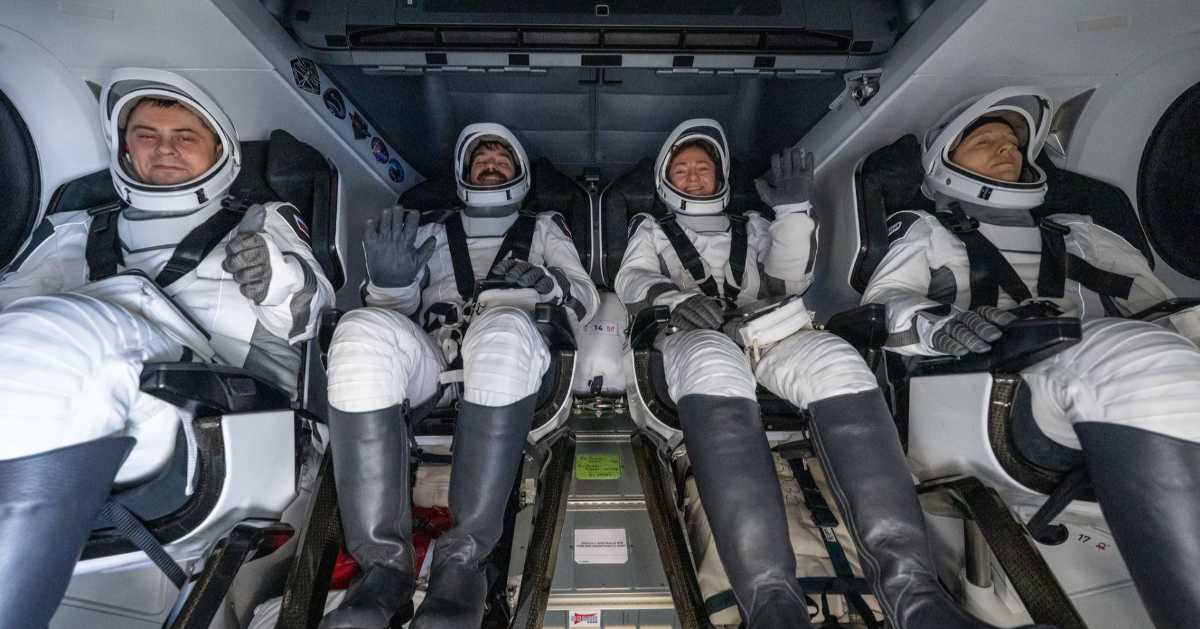
All of Orion’s return trajectory correction burns have been completed by the crew, with the third and final one happening earlier today at 2:53 p.m. EDT. The thrusters fired for 8 seconds and adjusted velocity by 4.2 ft/s, according to NASA. The second return correction burn happened around the halfway mark of the capsule from the Moon to the Earth. After locking in their path home, the crew suited up in their pressure suits, went through their pre-entry checks and secured the cabin. Navigation data and spacecraft configuration were also monitored.
The third return burn for the Artemis II mission occurred at 2:53pm ET (1853 UTC), refining Orion’s path for atmospheric entry and splashdown. During the maneuver, the spacecraft made precise adjustments to stay on its targeted course home. pic.twitter.com/ScKtXL7lo8
— NASA Artemis (@NASAArtemis) April 10, 2026
The buildup to the Artemis II crew’s return to Earth was not without its hiccups. The teams encountered a brief but unexpected return link loss of signal during a data rate change. However, two-way communications were quickly restored as flight controllers moved on to complete the second return correction burn at that time. Furthermore, there was also some concern around a helium leak in the European Service Module’s propulsion system, which NASA later assured that it poses no threat to re-entry, as the leak is internal and the module will be jettisoned. The mission was launched on April 1 from Kennedy Space Center in Florida.
More on Starlust
Artemis II to return to Earth soon: When and how to watch re-entry and splashdown on April 10
‘Things have to go right’: As Artemis II crew heads for re-entry, NASA can leave no room for error