The Artemis II crew had a toilet scare aboard the Orion spacecraft
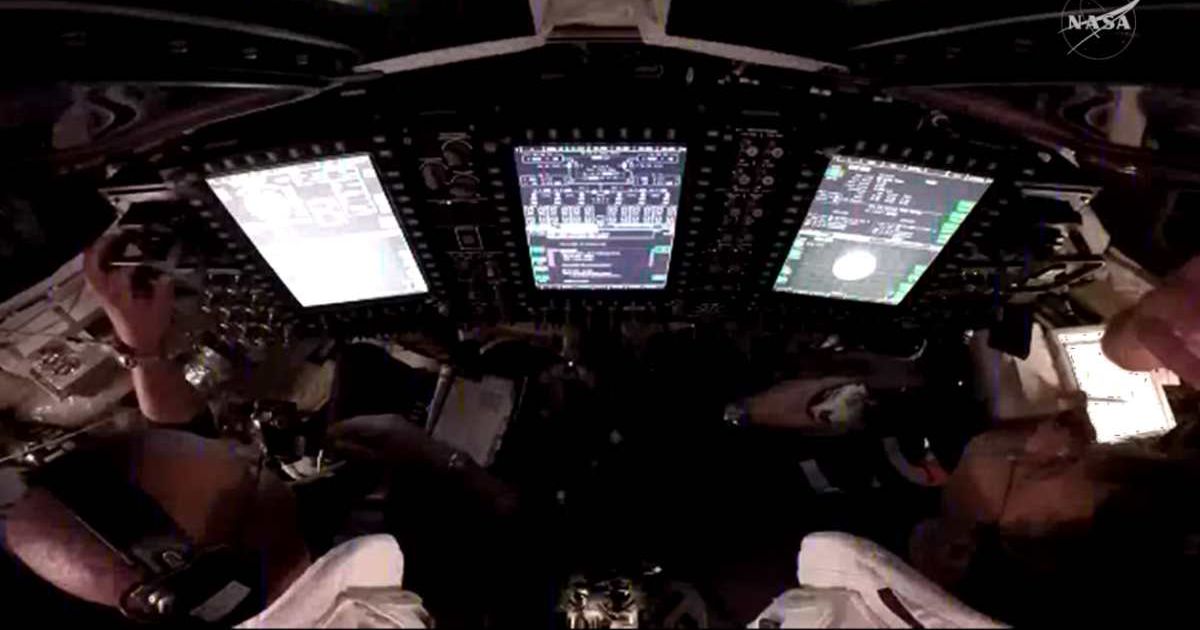
Not too long after launch, the Artemis II crew experienced an issue with the Universal Waste Management System aboard the Orion spacecraft. One of the components, a fan, was reported to have been jammed, which made urine collection impossible. In response, the team collaborated with mission control in Houston to get the space toilet running again. The fault light that indicated the malfunction started blinking ahead of the apogee, which is a precisely timed burn executed by the interim cryogenic propulsion stage to raise Orion's orbit around Earth.
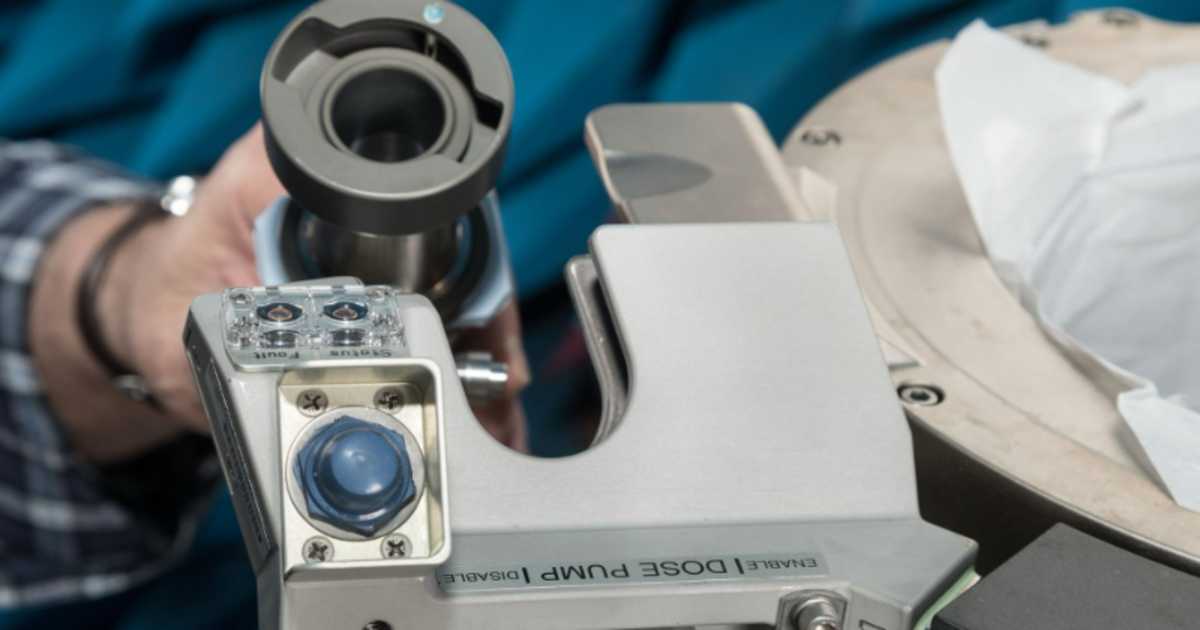
Integrity, the particular Orion capsule used for Artemis II, is the first time the UWMS is being put to use for a deep-space mission. This model is 65% smaller and 40% less massive than the space toilets that came before. Because there is no gravity, the UWMS creates suction with which a funnel pulls urine and feces away from the body and into manageable receptacles. In fact, the airflow is automatic and starts when the toilet’s lid is opened. This keeps odors under control. UWMS is also known to feature a design that is more ergonomic in nature and requires less maintenance. For the duration of the malfunction, the astronauts could still use the space commode to poop even though urination was not possible. For the latter, they could still use Orion's backup waste management capabilities.
The Artemis II crew has successfully completed the proximity operations demonstration! This test allows the astronauts to practice piloting Orion similarly to how they would if they were docking with another spacecraft — an important early test objective for the mission. pic.twitter.com/5FzBI96Lu3
— NASA Artemis (@NASAArtemis) April 2, 2026
Nevertheless, everyone was relieved once the issue had been resolved. "Houston, Integrity, good checkout," said mission specialist Christina Koch after she had tried out the fix suggested by mission control. Now, with the toilet working fine and the proximity operations demonstration completed successfully, the astronauts are taking a well-earned nap. They will be woken up at 7 a.m. EDT today, following which they'll start preparing for the perigee raise burn, which, along with the apogee raise burn completed earlier, will ready the spacecraft for translunar injection.
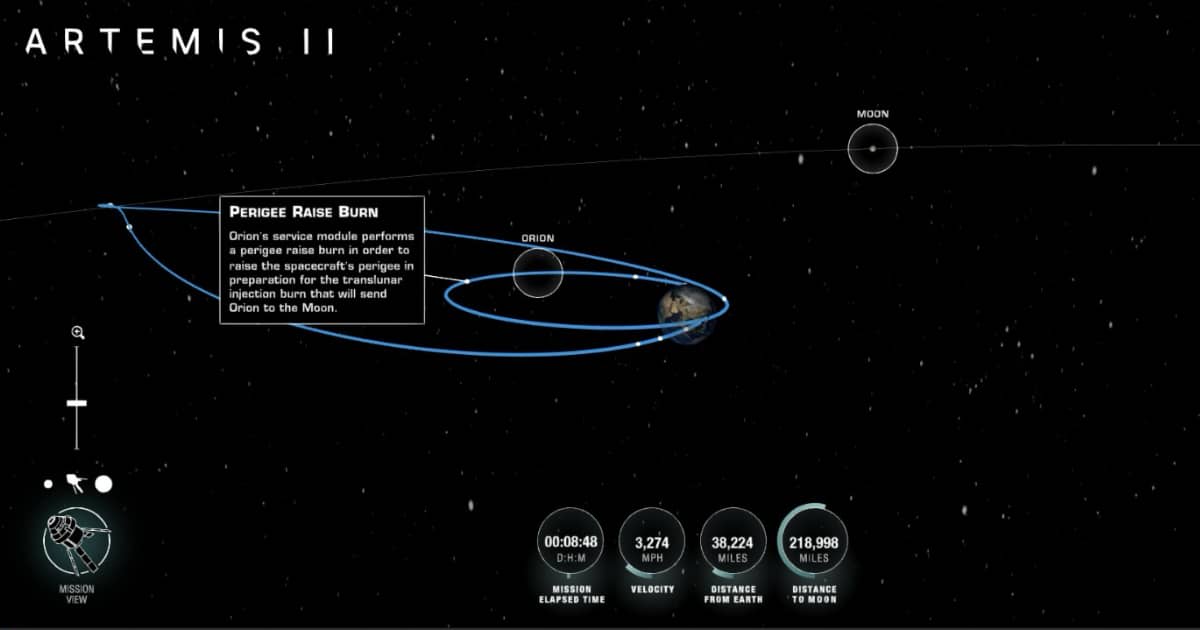
The crew members will then go back to sleep again by around 9:40 a.m. EDT, having been put through a tough period of intensive activity. The UWMS issue was preceded by a communication issue earlier. For the most part, however, the mission has been a success thus far, with early activities, mission objectives, and items on the agenda having been ticked off the checklist for Flight Day 1.
More on Starlust
Why the SLS rocket is the perfect fit for the Artemis II mission
Meet ‘Rise,’ Artemis II’s zero-gravity indicator inspired by an iconic Apollo moment