China launches Tianzhou-10—its largest resupply mission to the Tiangong space station
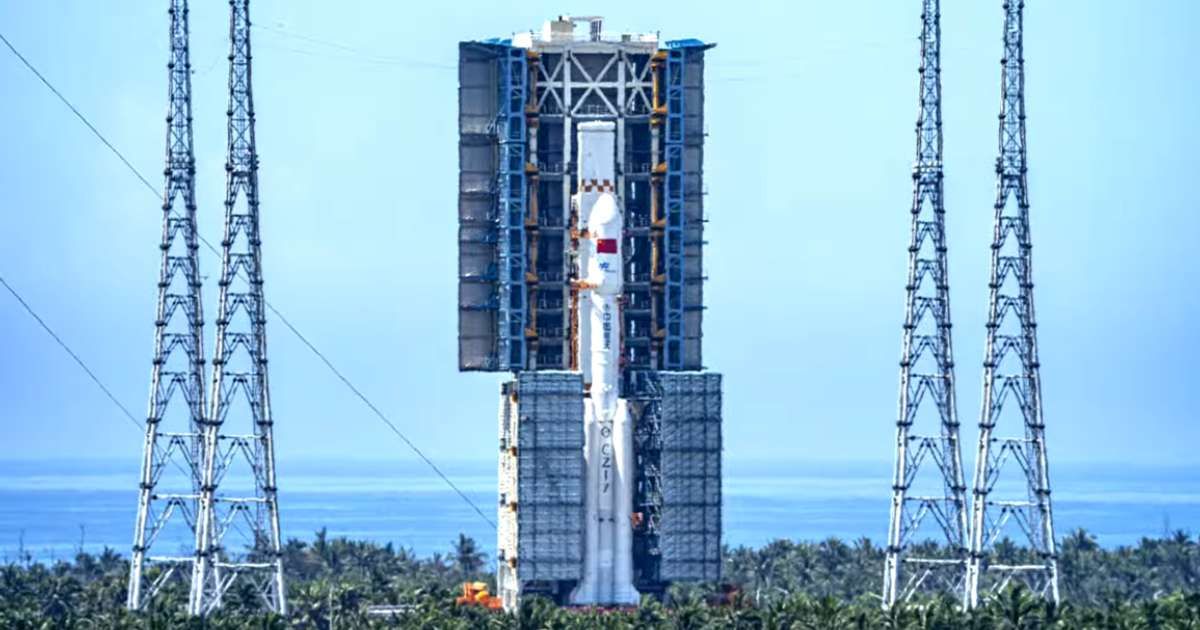
Fresh off the heels of the successful Tianzhou-9 mission, China launched the Tianzhou-10 cargo spacecraft from the Wenchang Spacecraft Launch Site on May 11, 2026, to deliver a brand new spacesuit, among other things, to the Tiangong space station. The new spacesuit is expected to expand the scope of operations of the Taikonauts living aboard the Chinese orbiting laboratory. Combined with the remaining supplies and hardware, the contents of the cargo craft constitute the largest payload of all resupply missions since the station’s construction began, according to Yu Lei, the chief designer of the China Aerospace Science and Technology Corporation.
The launch went ahead successfully thanks to a Long March-7 carrier rocket, which lifted off from the launch site in Hainan Province at 8:14 a.m. on Monday (Beijing Time), according to Xinhua. The new EVA spacesuits are among the 220 items meant to support the Shenzhou-23 and Shenzhou-24 missions to the space station.
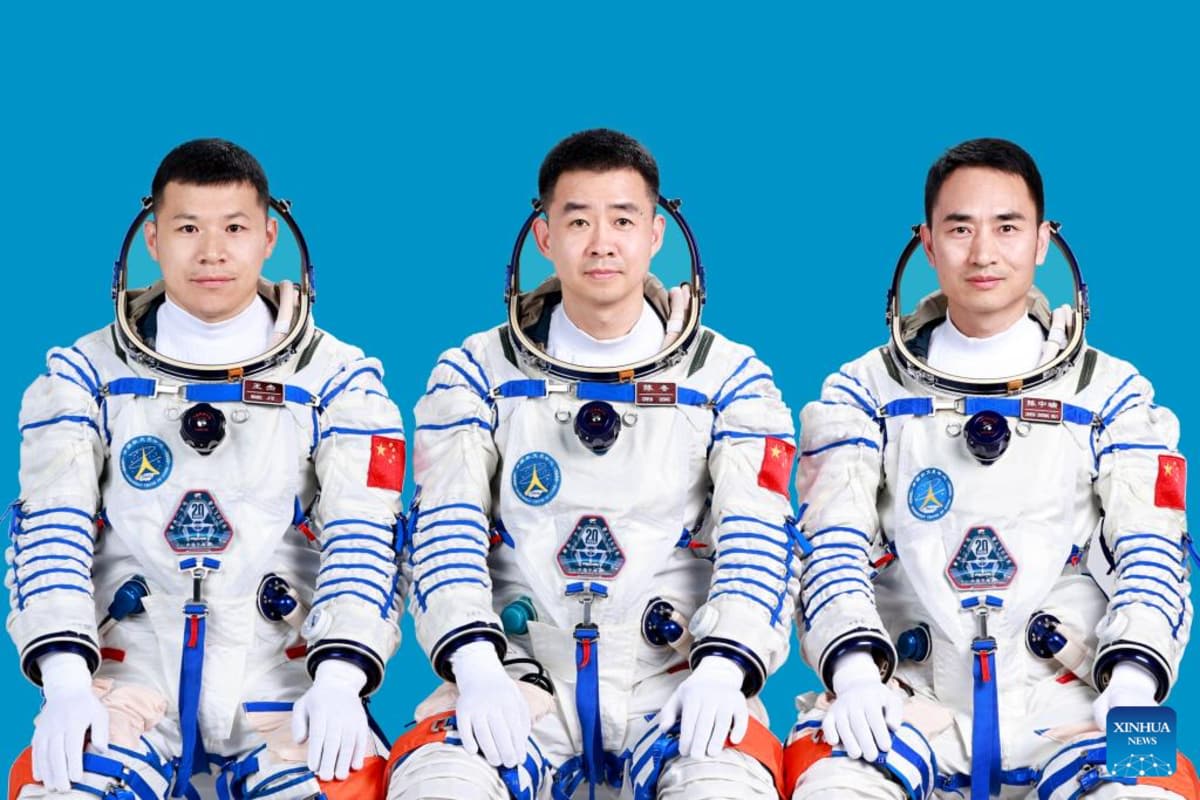
The brand new spacesuit is called Feitian. While the previous iteration of the suit had a lifespan stretching 15 spacewalks over three years, Feitian is expected to last 20 spacewalks over the span of four years. The new spacesuit features airtight elbow and knee bearings for a wider range of movement. It also houses an improved life-support system with enhanced thermal comfort and a refined human-machine interface.
The Tianzhou-10 cargo payload weighs 6.3 tons in total, about 700 kilograms of which is a fresh batch of propellants for the space station. Zheng Zehao, a researcher from the China Astronaut Research and Training Center, told the local outlet CCTV that the main structure of a new treadmill for exercising inside the station is also being delivered for in-orbit tests. The Chinese space program has been known to make life for its Taikonauts as Earth-like as possible, and so part of the Tianzhou-10 cargo has fresh produce like apples, cherry tomatoes, green grapes, and flat peaches. Zehao also mentioned that the spacecraft is carrying frozen steaks and chicken wings, which will further diversify the dining experience aboard the space station.
Similar to the Progress missions launched by Russia and NASA Commercial Resupply Services missions by US companies Northrop Grumman and SpaceX to the International Space Station, Tianzhou spacecraft are meant for shuttling a whole host of science equipment, spare parts, and consumables for the crew. This was the fifth resupply to the relatively new space station. At the moment, the Tiangong space station is inhabited by the crew of Shenzhou-21, who are currently serving a month-long extension to their mission to test the resilience of the systems and humans on board the outpost.
More on Starlust
China is reaching for the Moon: Inside its growing manned spaceflight capabilities
China launches Pakistan satellite into orbit, expands international ties amid Moon race with U.S.