China's Tianzhou-9 cargo spacecraft undocks from Tiangong space station, headed for re-entry
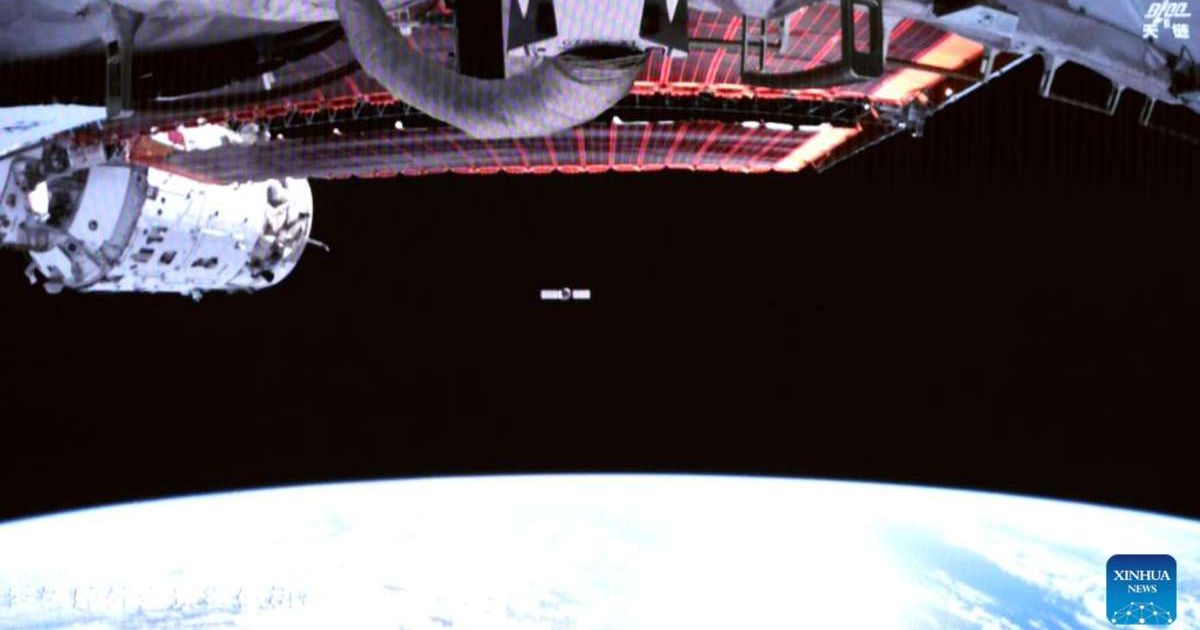
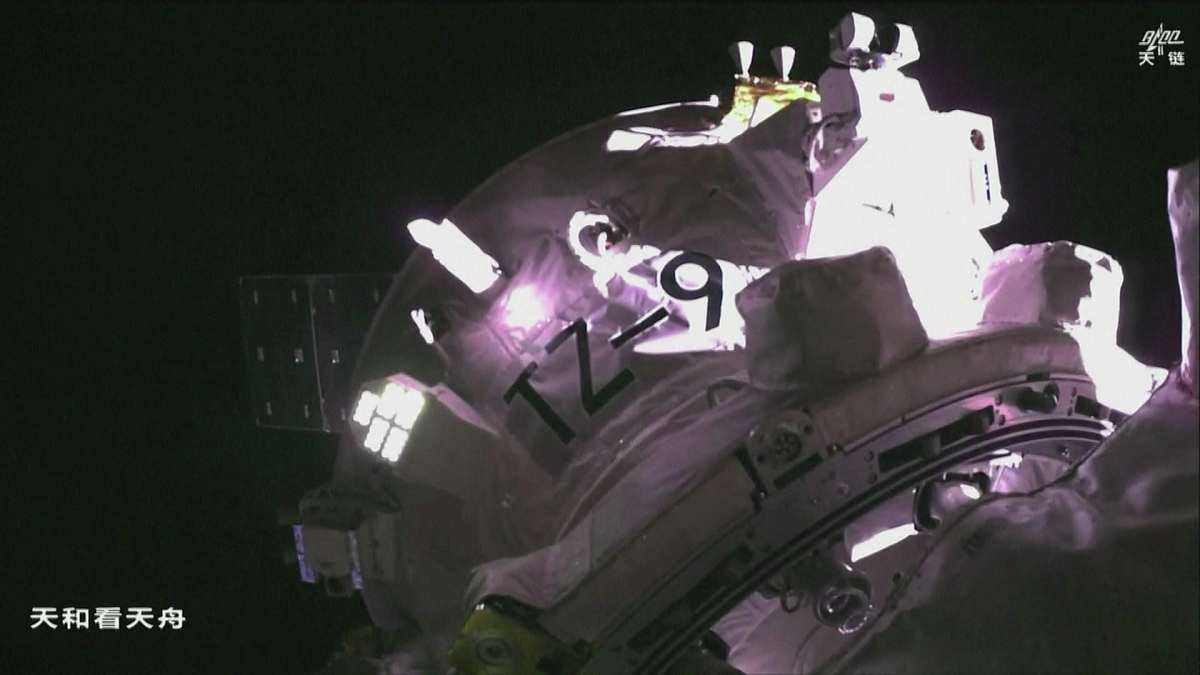
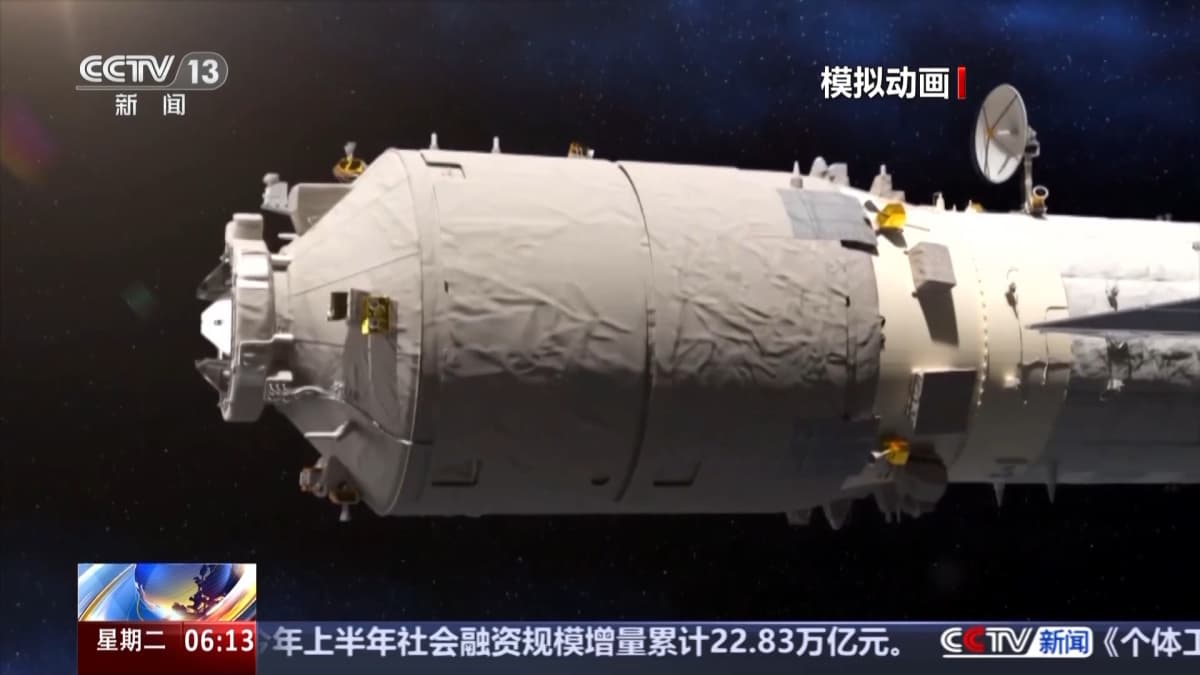
China's Tianzhou-9 cargo spacecraft officially undocked from the Tiangong space station at 4:34 pm Beijing Time on Wednesday, May 6, 2026. According to CGTN, the China Manned Space Agency (CMSA) have stated that the craft has completed its primary mission of delivering essential supplies to the orbiting laboratory. The spacecraft is now scheduled to perform a controlled re-entry into Earth's atmosphere at an undisclosed time. While the vast majority of the vessel will burn up during this high-speed descent, the CMSA has confirmed that any small pieces of debris surviving the intense heat will be directed to fall safely into a designated stretch of open water.
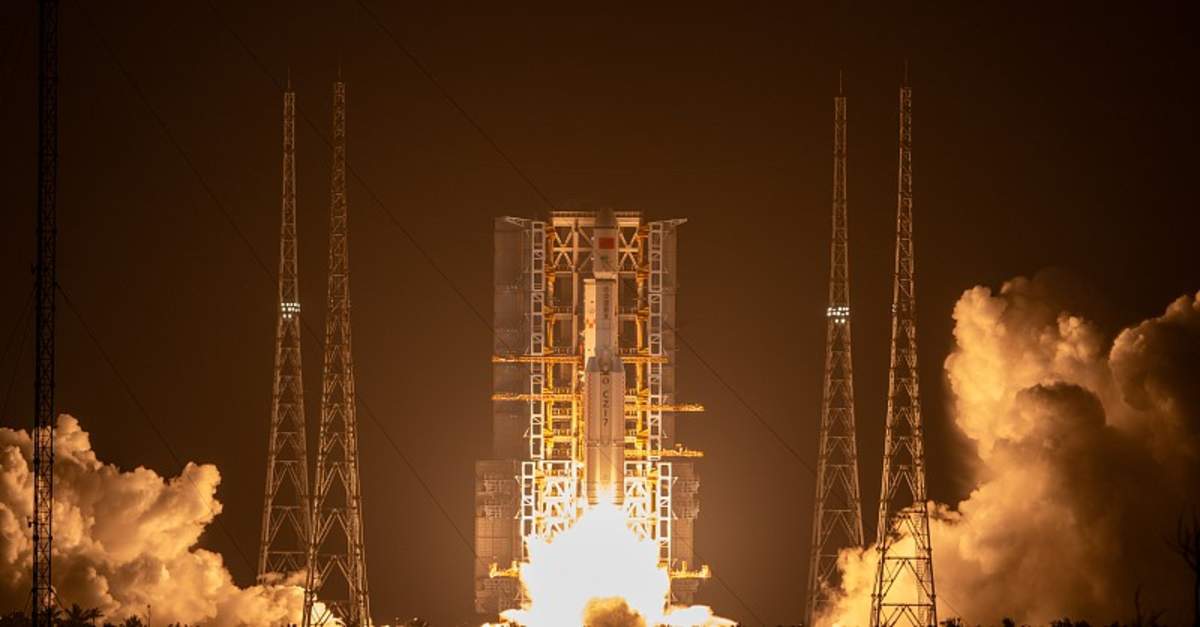
This departure marks the conclusion of a mission that began on July 15, 2025, when the cargo craft was launched from the Wenchang Spacecraft Launch Site in Hainan. When it arrived at the Tiangong space station, Tianzhou-9 delivered a massive haul of cargo required to sustain the crew and the station's operations. With about 6.5 tonnes of supplies, it carried the largest amount of cargo since the Tianzhou-6 mission. This included daily consumables for the astronauts, propellant to maintain the station's orbit, and specialized equipment for conducting scientific experiments in the unique environment of microgravity. This also included a couple of new spacesuits and an exercise device. The successful offloading of these supplies has been vital for the continued functionality of the station and the well-being of the residents living on board.
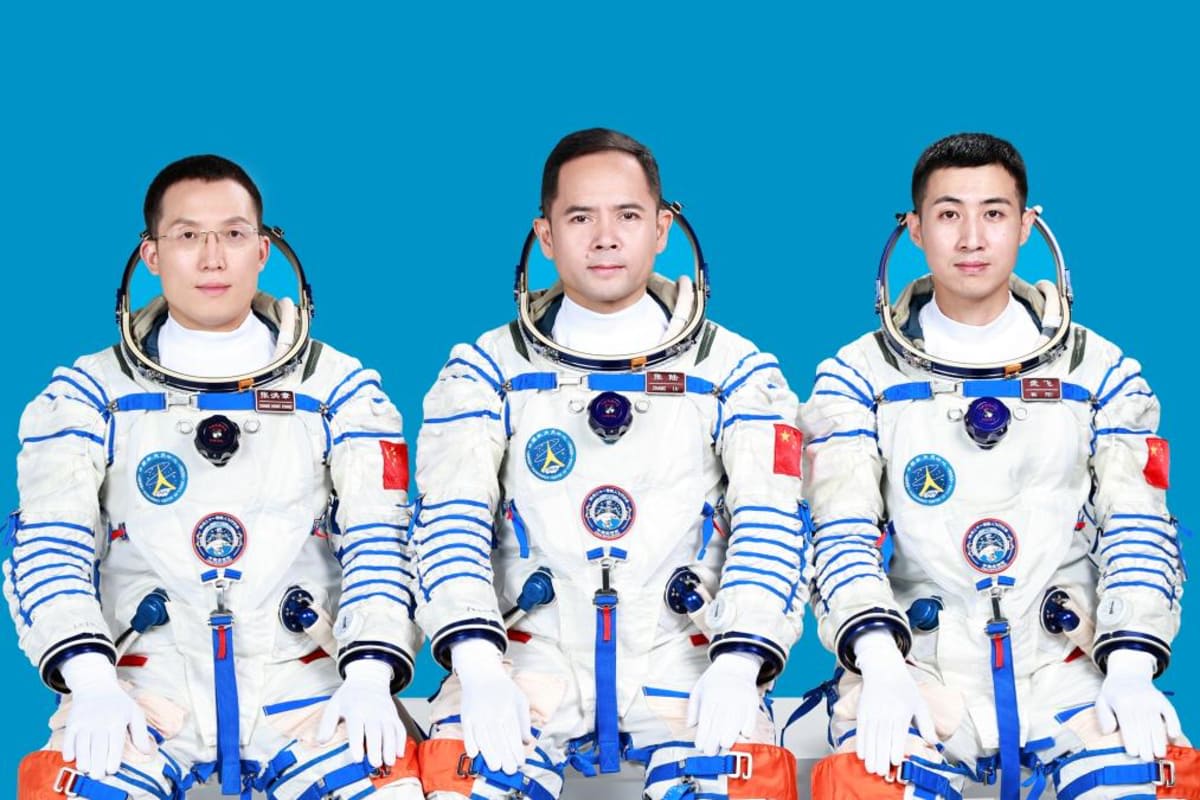
The current residents of the station, the Shenzhou-21 crew, have been working in close coordination with ground teams to manage these logistical tasks. This mission is being led by veteran Commander Zhang Lu, aged 48, joined by 39-year-old Zhang Hongzhang, and 32-year-old Wu Fei, the youngest Chinese taikonaut to ever travel to space. State media reports had previously reported that the trio was in excellent physical and mental health despite the emergence of the news that China's Manned Space Engineering Office had recently extended the Shenzhou-21 mission by a month.
Originally launched from the Jiuquan Satellite Launch Centre on October 31, 2025, the crew was initially supposed to return to Earth in late April after a six-month stay. The astronauts saw their time in space extended for an additional month, pushing their return date with the update to later this month. This additional orbital stay for the crew was intended to maximize the scientific output of the mission. Recent events also point to the maturity of China's long-term presence in low Earth orbit, with Tianzhou-9 launched to the space station within three months, the first time an emergency launch was prepared for in such a short space of time. China has also shown the resilience of its space program after having to find alternate ways of returning its astronauts home after an emergency situation, utilizing the Shenzhou-21 capsule for the return of the previous crew. The Shenzhou-21 crew has maintained a demanding schedule in the meantime, which has included performing three spacewalks to conduct technical maintenance and scientific research utilizing the station's advanced robotic arm.
China's space program is evolving rapidly with an eye toward even longer missions and deep space exploration. Future plans include a year-long stay for a member of the upcoming Shenzhou-23 crew aboard the orbital laboratory and the inclusion of payload specialists from Hong Kong and Macau to diversify mission personnel. Logistical costs are also being addressed through commercial partnerships for low-cost cargo transport, a strategy also being employed by NASA. The Tianzhou-9 mission also represented the quickest rendezvous, with only 3 hours needed for the automated docking process. Beyond Earth's orbit, the Chinese space program is also eyeing the Moon. With the Chang'e 7 lunar probe already moved to its launch site in Wenchang, China's intent to test landing hardware comes at a time when competitors such as NASA and its partners are also looking to be the first to resume crewed lunar exploration before the end of the decade.
More on Starlust
China prepares to launch Shenzhou-21 flight, sending youngest astronaut and mice into orbit
China launches Pakistan satellite into orbit, expands international ties amid Moon race with U.S.