A visit to an asteroid could be cheaper than trips to the Moon, claims new study
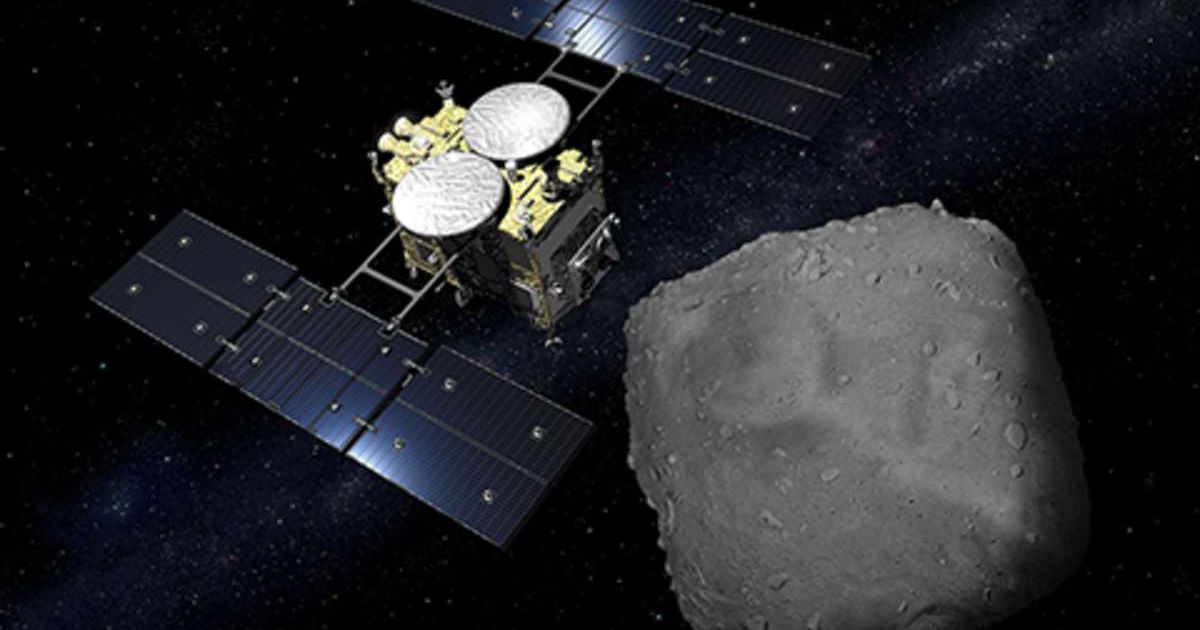
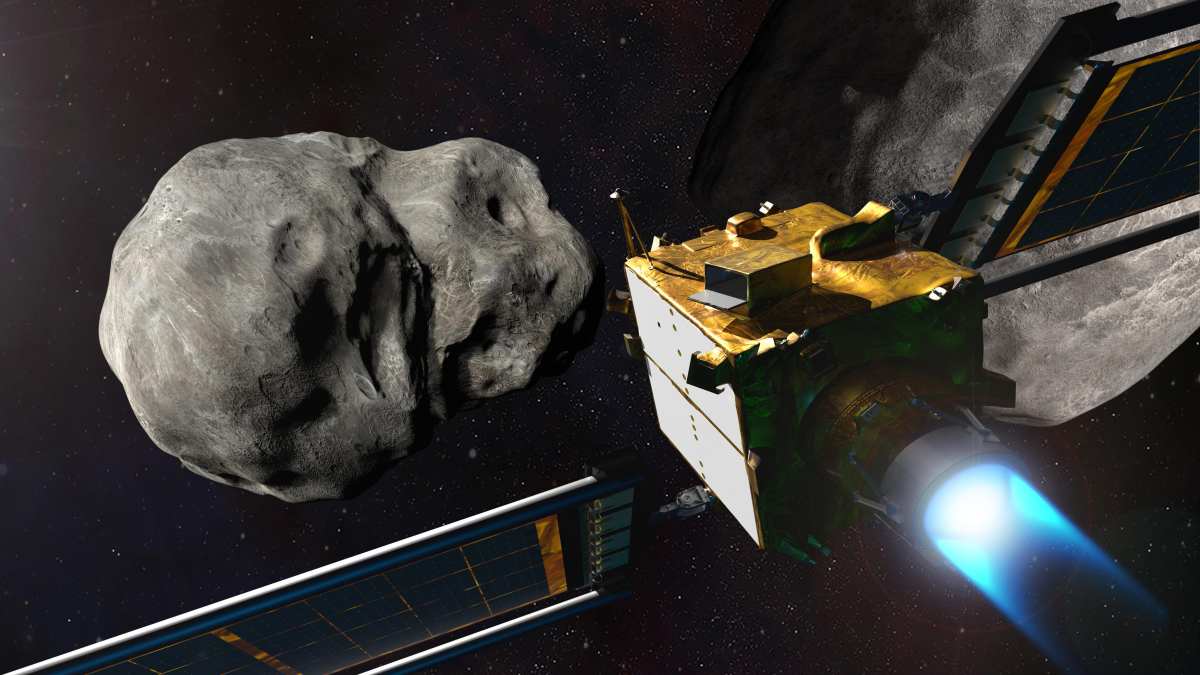
Asteroids are not just stony stragglers that occasionally threaten devastation on Earth, but also provide crucial insights into the formation and evolution of the solar system. With many asteroids passing within proximity of Earth, these resource-rich Near-Earth Objects (NEOs) are increasingly being considered as targets of exploration, and could serve as a stepping stone for humanity's quest to reach deeper into space. To that end, a new study published in Acta Astronautica has proposed models that can be used to design low-energy, round-trip trajectories to NEOs such as asteroids, with the researchers emphasizing that initially unmanned and eventually crewed missions to these rocky drifters could offer crucial experience in interplanetary travel and pave the way for the exploration of Mars.
The study, led by Alessandro Beolchi of the Khalifa University of Science and Technology in Abu Dhabi, reveals that the combination of low thrust and low-energy routes reduces launch and return costs as well as propellant consumption and widens departure and arrival windows, and proposes a systematic and scalable framework that can allow for flexible mission planning. Although exploratory trips to asteroids are not new in astronomy, the new study's approach to the same certainly is.
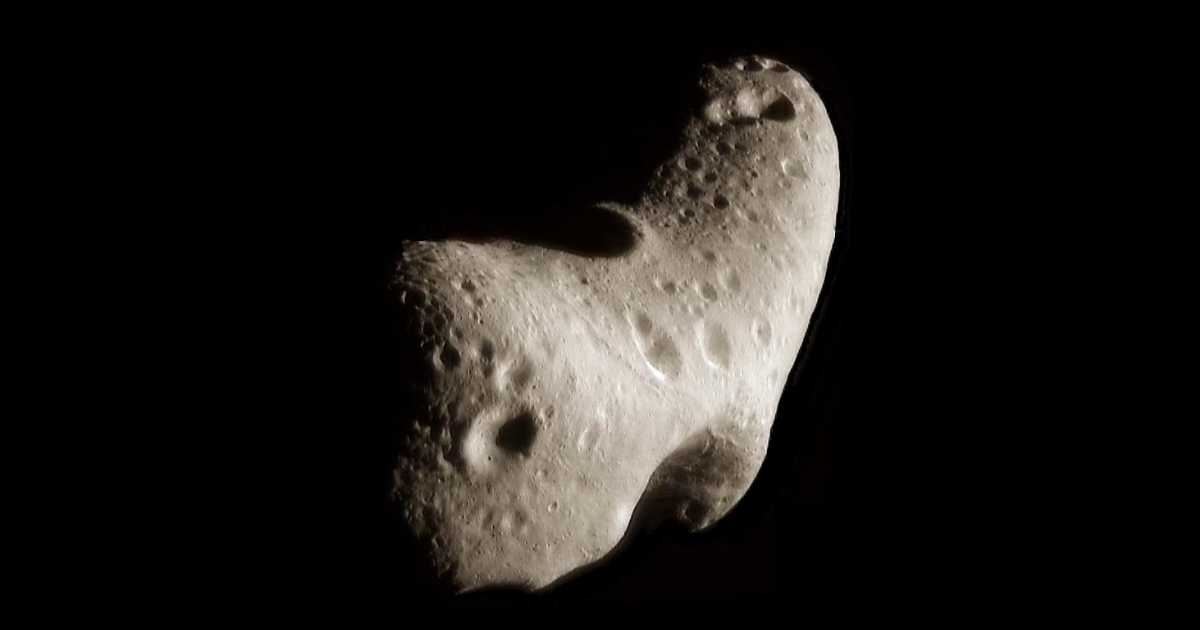
NASA’s NEAR Shoemaker was the first spacecraft to land on an asteroid—433 Eros—in 2001, providing insights into the geometry and mass of the object. NASA's landmark trip to 433 Eros paved the way for other missions, and JAXA’s Hayabusa mission also returned samples from asteroid Itokawa in 2010. CNSA’s Chang’e 2 flew by Toutatis in 2012, and JAXA’s Hayabusa2 mission visited Ryugu between 2018 and 2020, returning samples to Earth in 2020. NASA’s OSIRIS-REx, meanwhile, collected material from Bennu in 2020 and delivered it to Earth in 2023. However, while previous studies examined the benefits of high-power solar electric propulsion (SEP) for reducing injected mass and expanding the set of reachable targets, the new study focused on direct low-energy routes that rely on the natural dynamics of the Sun-Earth Circular Restricted Three-Body Problem.
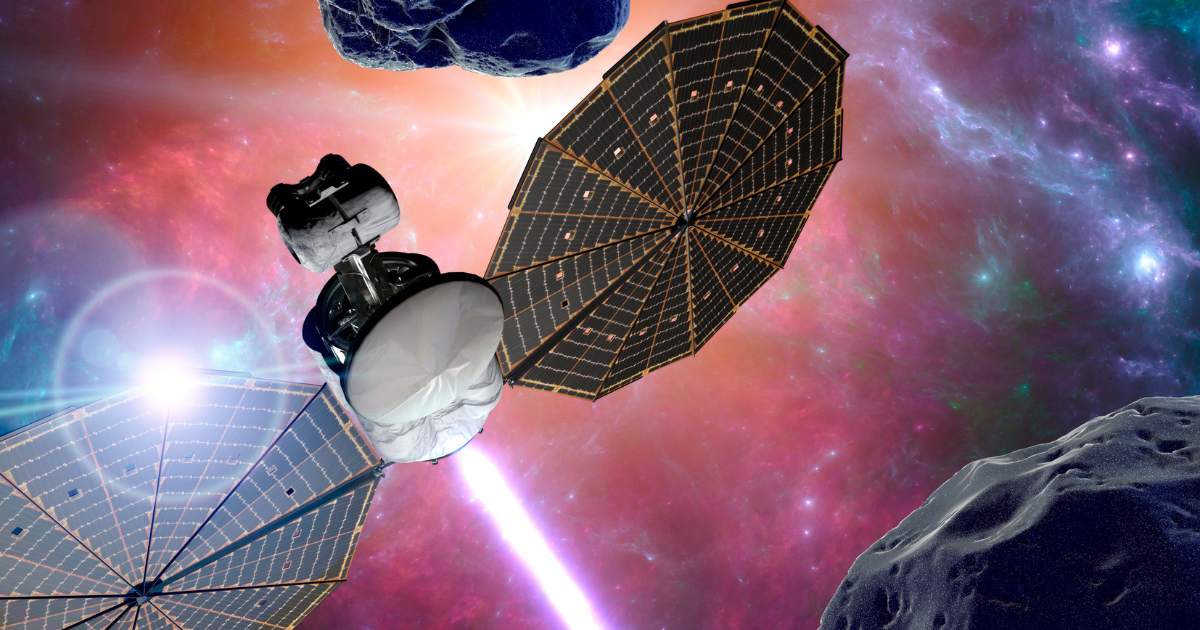
This model has the advantage of introducing the gravitational tug-of-war between Earth and the Sun, specifically the Lagrange points of orbital stability. In space, Lagrange points are specific positions where the gravitational forces of two large bodies (like the Sun and Earth) balance the orbital motion of a small object, creating stable spots to park it. These are the places where a spacecraft can remain in a fixed position relative to the bodies with minimal fuel expenditure. A spacecraft can hover in these spots in interplanetary space, allowing it to wait and ride natural gravitational currents to meet passing asteroids in deep space. Once a spacecraft gets far away from Earth, the researchers propose resorting to the traditional Two-Body problem of the Sun and the spacecraft. This eliminates the gravitational influence of our home planet entirely.
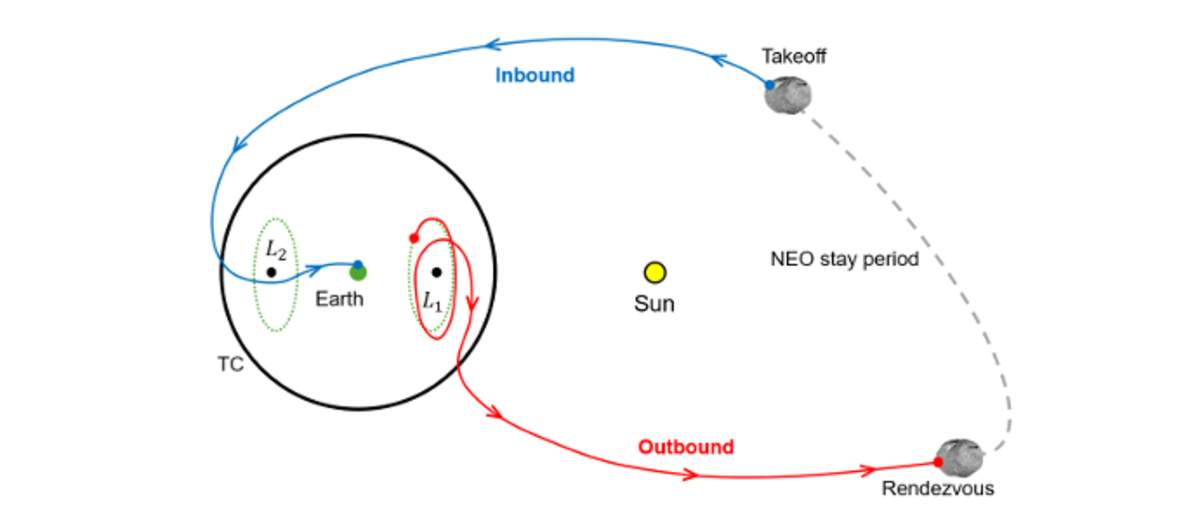
Further, the researchers emphasized that their new method calculates trajectories for trips to an asteroid and back to Earth separately, thereby allowing mission planners to snap inbound and outbound paths together to see if they fit. The advantage? Such a "modular" approach eliminates the need for massive, time-consuming supercomputer calculations required for calculating trajectories the traditional way, thereby enabling "a direct link between the underlying dynamical structures and the resulting mission opportunities".
After finalizing the best model, the team ran simulations on actual asteroids. Each of them had relatively flat, low-eccentricity orbits, but the results from the simulations were staggering—over 2 million distinct, viable round-trip trajectories for just 11 selected asteroids. Given the astronomical possibilities, the researchers also explored two specific case studies, namely, 1991 VG and Apophis.
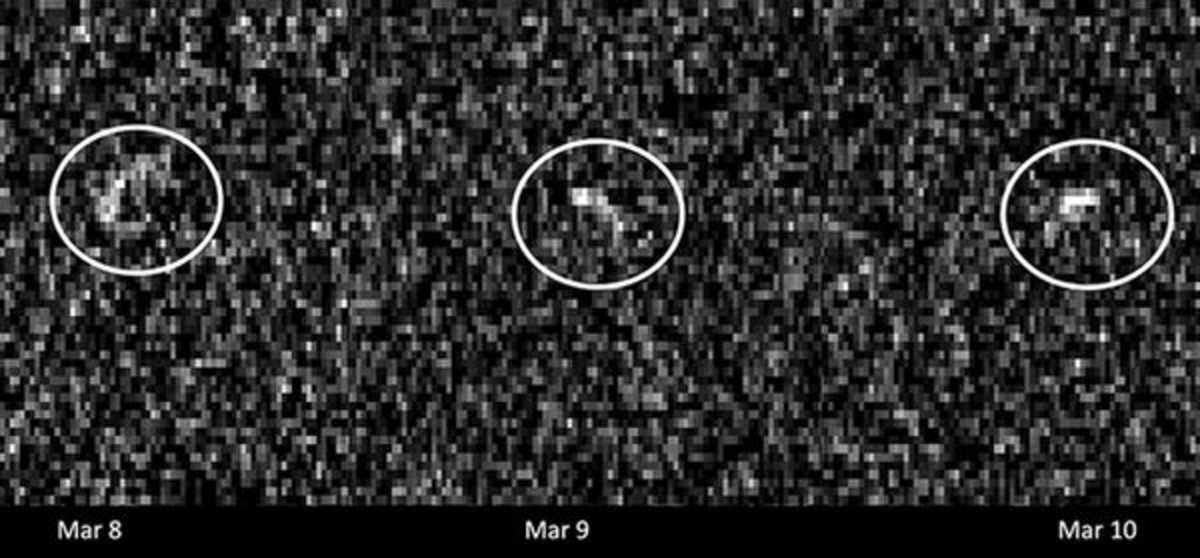
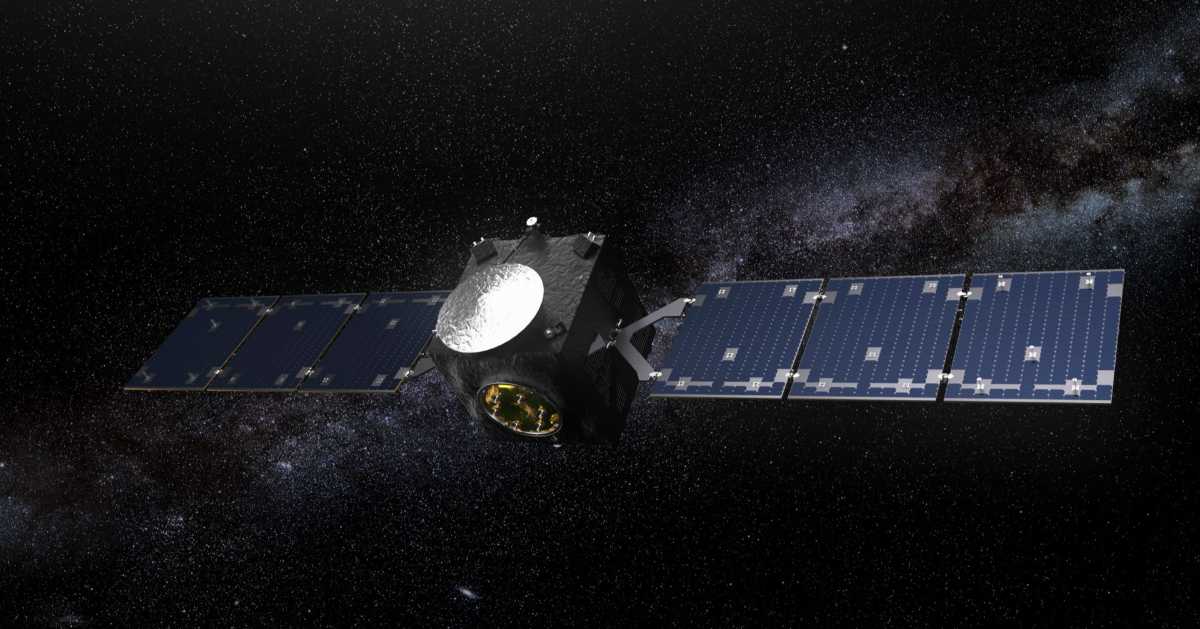
With regard to 1991 VG, the researchers envisioned a robotic probe that could leave Earth along an orbital path to the L1 Lagrange point, visit the asteroid, and then return home via L2 on the opposite side of the planet. The new method dramatically lowered the launch and escape energy required of the spacecraft, making the simulated missions much cheaper than lunar trips. Further, the researchers found that the lower speed of the spacecraft on its return to Earth would ensure lower speeds of re-entry into the atmosphere, thereby requiring less heat shielding. As for Apophis, researchers said their model handled developing a trajectory for the asteroid with ease, despite its notoriously eccentric and inclined orbit, thereby demonstrating the model's versatility for objects falling outside its ideal parameters.
More on Starlust
After Bennu, scientists find all DNA and RNA building blocks in asteroid Ryugu samples