Comet 3I/ATLAS is just days away from its closest approach to Earth—latest coordinates and viewing tips

Just days remain until comet 3I/ATLAS makes its closest pass to Earth, offering a possible viewing opportunity for astronomers and stargazers alike. According to Sky Live, the celestial body is currently sailing through the constellation of Leo, roughly 169 million miles away from our planet. The current Right Ascension of the comet is 11 hours, 26 minutes, and 35 seconds, and its Declination is +03° 33’ 44”. It takes about 15 minutes and 12 seconds for light from the comet to reach us, since it is so far away.
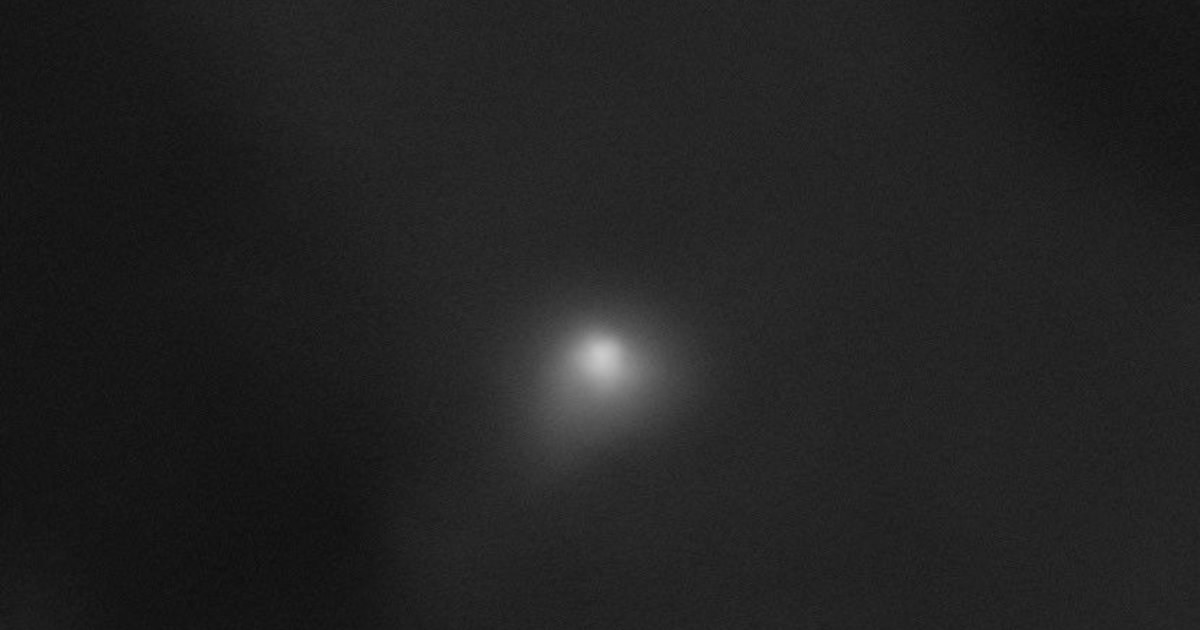
The comet's brightness, or magnitude, is remaining constant at 10.4 (the predicted magnitude, however, is 15). As far as viewing tips are concerned, NASA recommends using a telescope with an aperture of at least 30 centimeters to spot the interstellar visitor during its closest approach on December 19, when the comet sails past Earth at a distance of about 167 million miles (1.79 Astronomical Units). Viewers should look east to northeast in early pre-dawn hours, when the comet may be seen just beneath the main star of the constellation Leo, Regulus. For a better viewing experience, you may look for observatories and skywatching events in your area.
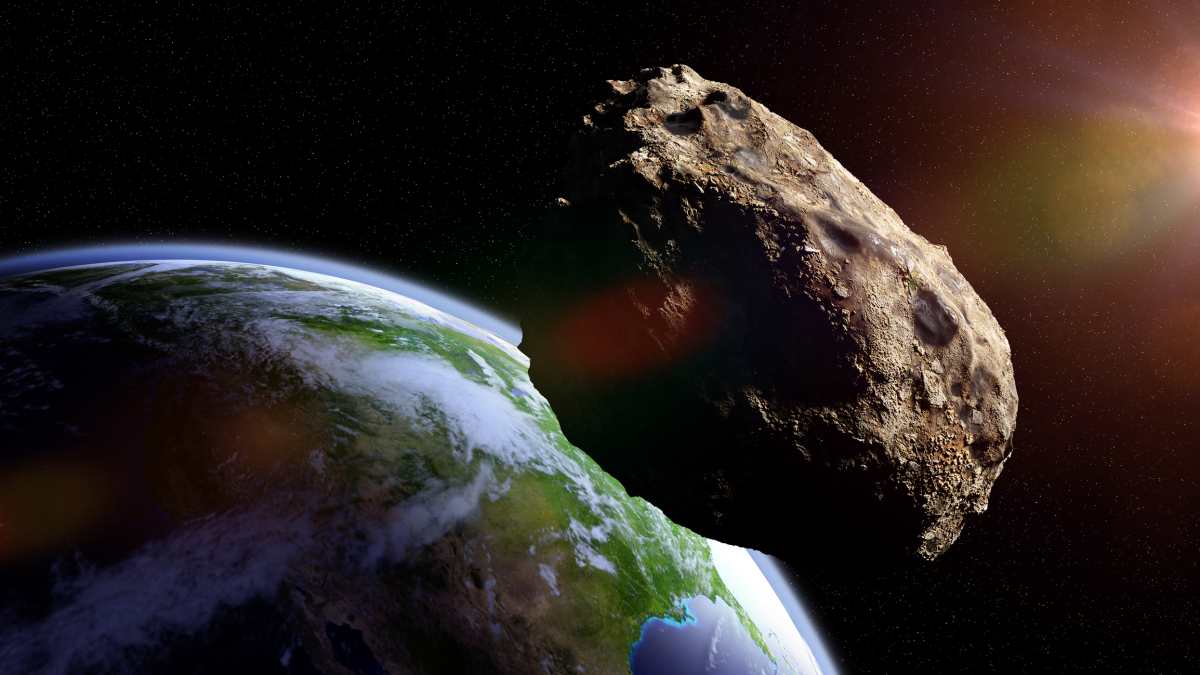
In case you are wondering, the comet does not pose any threat to Earth because, during its closest approach to our planet, it will be over 700 times farther away than we are from the Moon.
NASA, however, is continuing its intense study and observation of this third known object to visit from beyond our solar system. A worldwide network of ground and orbital telescopes and space-based instruments continues to focus its attention on the cosmic visitor.
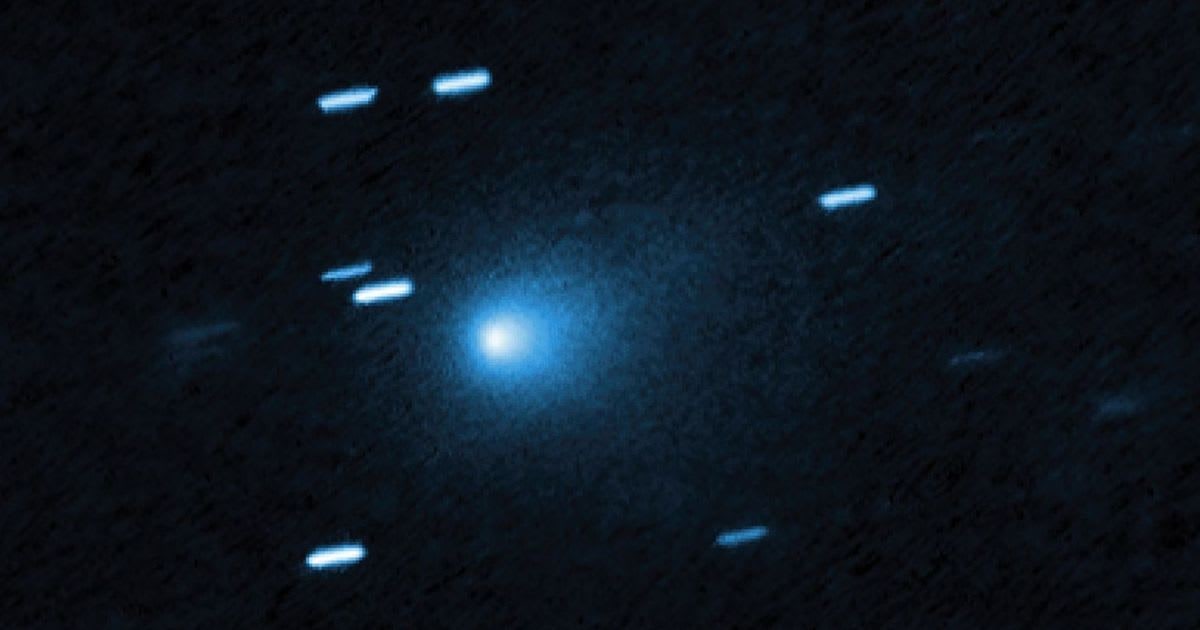
For astronomers and skywatchers who want to view the comet this week, know that on December 11, the comet will be at a Right Ascension of 11 hours, 24 minutes, and 12 seconds, with a Declination of positive 3 degrees, 46 minutes, and 12 seconds. At this point, the object should have a visual magnitude of 15.02. By December 12, the comet's celestial coordinates will reach a Right Ascension of 11 hours, 19 minutes, and 58 seconds and a Declination of positive 4 degrees, 8 minutes, and 42 seconds. The slight dimming trend begins, with the magnitude falling to 15.03, per Sky Live.
The following day, on December 13, the comet will continue its path, with its Right Ascension decreasing to 11 hours, 15 minutes, and 39 seconds, whereas its Declination increases to positive 4 degrees, 31 minutes, and 27 seconds. The object's brightness will keep on diminishing slightly, registering a magnitude of 15.05. Lastly, on December 14, the calculated coordinates for the interstellar object are 11 hours, 11 minutes, and 17 seconds in Right Ascension, and positive 4 degrees, 54 minutes, and 25 seconds in Declination, while its faintness will be documented by a magnitude of 15.07.
More on Starlust
Interstellar comet 3I/ATLAS appears to be covered in erupting 'icy volcanoes,' scientists say