NASA loses contact with MAVEN orbiter as it goes silent behind Mars
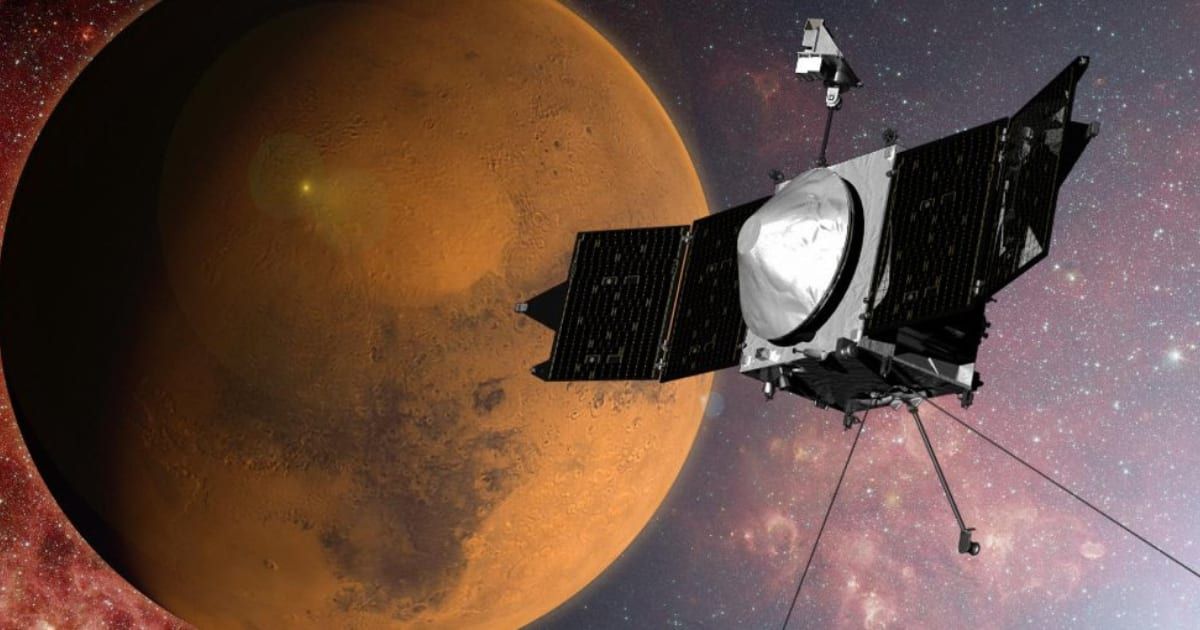
NASA's Mars Atmosphere and Volatile EvolutioN (MAVEN) spacecraft has unexpectedly stopped communicating with Earth, the agency informed. The orbiter, which is one of the defining elements of NASA's robotic fleet, went radio silent on December 6.
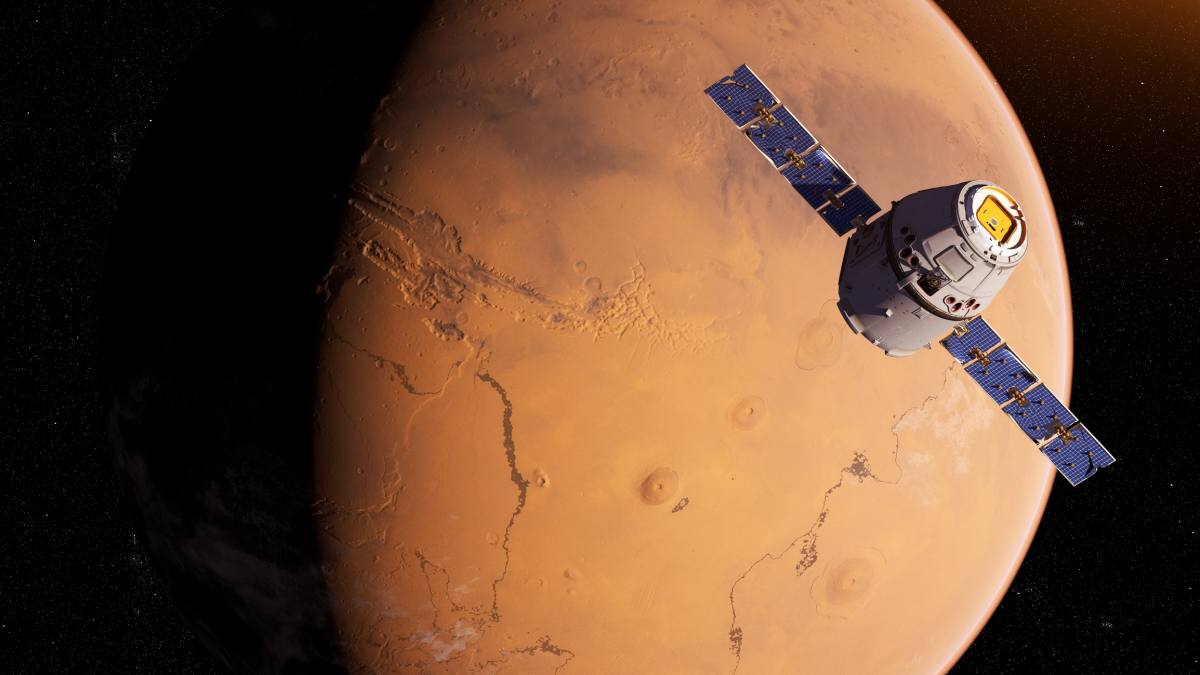
The communications blackout occurred when the probe passed behind the Red Planet. Data sent back immediately before the break suggested that all systems on the spacecraft were operating as anticipated. However, when MAVEN was expected to emerge from the other side of Mars, the ground stations operating the Deep Space Network did not receive its signal.
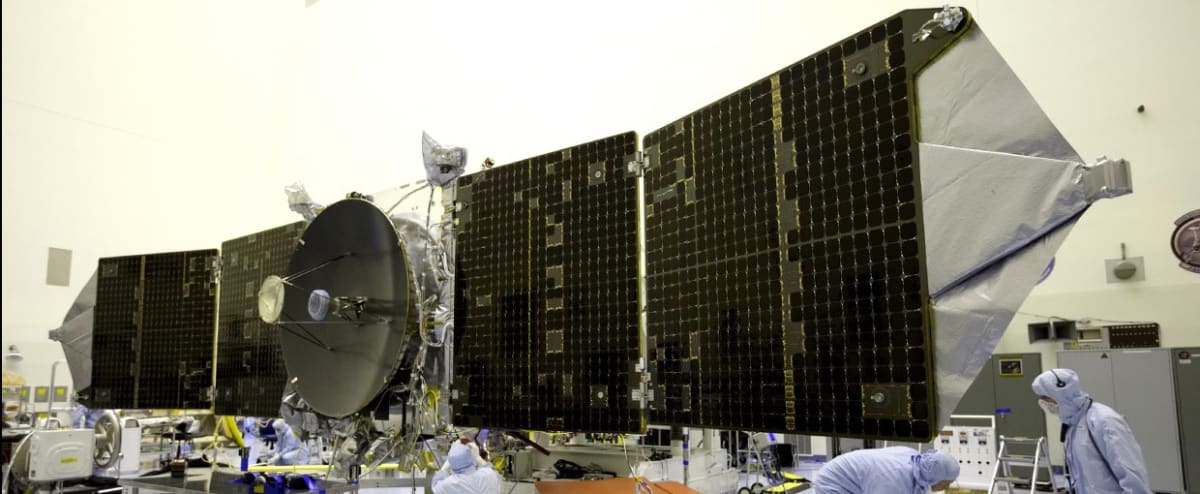
The spacecraft and operations teams are working to identify the cause of the communication breakdown and reestablish contact with the probe. NASA said more information will be provided once there is an update. MAVEN was launched in 2013 and went into Mars orbit in 2014. Its objective is mainly a scientific investigation into the upper atmosphere of Mars and how its interaction with the solar wind has resulted in the loss of Martian atmosphere over time. The research is central to understanding the history of the planet's atmosphere, climate, ancient liquid water, and habitability. Last year marked its tenth year of service.
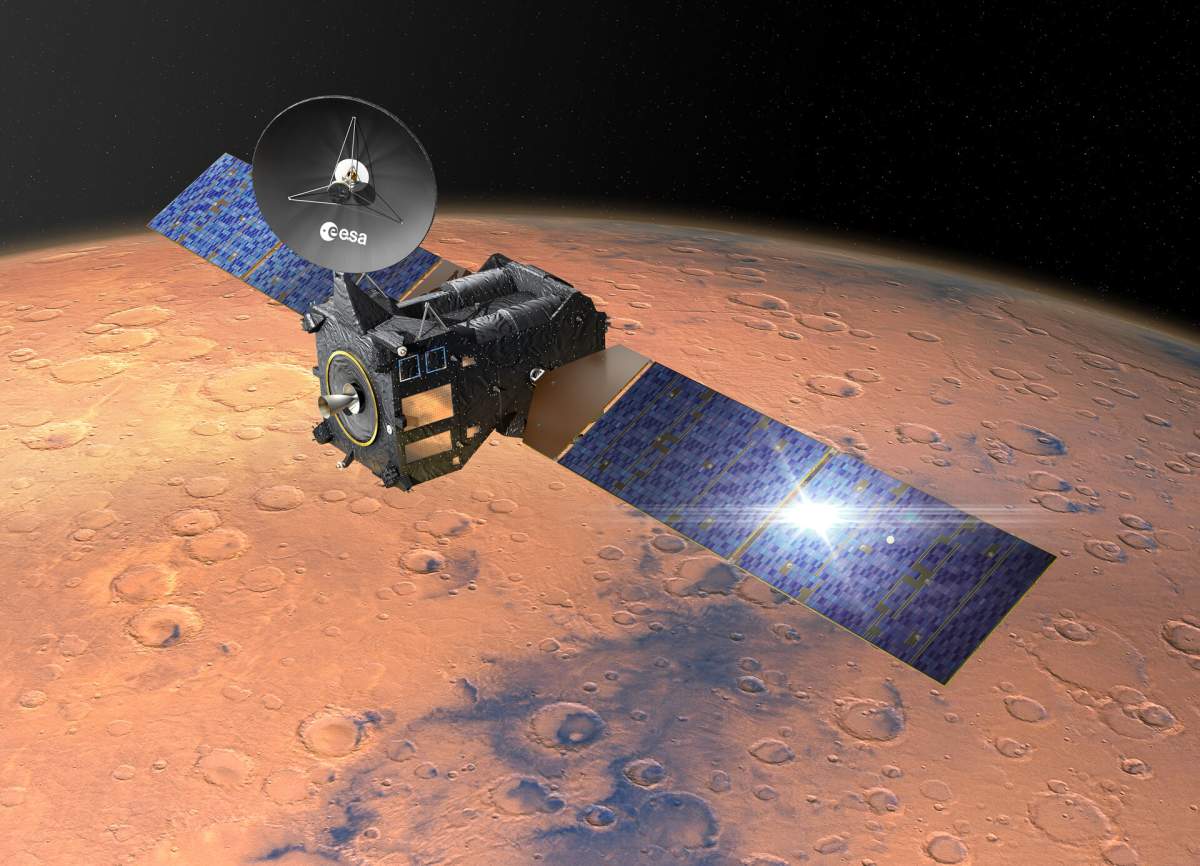
MAVEN is also a part of an international relay network, working hand in hand with NASA's Mars Reconnaissance Orbiter (MRO) and Odyssey, and the European Space Agency's Mars Express (MEX) and ExoMars Trace Gas Orbiter (TGO), to ensure continuous, planet-wide communication coverage for surface missions, per Space.com.
Since its orbit was not believed to be affected by the communications problem, NASA and Deep Space Network operators will continue to "ping" the satellite along its predicted flight path. They hope to establish contact while simultaneously trying to get to the root of the problem and figure out a solution.
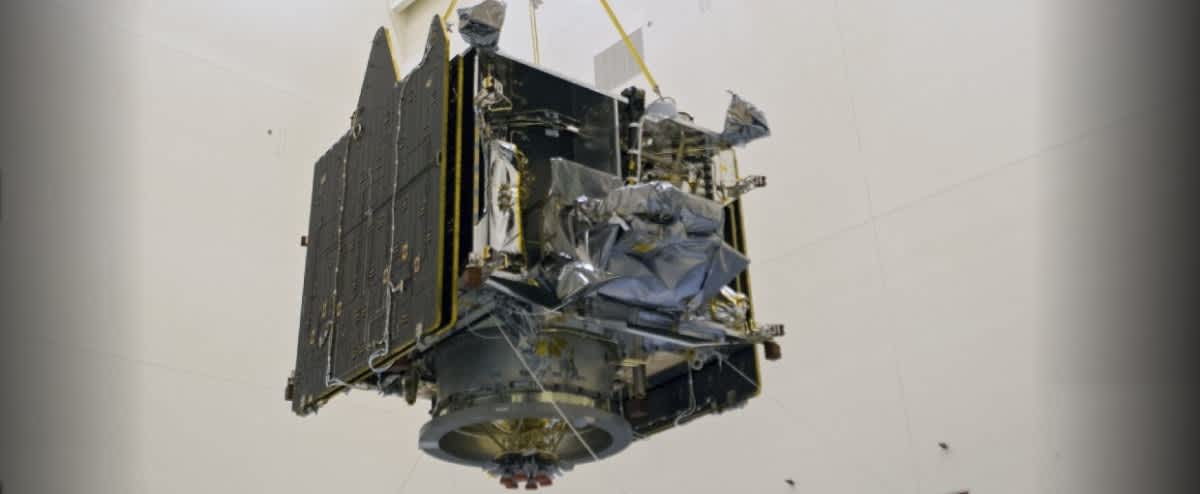
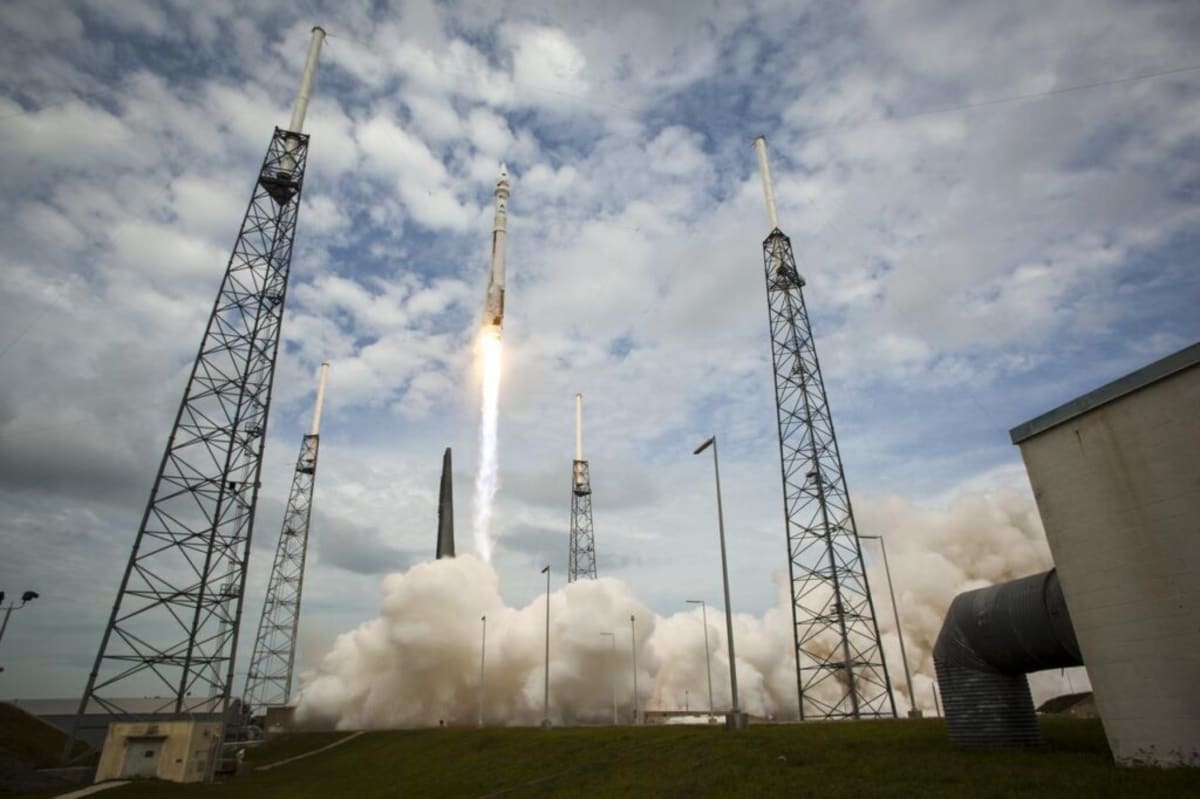
Fully fueled, MAVEN weighs 5,410 pounds, as per NASA. Without propellant, the spacecraft weighs 1,784 pounds. Launching aboard an Atlas V01 rocket from Cape Canaveral, the orbiter is an established veteran operating "well past the end of its prime mission." Despite its age, however, the spacecraft has sufficient reserves to keep going well into at least the end of the decade. In 2022, NASA updated MAVEN's navigation, shifting to an "all-stellar" system as the orbiter encountered problems with its Inertial Measurement Units (IMUs) following a loss of contact.

Recently, MAVEN proved its adaptability before the communication failure by successfully observing comet 3I/ATLAS for ten days beginning on September 27, per NASA. MAVEN photographed the comet using its Imaging Ultraviolet Spectrograph (IUVS) camera in two different ways: first, by taking several pictures at different light wavelengths, and second, by taking high-resolution UV images with the express purpose of identifying hydrogen. "The images MAVEN captured truly are incredible," said MAVEN's principal investigator Shannon Curry. "The detections we are seeing are significant, and we have only scraped the surface of our analysis." Scientists hope to learn more about the comet's overall composition and determine its molecular structure by examining these combined images.
More on Starlust
ESA’s ExoMars captures massive dust avalanches on Mars triggered by a meteoroid impact
NASA’s billion-dollar Mars sample mission faces a setback as Trump signals intent to cut funding