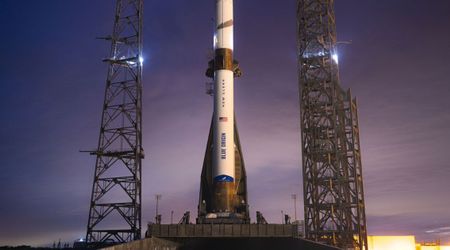
Blue Origin NS-37 mission will launch first astronaut in wheelchair to space

Blue Origin has targeted a launch date for its next crewed New Shepard flight, NS-37. The company announced that the New Shepard spacecraft will lift off on Thursday, December 18, from Launch Site One in West Texas. Liftoff is targeting a launch window that opens at 8:30 AM CST (14:30 UTC). The live mission webcast begins 40 minutes prior to the target time. Remarkably, one of the six private astronauts onboard the mission will be Michaela "Michi" Benthaus, who's set to be the first wheelchair user ever to journey into space.
New Shepard is preparing to launch from West Texas, giving six people a perspective that only space can provide. Our crewed NS-37 mission is targeting liftoff from Launch Site One on Thursday, December 18, with the launch window opening at 8:30 AM CST / 14:30 UTC.
— Blue Origin (@blueorigin) December 11, 2025
Learn more… pic.twitter.com/QPcDgr34ef
Benthaus has been wheelchair-bound since she sustained a spinal cord injury in an unfortunate mountain biking accident in 2018. However, as is evident, Benthaus, an aerospace and mechatronics engineer at the European Space Agency, refused to let the tragedy define her life. She was on board a Zero-G research flight three years ago and completed an analog mission. In fact, she is quite a sports enthusiast, and plays wheelchair tennis outside of work.
🚀Meet the New Shepard NS-37 crew: Michi Benthaus, Joey Hyde, Hans Koenigsmann, Neal Milch, Adonis Pouroulis, and Jason Stansell. Read more: https://t.co/6A07VXReh6 pic.twitter.com/Q2UVDxfrQB
— Blue Origin (@blueorigin) December 3, 2025
Benthaus will be accompanied by physicist and investor Joey Hyde, aerospace engineer Hans Koenigsmann, entrepreneurs Neal Milch, Adonis Pouroulis, and "self-proclaimed space nerd" Jason Stansell. Koenigsmann, in fact, is a name and face well known by space nerds around the world. Koenigsmann worked at SpaceX from 2002 to 2021. During much of his time there, he spent ten years as vice president of build and flight reliability.
Blue Origin revealed the NS-37 mission patch, which includes symbols that represent the backgrounds and passions of the astronauts. Notable among them is a hippo, representing Michi Benthaus' favorite animal that also kept her company during recovery, and a tennis ball, representing her competitiveness. The patch includes a spiral galaxy to represent Joey Hyde's astrophysics research and a baobab tree to recognize Adonis Pouroulis' heritage in South Africa, per Blue Origin.
Neal Milch's focus is on science, represented by a DNA strand. A dog-bone shape, the letter "K," and the number 201 visible in the capsule windows give a nod to Stansell's brother. Finally, shards of broken glass on the patch drive home Blue Origin's stated goal of eliminating barriers, including cost, nationality, and physical ability, to reach space.
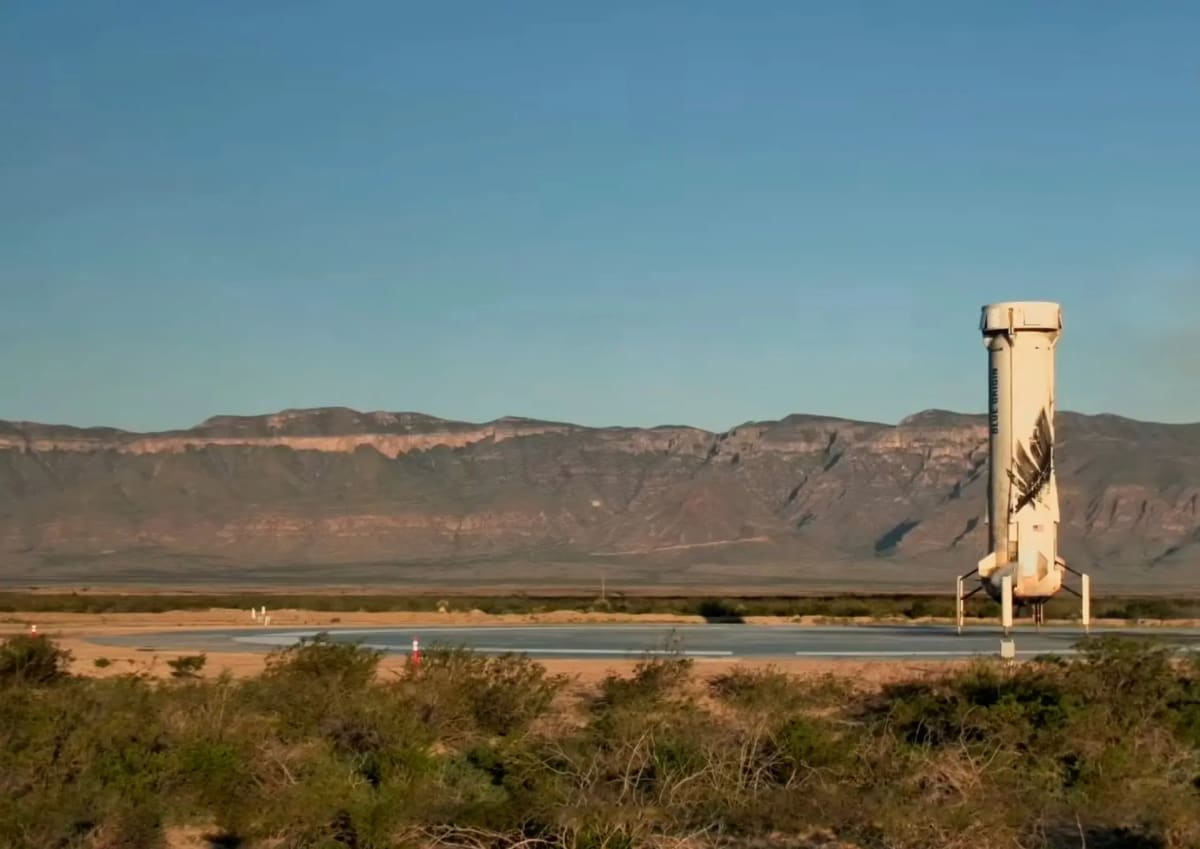
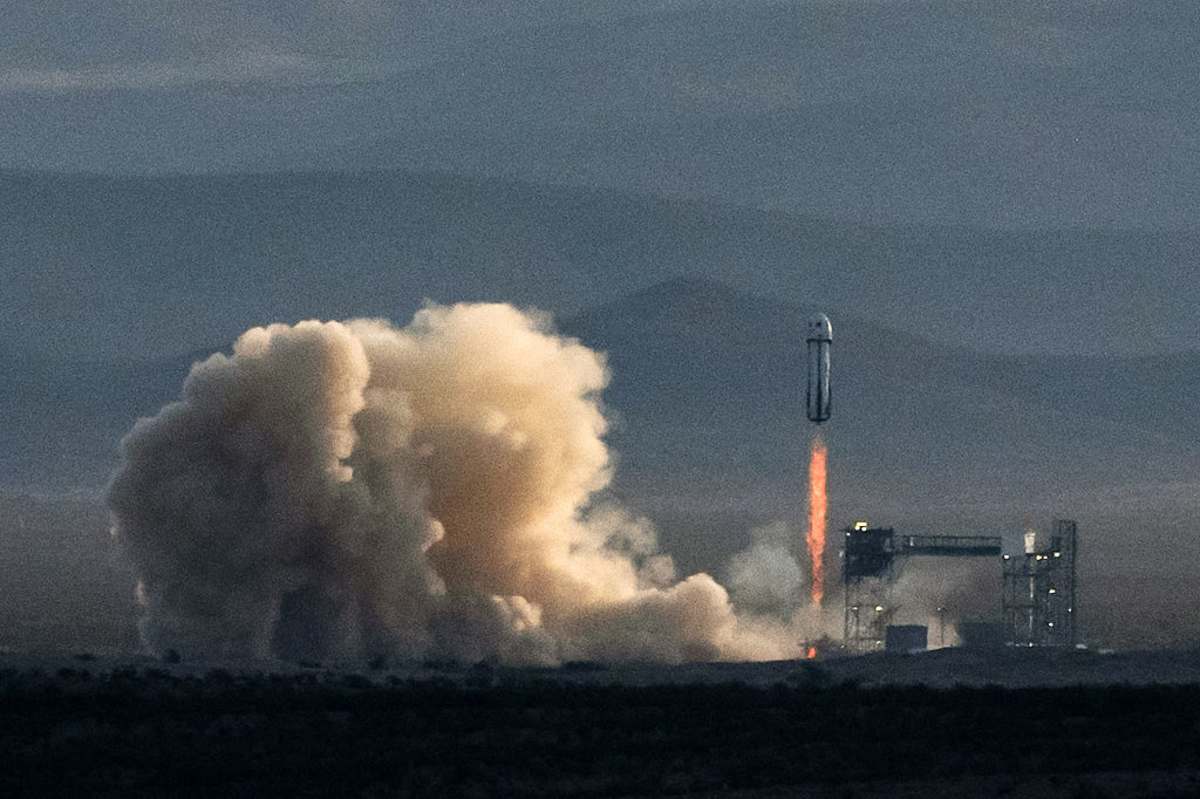
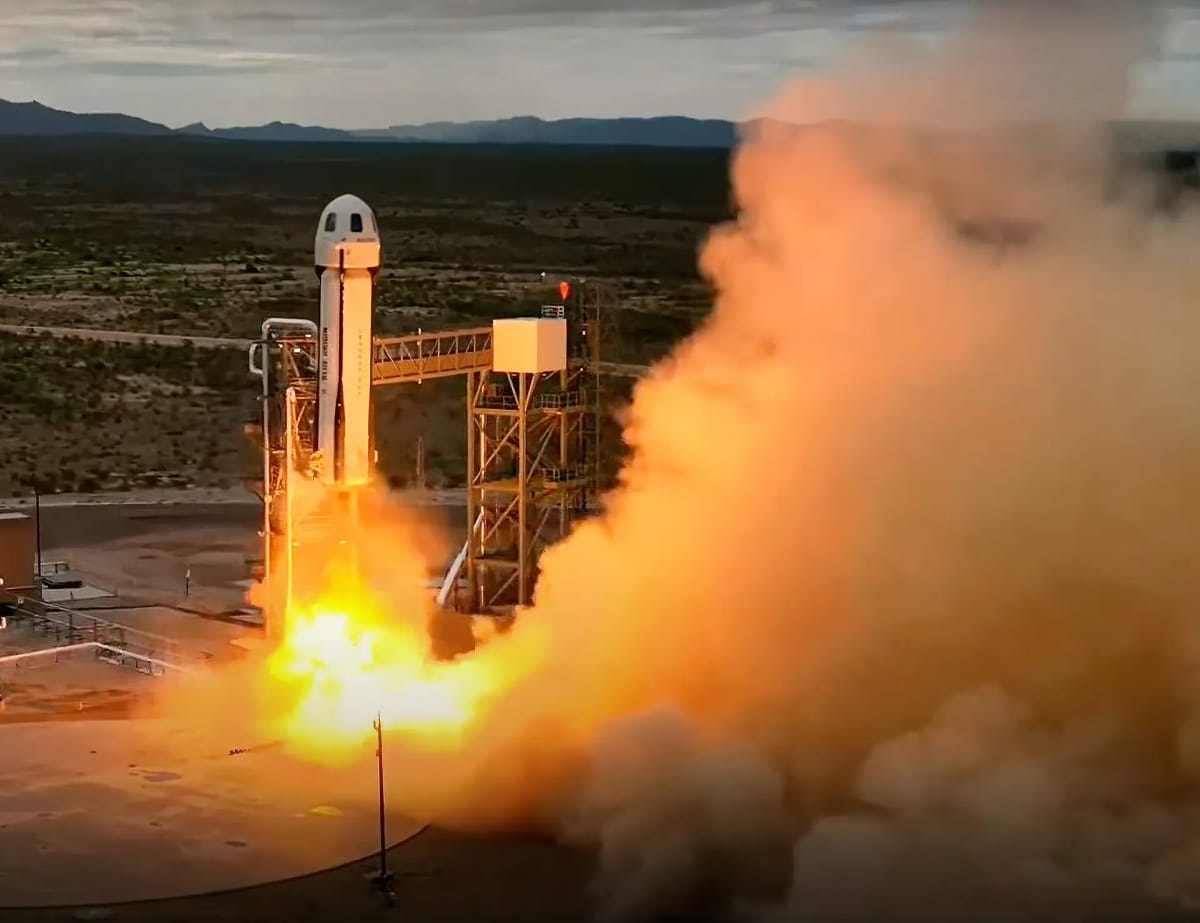
Astronauts will fly on the New Shepard system, comprising a completely reusable suborbital rocket named after Alan Shepard, the first American to go into space. Unlike conventional rockets, the New Shepard booster returns to Earth and actually lands vertically, ready to fly again. According to Blue Origin, the entire ride is short, reaching only about 11 minutes, but it propels the crew past the Kármán line—the internationally recognized boundary of space, set at 100 kilometers or 62 miles. At this limit, passengers briefly experience weightlessness and enjoy unrivaled views of Earth. The craft is designed for fully autonomous travel.
At the Kármán line, all walks of life come together.
— Blue Origin (@blueorigin) August 4, 2025
On August 3, Blue Origin successfully completed its 14th human spaceflight and the 34th flight for the New Shepard program. pic.twitter.com/6WoNBZptxM
The six crew members will be accommodated inside the capsule, which is pressurized and temperature-controlled to guarantee comfort during the trip. Each seat in the cabin has a window so that every astronaut can enjoy the view of space. Before ever taking its first passengers, the New Shepard system underwent a very serious development and testing phase that concluded in 2021.
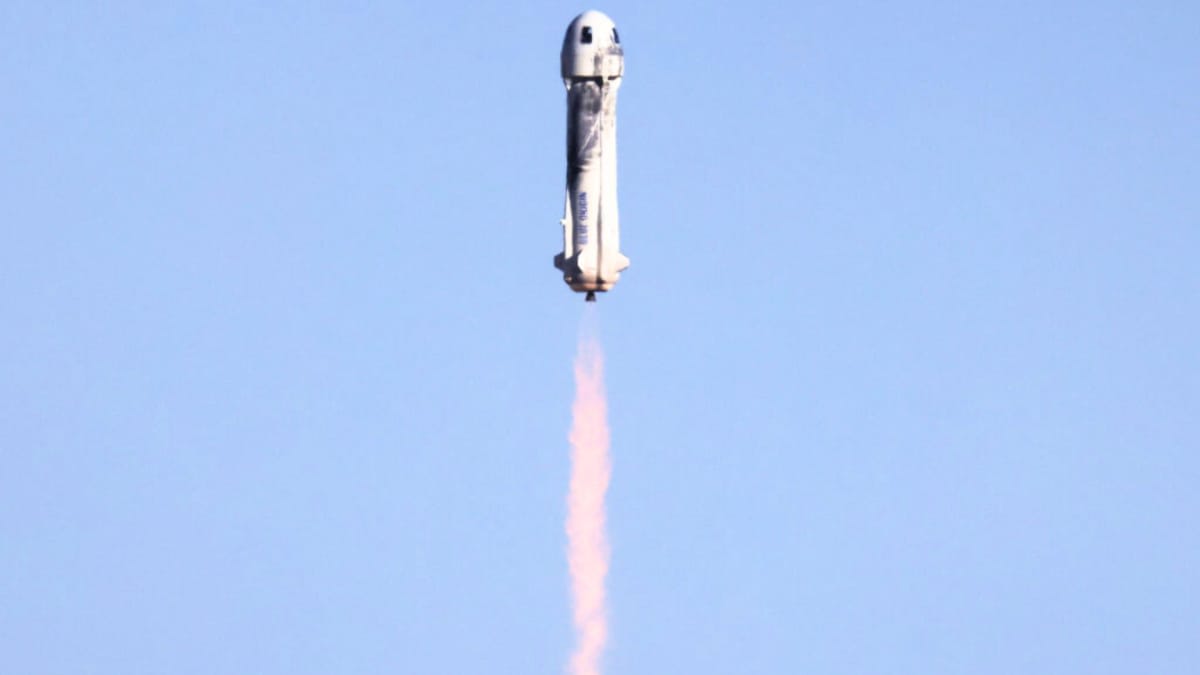
This included 16 consecutive successful flight tests, featuring three demonstrations of the crew escape system, proving the capsule can safely separate from the rocket in case of emergency at any point during the flight. To date, Blue Origin has sent 86 people (80 unique individuals) past the Kármán line.
More on Starlust
Blue Origin's New Glenn successfully launches NASA’s twin ESCAPADE spacecraft
Blue Origin completes 13th crewed spaceflight carrying six civilian astronauts to suborbital space