Don't miss the century's longest Total Solar Eclipse — here's the exact date
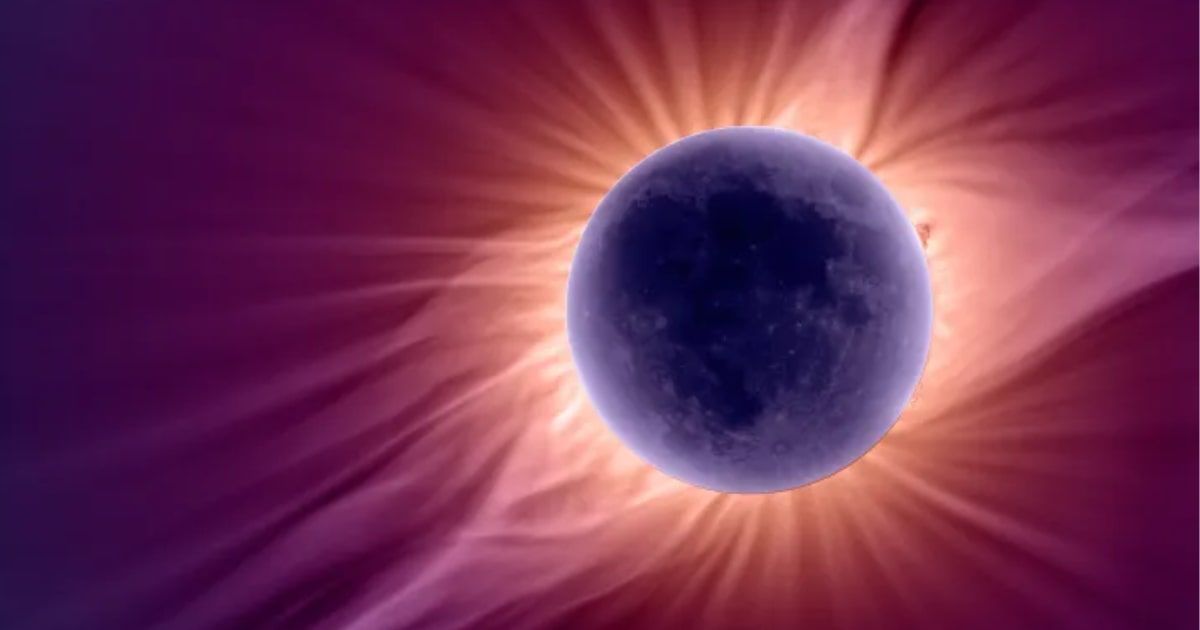
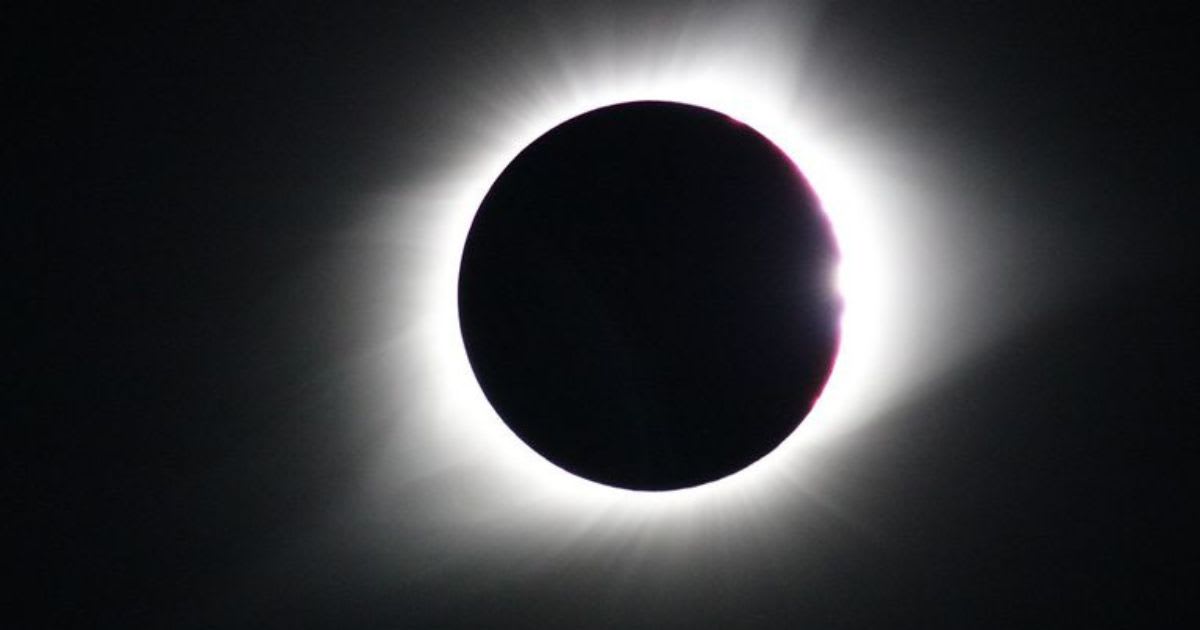
The world will witness the longest total solar eclipse of the past one hundred years on August 2, 2027, according to NASA Eclipse data. While the 2024 North American eclipse offered over four minutes of totality, and the one set for Spain in 2026 will last for less than two minutes, the one in 2027 will cast its shadow for an astonishing 6 minutes and 23 seconds, making it the longest total eclipse of the whole century.
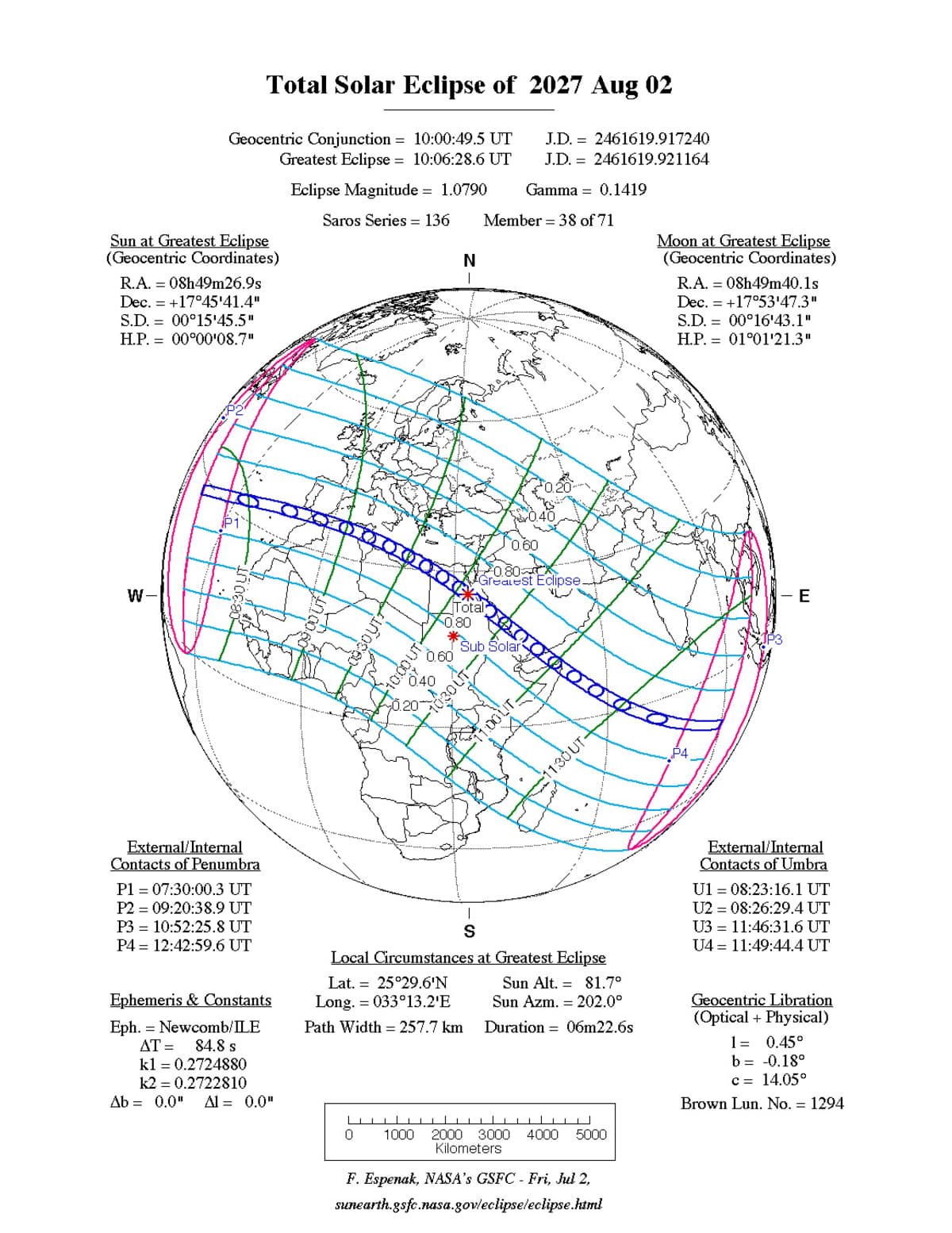
The path of totality, where the Sun will be completely obscured, is forecast to sweep in a wide corridor across three continents: it will begin over parts of southern Spain and Morocco, moving across North Africa, including Algeria, Tunisia, Libya, and Egypt, and conclude over the Middle East, Saudi Arabia, Yemen, and Somalia. The maximum duration of the event will be seen specifically from Luxor and Aswan in Egypt, per the map provided by NASA.
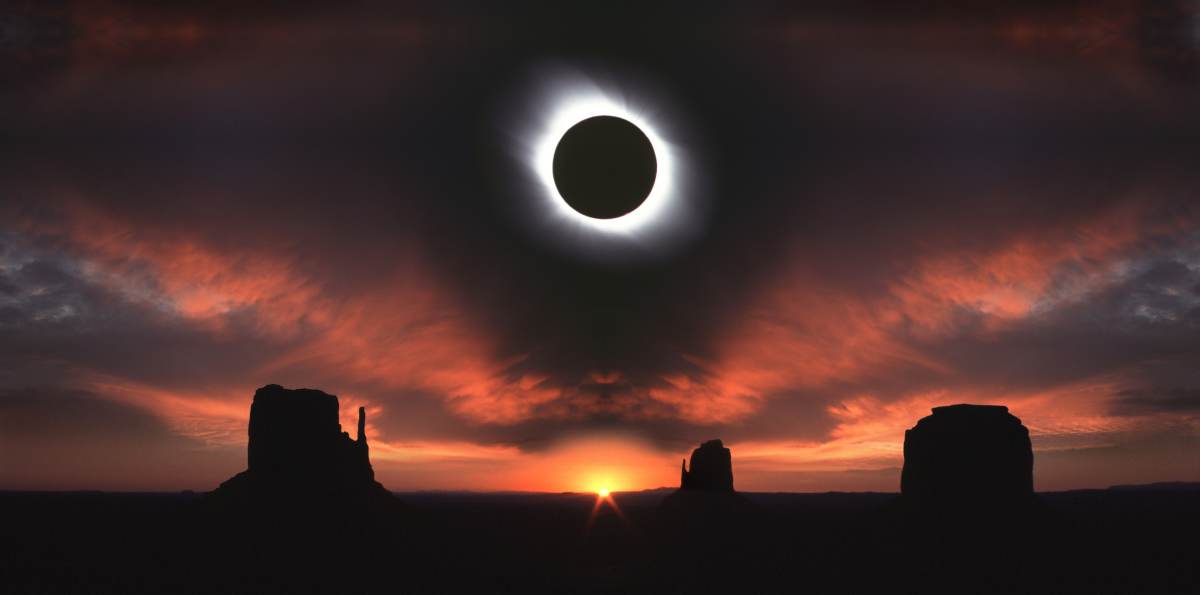
Predictable and wholly natural events like these occur due to the alignment of the Sun, Moon, and Earth. Despite persistent rumors, scientists verify that solar eclipses pose no threat to human health or the physical environment on Earth. They are simply a spectacular demonstration of cosmic mechanics. While future eclipses are expected to have similar lengths, none of them is going to take place anytime soon. The next such event will not occur until 2045, and will last for 6 minutes and 6 seconds. What this means is that the 2027 occurrence is something that no astronomy enthusiast worldwide can afford to miss.
And with preparations for the 2027 event underway, one thing to remember is that eye safety is a non-negotiable part of eclipse viewing. Looking at the Sun without protection, even briefly, can cause immediate and severe eye injury. This is most true in partial eclipse viewing since the Moon never fully blocks the Sun's blinding light. The only time it is safe to remove protective eyewear is during the brief period of totality, the few minutes when the Sun is 100% covered by the Moon. For all other phases, including when the eclipse is partial, specialized protection is mandatory.

To view the event safely, viewers must use specialized solar viewing glasses. These "eclipse glasses" are exponentially darker than regular sunglasses and must meet the international ISO 12312-2 safety standard. Regular sunglasses, no matter how dark they may look, are not a safe alternative and will not protect your vision. Before you use it, make sure to inspect your solar viewers for any scratches or damage. If you are overseeing children, make sure they are using the glasses correctly at all times. For those without proper certified glasses, indirect viewing is safest. It is easy to see a projected image of the Sun by fashioning a simple pinhole projector from a small card. Remember: With your back to the Sun, look only at the projected image; never look directly through the pinhole itself.
More on Starlust
'Equinox' solar eclipse 2025: Parts of the world that had the best view