Scientists witness supermassive black hole blasting out matter at 20 percent the speed of light
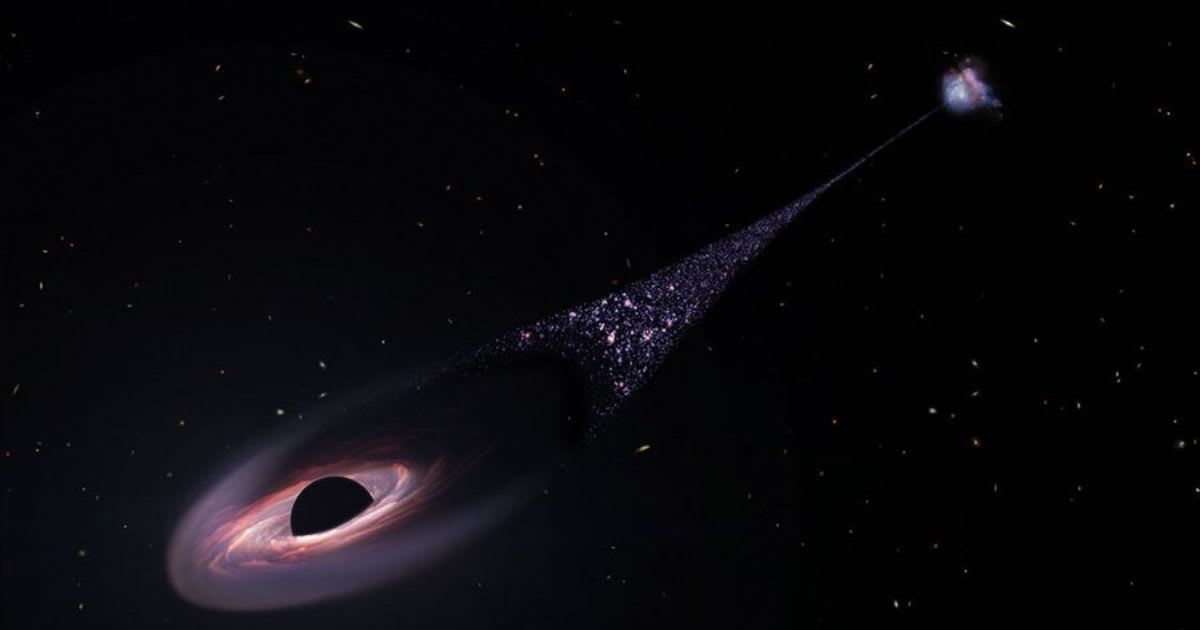
An unprecedented cosmic event has been witnessed near a supermassive black hole, where a huge amount of material was suddenly launched into space at about 20 percent of the speed of light, according to Space Research Organization Netherlands (SRON). A group of scientists, led by SRON, observed the black hole NGC 3783 for ten days, during which they caught the formation and acceleration of the material, using mainly the XRISM telescope.
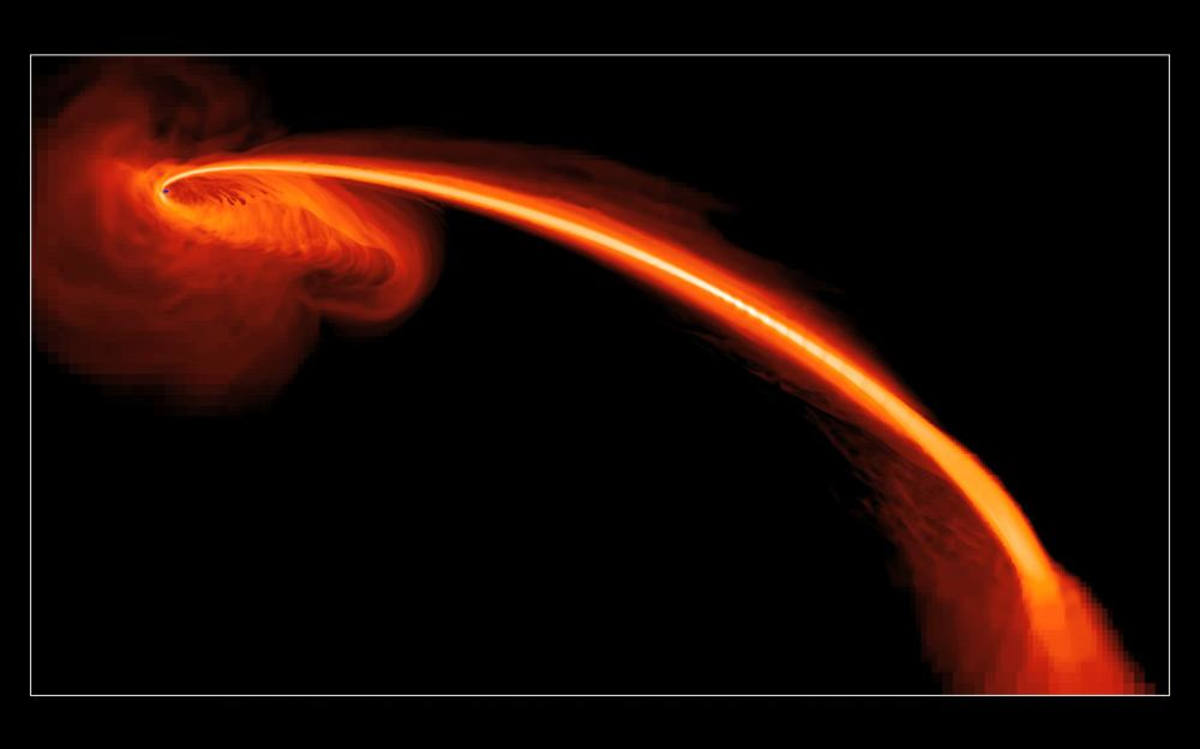
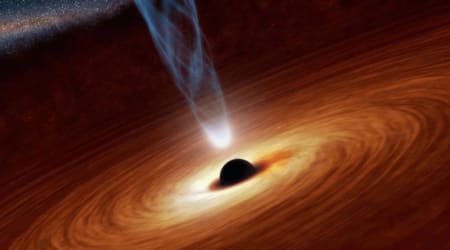
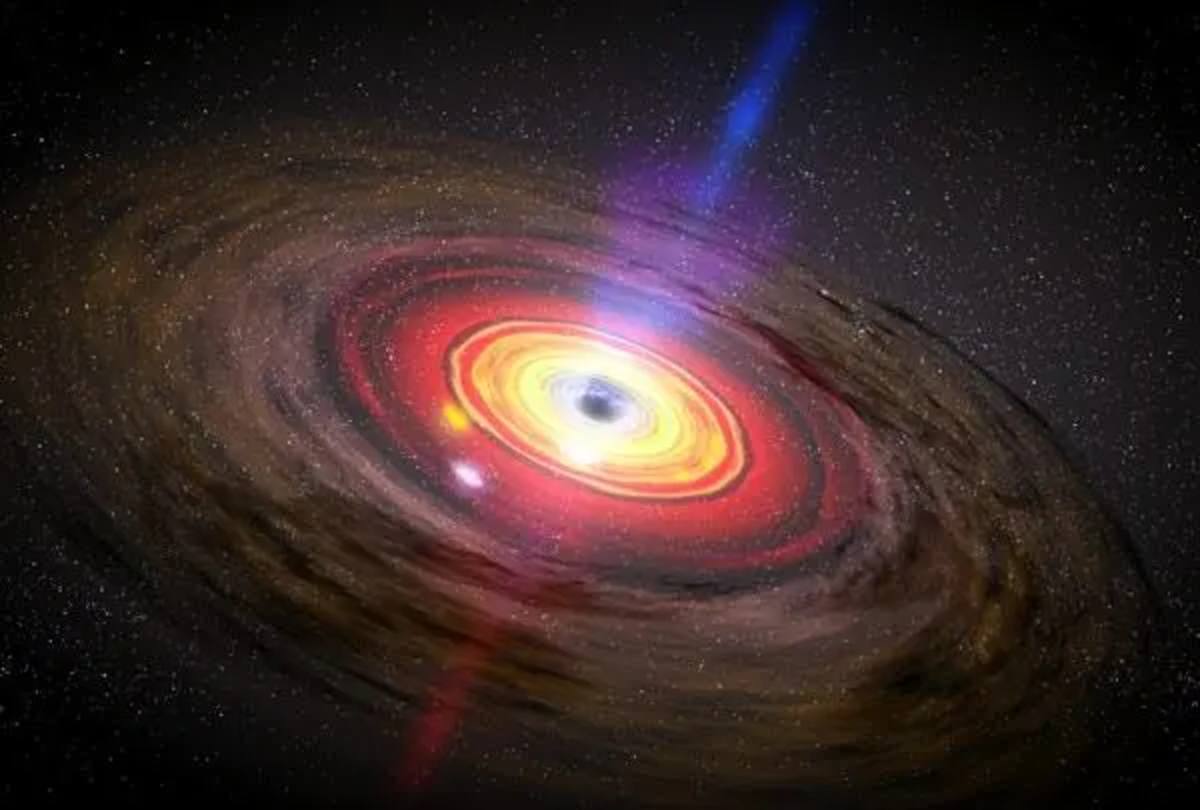
A black hole is enveloped by a swirling disk of matter, called the accretion disk, and is known to flicker with X-rays. But this observation caught something never seen so clearly before, a high-velocity expulsion of gas coincident with an X-ray surge. The gas reached velocities up to 60,000 kilometers per second, i.e., an astonishing 20 percent of the speed of light.
The material was thrown out from a turbulent zone at a distance of about 50 times the size of the black hole. Instead of being powered by strong radiation, the usual driver, scientists think this unusual eruption was produced by a fast and violent change in the black hole's magnetic field—a process called magnetic reconnection. Such a sudden release of magnetic energy resembles the mechanism involved in solar flares and coronal mass ejections (CMEs) on the Sun, where hot plasma is suddenly flung outward. "This is a unique opportunity to study the launch mechanism of ultrafast outflows," said lead author Liyi Gu. "The data suggest that the acceleration of the outflow is driven by magnetic forces, similar to coronal mass ejections from the Sun."
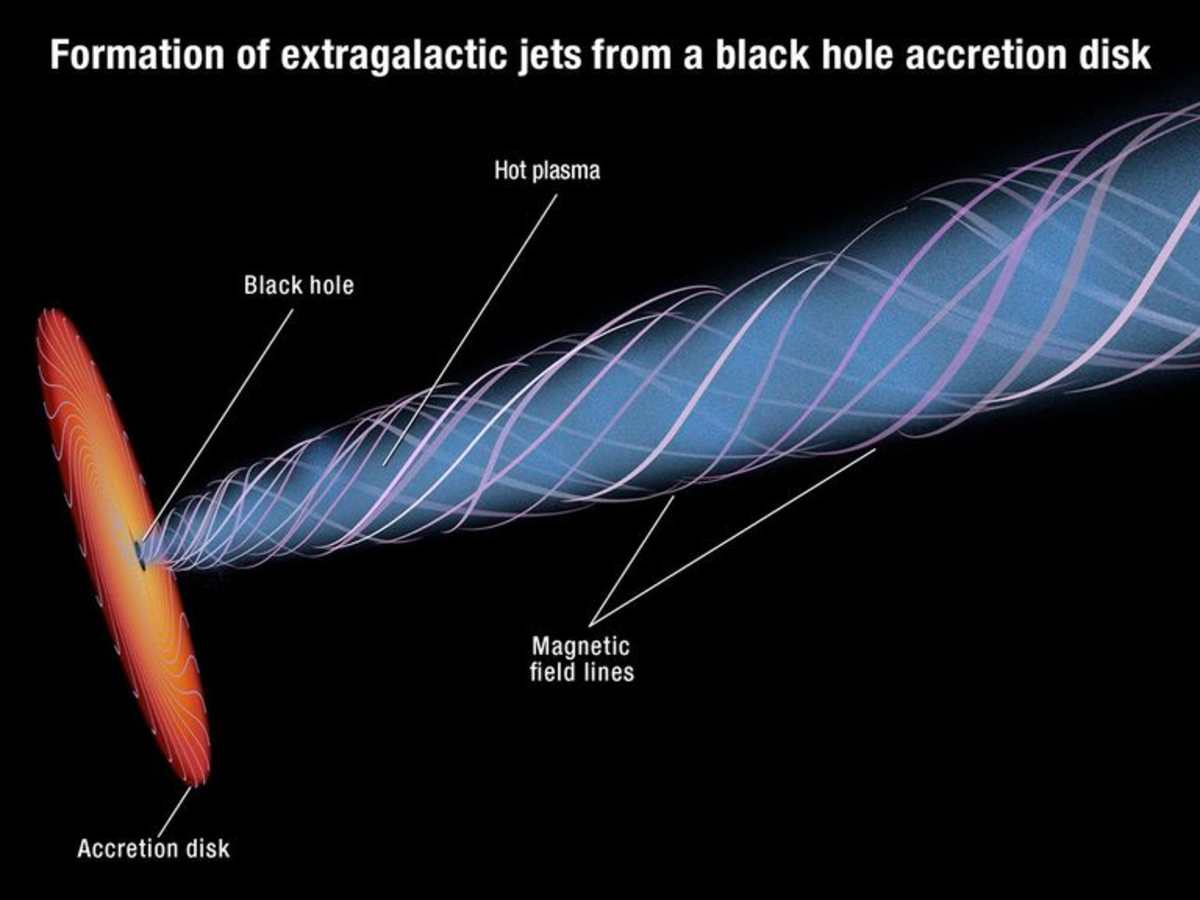
While its cause is similar to that of its solar counterpart, the eruption of a black hole is estimated to be ten billion times more powerful. This discovery challenges conventional theories that the ejection of matter from black holes is usually produced by intense radiation or extreme heat. The findings were published in the journal Astronomy & Astrophysics.
This represents an important new demonstration of how black holes, which are known to pull material in, can also violently propel it back out again. This "feedback" may play a key role in the life cycles of galaxies, with the potential to shape the stars and gas around them. The observation was possible thanks to an intensive international effort—seven different space missions, including XRISM, XMM-Newton, and Hubble, observed the same target in an unprecedented simultaneity of observations.

The power of black holes was further underlined in a separate, even more energetic discovery: a distant supermassive black hole has radiated an enormous flare of energy, one so large it has eclipsed every other known black hole outburst. The colossal event involved an active black hole called J2245+3743, which is estimated to be 500 million times the mass of our Sun.
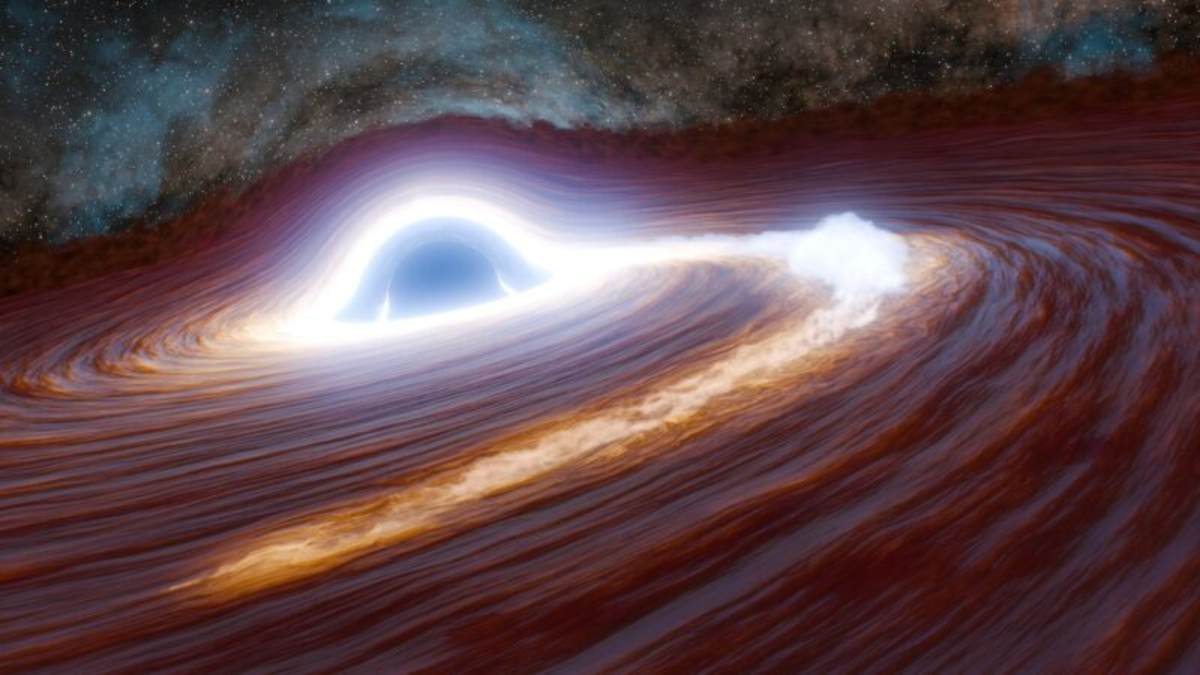
Using tools like the NSF-funded Zwicky Transient Facility (ZTF), astronomers discovered the light from this "feeding" black hole had been traveling through space for 10 billion years to reach Earth, offering a peek back into the universe's early history. First detected in 2018, the brightness of the flare had increased a whopping 40-fold over a period of a few months. At its zenith, the energy output was phenomenal, shining 30 times brighter than any previously recorded black hole flare, with the combined brilliance of 10 trillion Suns.