China sets new space record with three Long March rocket launches within 19 hours
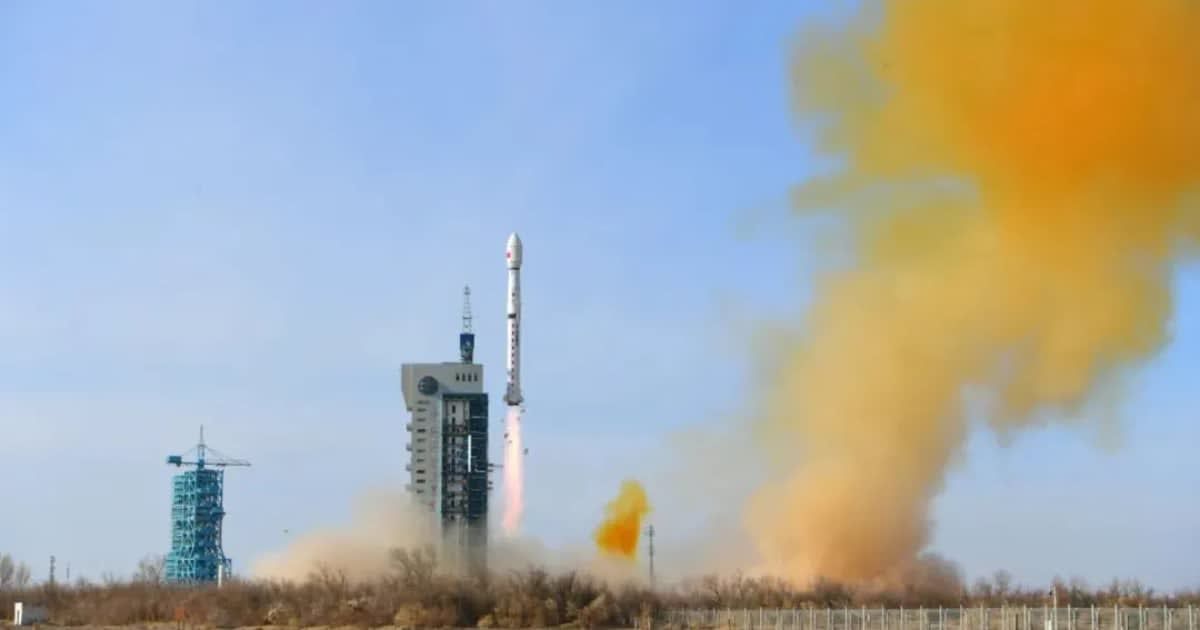
China's space program pulled off a remarkable feat this week: three Long March launches in less than a day, setting a new national record for liftoff cadence. The final launch took place on December 9, when a Long March 3B roared off from the Xichang Satellite Launch Center, its mission confirmed by the China Aerospace Science and Technology Corporation.
Long March 3B https://t.co/uxfLP4ZH7v pic.twitter.com/T8MngqHm9K
— China 'N Asia Spaceflight 🚀𝕏 🛰️ (@CNSpaceflight) December 9, 2025
That last flight sent the Communication Technology Experimental Satellite-22 into space, marking a third straight success for China's rockets that day. Built by CASC, the satellite will be used for satellite communications, broadcasting, and data transmission.
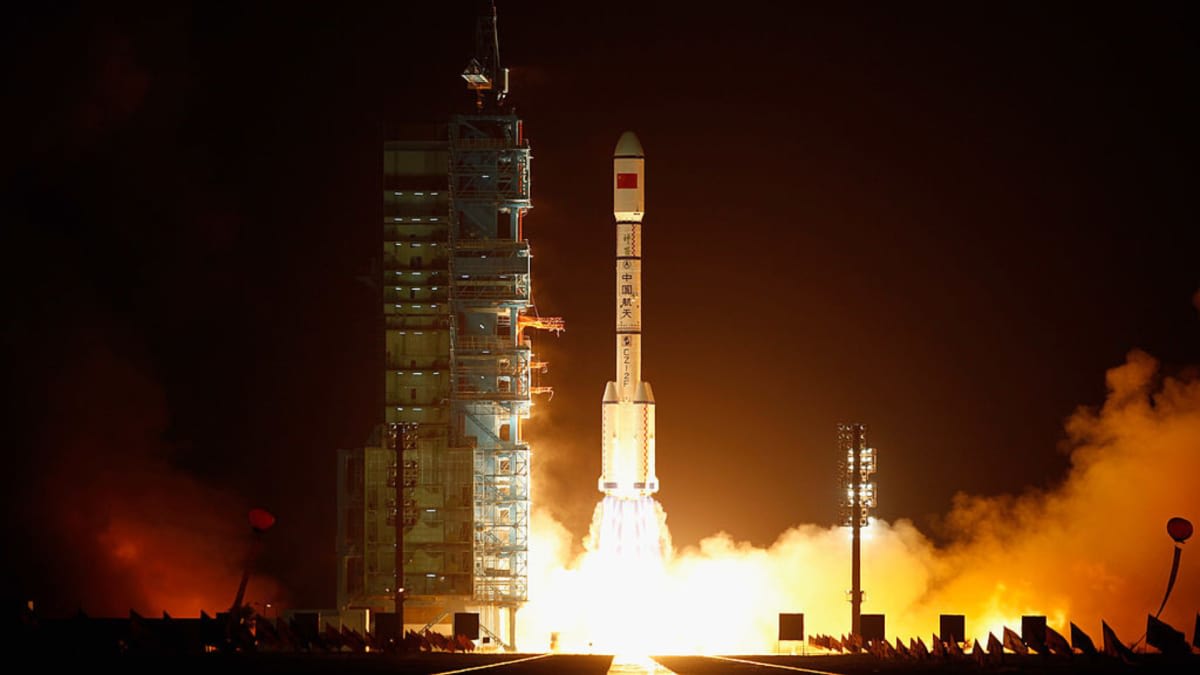
The triple-launch spree started on Monday, December 8, and concluded 19 hours later on Tuesday, December 9, according to Space.com. The first launch took place at 5:11 p.m. EST (2211 GMT) from Taiyuan in northern China, where a Long March 6A sent a batch of broadband satellites into low Earth orbit as part of the Guowang (the national network) megaconstellation intended to deliver wide-ranging internet service.
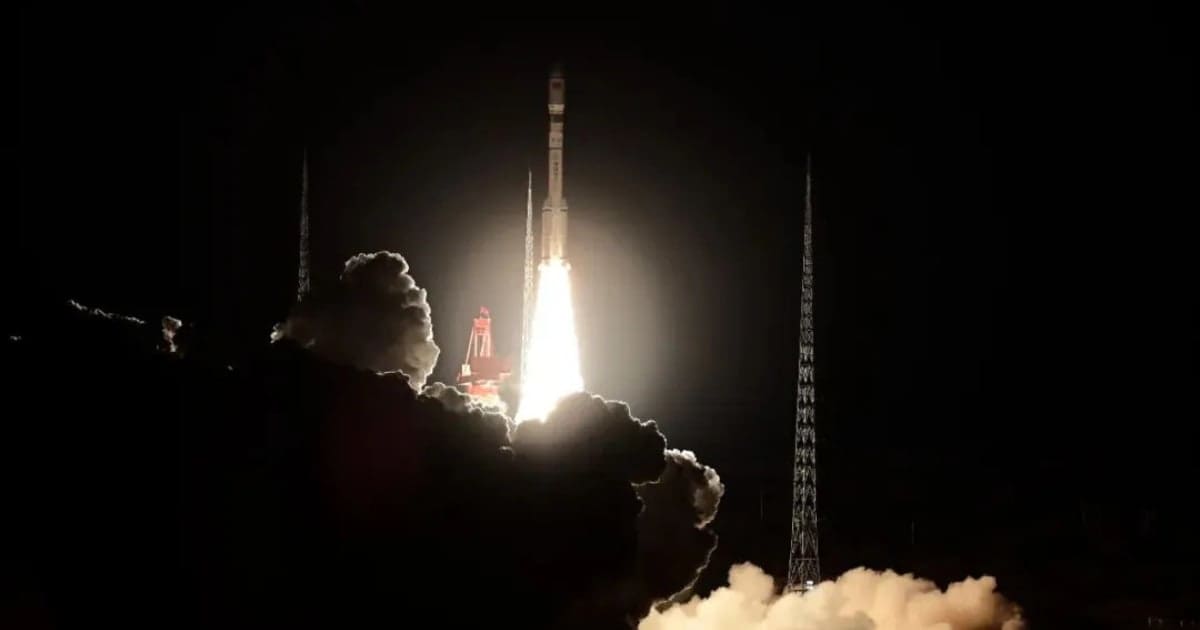
Hours later, at 10:41 p.m. EST (0341 GMT on Tuesday, Dec. 9) from Jiuquan in the Gobi Desert, a Long March 4B took to the skies carrying the classified Yaogan 47 spacecraft, a satellite reserved for Chinese military intelligence. Then came the launch of the Communication Technology Experiment Satellite-22, which took place at 10:08 a.m. EST (1508 GMT) from the Xichang Satellite Launch Center in western China.
Long March 4B Y64 https://t.co/I66DIerToe pic.twitter.com/XF4f4pmtBk
— China 'N Asia Spaceflight 🚀𝕏 🛰️ (@CNSpaceflight) December 9, 2025
According to CASC, the Long March 6A test team made sure to conduct a special review of all systems involved so as to address the various requirements of low-temperature launches in winter. The Long March 4B rocket test team also carried out their responsibilities amid severe cold and strong winds, making sure everything was in order for the launch. The Long March 3B team completed their 14th mission for the 3A rocket family this year by executing a challenging dual-station cross-parallel test launch.
🚀 Liftoff at 22:11UTC on December 08, Long March 6A Y15 launched SatNet LEO Group 15 from Taiyuan https://t.co/VzqZ4g0OvV pic.twitter.com/po7FH5ichT
— China 'N Asia Spaceflight 🚀𝕏 🛰️ (@CNSpaceflight) December 9, 2025
This latest sequence brings the Long March family to 615 launches overall. CASC says that its development team is now fully prepared for the high-density launch state to make sure that launch missions are carried out as planned.
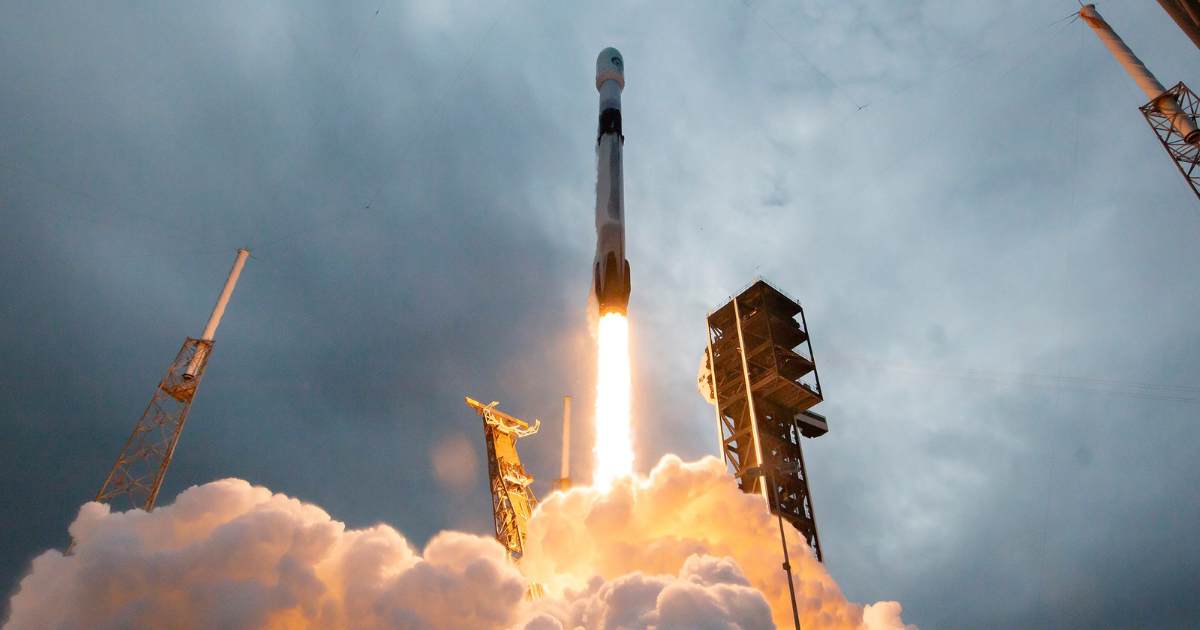
But beyond the single-day record, the launches also show China's growing spaceflight activity. According to Space.com, the country has so far conducted 83 orbital launches in 2025, beating its own 2024 high of 68. The world lead of yearly orbital launches, though, remains with SpaceX, which has conducted 159 missions so far this year. The high launch tempo also reflects a wider growth in space activity around the world.
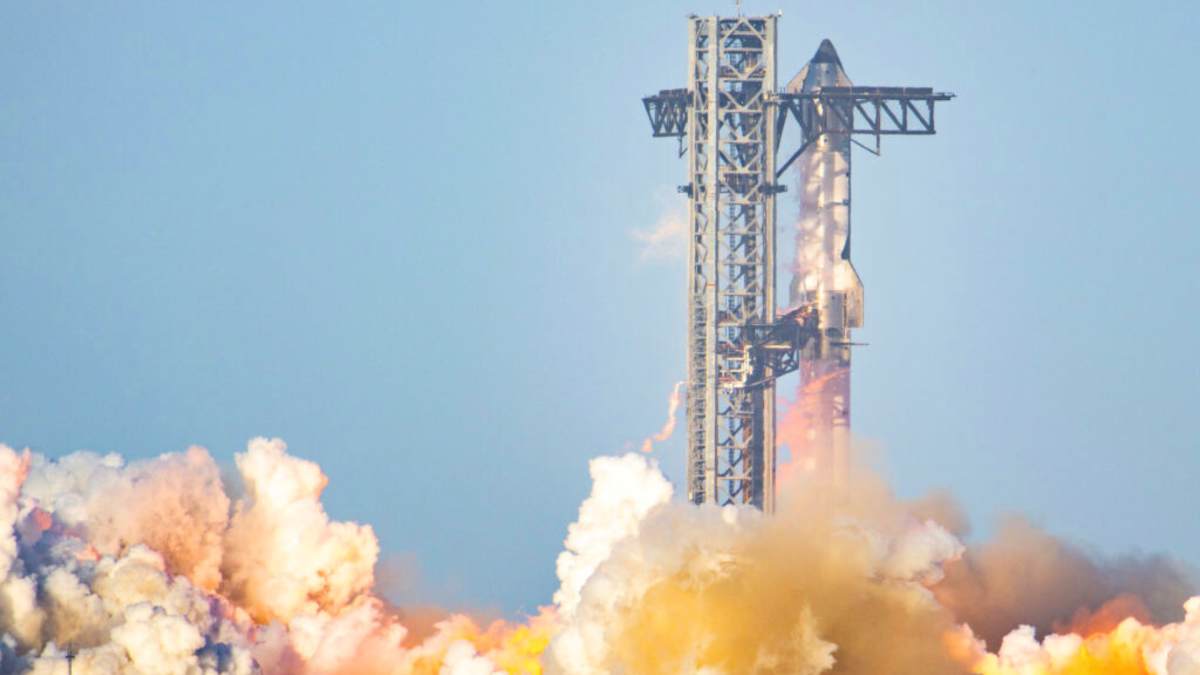
During the same 24-hour period that began with the Guowang launch, a total of five orbital launches took place worldwide. Alongside China's three, a SpaceX Falcon 9 conducted a late Monday evening Starlink deployment, while another Falcon 9 mission, NROL-77 for the U.S. National Reconnaissance Office, launched Tuesday afternoon.
More on Starlust
In a historic move, NASA and China held direct talks to prevent a potential satellite collision