All about Sunrise III: Balloon-borne observatory whose data is providing fresh insights into the Sun
![Launch of the balloon-borne solar observatory Sunrise III on July 10th, 2024. [Cover Image Source: SSC (Mattias Forsberg)]](https://d3hedi16gruj5j.cloudfront.net/810222/uploads/142e1220-7eb5-11f1-84f7-cf9f002e28bf_1200_630.jpeg)
In July 2024, Sunrise III, a remarkable balloon-borne solar observatory, drifted through the stratosphere and stared at the Sun for six and a half days. While passing over the northernmost tip of Sweden to Canada's Northwest Territories, it made unique observations of the Sun that translated to 200 terabytes of data. The data is now offering unprecedented insights into the region encompassing the Sun's photosphere (its visible surface) as well as the chromosphere, which is responsible for the Sun's violent outbursts of particles and radiation into space. A paper summarizing the mission's first scientific findings has been published in the Astrophysical Journal Letters.
"Sunrise III has already permanently changed our view of the Sun," said Sami K. Solanki, director at the Max Planck Institute for Solar System Research and Sunrise III principal investigator, in a statement. "The data show how minute structures and rapid processes in the photosphere and chromosphere determine the impetuous nature of our star." During the mission, the balloon-born probe observed everything from calm, relatively quiet regions to dramatic displays of solar activity, including the surface peppered with sunspots and intense, strong magnetic fields and eruptions of multiple solar flares.
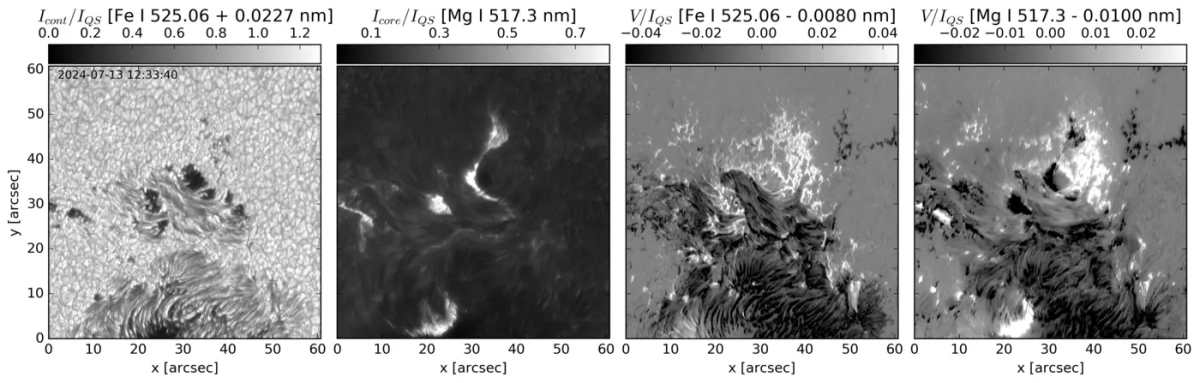
“The results already available are as diverse as the Sun itself,” said MPS researcher Smitha Narayanamurthy, co-author of the paper and head of the Science Working Group for Sunrise III. “They reveal new insights into the Sun’s quiescent state and help us understand its volatile side.” One of the new findings concerns the acoustic waves, which, created by the flow of plasma inside the Sun, travel across the star. Thanks to Sunrise III, researchers were able to track these waves within the photosphere and chromosphere and look into the influence of the magnetic field present there for the first time ever. Previously, acoustic waves with periods of about five minutes had mainly been observed between 100 and 200 kilometers above the Sun's surface. In contrast, the region comprising the photosphere and chromosphere spans around 1,242 miles (2,000 kilometers).
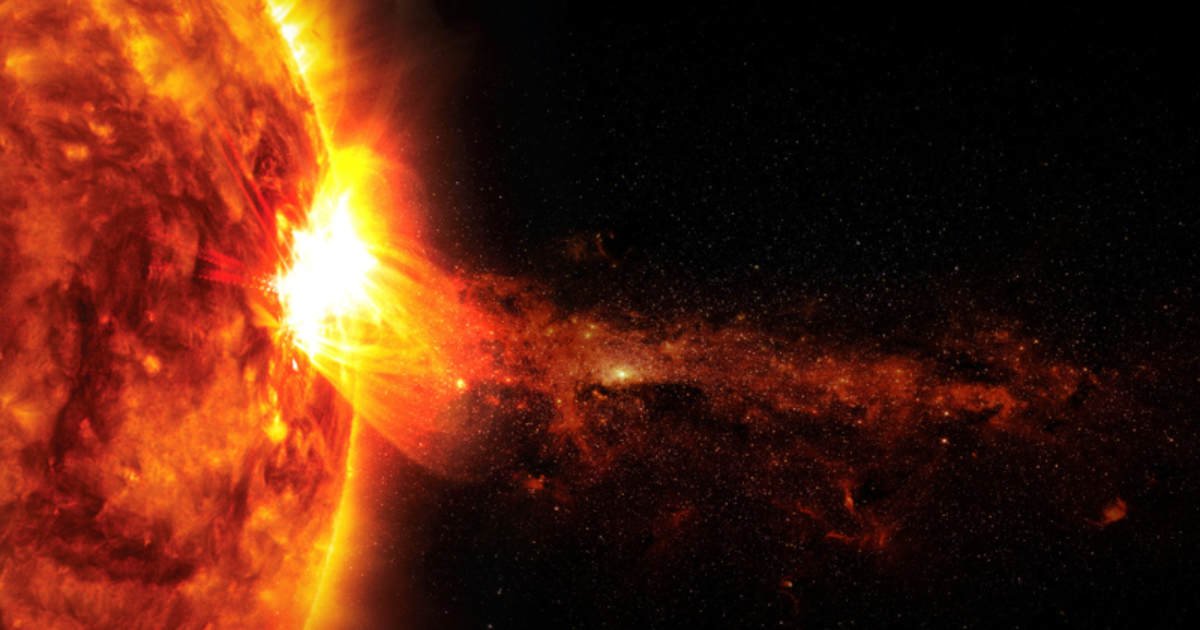
An M-class solar flare, which can cause moderate disruptions in satellite systems and power grids, also happened to take place during Sunrise III's flight. During such flares, the rearrangement of magnetic field lines results in the appearance of elongated, brightly flashing structures in the chromosphere. The mission is providing important insights into these structures and the changes in magnetic fields in these locations, thereby helping scientists understand how the evolution of large solar flares is dictated by smaller events in the chromosphere.
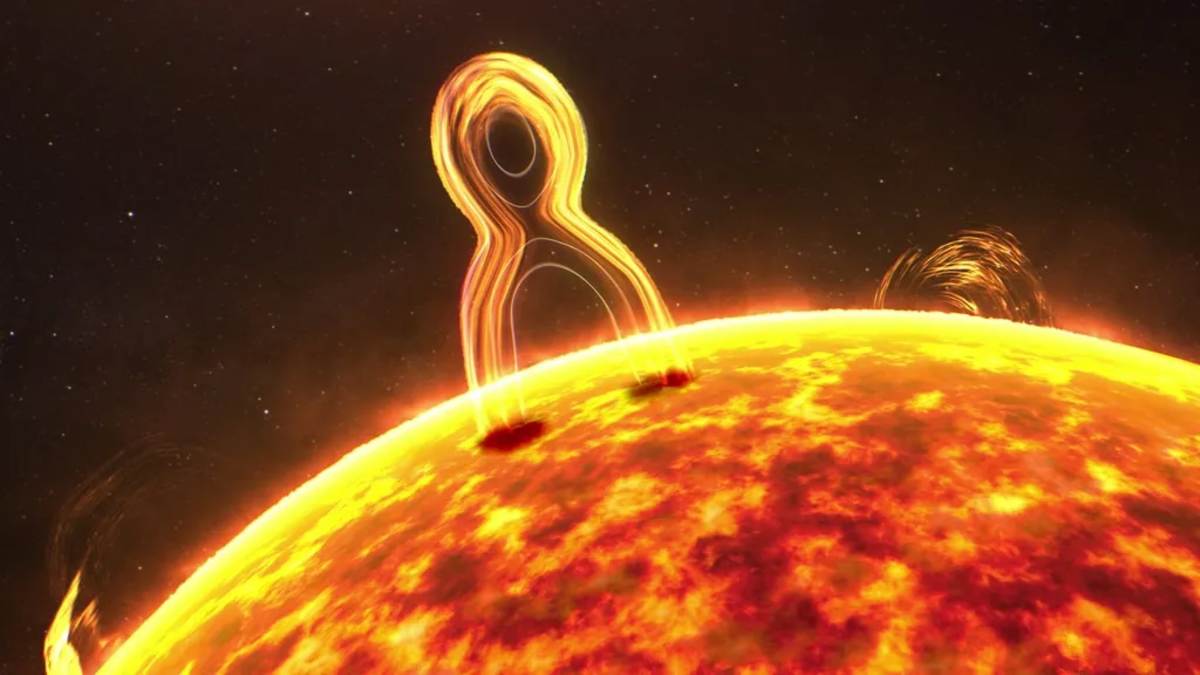
Scientists previously pictured the magnetic field lines rising through the quiet region of the Sun’s surface into the chromosphere as neatly ordered structures. However, Sunrise III’s observations, supported by computer simulations, tell a different story. Finely twisted magnetic strands embedded within ordered magnetic structures channel and control the streams of superheated plasma into the chromosphere and could be the places where small "solar tornadoes" take shape.
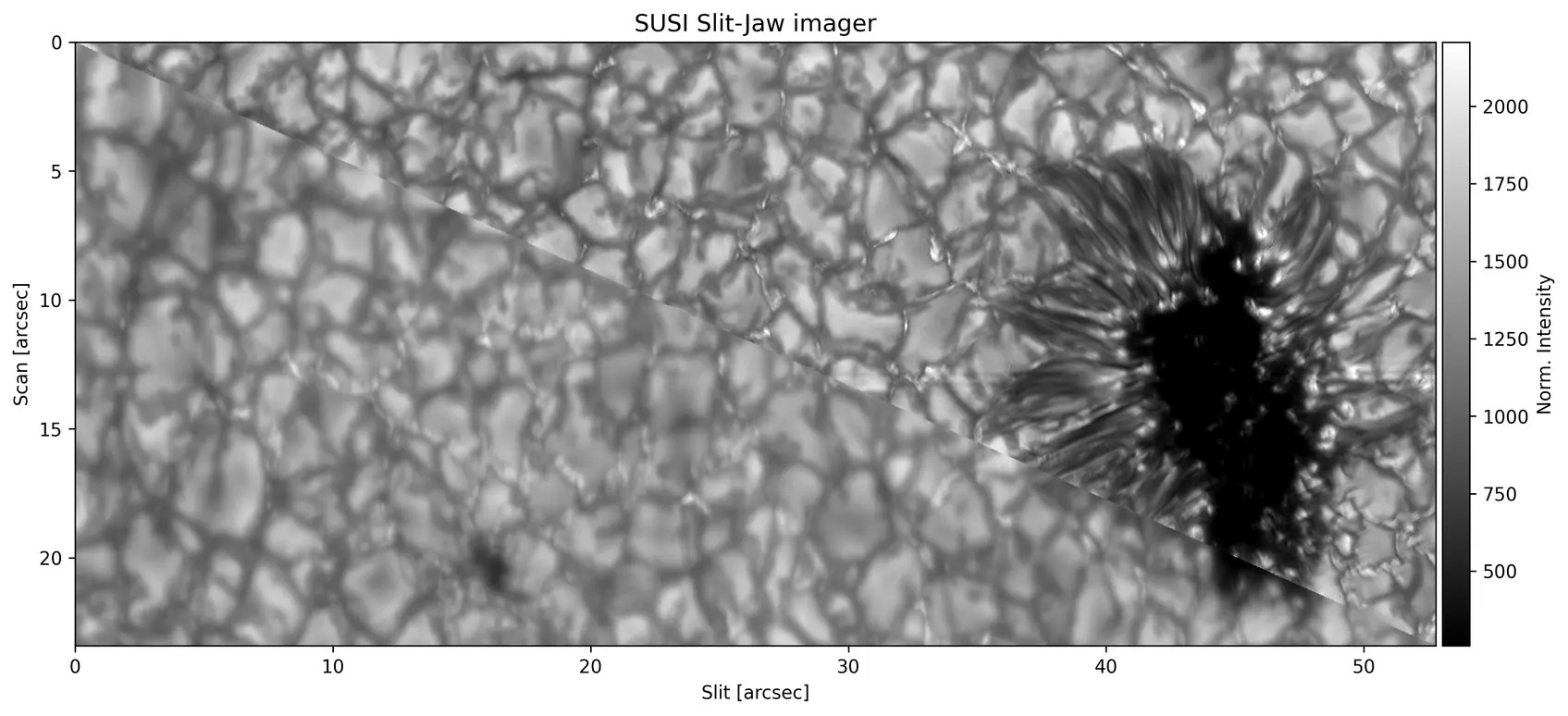
Analysis of Sunrise III's data is far from over. “We’re still just at the very beginning,” said project manager Andreas Korpi-Lagg. “The data from the Sunrise III mission will keep us busy for many years to come—and will certainly hold a surprise or two.”
More on Starlust
NASA's Parker Solar Probe hits 430,000 mph during latest flyby just 3.8 million miles above the Sun