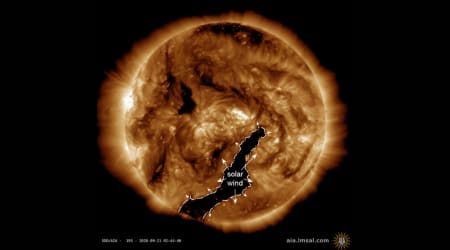
A coronal mass ejection from the Sun to reach Earth on August 7; auroras also a possibility
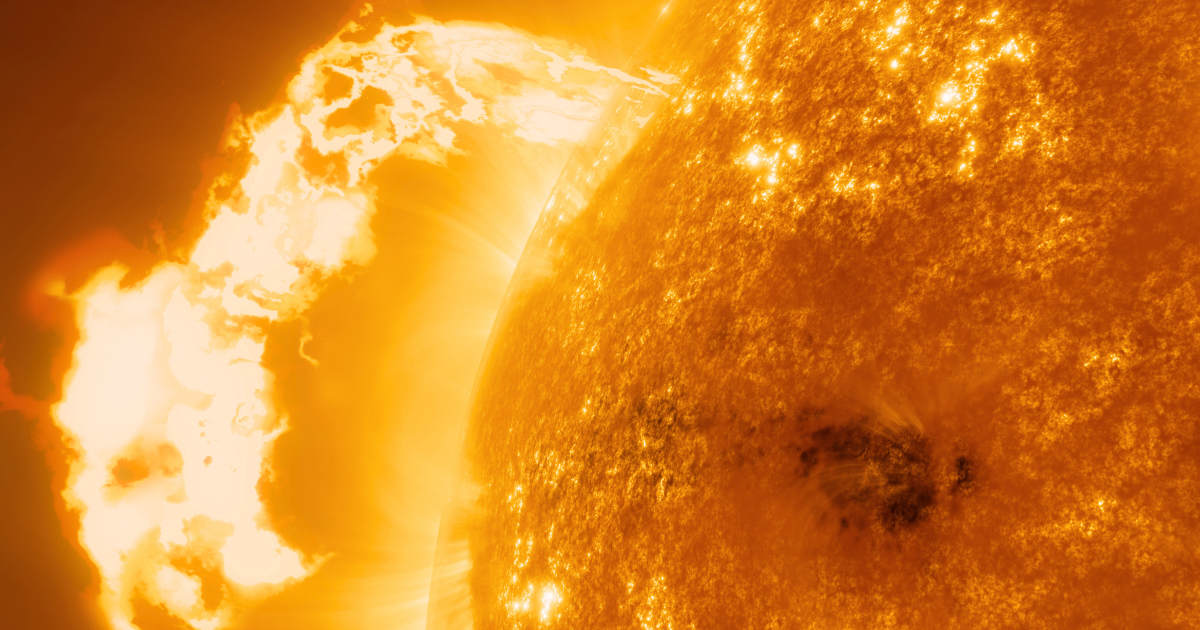
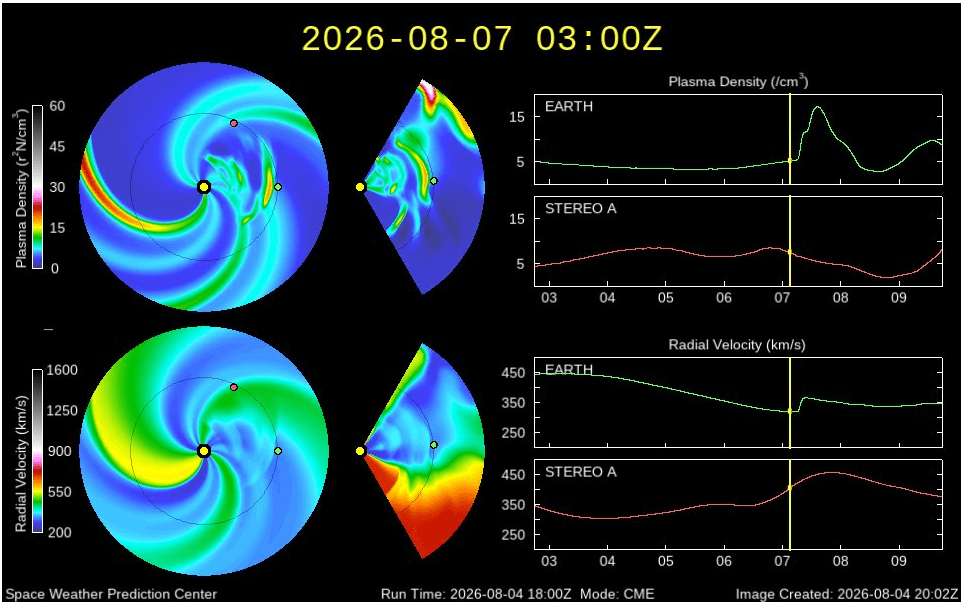
Data from NOAA’s (National Oceanic and Atmospheric Administration) Space Weather Prediction Center indicates that a minor coronal mass ejection (CME) is headed towards Earth. Observed to have been triggered on Monday, August 3, it is estimated to cross our planet's path on Friday, August 7, and cause a G1-class geomagnetic storm, per spaceweather.com. Auroras may also be visible as a result.
What are Coronal Mass Ejections?
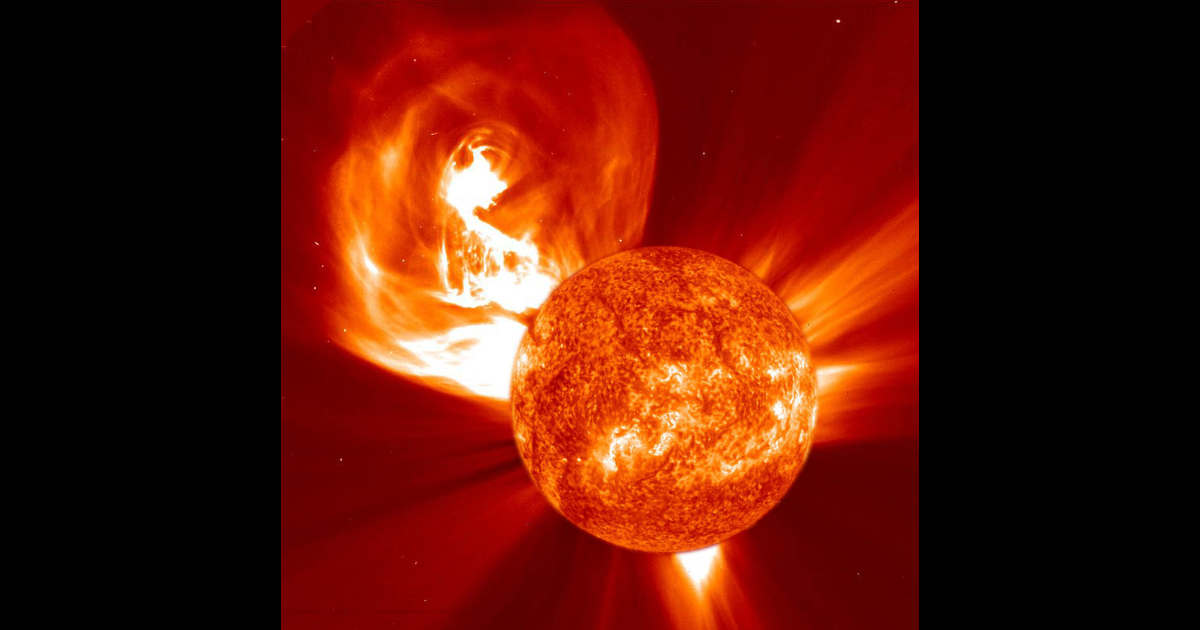
For the uninitiated, coronal mass ejections (CMEs) are large explosions of charged gas (called plasma) and magnetic field from the Sun's outer atmosphere (the corona). They can travel at speeds ranging from 250 kilometers per second to nearly 3,000 kilometers per second, with the fastest ones having the ability to reach Earth in a matter of 15-18 hours. Others, like the one scheduled to arrive on Friday, can take days to reach our planet.
When CMEs, with their billions of tons of plasma and magnetic field, arrive on Earth, they disturb the planet's magnetosphere, causing geomagnetic storms. These storms are classified by NOAA from G1 (minor) through G5 (extreme), with each category denoting the effect it can have on Earth's electronic and radio infrastructure and spaceflight operations.
What to expect from the geomagnetic storm on Friday?
Since the geomagnetic storm on Friday is predicted to be a minor one, it is likely to cause weak power grid fluctuations and a minor impact on spacecraft operations. G5 storms, however, can cause some grid systems to shut down completely and cause radio blackouts. Tracking satellites can also become difficult.

Regions that could experience auroras because of the storm
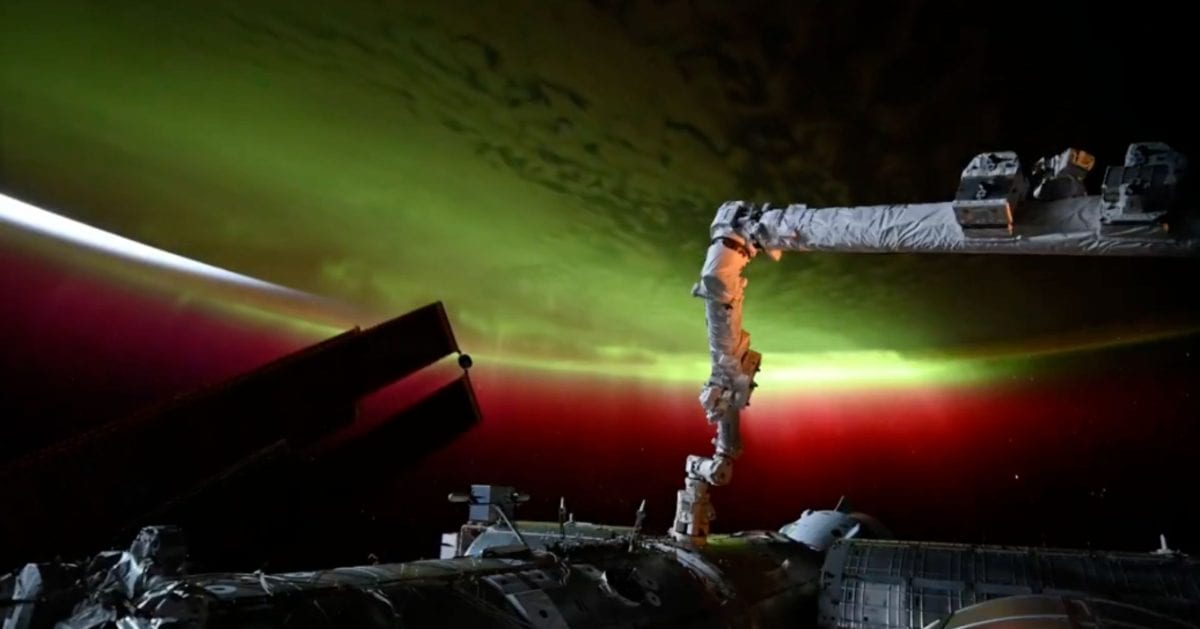
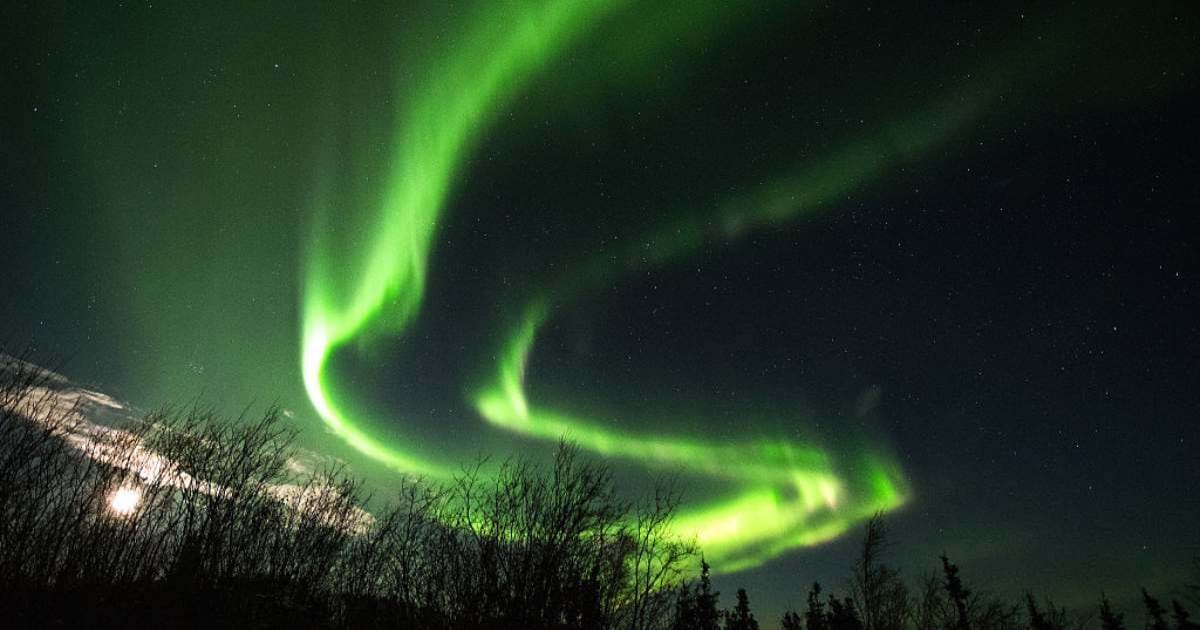
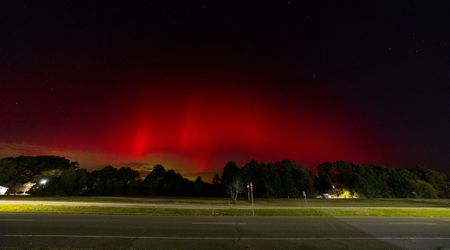
When coronal mass ejections slam into Earth's atmosphere, they energize the nitrogen and oxygen particles there. As these particles shed the energy acquired, each atom glows differently, giving auroras their signature hues. A minor geomagnetic storm usually results in auroras being visible in high latitudes like northern Michigan and Maine. That is what has been predicted for the upcoming geomagnetic storm as well.
More on Starlust
NOAA’s SOLAR-1 is now operational—and it's changing how the U.S. watches space weather
NASA's DAPHNE mission takes key step toward predicting space weather for future Moon and Mars crews