14 orbits in 22 hours: How SpaceX has planned Starship’s Flight 15; timing and streaming details here
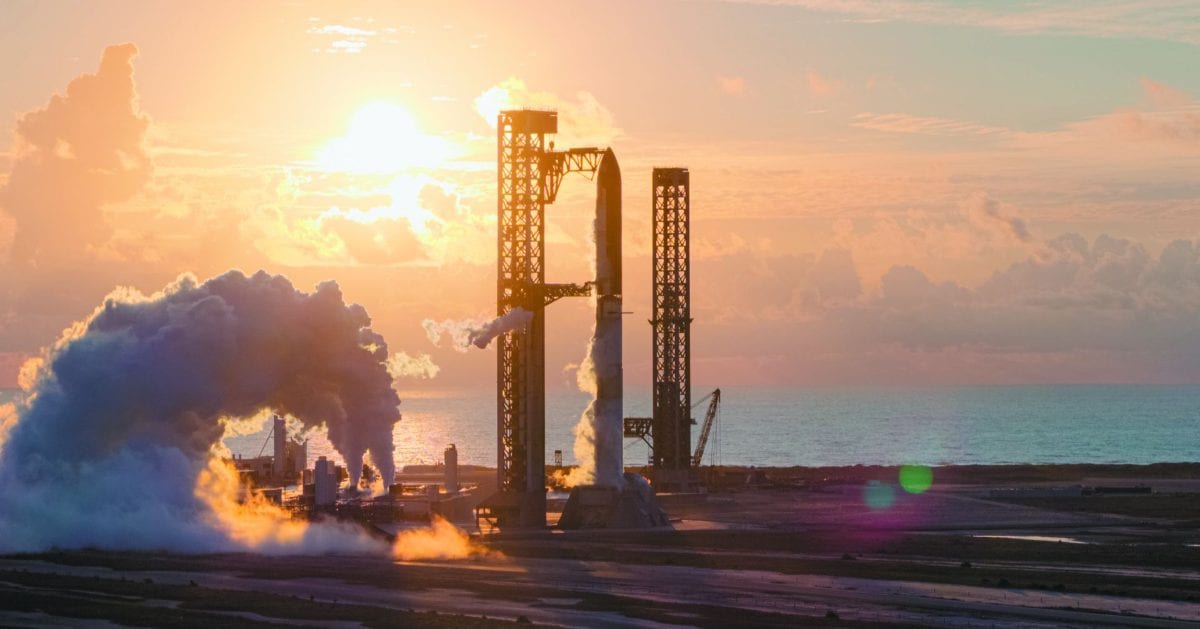
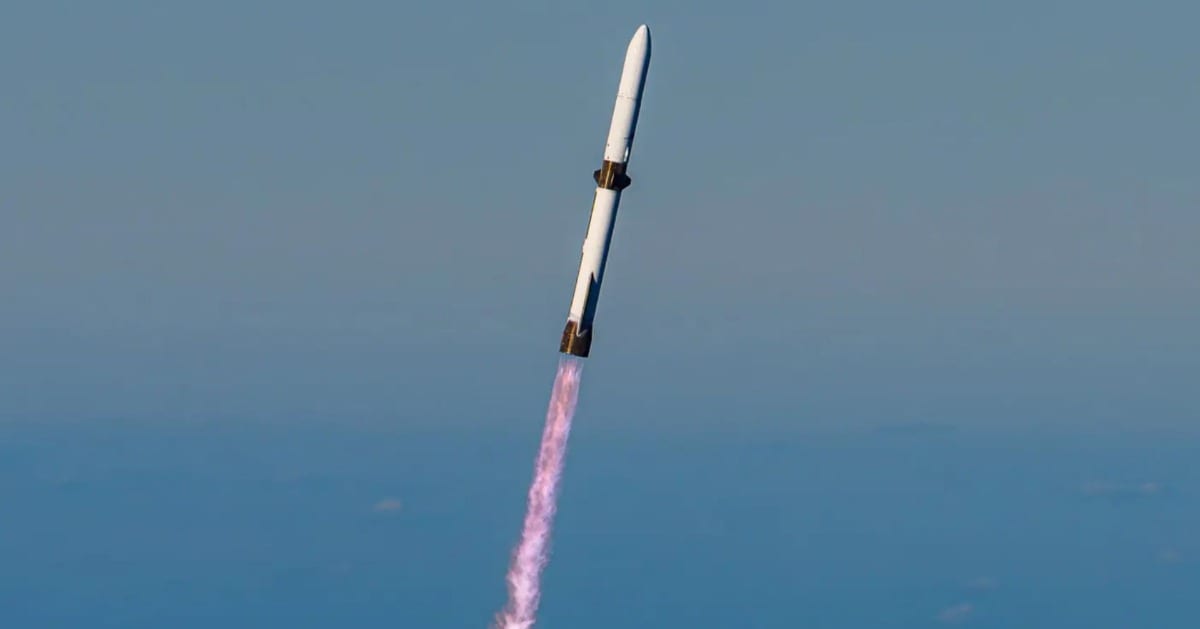
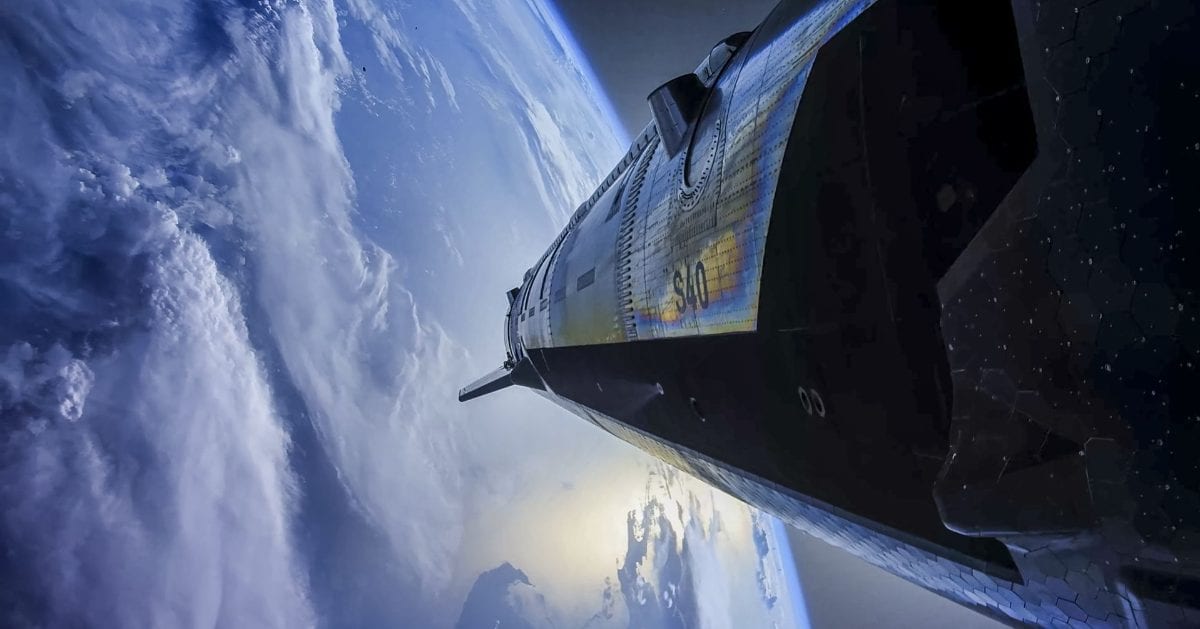
We officially have a launch timing for Starship’s next test flight. According to SpaceX, liftoff is targeted within a 75-minute launch window that will open at 4:45 pm CT/5:45 pm EST on November 13, pending regulatory approval. The upcoming flight will also be an orbital one similar to the previous mission. If all goes well, it will see the Starship upper stage (Ship 42) climb up to an altitude of approximately 171 miles (275 km) and make 14 orbits of the Earth over the course of 22 hours. The plan is to fly Ship 42 in a passively safe sub-orbital trajectory and raise its altitude when mission team gives a go-ahead. Plans are also in place to gradually decrease its altitude for a safe deorbit over multiple pre-determined areas. The launch will be broadcast live on SpaceX’s official website or X handle 30 minutes prior to scheduled liftoff.
Starship is preparing for catch Flight 15 is targeting to launch as early as Friday, November 13, pending regulatory approval → https://t.co/K5XRci6bnw https://t.co/WS2xGLjVsx
— SpaceX (@SpaceX) November 7, 2026
Starship will launch on what would be its 15th integrated test flight from Starbase, Texas, and SpaceX intends to catch both stages of the rocket using the ‘Mechazilla’ launch tower at Pad 2. The primary objectives of the Super Heavy Booster is executing a successful launch, ascent, stage separation, boostback burn, and return to the launch site for catch. It is the first time a catch is being attempted with Starship’s V3 rocket. SpaceX has attempted three successful catches of the V1 first stage Booster to date.
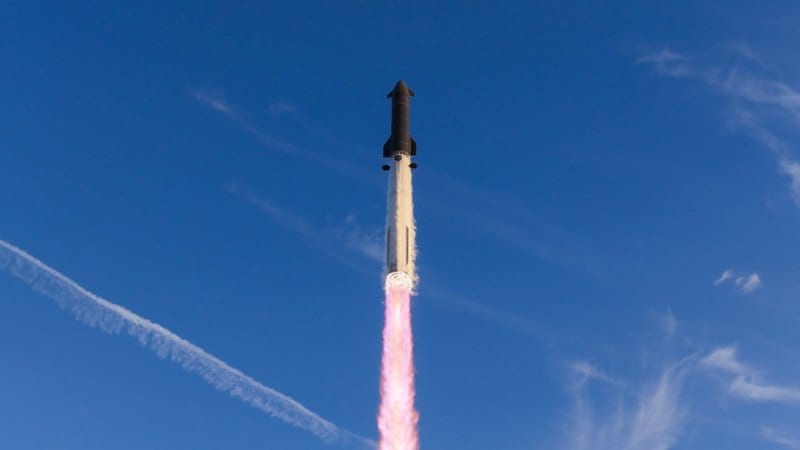
Ship 42, on the other hand, will be carrying 26 Starlink V3 satellites for deployment just like it did on Flight 14. Three of these satellites will scan Starship’s heatshield and transmit imagery down to operators. If something goes wrong during Ship’s prolonged coast phase, flight controllers will have the option to end the mission early in pre-cleared areas around Hawaii and Chile in the Pacific Ocean. It is important that Ship meets all requirements before the mission team gives a green light for the catch. “Flight controllers will only permit Starship to return to Starbase if the vehicle’s status meets our internally developed, and FAA-approved, conditions for a return to launch site and catch,” says the mission description.

They might also end Ship’s reentry early by intentionally orienting it in such a way that it breaks up in the atmosphere or crash it into the Gulf of America if there’s any problem with its systems or with the tower at Pad 2. Ship 42 will fly over inhabited areas in northern Mexico and southern Texas on its way to the launch site. SpaceX is currently awaiting a license from the Federal Aviation Administration (FAA) for the ambitious dual catch which has never been attempted before. If successful, it would be the first time an orbital rocket is fully recovered. Earlier today, the FAA issued a NOTAM (Notice to Airmen) from November 13 to November 20 for the possible re-entry and splashdown of Starship’s upper stage in the Indian Ocean. The NOTAM says that the primary re-entry timing on November 13 is between 11:53 pm UTC/6:53 pm EST and 1:14 am UTC/8:14 pm EST (Nov 14), with the same backup timings until 1:14 am UTC of November 20. The NOTAM has been issued just in case SpaceX forgoes the catch and Starship re-enters over the Indian Ocean for a splashdown in its designated spot.
More on Starlust
Blue Origin’s New Glenn return flight slips to January 2027, CEO Dave Limp announces