NASA’s first ESCAPADE orbiter swings past Earth on trip to Mars, second set to fly by on November 9
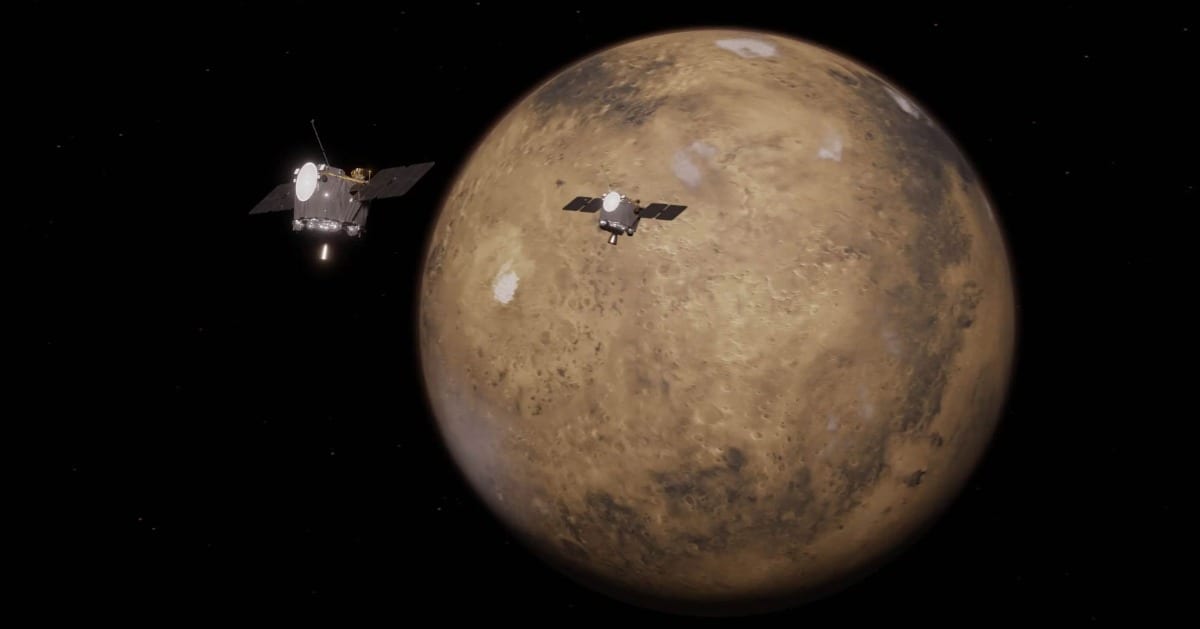
The first of NASA’s two ESCAPADE orbiters has successfully completed a powered fly-by of Earth and is now headed towards Mars. According to NASA, the orbiter fired its engine around 5 am EST on November 7 to perform a ‘trans-Mars injection burn’ which has set it on a course to the red planet. On November 9, the second orbiter will perform the same maneuver and follow its twin to the final destination.
Flyby #1 is happening tonight! 🔭 Where and when to see these Mars-bound spacecraft from your location: https://t.co/mAbbQh9seM
— NASA Solar System (@NASASolarSystem) November 6, 2026
Launched in November 2025, the ESCAPADE (short for Escape and Plasma Acceleration and Dynamics Explorers) orbiters spent about a year at the second Earth-Sun Lagrange Point. They were waiting for Earth and Mars to align before beginning their journey to the red planet. That required them to fly back to Earth for a gravity assist in order to get redirected toward Mars with a higher velocity. NASA says that the gravity assist will boost the orbiters’ speed by more than 1000 miles per hour. The first orbiter which has completed its flyby will arrive at Mars on September 7 followed by its twin on September 9, 2027.
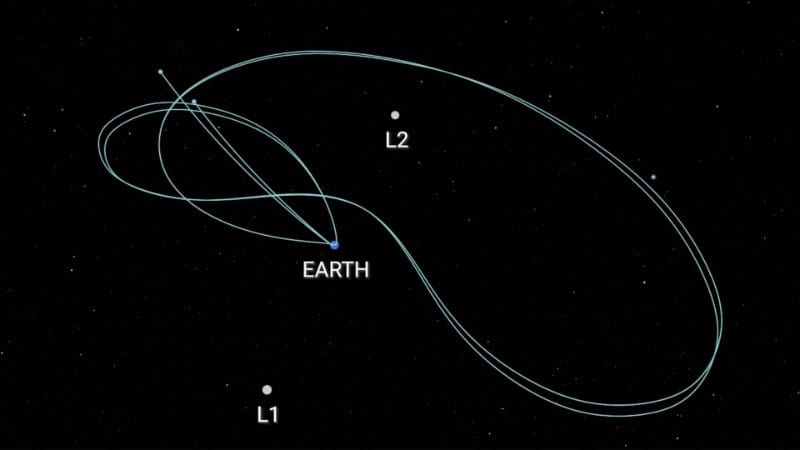
"Several days after ESCAPADE’s trans-Mars injection burns, the mission team will know how well the spacecraft are aimed for Mars,” NASA said in a statement. “The team will use multiple trajectory correction maneuvers to adjust the path of the two spacecraft during their journey to Mars, ensuring they are on a precise course to rendezvous with the Red Planet in September next year.”
You might be able to see the orbiter
Observers on the ground may be able to see the second orbiter during the upcoming flyby. According to NASA, the spacecraft will likely be brightest for the western U.S. between 1 and 2 am PST on November 9. It should be visible in the skies over the western U.S. until about an hour before its engine burn begins which is at 2:51 am PST [5:51 am EST] because it will dip below the horizon. Viewers may need a telescope for spotting it because the spacecraft will be between 600 and 1,100 miles from Earth and move as a dim point among the stars from east to west.
What is the ESCAPADE mission about?
The ESCAPADE mission aims to investigate the red planet’s hybrid magnetosphere, study how the solar wind strips away its atmosphere over time, determine how the solar wind interacts with the magnetic environment, and map key features of the Martian space environment.
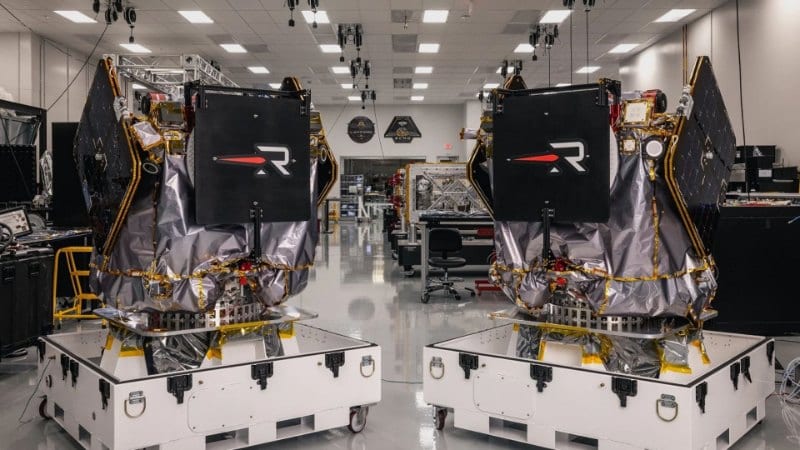
It is the world’s first twin spacecraft mission that involves two orbiters flying in formation around Mars. Once they arrive at their destination, they will enter large ‘capture’ orbits around Mars and gradually lower their altitude to reach smaller orbits. In the next phase, they will shift into similar but slightly different orbits and begin science observations by mid-2028. ESCAPADE has a primary lifespan of 11 months in Martian orbit. The data gathered from this mission, scientists hope, will reveal secrets about how Mars lost its atmosphere and whether Earth might end up the same.
More on Starlust
New evidence suggests Mars is not geologically 'dead' after all, just sleeping
ESA's Mars Express reveals how the most visually striking cloud on the Red Planet forms