Total solar eclipse 2026: 10 amazing things to see during this rare celestial event
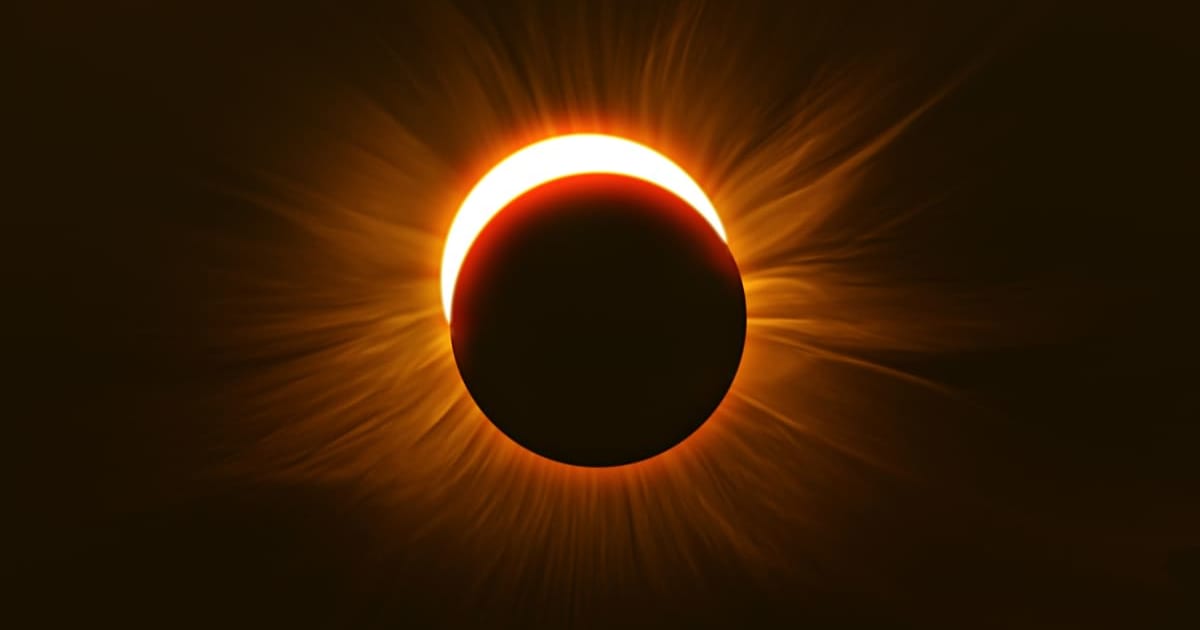
This week, skywatchers around the world are getting ready to watch the total solar eclipse. But that’s not all you can see in the sky. August is packed with many more events that could take you by surprise and leave you amazed. So, get ready for some exciting skywatching events and make sure to note these down, so you don’t miss what else you can spot in the sky on August 12, 2026.
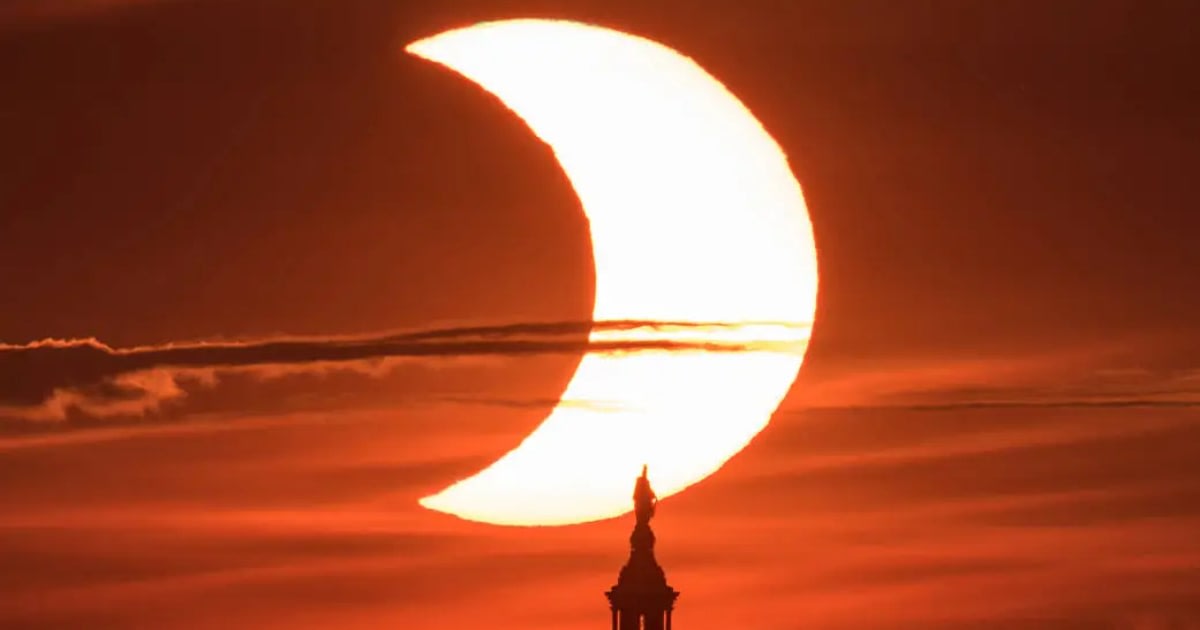
1. Rare ‘planetary parade’
If you're looking forward to getting a glimpse of the total solar eclipse, make sure to watch out for a rare ‘planetary parade’ that will appear in the sky on the same day. You can see a total of six planets: Mercury, Jupiter, Mars, Saturn, Uranus, and Neptune. The first four will be bright enough to see with any optical device, but for Uranus and Neptune, you will need a telescope.

2. Meteors after dark
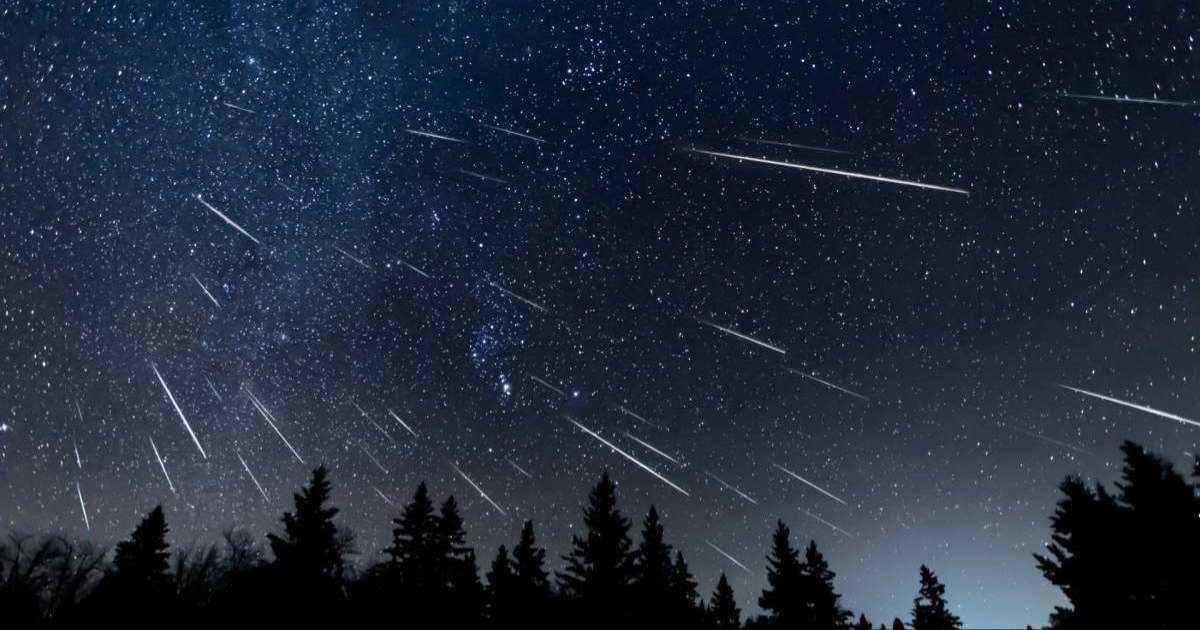
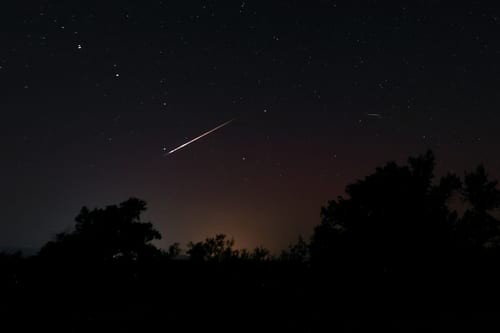
By coincidence, this year’s eclipse falls just hours before the peak of the annual Perseid meteor shower. That means around 20 to 40 meteors are expected each hour around midnight and into the early hours of August 13. Skywatchers in rural Spain will have an advantage over those in Iceland and Greenland, simply because they’ll have longer hours of darkness at this time of year.
3. Sunspots
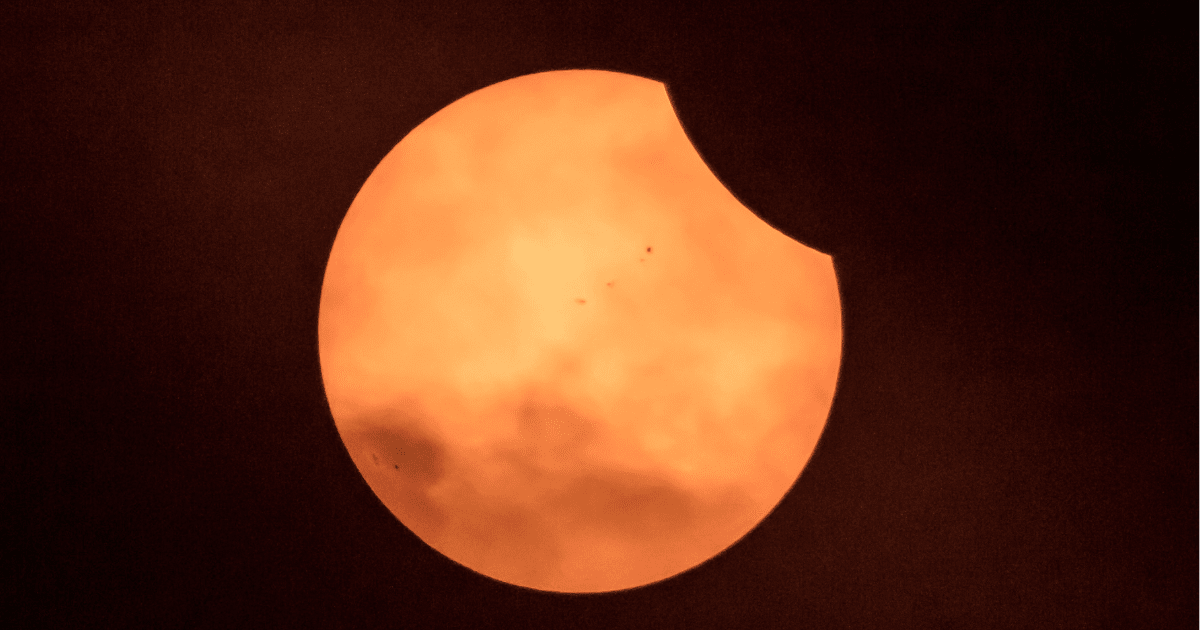
Put on your certified eclipse glasses and watch as the moon’s edge slowly moves across the sun on August 12, 2026. During this event, you can catch the moon passing over sunspots, which are patches on the sun where its magnetic field is concentrated and more complex, and where solar flares originate. If you’re in the path of the partial or total eclipse, you don’t need any special equipment beyond your eclipse glasses to see them.
4. Shadow bands
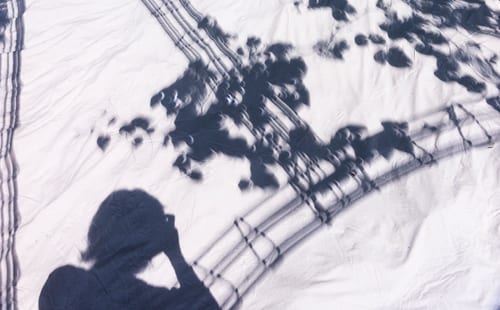
Those watching from Spain may be able to spot wavy lines moving on white surfaces, which are often known as shadow bands or shadow snakes. They can appear about two minutes before and after totality. These bands are caused by the reduced light from the crescent sun that is being refracted by turbulence in Earth’s atmosphere.
5. Crescents on the ground
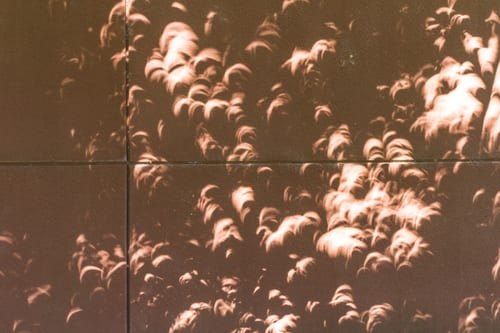
Once the sun is more than half covered, you can also spot crescent-shaped shadows on the ground. You can spot these on the ground beneath trees, or if there are no trees around, you can use a kitchen colander or a spaghetti spoon and hold it over the ground to create the same effect. If you don’t have those with you, cross your fingers in a waffle-like pattern and watch the sunlight pass through the gaps.
6. The shadow racing toward you
Right before totality, you may actually be able to see the moon’s shadow itself sweeping in from the northwest. It moves from about 2,200 mph over Greenland and Iceland to roughly 12,000 mph in eastern Spain. There, the shadow will hit the ground at a shallow, slanted angle before eventually leaving Earth altogether. Catching this can be tricky, though. You’ll need an elevated vantage point with open, even terrain.
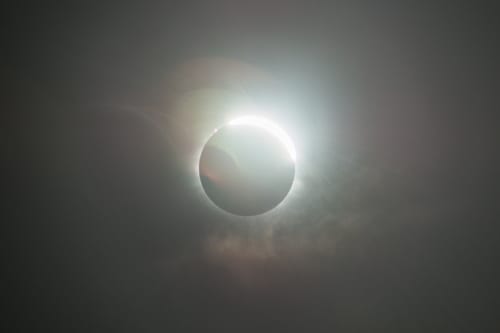
7. Diamond rings and Baily's beads
When the time for totality is closer, sunlight will break apart into tiny bright points called Baily’s beads. This happens as sunlight breaks apart while streaming through valleys on the moon's surface. Once the last bead of light vanishes, totality begins. The same thing happens in reverse when totality ends.
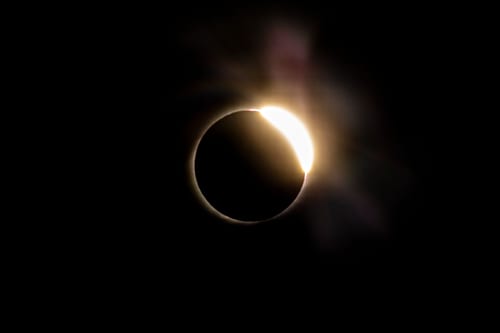
8. A flash of crimson
On August 12, you can also see a thin crimson line appear just for a moment right after totality begins and just before it ends. This will appear right where the diamond ring was. This red line is known as the chromosphere, which is a layer of the Sun’s atmosphere that sits above its visible surface. It will look like a beautiful flash of red that appears only for a split second. If you are lucky, you might catch a glimpse of it.
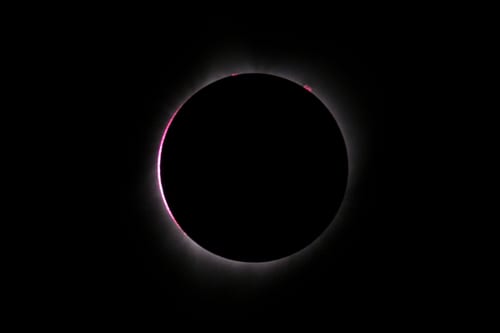
9. Pink loops reaching off the sun
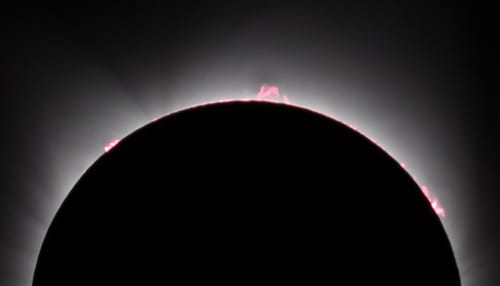
Apart from the red flash, you may also be able to notice bright pink spikes around the edge of the moon's silhouette. These solar prominences are cool plasma structures that stretch from the chromosphere into the corona, the sun's outer atmosphere. They can actually last for days or weeks. You can even get a glimpse of them right now, as the sun is currently near the peak of its activity cycle.
10. A 360-degree sunset

You can also get a view of a ‘totality’ sunset. For this, take a look toward the horizon. The sky will take on the colors of a sunset in every direction at once. If clouds end up blocking the corona itself, this glow around you can still make the whole experience worth it.
More on Starlust:
Total Solar Eclipse 2026 is just days away—here’s how to safely watch the event on August 12
Why are total solar eclipses so rare, and how can you watch one safely?