Total solar eclipse 2026: Here's what happens at each stage on August 12
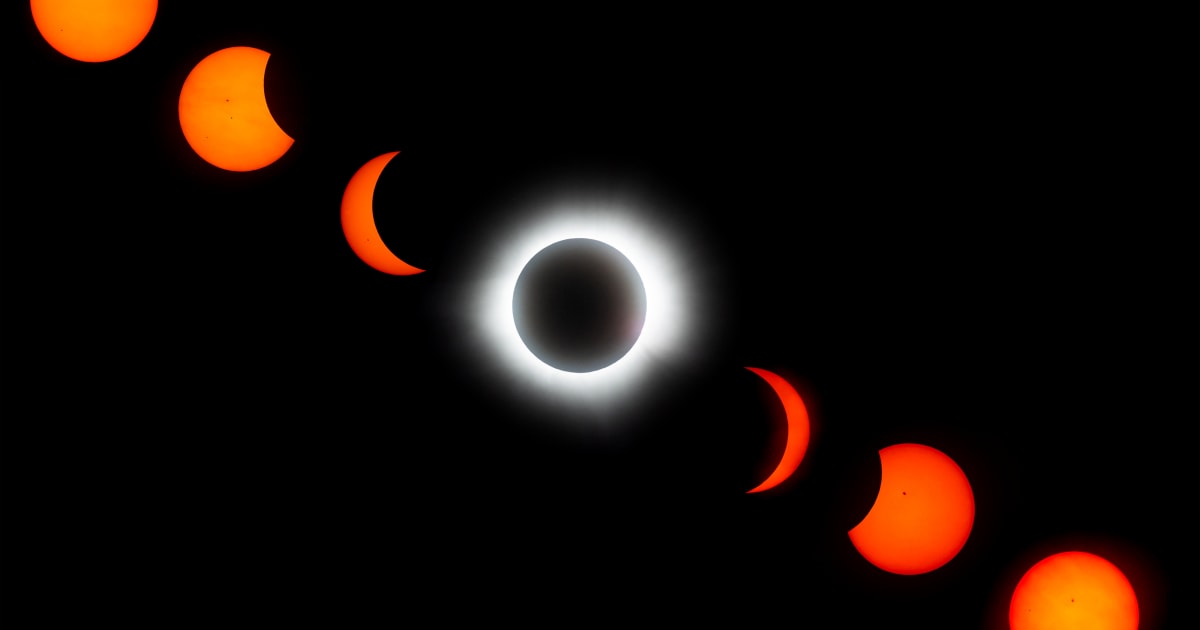
In just a day, one of the most anticipated skywatching events will take place in the sky when the moon passes directly between the sun and Earth and creates a total solar eclipse. Skywatchers in Spain, Iceland, and Greenland will be able to see the path of totality, while those outside the path will see a partial eclipse on August 12, 2026. If you’re planning to watch the event, make sure you have your protective eyewear ready. And if you’re not able to watch it in person, don’t worry. You can follow along through a livestream from either NASA or ESA.
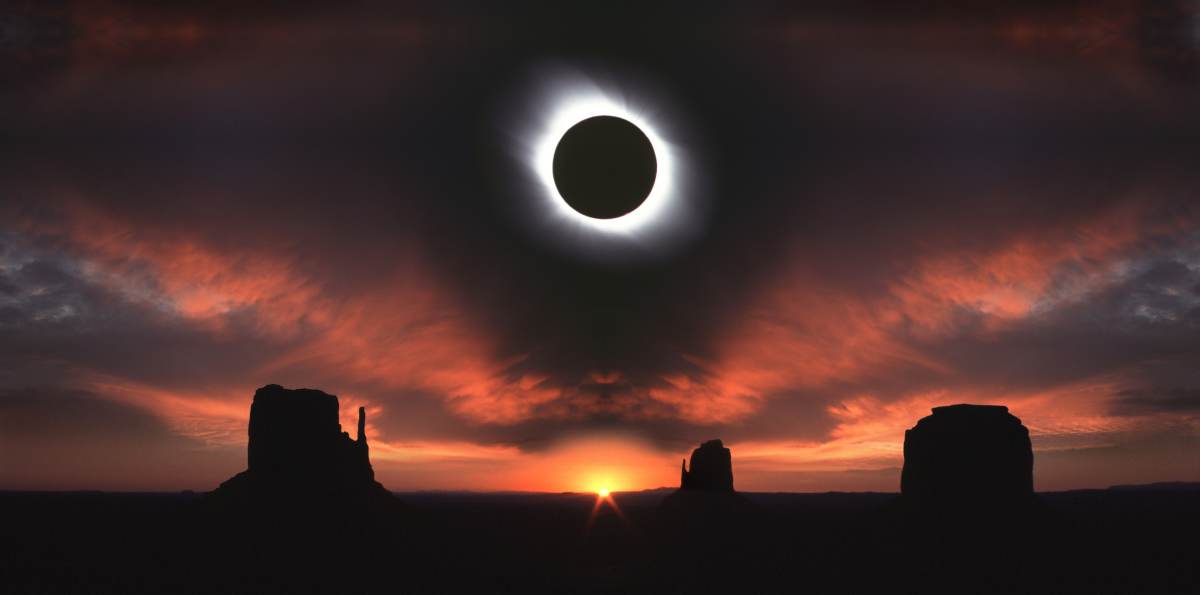
So, what to expect during the total solar eclipse?
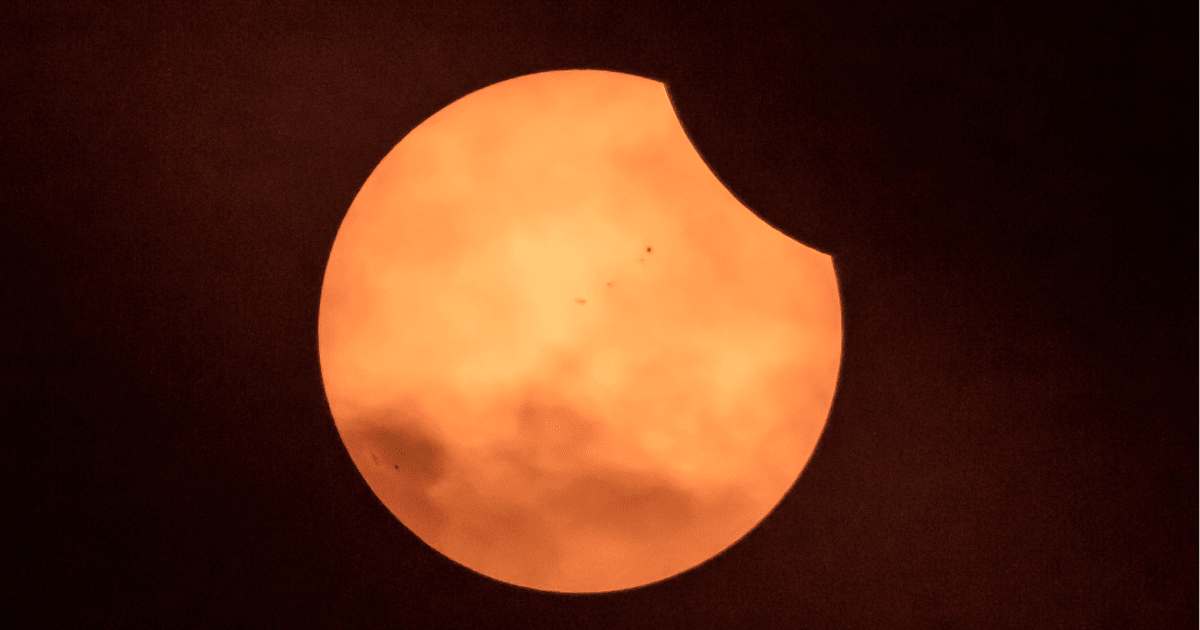
Stage 1: The moon takes its first bite out of the sun
The eclipse will start at "first contact," which is the moment the moon takes its first bite out of the sun. That happens over Alaska at 11:34 a.m. EDT (1534 GMT) on August 12. Then, the moon moves across the sun and turns it into a crescent for those watching in the path of totality. During this, the temperature will also drop, and the sky will grow noticeably dimmer in the half hour just before totality begins.
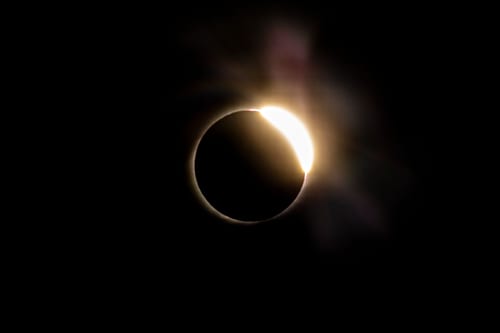
Stage 2: The final seconds before the sky goes dark
Right before the sun disappears, you will get to see a "diamond ring" effect in the sky. This will be visible when the last sliver of sunlight shines out from behind the moon like a glowing jewel. Some viewers may also be able to catch the moon's shadow itself sweeping in from the west just before darkness hits.
Stage 3: Totality and maximum eclipse
Once the sun is fully covered, totality will begin. This is the only point in the eclipse when it's safe to take off eclipse glasses and look directly at the sky. Totality will last up to 2 minutes and 18 seconds this time around. With the sun blocked, its corona will appear as a pale glowing ring, sometimes with solar prominences flaring outward and a brief red line called the chromosphere near the start and end of the phase. The moment of maximum eclipse, when the sun is most fully hidden, falls roughly halfway through totality.
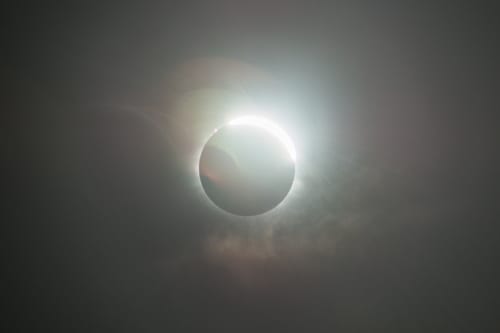
Stage 4 & 5: Totality and partial eclipse ends
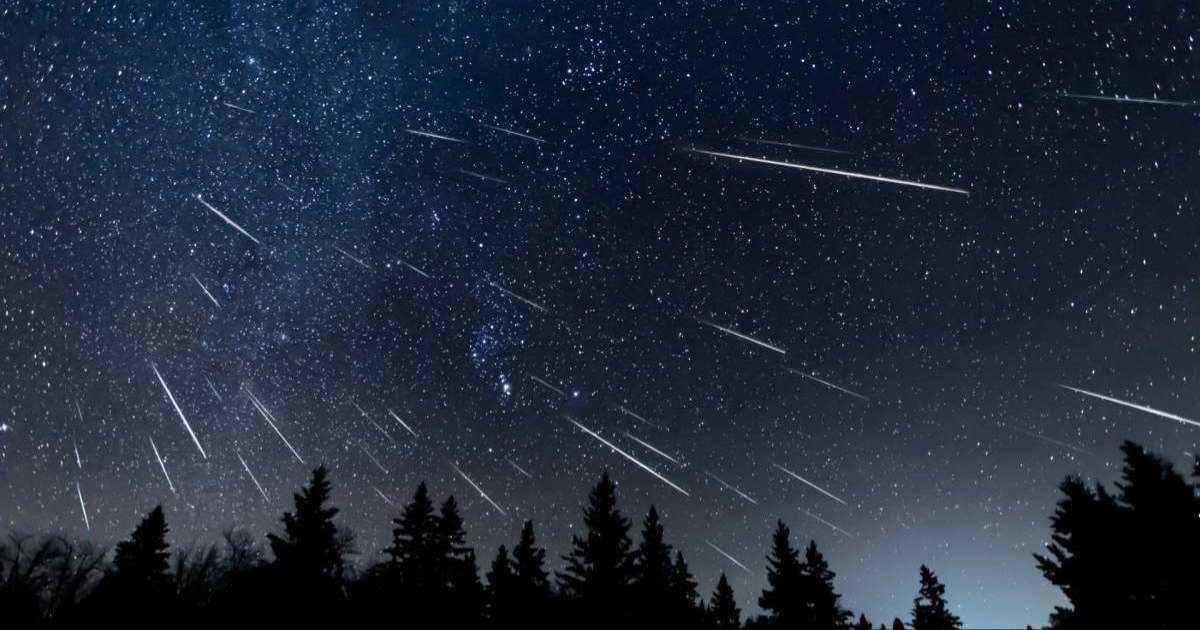
Once the moment of totality is over, you will see the first sliver of sunlight reappear from behind the moon. After that, the partial eclipse will end at "fourth contact," when the moon's silhouette finally exits the sun's disk. That will happen at 3:57 p.m. EDT (1957 GMT), in the skies off the western coast of Africa. Along with the solar eclipse, you can watch other events in the night sky on the same day, such as the Perseid meteor shower or the rare ‘planetary parade’.
More on Starlust
Why are total solar eclipses so rare, and how can you watch one safely?
What is a Total Solar Eclipse? How it works, its history and why it still matters today