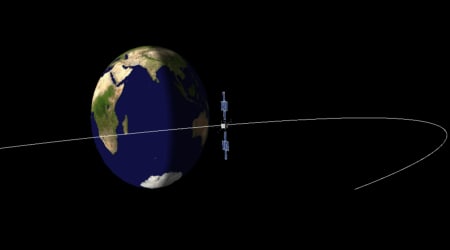
NASA’s Nancy Grace Roman Telescope named one of the best inventions of 2026 by TIME
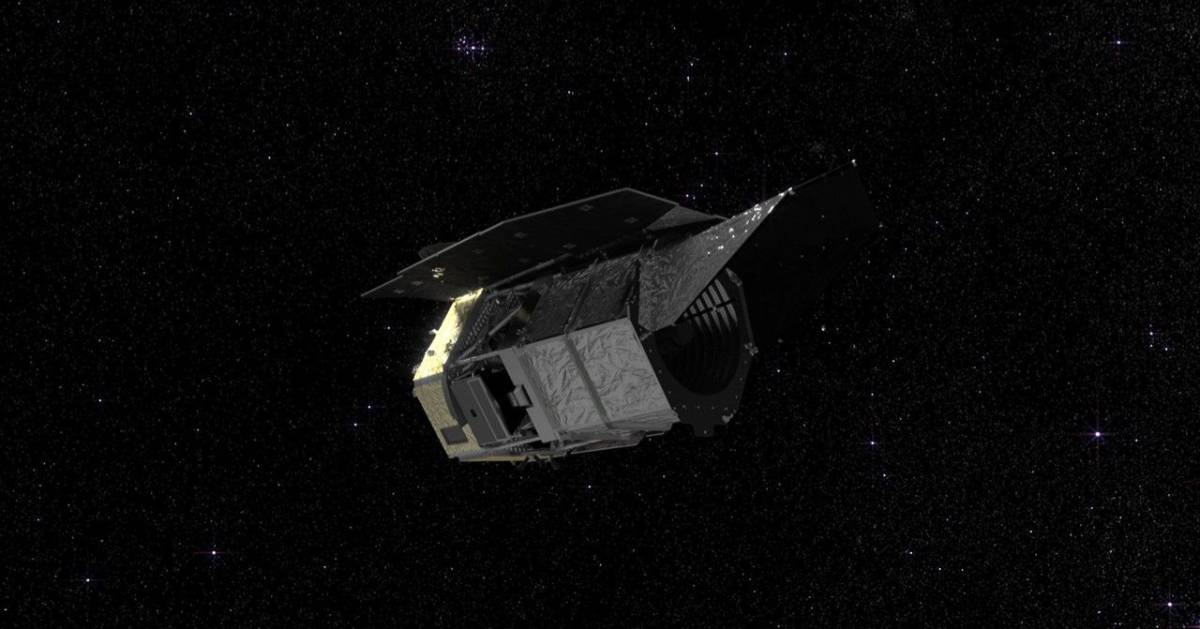
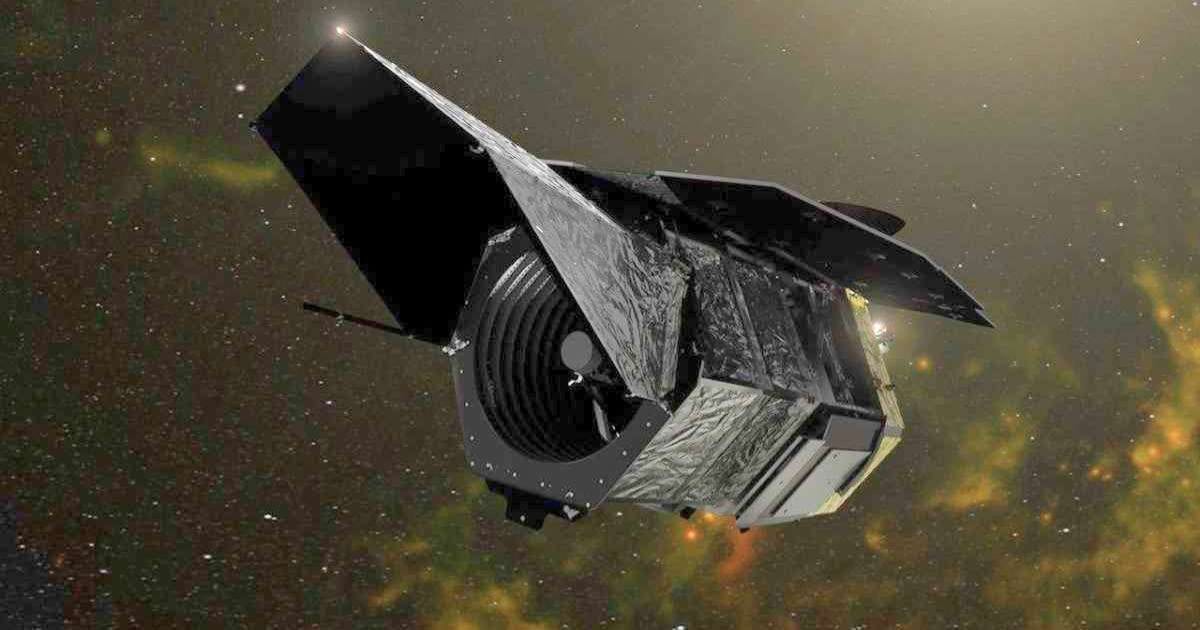
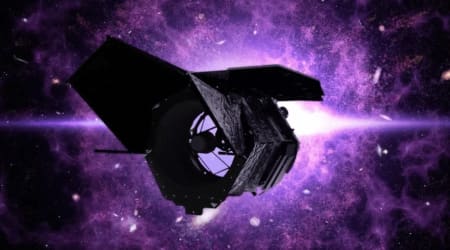
NASA’s brand-new Nancy Grace Roman Telescope has been named one of the best inventions of 2026 by TIME magazine. The $4 billion telescope, which took a decade to be ready, launched on August 30 with the objective of observing the sky like never before and uncovering the mysteries of the dark universe. This accomplishment is monumental as the telescope is currently in its commissioning phase and hasn’t even begun its operations. Prior to its launch, Jamie Dunn, the director of NASA’s Goddard Space Flight Center, told TIME, "This telescope is going to expand our window of knowledge by orders of magnitude.”
The Nancy Grace Roman Space Telescope has been named one of TIME's Best Inventions of 2026. Roman continues its journey in space to its final orbit, completing critical milestones along the way. We expect first images by early 2027. https://t.co/oy9o44u0cU https://t.co/wA0RunmsBz
— Nancy Grace Roman Space Telescope (@NASARoman) October 15, 2026
Each year, TIME lists a number of inventions that are “making the world better, smarter, and more fun.” The categories range from consumer electronics to aerospace & aviation to artificial intelligence and entertainment and gaming. NASA announced the news on X Thursday, stating that Roman is continuing on the journey to its destination.
Why was the Roman Telescope chosen?
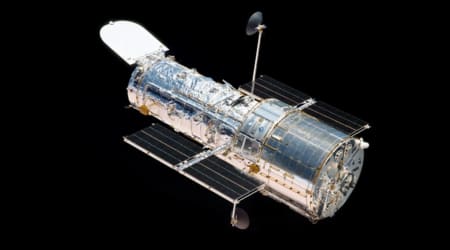
Named after NASA's first chief astronomer, Roman hasn't even begun its science operations yet, but its potential seems to be unmatched. The flagship observatory has a field of view at least 100 times larger than that of the Hubble telescope that will allow it to measure light from a billion galaxies in its lifetime. During the entire mission (which is likely to last over two decades), the telescope will discover at least 100,000 new exoplanets and investigate thousands of exploding stars (supernovae). NASA says data from some supernovae will help scientists understand how the universe has expanded over time.
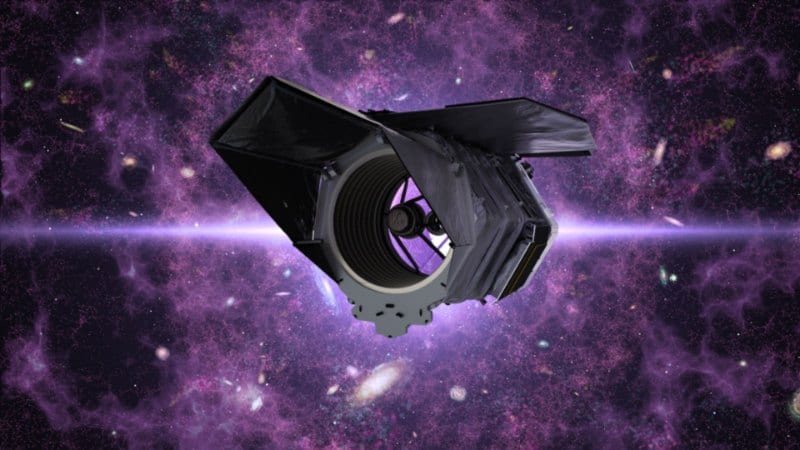
As Roman cruises to its destination, engineers are fine-tuning its instruments that seem to be working better than expected. In the latest update on Wednesday, the agency said that the mission team has prepared Roman’s 300-megapixel camera—the Wide Field Instrument, or WFI—which will conduct sweeping surveys of the sky. This instrument has undergone a slew of tests since its activation in September, and its performance is nearly 30 percent better than expected. “All of the images from Roman’s cosmic surveys will be even sharper than we expected,” Alden Jurling, a senior optical engineer working on Roman at NASA Goddard, said in a statement.
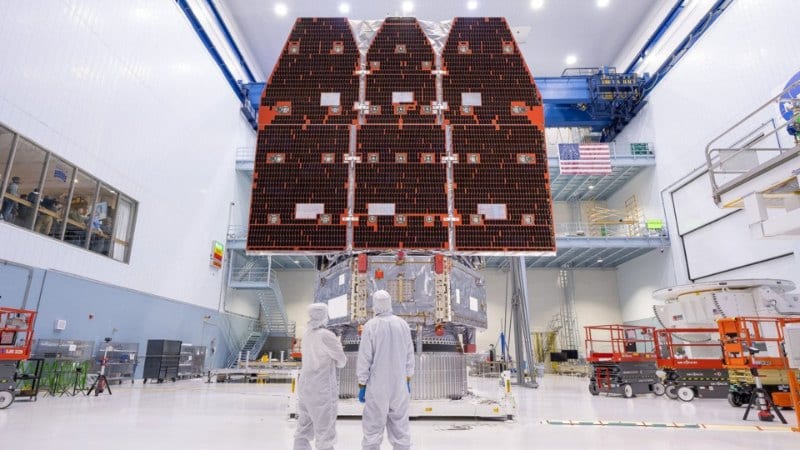
NASA gave us the first glimpse of the Wide Field Instrument’s prowess last month via a test image that was produced when the tool first opened its eyes. The picture featured the first light that reached the WFI from a sea of stars. Roman has a second instrument called the Coronagraph that will block the glare from stars and enable the discovery of planets orbiting them. Last month, NASA said that even the Coronagraph has made its first observation of a faint star in the Large Magellanic Cloud, a satellite galaxy of the Milky Way nearly 200,000 light-years from Earth. The real first images from Roman are expected to arrive in early 2027 once Roman is ready for science after the commissioning phase.
More on Starlust
'Humanity’s next window into the deep universe': Meet PRIMA, NASA's new far-infrared telescope