NASA releases first test image from Nancy Grace Roman Telescope’s 300-megapixel infrared camera
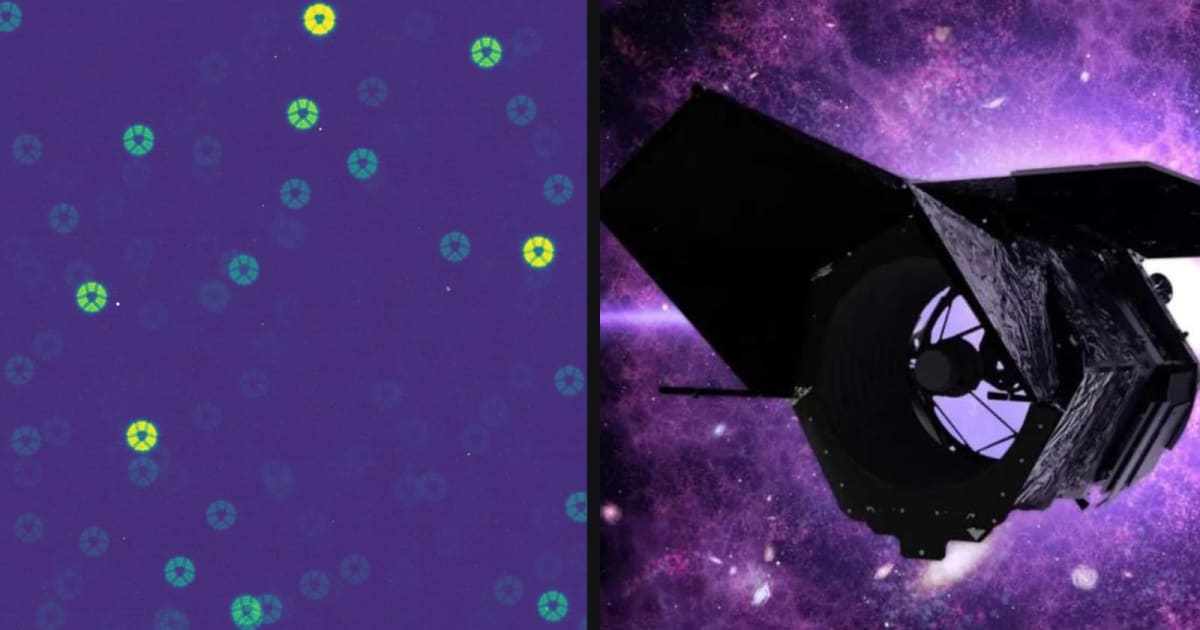
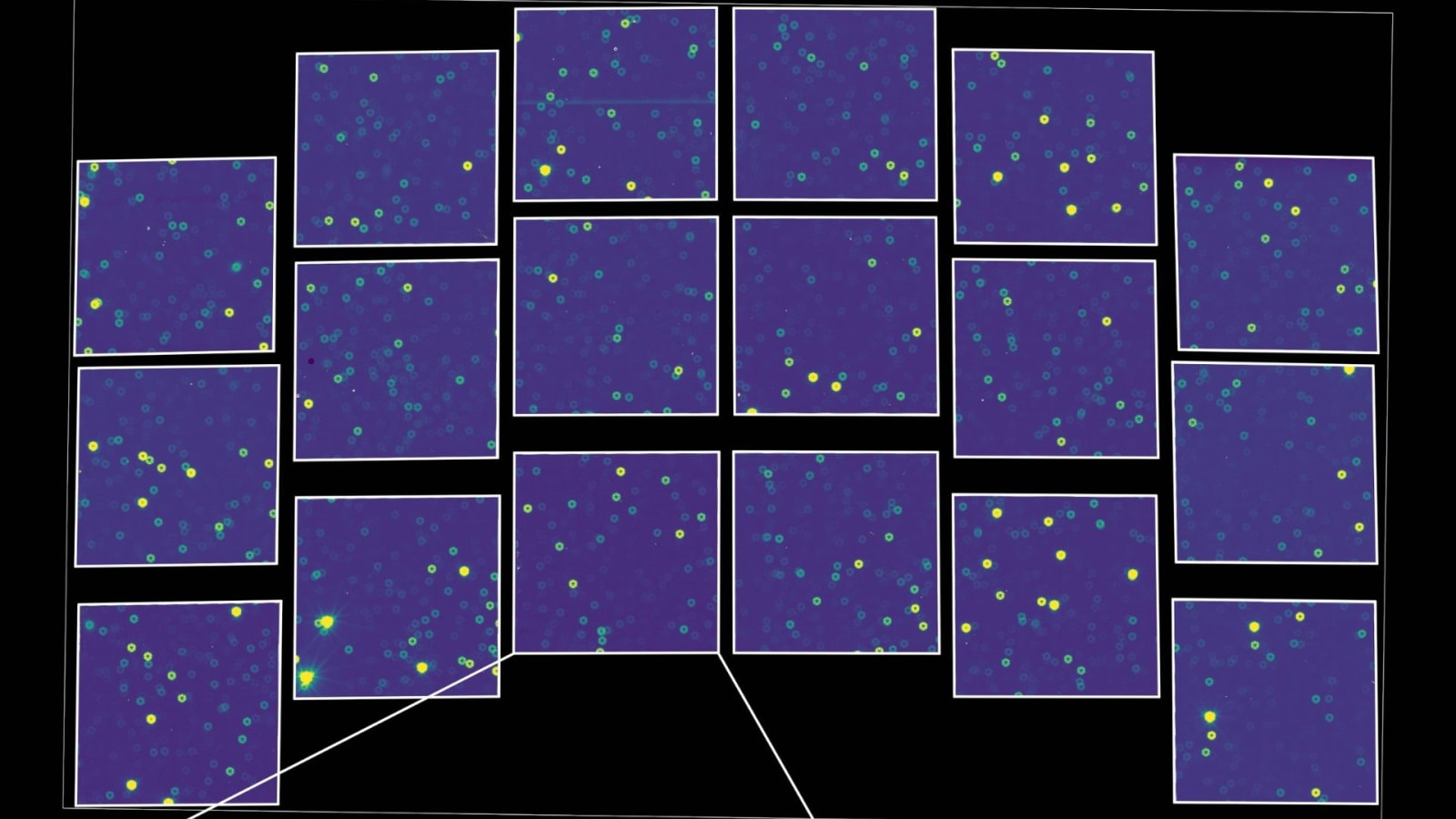
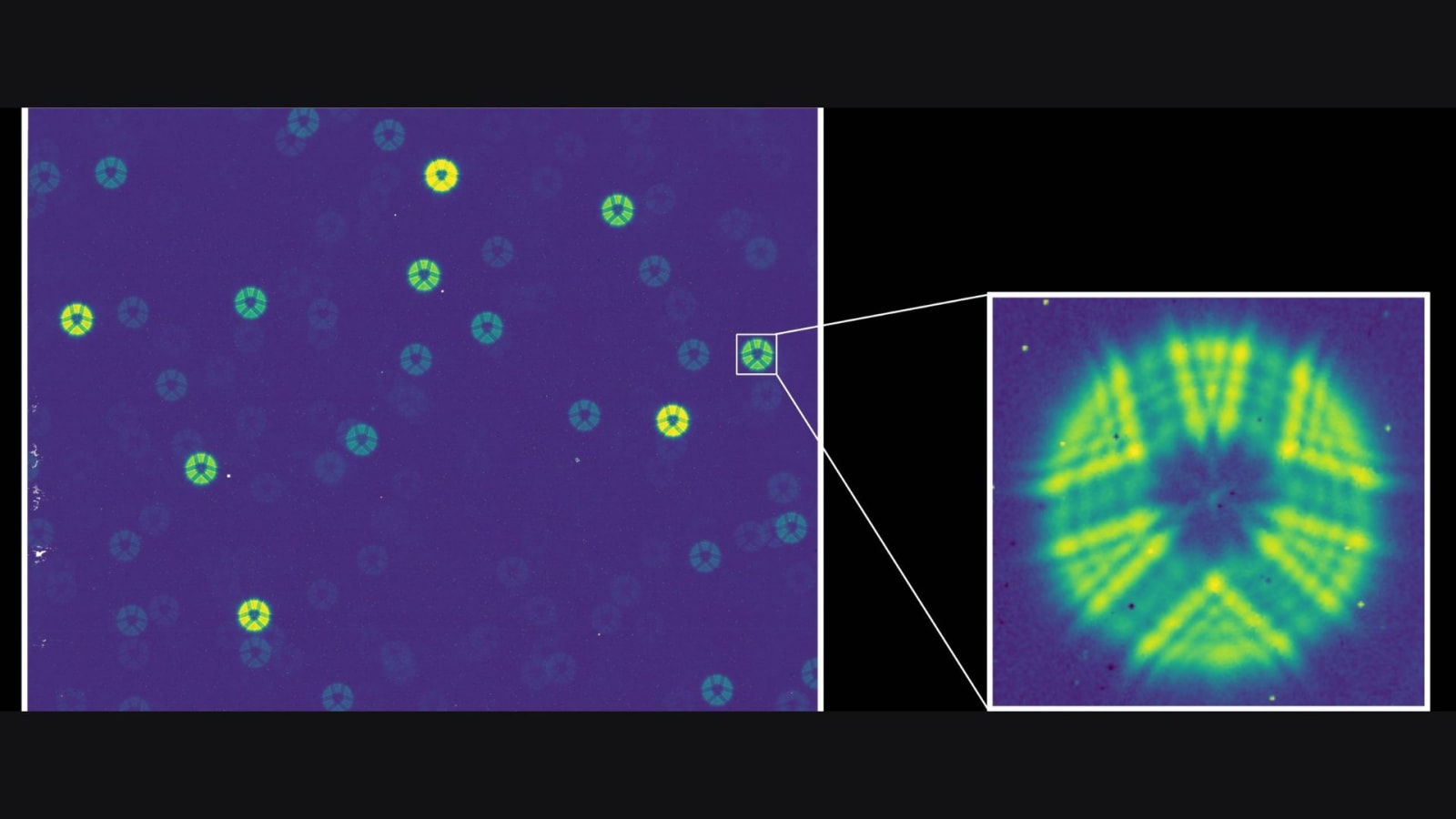
NASA announced on Tuesday that it has successfully activated the Wide Field Instrument (WFI) of the Nancy Grace Roman Space Telescope, which will allow it to image vast areas of the night sky. This 300-megapixel infrared camera has even captured its first photons from a sea of stars, proving that the instrument is in perfect health and ready for science. These initial images feature several donut-shaped patterns, which represent out-of-focus starlight taking the shape of the telescope's optics. NASA says they appear as such because the image was captured while the camera was still in its launch position and hadn’t properly focused on the stars—which is perfectly normal at this stage. The first real images from the telescope are expected to arrive in early 2027.
“After years of effort to build and test the instrument on the ground, we now have confirmation that it is operational in space,” stated Josh Schlieder, the Wide Field Instrument scientist at NASA’s Goddard Space Flight Center in Greenbelt, Maryland. “There is much to do, but we are on our way to groundbreaking science.”
The WFI is designed to capture images of the sky bigger than the apparent size of a full Moon, which is key to achieving the core objectives of the telescope, including solving mysteries of the dark universe. Since Roman will collect infrared light (which is heavily emitted by warm objects), it needs to eliminate all other sources of heat, including its own detectors and heaters. For the first 10 days, the mission team kept the WFI at minus 85°F (minus 65°C) to decontaminate its 18 detectors and turned the heater off late last week, letting the temperature drop to its operating baseline of minus 300°F (minus 183°C). At this temperature, Roman will eliminate all unnecessary thermal interference and focus only on the faint infrared light from its targets.
In the coming days, engineers will activate WFI’s fine-guidance system, which will allow it to lock onto targets, and the stars will eventually appear as crisp points of light unlike in the test image. Eric Cady, who is helping lead the commissioning of Roman's Coronagraph at NASA’s Jet Propulsion Laboratory (JPL), said that the decontamination efforts to bake off water or trace chemicals from the detectors will continue for 30 days along with other calibration activities.
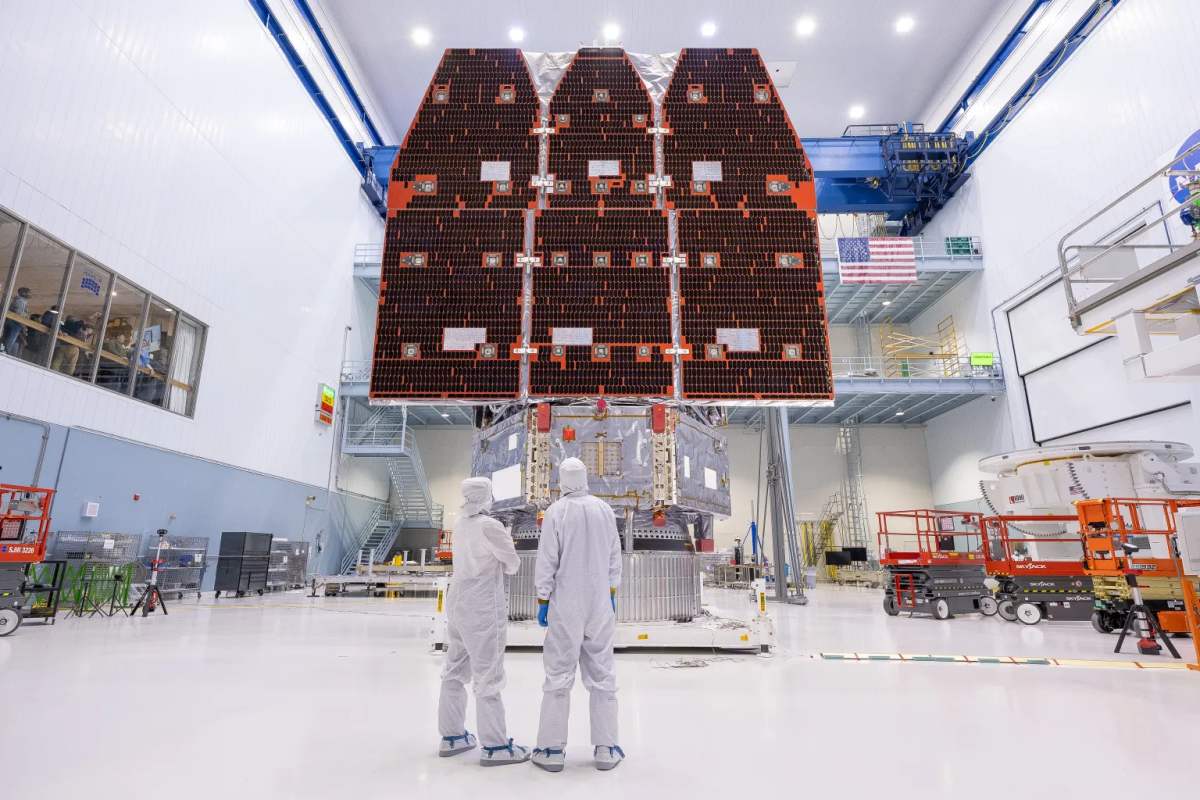
Roman’s second instrument—the Coronagraph—is also in excellent shape. This instrument has a system of optics, masks, deformable mirrors, and sensors that will allow the telescope to block the blinding light from host stars and directly image exoplanets (worlds outside our solar system) of different kinds. So far, all components of the Coronagraph, including software, thermal control, mechanisms, cameras, and the avionics, are working just as expected.
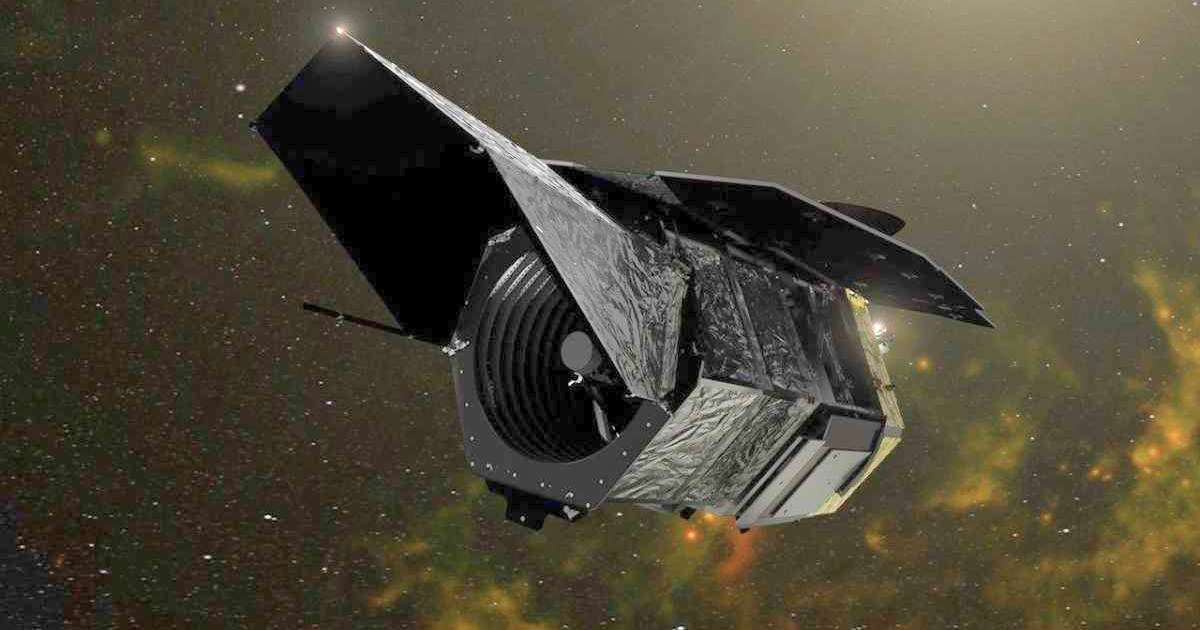
The Roman telescope launched on August 30 and is currently on its way to the second Earth-Sun Lagrange Point (L2), which is nearly one million miles away. On Monday, NASA broke the great news that Roman’s first mid-course correction to L2 was so precise that it has more than doubled the telescope’s projected mission lifespan of 10 years. “As a result of exquisite planning by our orbital dynamics team, brilliant execution by the operations team, and a precise launch from SpaceX, Roman has fuel for at least 22 years of potential science operations,” Jamie Dunn, Roman Project Manager at NASA’s Goddard Space Flight Center, said in a statement. The second course-correction burn will be conducted in the coming days, and thanks to the perfect first one, it will require very little fuel and will play a major role in extending Roman’s operations.
More on Starlust
NASA's Roman Telescope to map dark matter and dark energy more precisely than ever
NASA’s Roman Space Telescope may finally reveal how the universe's first black holes formed