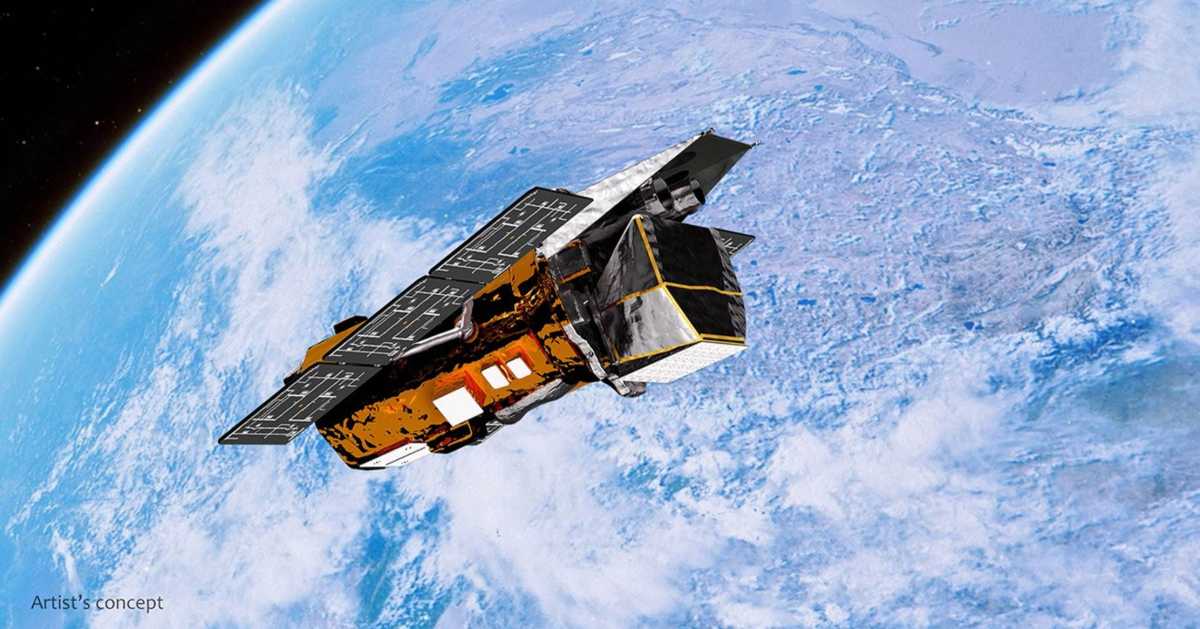
NASA's 'fully functional' Nancy Grace Roman Telescope moves closer to releasing first images
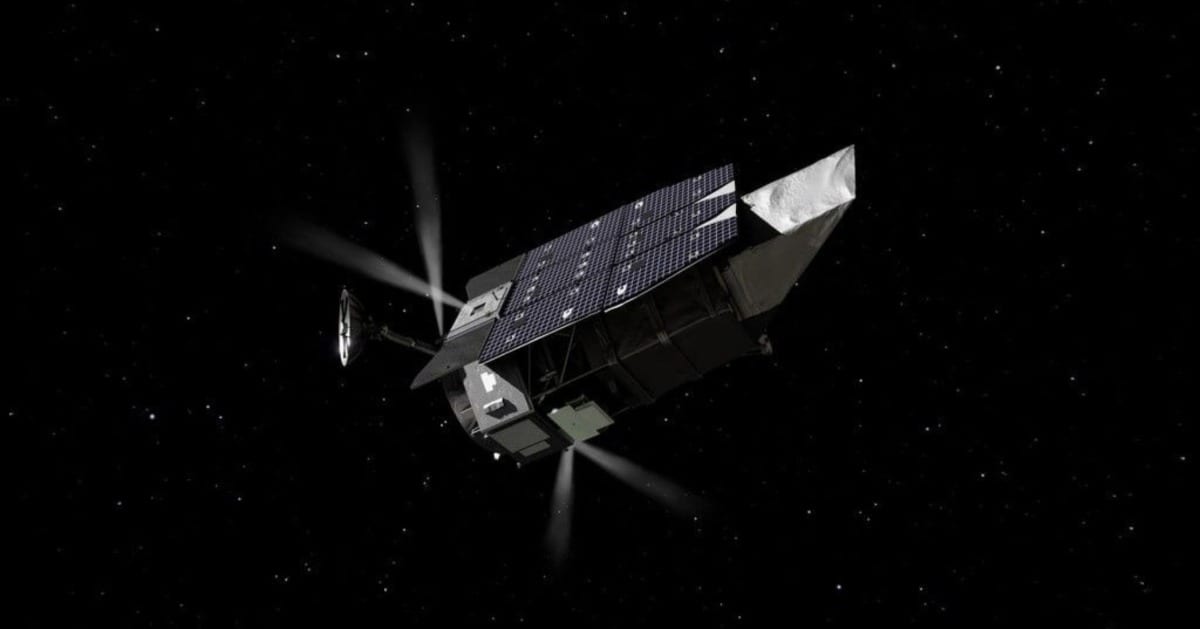
We are a step closer to the first images from the Nancy Grace Roman Space Telescope, says NASA, as it has now entered the final science commissioning phase. Julie McEnery, Roman’s senior project scientist at NASA’s Goddard Space Flight Center, said that “the observatory is fully functional” after the basic instrument checkouts and that Roman is now perfectly pointing and moving between targets, taking exposures, and sending data correctly. What’s more, the telescope is exceeding expectations and quelling worries that the mission team had before its launch.
It's the final countdown 🎶 We're one step closer to Roman's first images! The observatory is now fully functional and the team is performing their final checks and calibrations before starting science observations. https://t.co/rnLmBsiw5m https://t.co/f8c9yklql7
— Nancy Grace Roman Space Telescope (@NASARoman) October 22, 2026
Tom Barclay, Roman operations project scientist, said that engineers thought that Roman's fine guidance system might have problems locking onto a target in crowded regions of stars and densely dusty places. “We had a concern that in regions where stars are either packed extremely close together or embedded in thick dust, the fine guidance system might get confused or have trouble staying tethered to those stars. But test observations of such regions have shown that Roman performs wonderfully in all cases,” Barclay said in a statement.
NASA's high hopes for Roman Space Telescope
In the science commissioning phase, the engineers are fine-tuning the quality of Roman’s images and performing detailed calibrations of instruments through test observations of well-known parts of the sky. Roman’s 300-megapixel Wide Field Instrument (WFI) has already demonstrated its speed advantage by capturing very detailed images of a vast area of the sky in very short time periods. The WFI and Coronagraph are the two instruments on Roman, and the former allows it to scan an area 100 times greater than that of the Hubble telescope. A few days ago, it was reported that the WFI has exceeded image-quality expectations by nearly 30 percent.
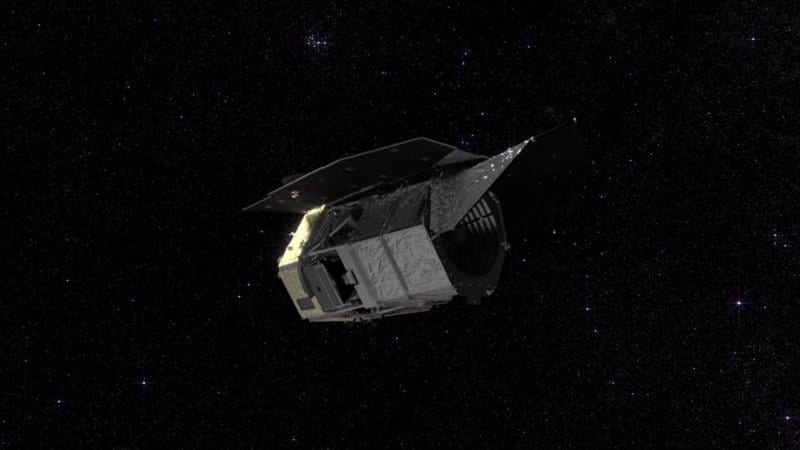
“In a typical observation with Roman’s Wide Field Instrument, we’ll see objects that are a hundred million times fainter than the human eye can detect,” said Josh Schlieder, Roman’s Wide Field Instrument scientist. “So just imagine what strange and unexpected things might be buried in all that data.” Earlier in September, NASA had released the first test image captured by the WFI, featuring several out-of-focus stars in donut-shaped patterns. The actual science images from the telescope are expected to arrive in early 2027. Since some of Roman’s systems are working better than expected, NASA hopes it will open up new scientific capabilities that were not anticipated before.
The Roman telescope launched atop SpaceX’s Falcon Heavy rocket on August 30, and it’s currently headed to the second Earth-Sun Lagrange Point (L2). This location will offer it a unique vantage point to support its objectives of finding new exoplanets, observing hundreds of millions of galaxies, and answering essential questions about the dark universe. Roman was launched with a primary mission lifespan of 10 years, but a precise launch by Falcon Heavy and a flawless mid-course correction have ensured that it will now last for at least 22 years.
More on Starlust
NASA's Roman Telescope to map dark matter and dark energy more precisely than ever
Top cosmic mysteries NASA’s powerful new Nancy Grace Roman Space Telescope could solve