Voyager 1 comes back online after mystery glitch in interstellar space; NASA expects more surprises
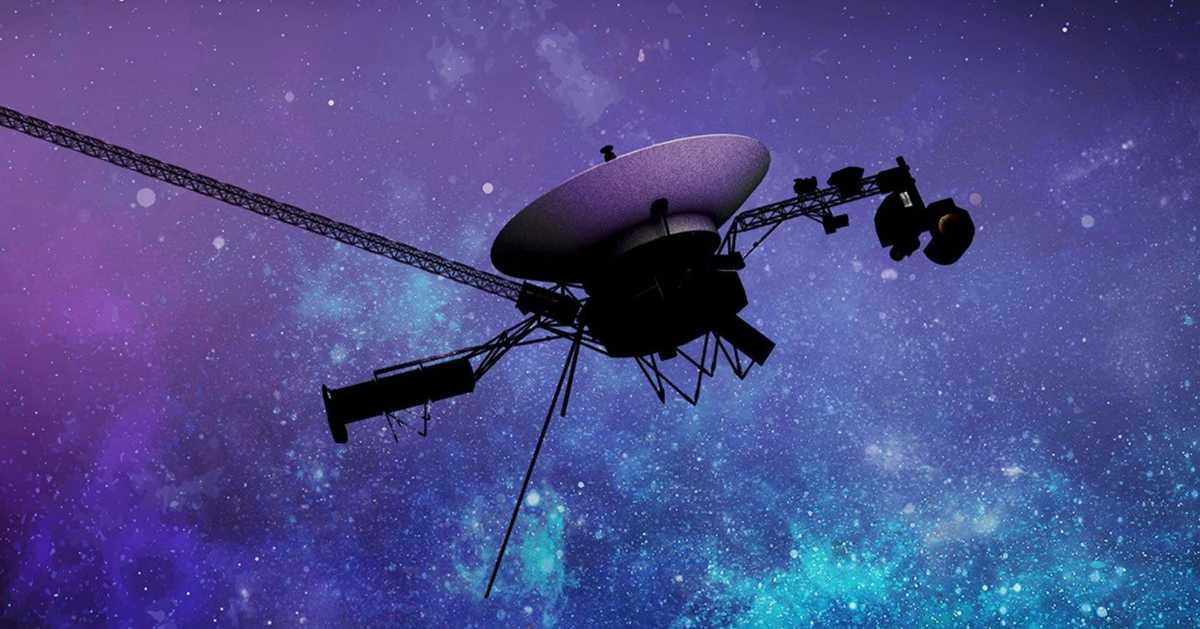
NASA has announced that the Voyager 1 spacecraft is communicating again after a minor glitch following efforts to extend its lifespan. The spacecraft experienced a brief loss of communication on October 18 and 19 after the mission team had completed a months-long operation to stretch the spacecraft’s diminishing power supply. NASA communicates with its Voyager probes through the Deep Space Network, which was unable to detect any radio signal from Voyager 1 during two scheduled attempts. On October 20, however, the signal reappeared, and it’s been in contact ever since.
Another successful fix ⏤ after 49 years and 16 billion miles! 🔧 Engineers recently turned off devices on Voyager 1 and substituted them with lower-power alternatives. Nicknamed the “Big Bang,” the energy-saving effort will allow the remaining instruments to operate longer. ½ https://t.co/sJpV6PbyxS
— NASA JPL (@NASAJPL) October 30, 2026
The Voyager team was surprised to find out that a group of thrusters went offline and the spacecraft turned its backups on while putting itself in safe mode. This safety feature is called fault protection, and it directs the spacecraft to pause science operations until the issue is fixed. “This is the first time we’ve seen the spacecraft do something like this, but we are also at a point in the mission where we have to expect the unexpected,” said Kareem Badaruddin, Voyager Mission Manager at NASA’s Jet Propulsion Laboratory, in a statement. “We’re relieved to be back in contact with Voyager 1 and are eager to understand what happened.” Meanwhile, the team is working to determine the cause of the recent loss of communications. Engineers, in fact, are expecting more such glitches between now and summer 2027.
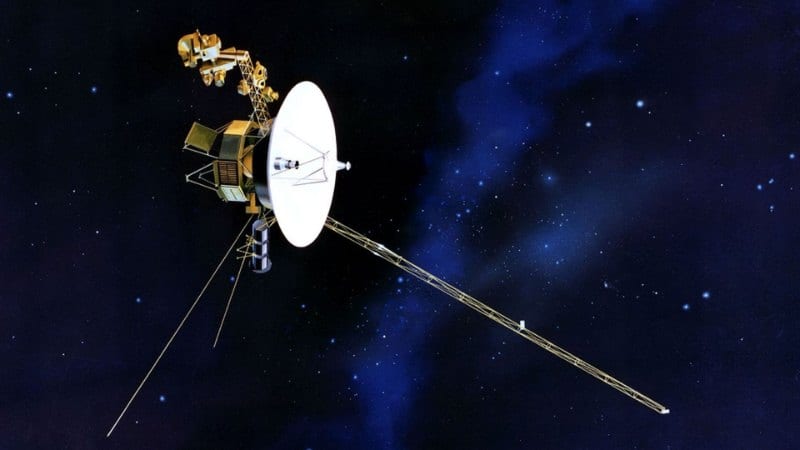
Voyager 1 is currently more than 16 billion miles (24 billion kilometers) from Earth, and every one-way signal takes almost 24 hours to reach its destination. NASA says that on November 18, Voyager 1 will be 16.09 billion miles (25.89 billion kilometers) or one light-day away from Earth—meaning a one-way signal will take a full 24 hours to travel to and from the probe. With this accomplishment, Voyager 1, which is already the farthest human-made object in space, will break another record.
Earlier in September, engineers were able to add more years to its life through a power-saving effort nicknamed the ‘Big Bang’ wherein they switched off three instruments and substituted them with three lower-power alternatives. Voyager 1 and its twin, Voyager 2, run on electricity, which is generated by converting the heat from decaying plutonium. Both lose about 4 watts of power each year and the spacecraft needs to be warm enough to operate in the cold interstellar environment. With the ‘Big Bang,' the team was able to swap power-hungry devices with ones that draw less power while ensuring heat is evenly distributed on the spacecraft. Without the ‘Big Bang’ effort, Voyager 1 may have had to shut down another instrument by summer 2027. The same measure has been applied to Voyager 2, which also launched with 11 instruments like its twin and now has just three online.
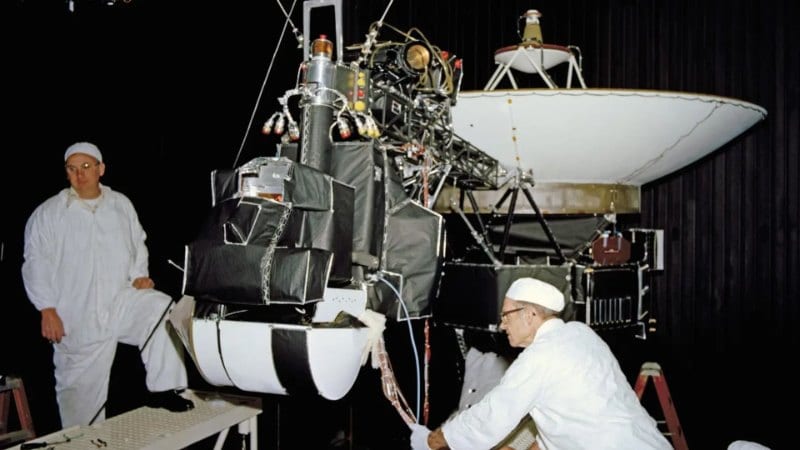
NASA launched Voyager 2 on August 20, 1977, 16 days before Voyager, which took off on September 5. The former launched first because it was placed on a longer, slower trajectory designed to study Uranus and Neptune. However, Voyager 1 arrived at Jupiter and Saturn first and, in August 2012, became the first human-made object to exit the solar system. Voyager 2 became the second object to achieve the milestone when it entered interstellar space in November 2018.
More on Starlust
NASA's 'fully functional' Nancy Grace Roman Telescope moves closer to releasing first images