NASA’s Roman Telescope Coronagraph opens its eyes to the cosmos, taking its first images
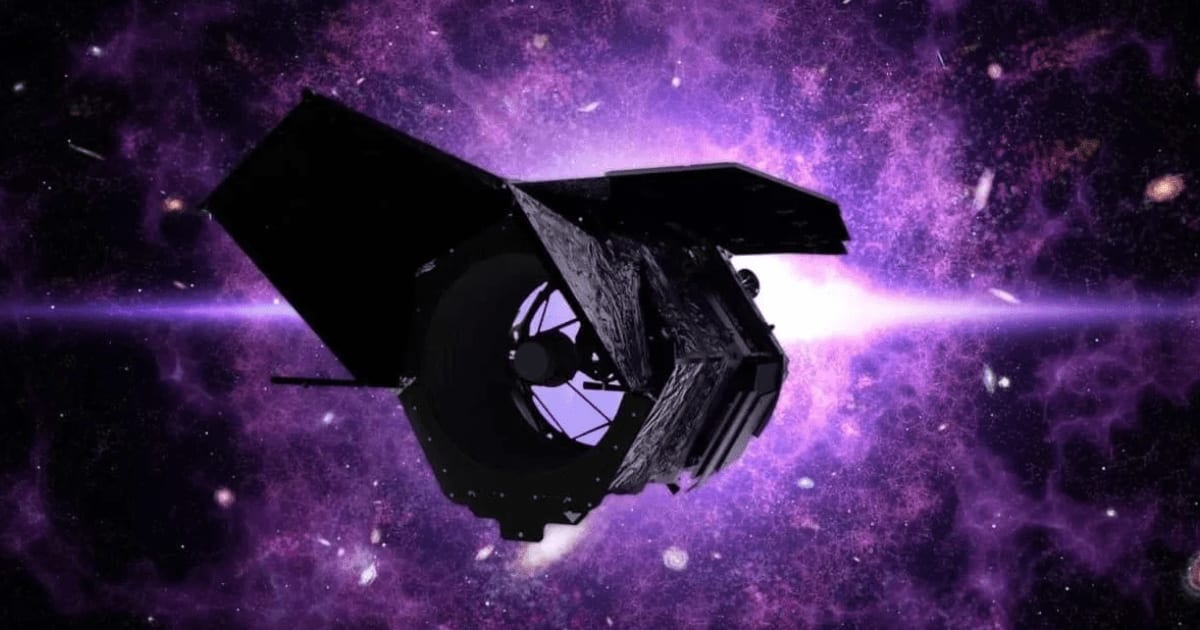
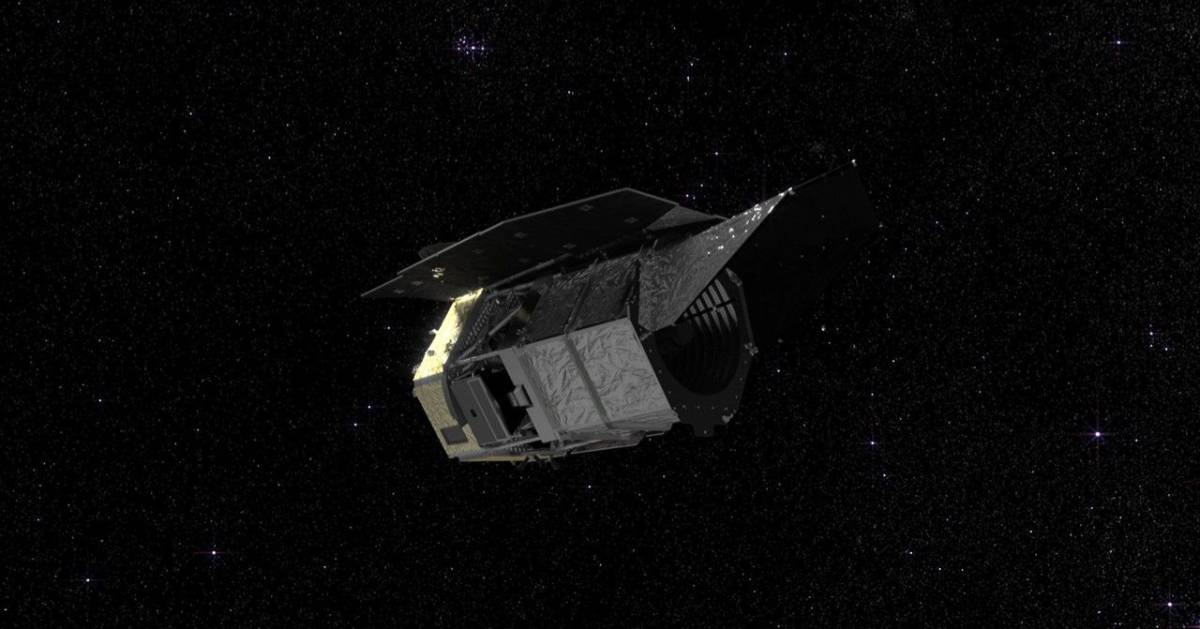
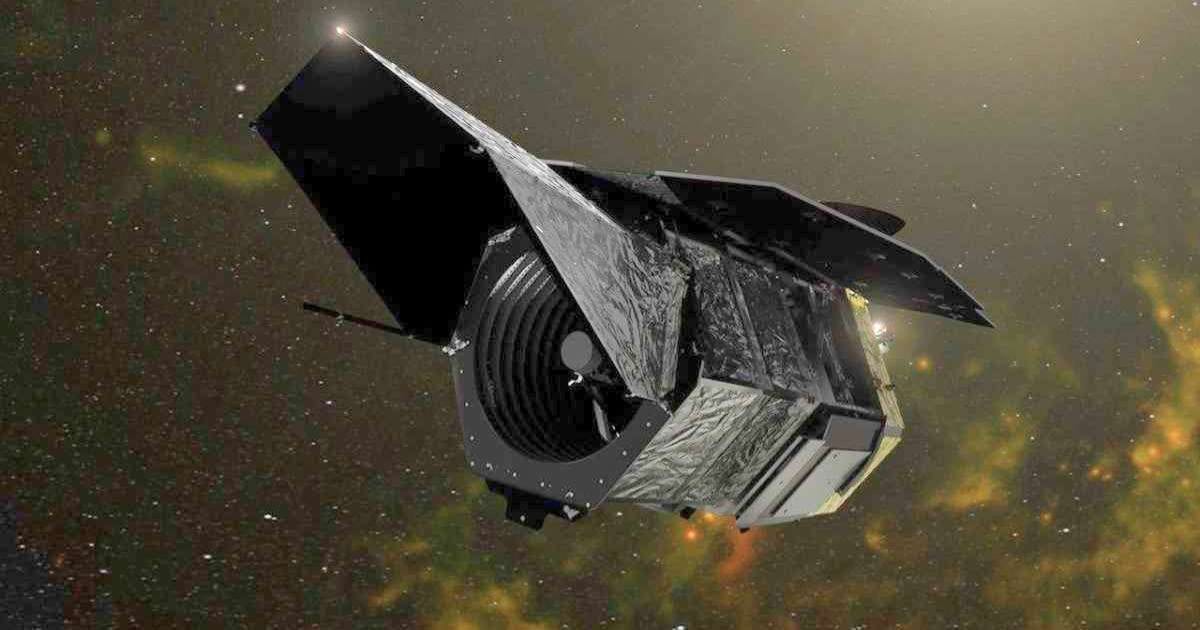
On September 22, NASA’s Nancy Grace Roman Space Telescope reached an important milestone as its Coronagraph Instrument opened its eyes to cosmic light for the very first time. The update, shared by NASA yesterday, confirmed that the observatory passed a series of fine-guidance system tests from September 15 to 21, and its Coronagraph, meant to spot hidden planets, took its first-light observation on September 22, with a follow-up observation on September 27.
The Roman team has been busy! Last week, they tested out the fine-guidance system, which keeps the observatory locked onto targets. Its current stability is like focusing a laser beam on a U.S. dime from ~150 miles away! They're working to improve this even further.…
— Nancy Grace Roman Space Telescope (@NASARoman) September 30, 2026
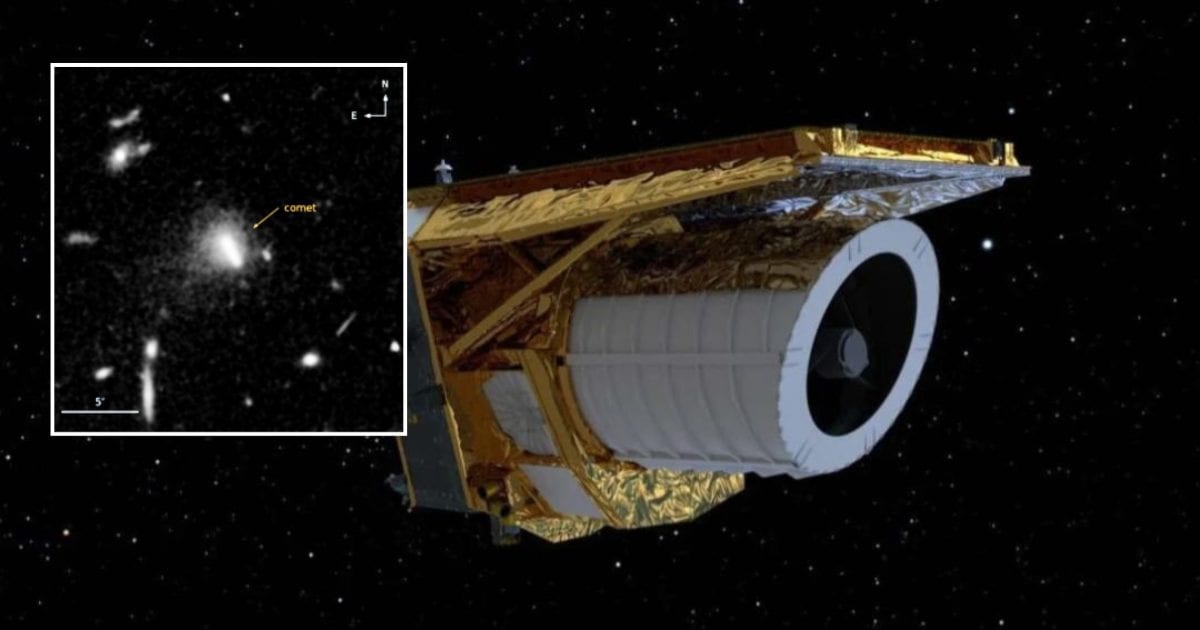
After successfully switching on for the first time in space on September 22, Roman's Coronagraph Instrument captured a dimly lit star in an adjacent galaxy called the Large Magellanic Cloud. The image captured had noise seep into it because the detectors were kept at a warmer temperature than their final operating condition in order to prevent contamination.
Next, the team collected the coronagraph's first test images. The first contained a single star in the Large Magellanic Cloud, and the next one contained many! It's a step toward the coronagraph's ultimate goal: blocking starlight to see faint planets and debris disks around…
— Nancy Grace Roman Space Telescope (@NASARoman) September 30, 2026
Vanessa Bailey, a Roman Coronagraph Instrument scientist at NASA’s Jet Propulsion Laboratory in Southern California, said, “This observation confirms that the instrument can produce a focused image. It’s a very limited test that kicks off a methodical process of increasingly complex tasks that help us prepare for the instrument’s future observations.”
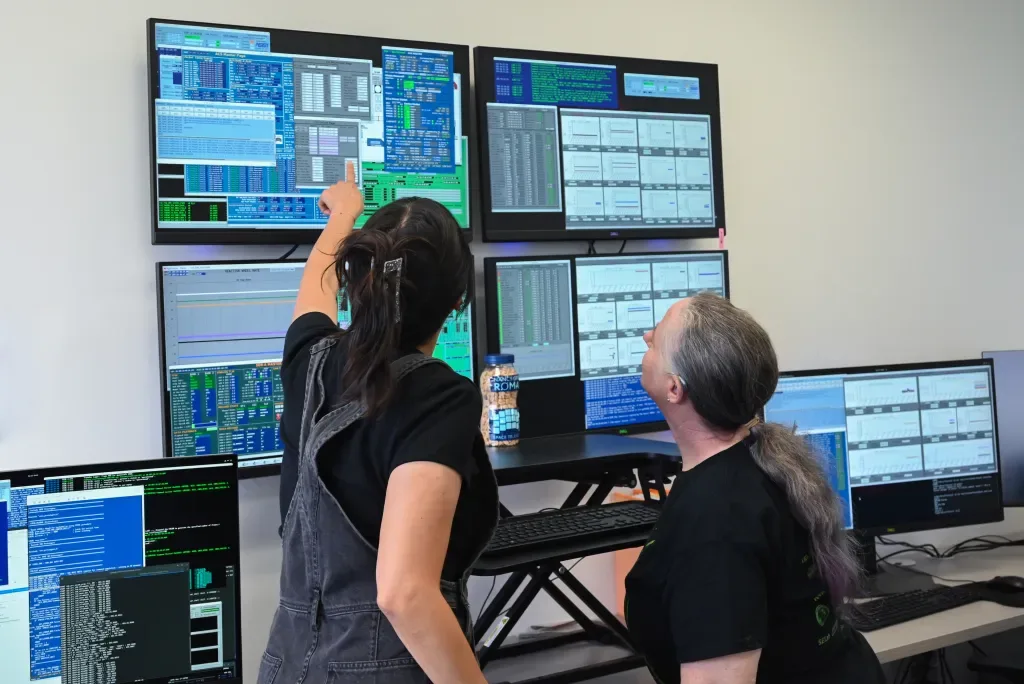
The first observation by the Coronagraph was followed by a second, sharper observation on September 27. This time, the detectors were cooled to increase their sensitivity, and the team directed its attention to another area of the Large Magellanic Cloud, where a single image was expected to contain numerous stars—and that is exactly what was observed. "We’re breathing a sigh of relief!" Bailey said.
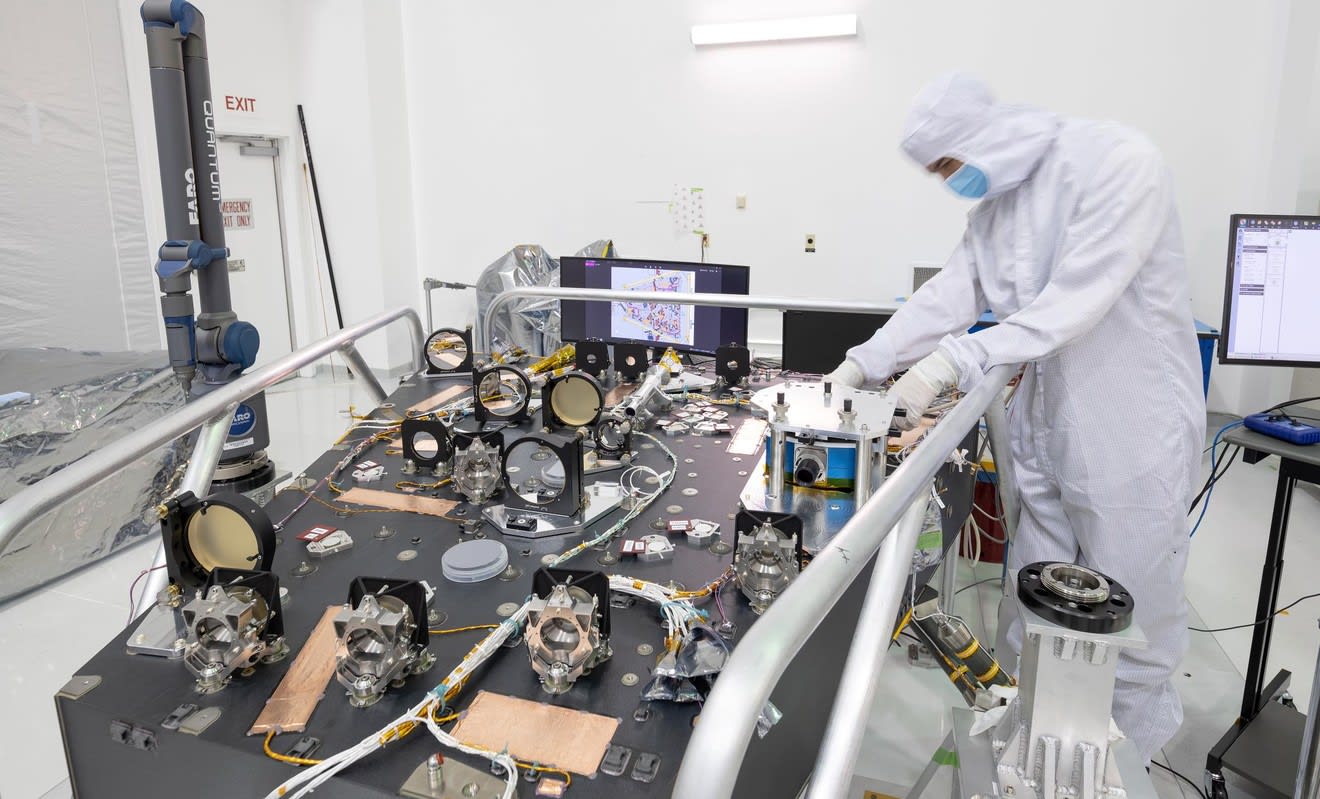
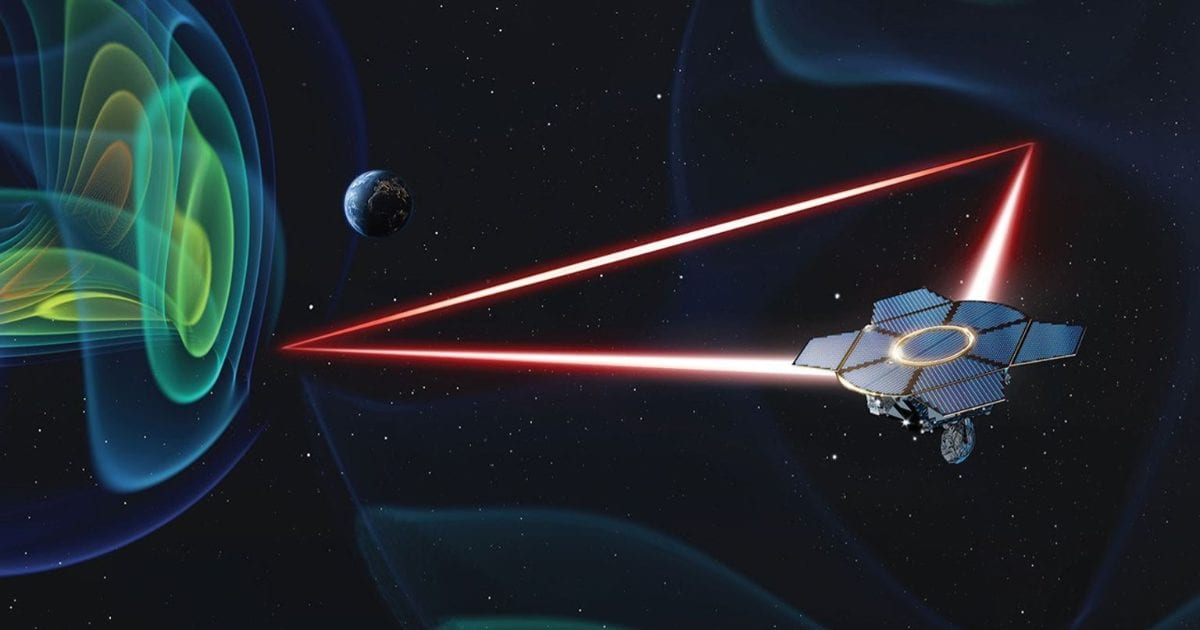
Roman's Coronagraph was activated on September 1, per an earlier update by NASA, following which it underwent electronic, mechanical, and optical checkouts. Prior to the Coronagraph switching on, engineers had to test the telescope's fine-guidance system, which enables both the Coronagraph and the Wide Field Instrument to steadily lock onto their targets during imaging. Begoña Vila, Roman’s guiding instrument systems lead at NASA’s Goddard Space Flight Center in Greenbelt, Maryland, said that the telescope's observations are dependent on its ability to precisely aim at the target long enough to capture an image.
In the series of tests done between September 15 and 21, the researchers allocated a small portion of each of the 18 detectors in Roman's Wide Field Instrument to track guide stars—stars whose positions are known and which can be used as reference points. When the observatory's attitude control system positions Roman in an appropriate direction, it obtains information on the guide stars' positions around four times per second, which enables the attitude control system to make corrections by moving the Roman slightly. This keeps the telescope stable during observations, preventing it from drifting off from its target—thereby providing clear images.
The fine-guidance system tests revealed that the system has a stability exceeding 1/100,000 of a degree over prolonged durations. For observations by Roman's Wide Field Instrument, the system shows stability for around half an hour at a time, and for observations by the Coronagraph, which require longer periods, it is around eight hours at a time.
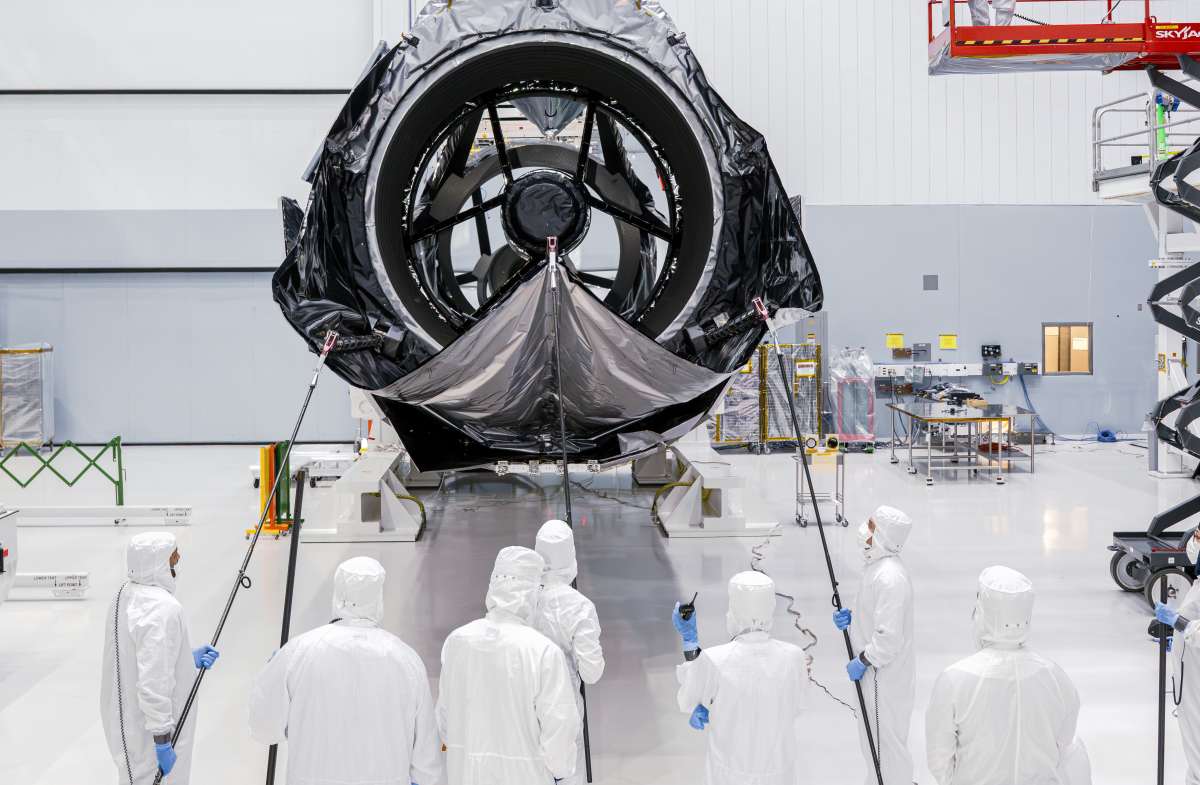
Roman's current stability is comparable to a laser beam's focus on a U.S. dime from around 150 miles (about 240 kilometers) away. And scientists are endeavoring to further enhance the stability, aiming to increase the distance in the analogy to around 230 miles (370 kilometers).
More on Starlust
NASA’s Roman Space Telescope may finally reveal how the universe's first black holes formed
NASA releases first test image from Nancy Grace Roman Telescope’s 300-megapixel infrared camera