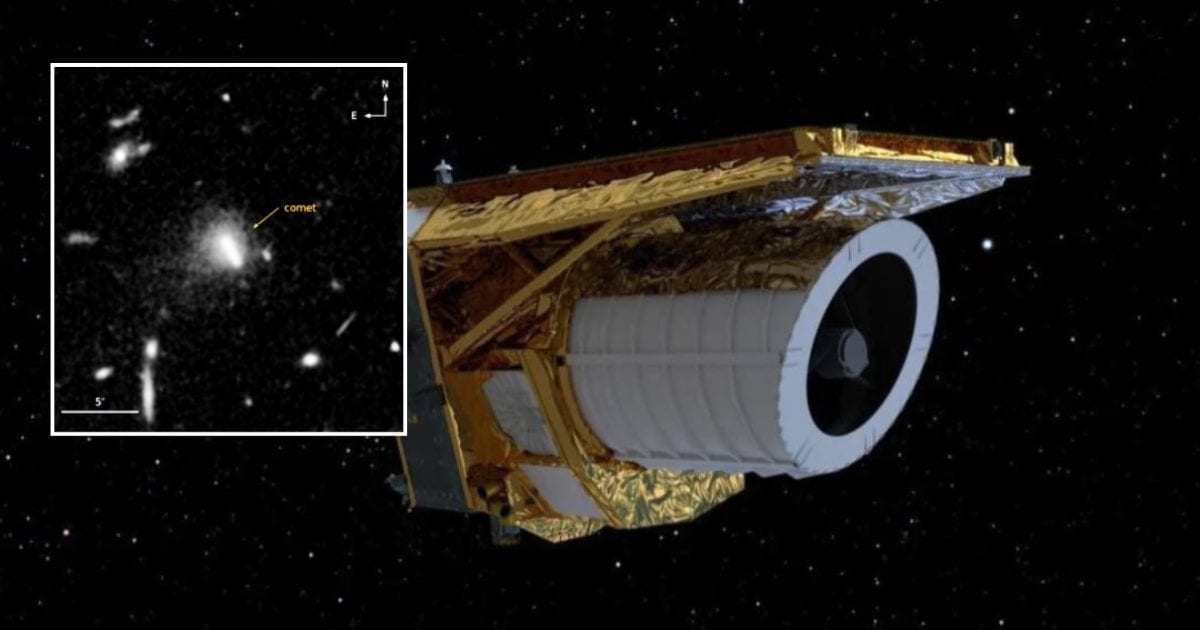
All about PHOENIX—a proposed super telescope that could observe planet formation and early universe
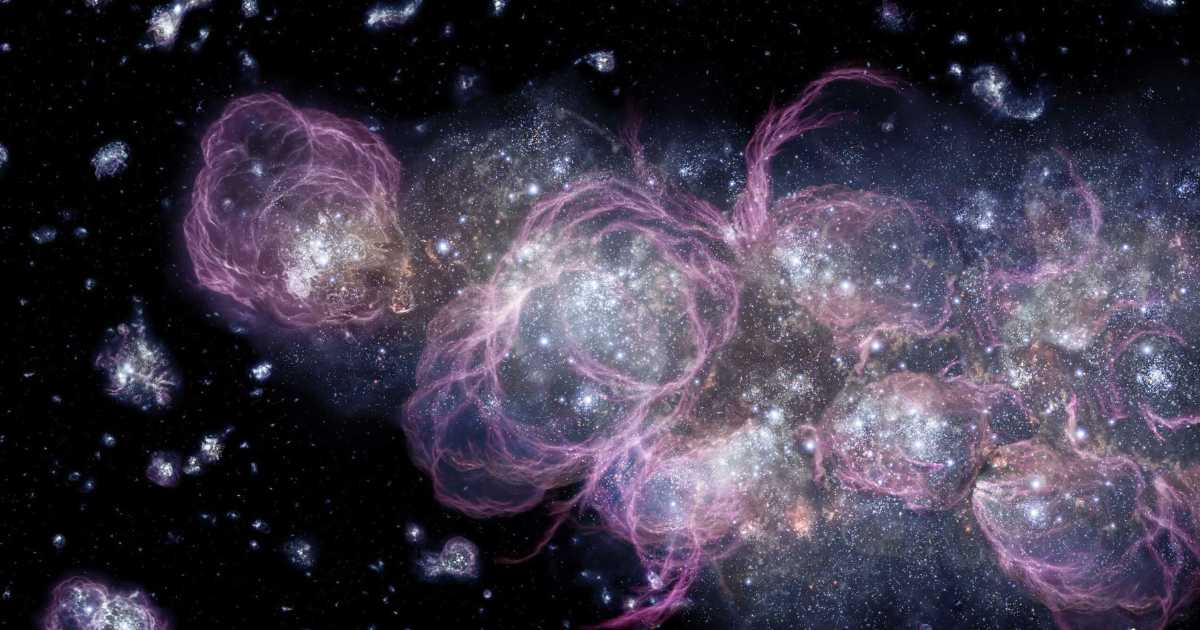
A groundbreaking observatory dubbed PHOENIX could, in the near future, revolutionize our understanding of the universe. Still at the conceptual stage, the observatory, whose full name is Photonics-Enabled Heterodyne Submillimeter/Far-Infrared Interferometer, proposes using advanced photonic technologies to link as many as 25 spacecraft flying independently. In their synced-up formation, these connected spacecraft will work together as an advanced interferometer, which will produce ultra-high-resolution observations of the early universe and exoplanet formation at submillimeter and far-infrared wavelengths.
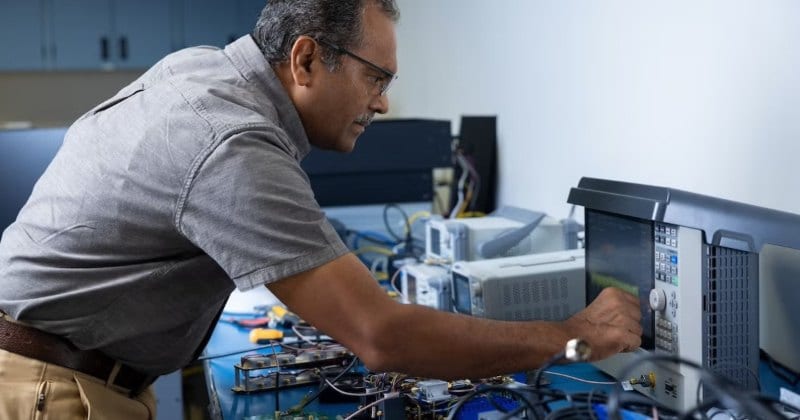
The observation power of what will effectively be a vast singular telescope is needed due to the difficulty in observing cosmic events in the far reaches of the universe. Everything that PHOENIX aims to be able to observe, such as the birth of stars, planets, and galaxies, usually happens in the midst of dense clouds of dust and gas. Submillimeter interferometry and imaging in far-infrared and radio wavelengths of light allow telescopes to not only see through this visual obstruction, but to observe the cold gas and dust itself as it glows. “One of the most exciting applications would be the direct observation of planet formation in protoplanetary disks around young stars,” said Anish Roshi Damodaran, who is a professor at the University of Central Florida (UCF) and received a $175,000 NASA award to investigate the concept further. “PHOENIX could resolve structures on scales comparable to the size of the inner solar system—allowing scientists to observe how water, water ice, molecular gas and dust are assembled into planets, identify the signatures of newly forming worlds, and investigate the conditions that lead to potentially habitable planetary systems,” stated Damodaran with reference to the hunt for exoplanets.
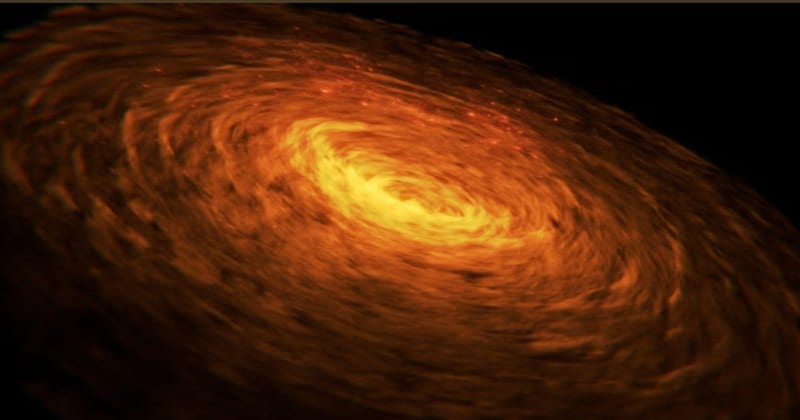
Should the nod be given to PHOENIX after all the phases of its conception, it could also pull the curtain back on how stars form within galactic environments that are hidden to us. Thanks to imaging in the highest possible resolutions and spectroscopy, which is a technique that studies light to determine a subject's chemical composition, the observatory could potentially open windows into how turbulence, gravity, and gas dynamics play a role in the formation of stars. Gathering insights into the exchange of gas and dust within distant galaxies could help in determining the processes behind more extreme phenomena such as supermassive black holes. This, in turn, could inform research into the larger-scale evolutionary story of entire galaxies.
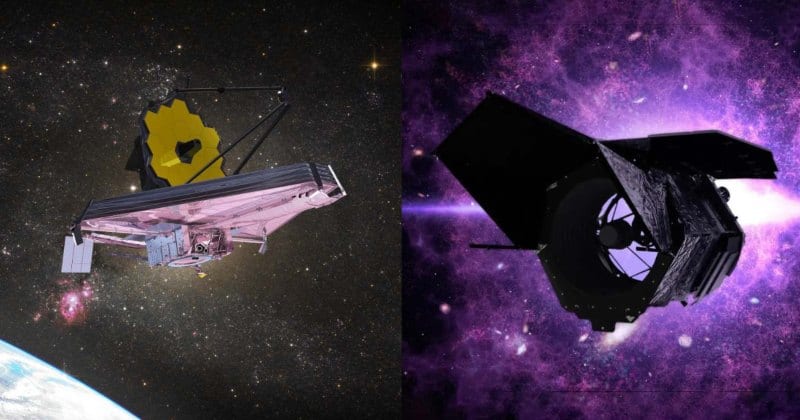
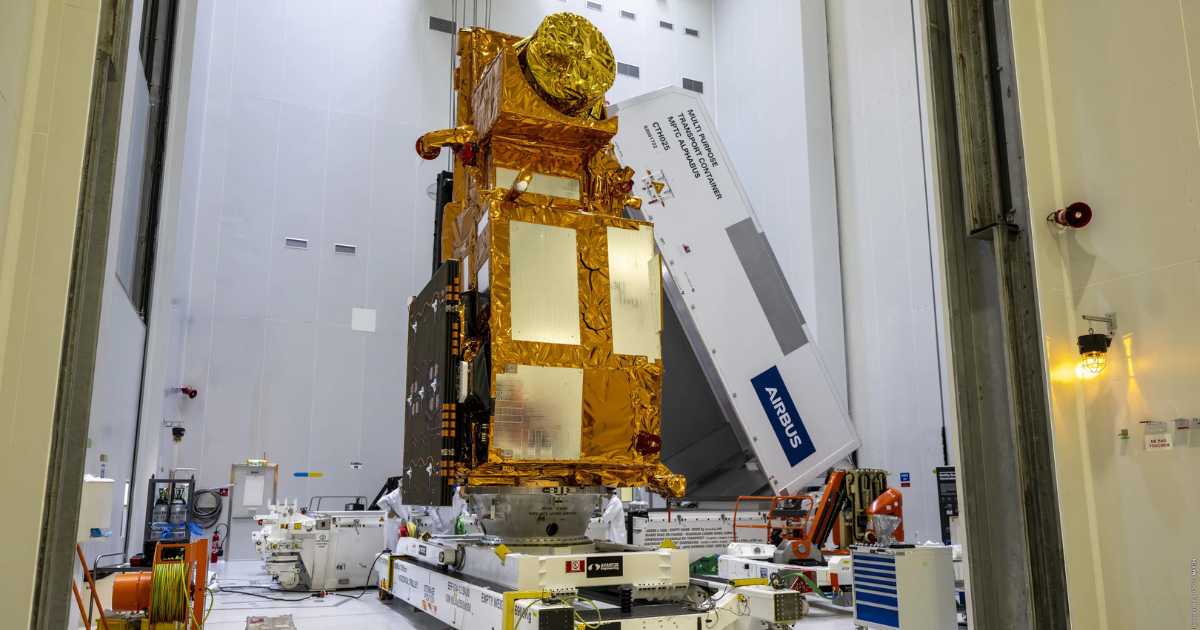
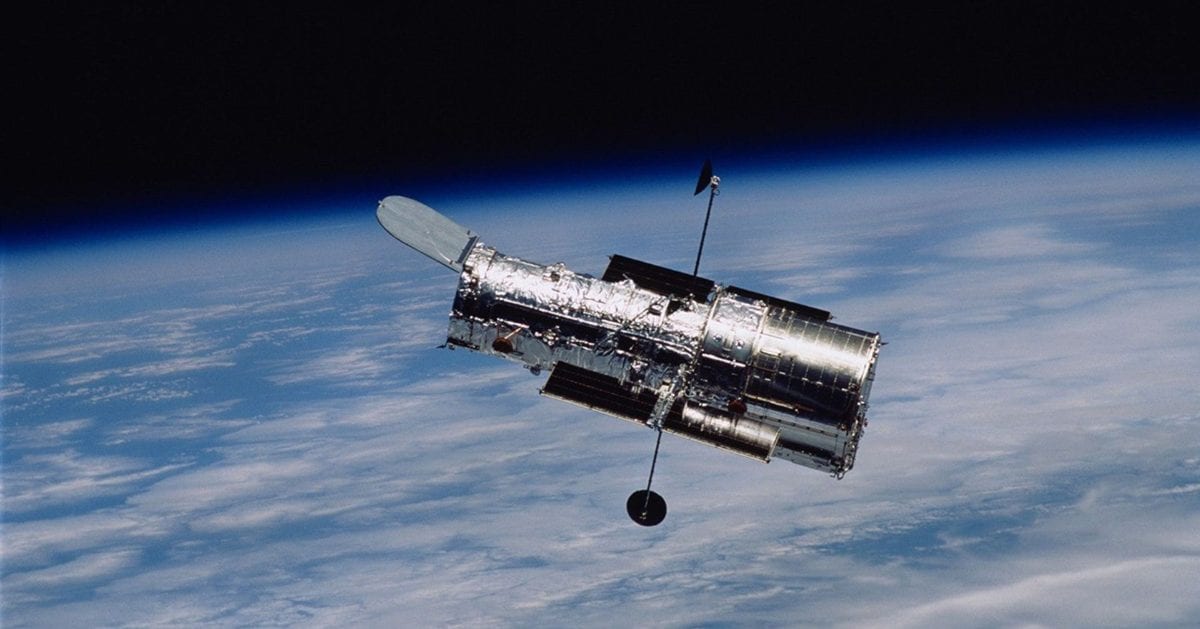
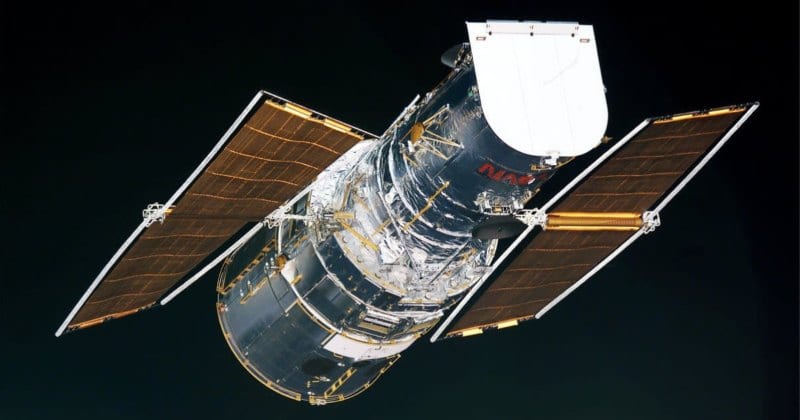
The level of detail in observations that PHOENIX aims to achieve would be too big a technical challenge if the multi-satellite approach is not taken. For instance, manufacturing and transporting a single telescope tens or hundreds of meters wide alone would be a nightmare. For context, the Nancy Grace Roman Space Telescope, which is one of the most advanced space telescopes launched by NASA, features a mirror that is about the same size as that of the Hubble Space Telescope, at less than eight feet wide. The James Webb Space Telescope has a wider mirror at about 21 feet wide, but it was folded up before being launched into space. Even though the synchronization of multiple satellites is quite difficult, it is still more achievable than transporting a giant telescope to space, and that is the challenge being worked on at the moment.
While Damodaran will lead the investigation into the project's viability, the initiative is set to be a joint enterprise with collaborators from UCF and NASA's Jet Propulsion Laboratory in California. The aforementioned award given for PHOENIX is one of 18 under the NASA Innovative Advanced Concepts (NIAC) program, which was announced earlier this year. The ambitious idea behind PHOENIX will now be studied for nine months to determine whether it can be technically achieved. Damodaran and his collaborators will use the award money to develop a more detailed mission architecture while identifying even more scientific capabilities that could be made possible with PHOENIX. After Phase I, Phases II and III will furnish up to $750,000 for two years and $2 million for another two years, respectively, for further exploration into the feasibility of the project. “In many ways, the process feels like undertaking a second Ph.D. thesis. It requires questioning assumptions, exploring alternative approaches, identifying critical technology gaps and developing a compelling scientific case. As a scientist and instrument developer, I find that immensely rewarding,” Damodaran noted.
More on Starlust
Meet Lumina—a comprehensive model of the early universe that will put our theories to the test
NASA’s Nancy Grace Roman Telescope named one of the best inventions of 2026 by TIME